Tokiwaso Manga Museum
The most famous manga museum is undoubtedly the Kyoto International Manga Museum. And it is really awesome. But it’s not the only one, of course. It couldn’t be only one in the land of manga and anime.
But allow me to introduce the Kyoto museum as a reference. When you arrive, the first thing you see is an outdoor artificial lawn, usually covered with groups of students eating, talking, sitting around, or simply lying in the sun.
At the entrance, you stop at the ticket counter and receive the usual Japanese explanation — detailed, organized, and very clear — about how the museum works, where everything is, and what you can see. Then you head straight into the main hall. Inside, there is a large main hall where most of the collection is displayed. It starts on the ground floor and rises through a very high open space.
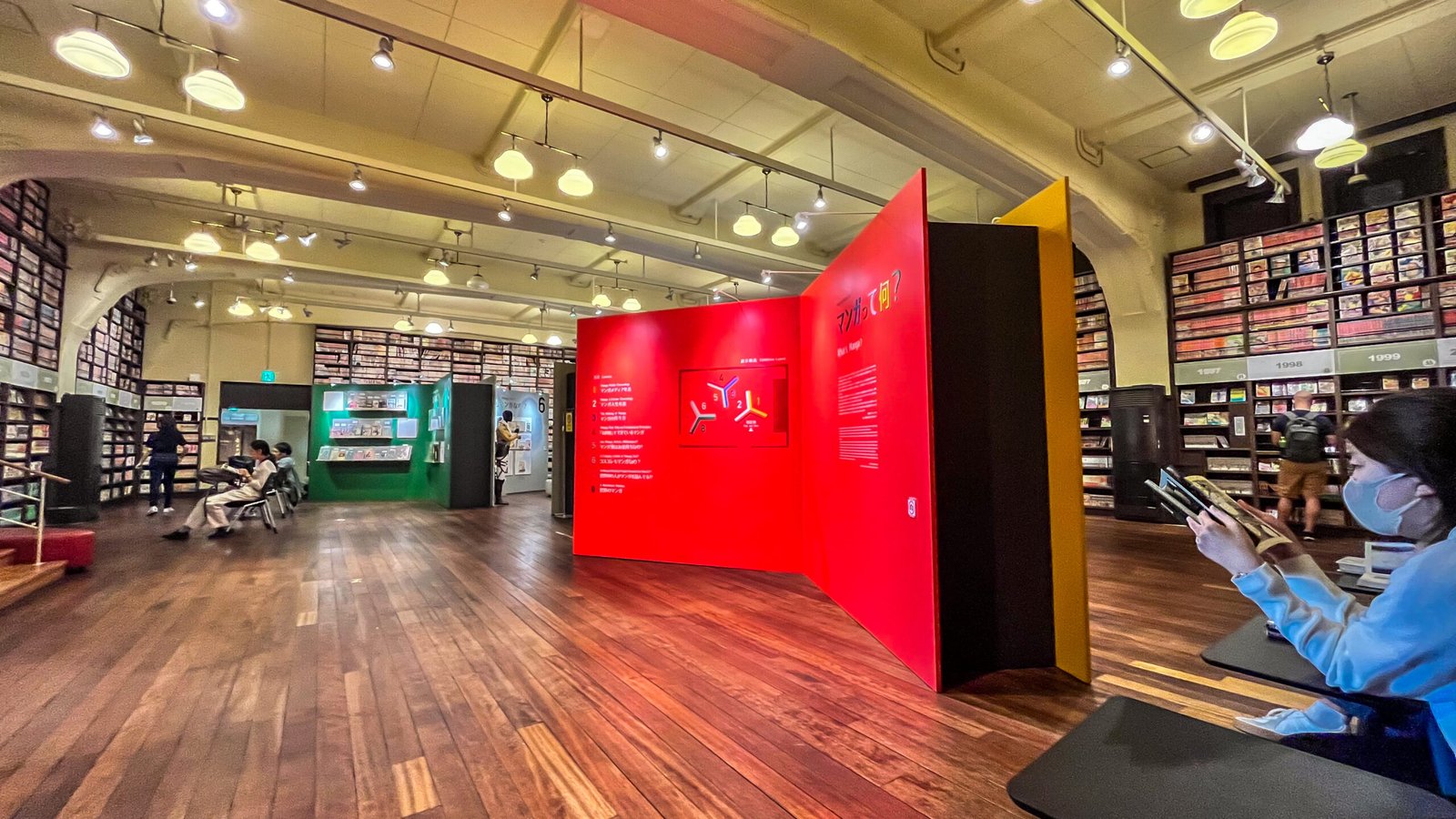
There, you can spend hours looking at some of the earliest forms of manga ever created. There are examples from centuries ago that are often described as predecessors of the format, but the works that really start to resemble modern manga appeared around the time of the war, sometimes clearly used as propaganda and recruitment tools.
And, with enough patience — because the collection is enormous — you can probably find almost any manga you have ever read or heard about. One important note: the books are mostly the original Japanese editions.
The museum does not try to be a repository of every manga ever published. There is a strong curatorial approach, so what you find there is mainly what actually mattered, influenced the industry, or helped shape the medium.
On the second floor, there are several themed rooms, and one of them I find particularly fascinating: the Hand Room.
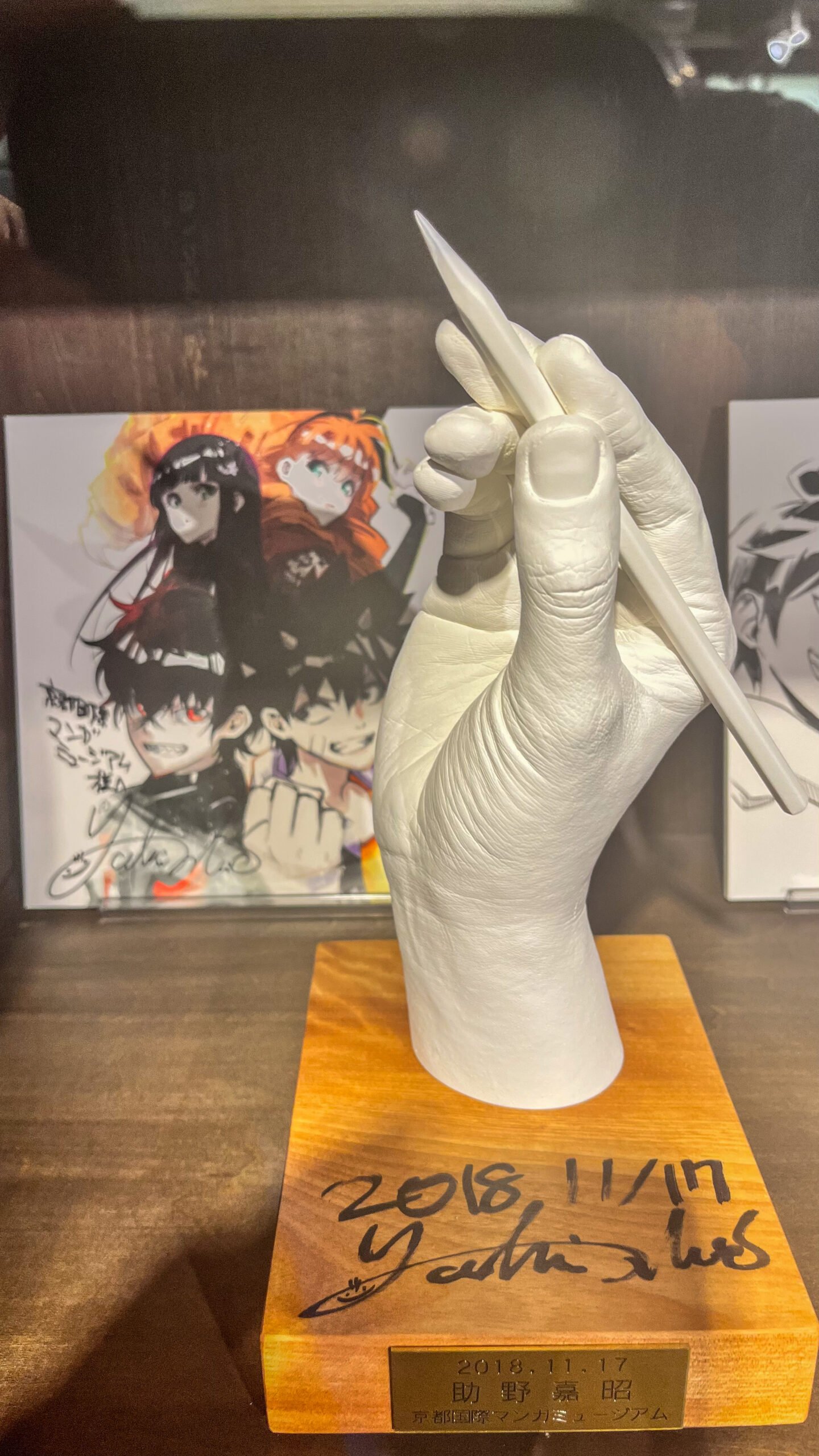
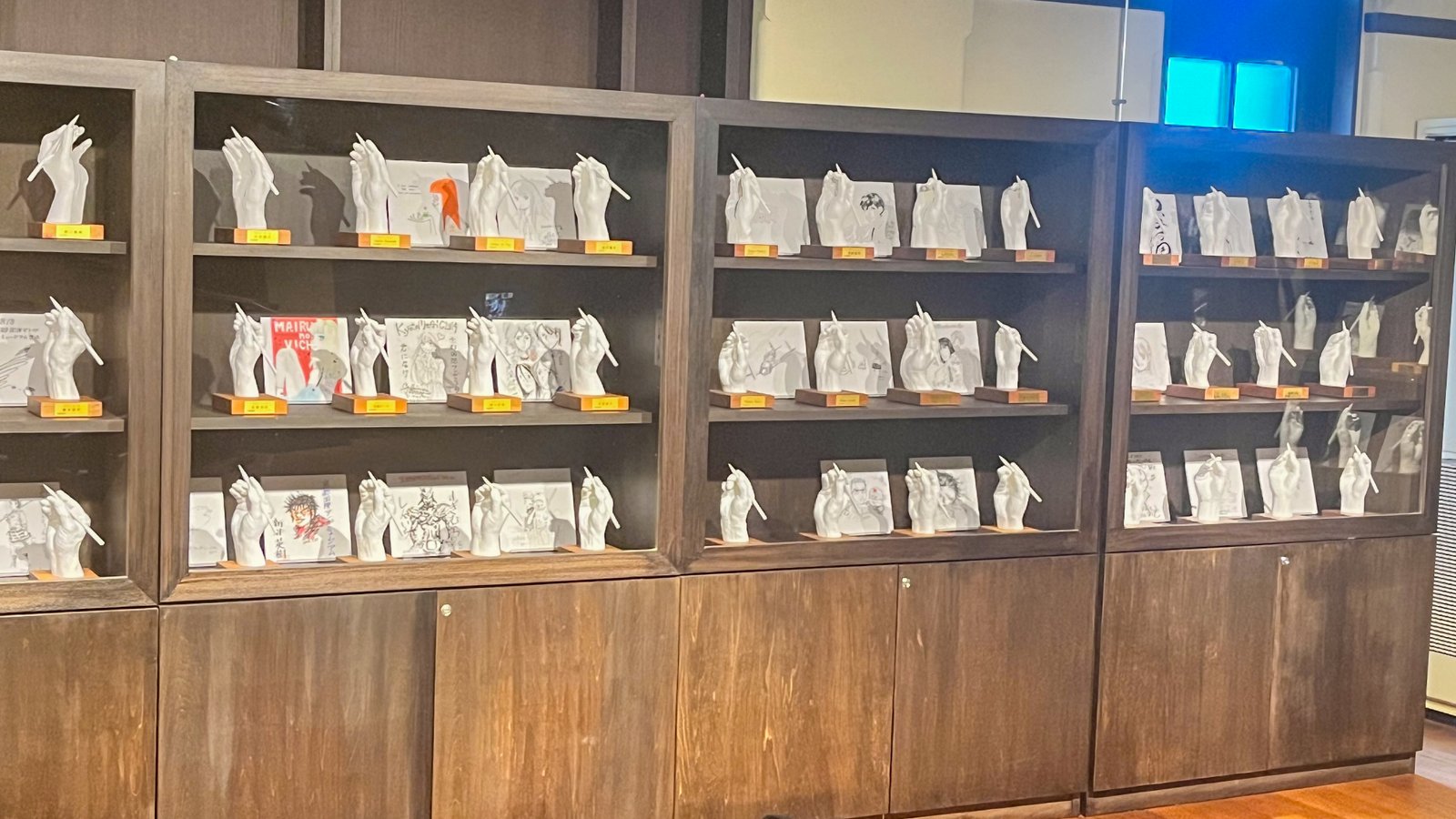
Along the walls, inside small niches protected by transparent doors, are casts of the hands of famous mangaka, each posed as if holding a pen. Next to each hand is an original signed drawing, usually of the artist’s best-known character or a work chosen by the artist.
It is most probably the very best place to study and understand the history of manga.
But there is another manga museum in Tokyo. And it is completely different. There, you will not find ancient manga or be taught the history of manga.
There, you feel it. It is the Tokiwaso Manga Museum.
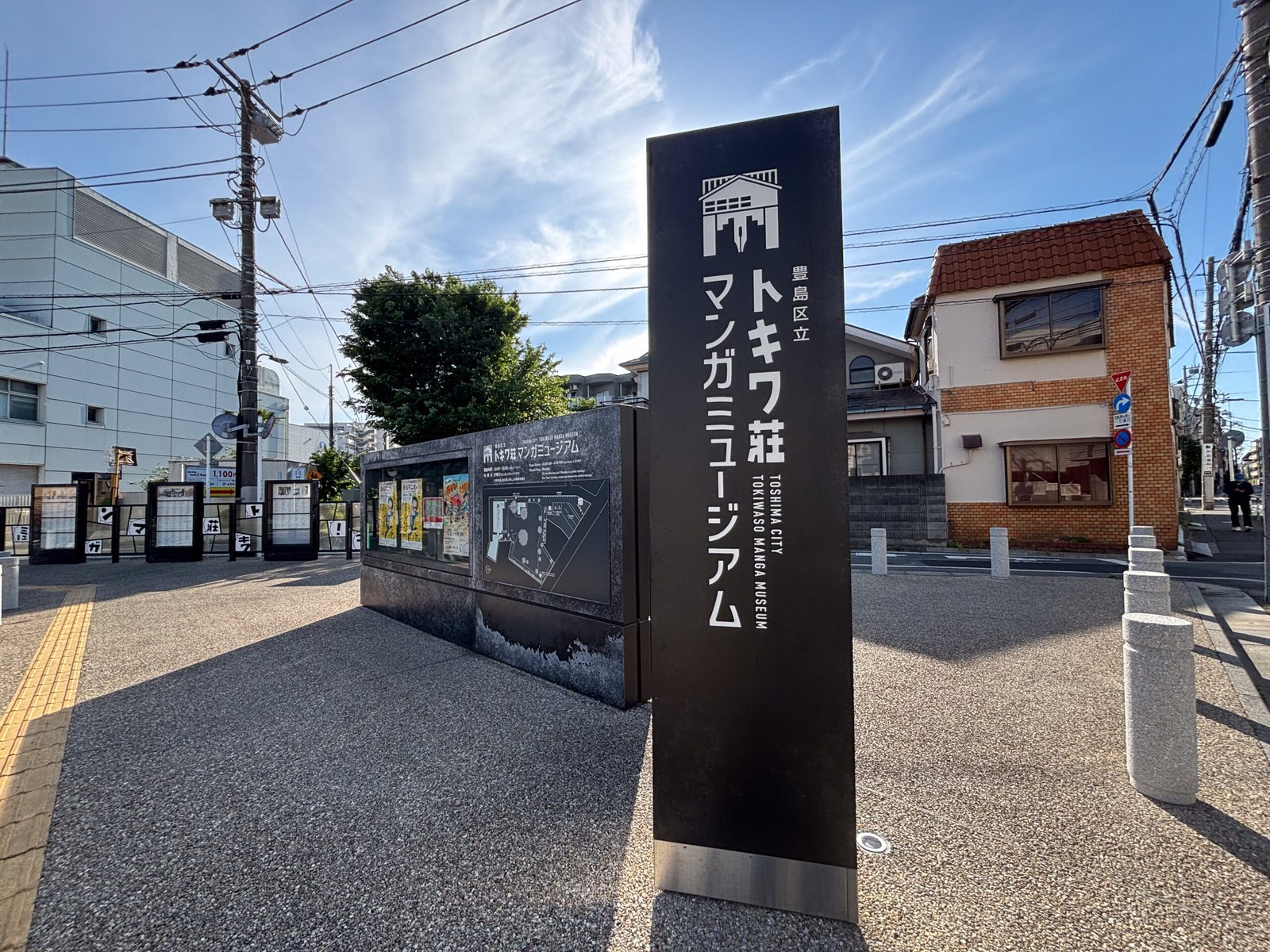
The museum was originally an apartment building — almost like a shared house and informal coworking space — where some of the young manga artists who would eventually transform comics into the cultural phenomenon they are today lived and worked.
One of the first great successes of modern manga, Astro Boy, was created there.
The building is located in what used to be a modest commercial neighborhood on the outskirts of Tokyo. It was a cheap place to live, surrounded by small local businesses. If I had to make a very loose comparison with Brazil, you could think of something like Glória in Rio de Janeiro or Brás in São Paulo — although visually and culturally it resembles neither. It is only a way of understanding the type of neighborhood it once was.
Tezuka Osamu — often called the God of Manga, creator of Astro Boy and Princess Knight — was the first major manga artist to live at Tokiwaso, moving there in 1952. About a year later, Terada Hiroo also moved into the building.
Over time, Tokiwaso became a gathering place for young manga artists arriving in Tokyo. Through friendship, rivalry, and constant exchange, they pushed each other forward and helped expand the possibilities of manga.
Future creators of Doraemon, Fujiko F. Fujio and Fujiko Fujio A, also lived there, along with Shōtarō Ishinomori and Fujio Akatsuka.
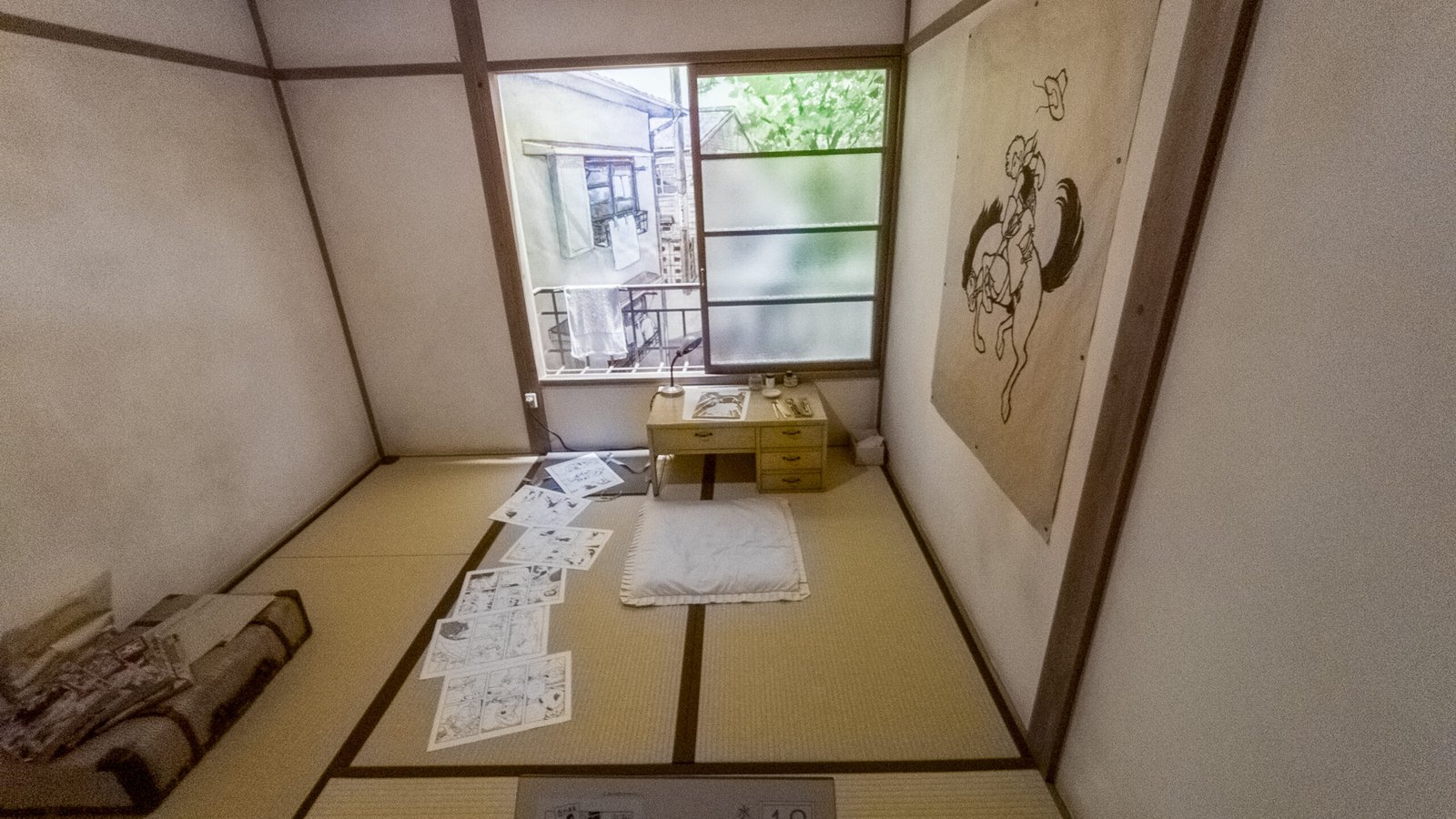
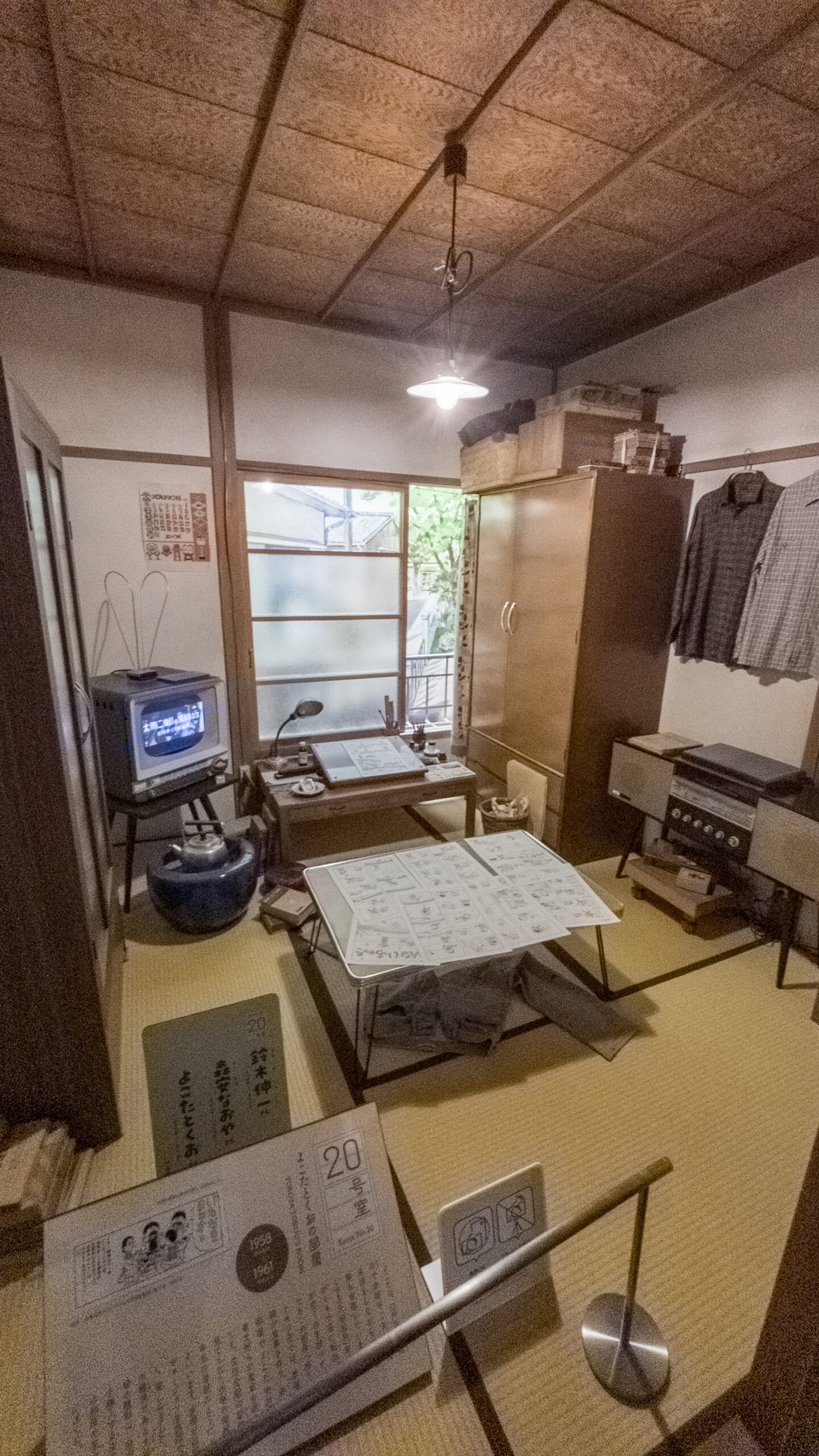
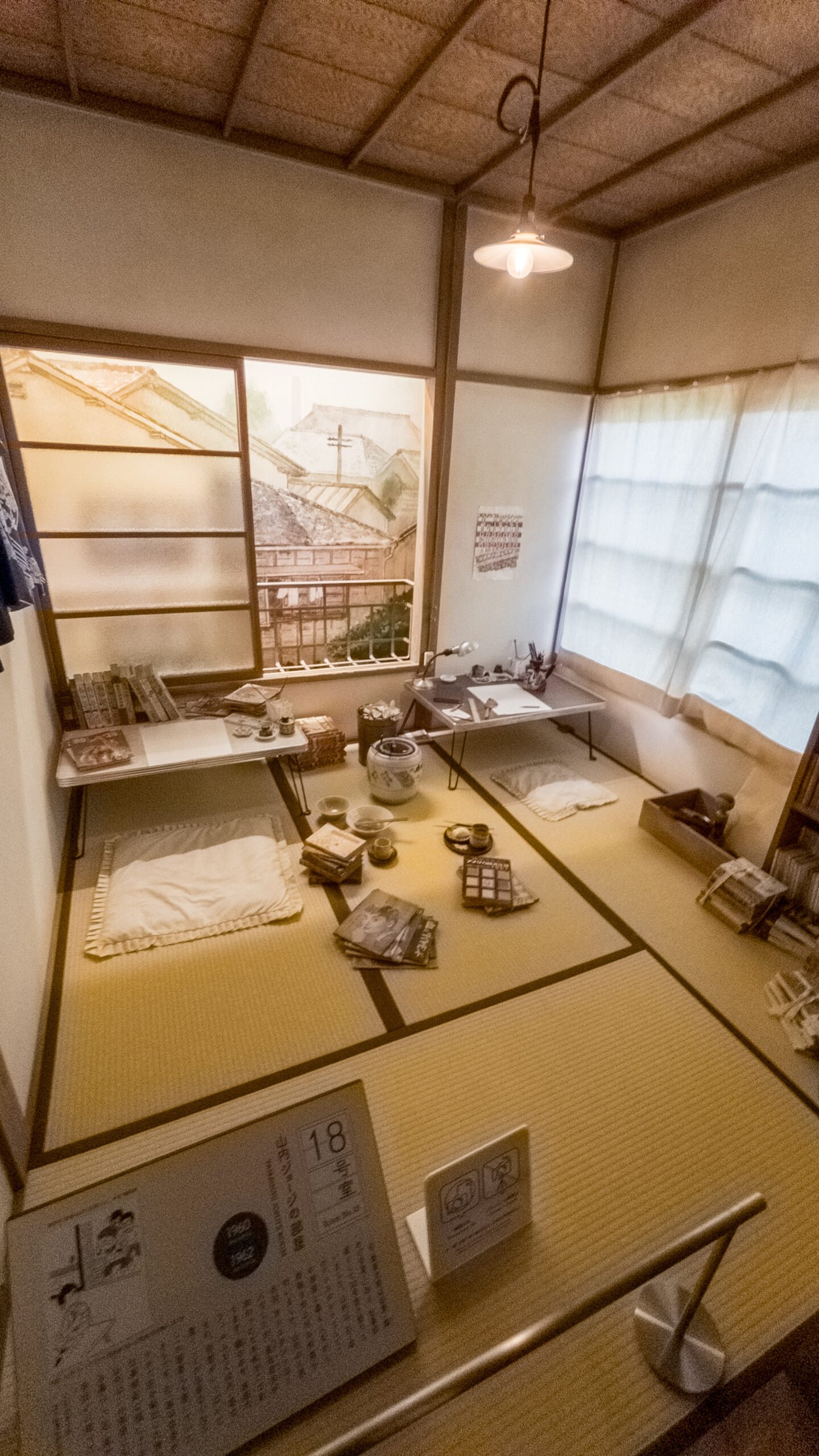
When you arrive, you are warmly welcomed by the attentive local staff. Everything is extremely organized and spotless.
Although the museum recommends booking a time slot, it is relatively easy to visit even if you show up. It is not a particularly crowded museum.
You leave your shoes in the entrance hall and begin exploring the place where those early manga artists lived and worked.
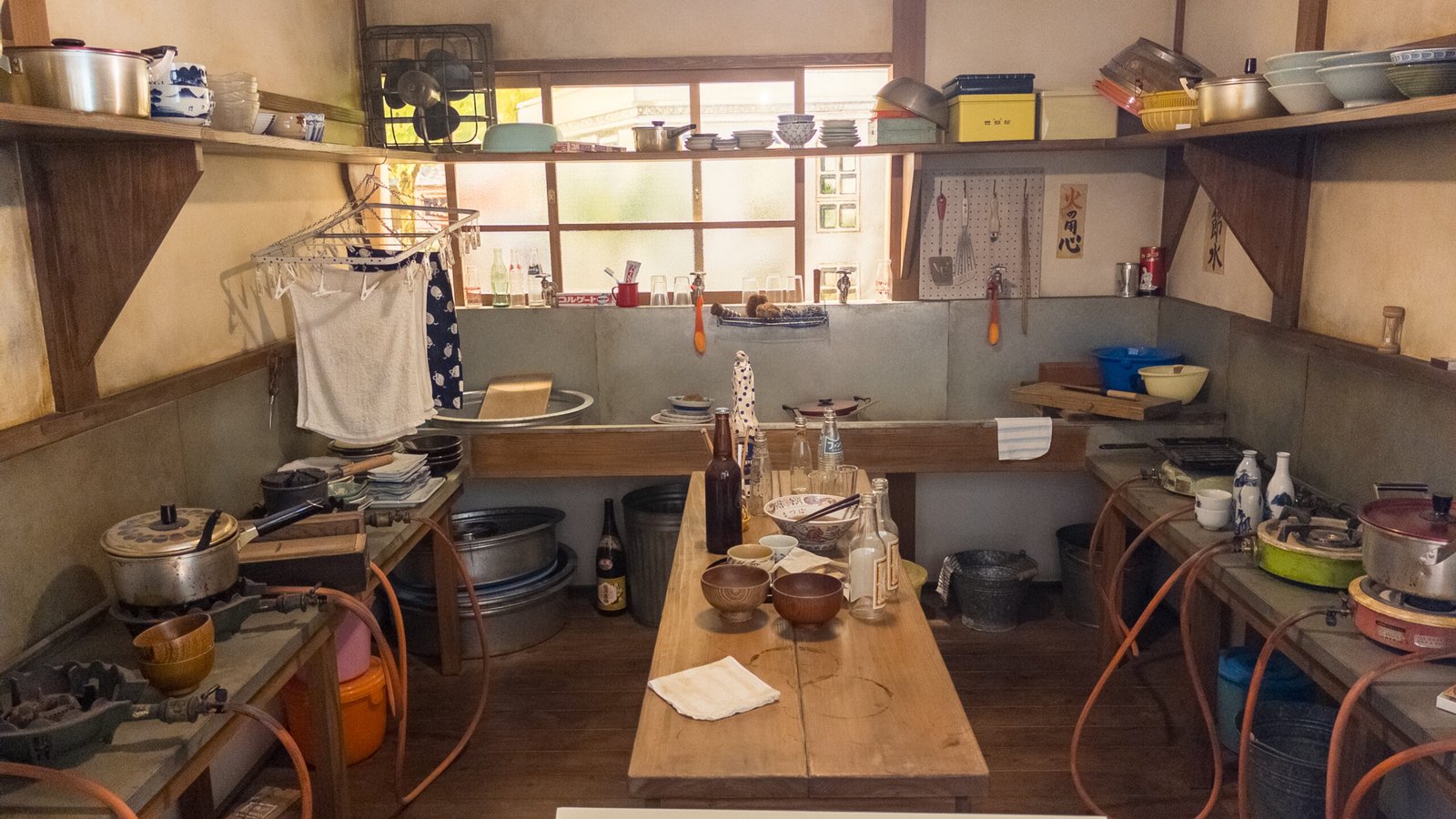
You can see the shared facilities, the communal bathroom, the communal kitchen, and the individual rooms of several artists, preserved to recreate how they looked at the time.
This is where they worked, slept, talked, read, and spent their days. You can see the low tables and floor cushions where some of the earliest manga that would eventually reach millions of readers were drawn — each artist alone in his own tiny room.
Before long, the entire neighborhood began to breathe manga. It became a small ecosystem of graphic artists, illustrators, assistants, and people working in related creative fields. The Tokiwaso Manga Museum is located in Minami-Nagasaki itself is a very pleasant neighborhood, especially if you enjoy quieter places and ordinary Japanese daily life.
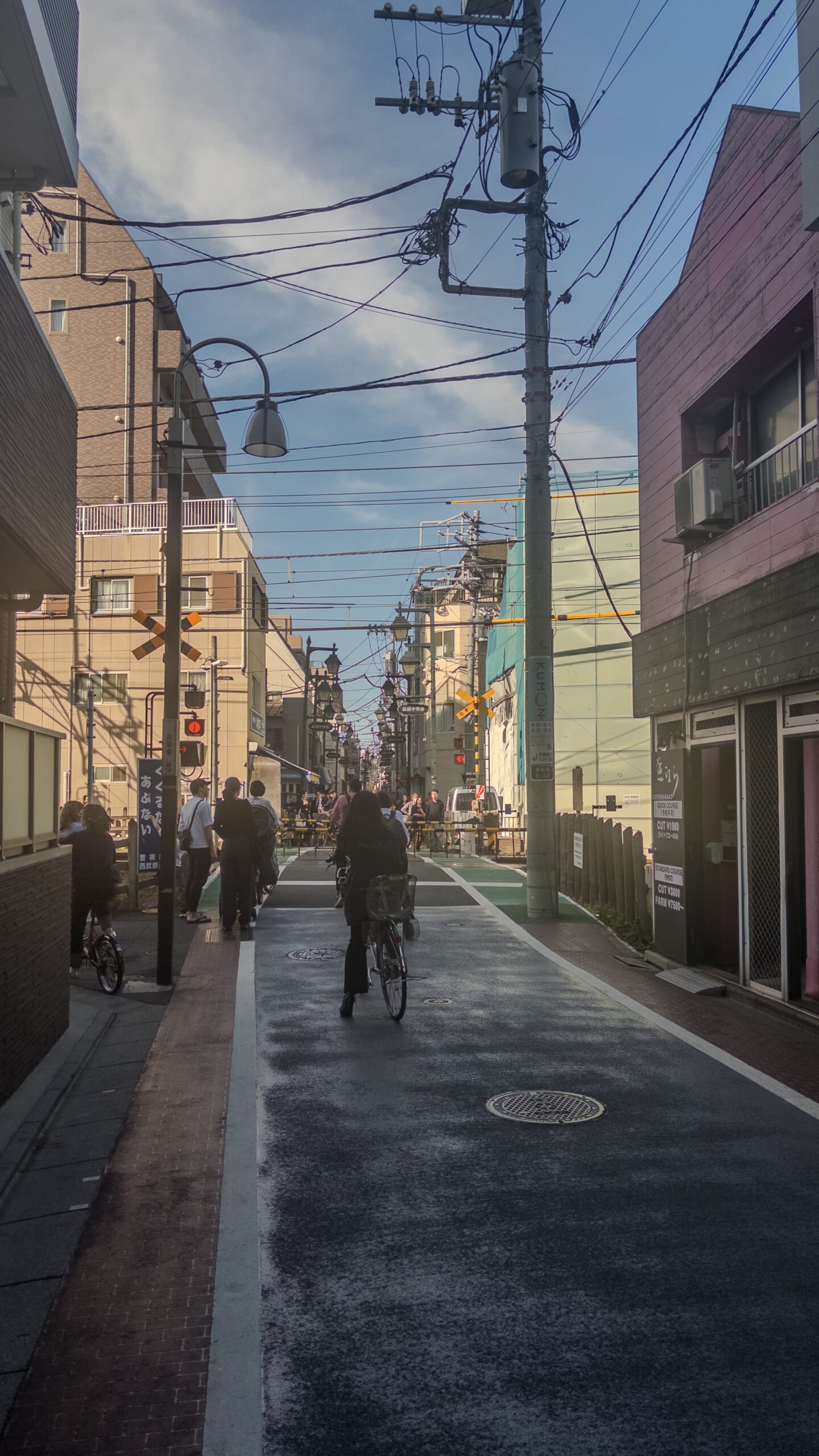
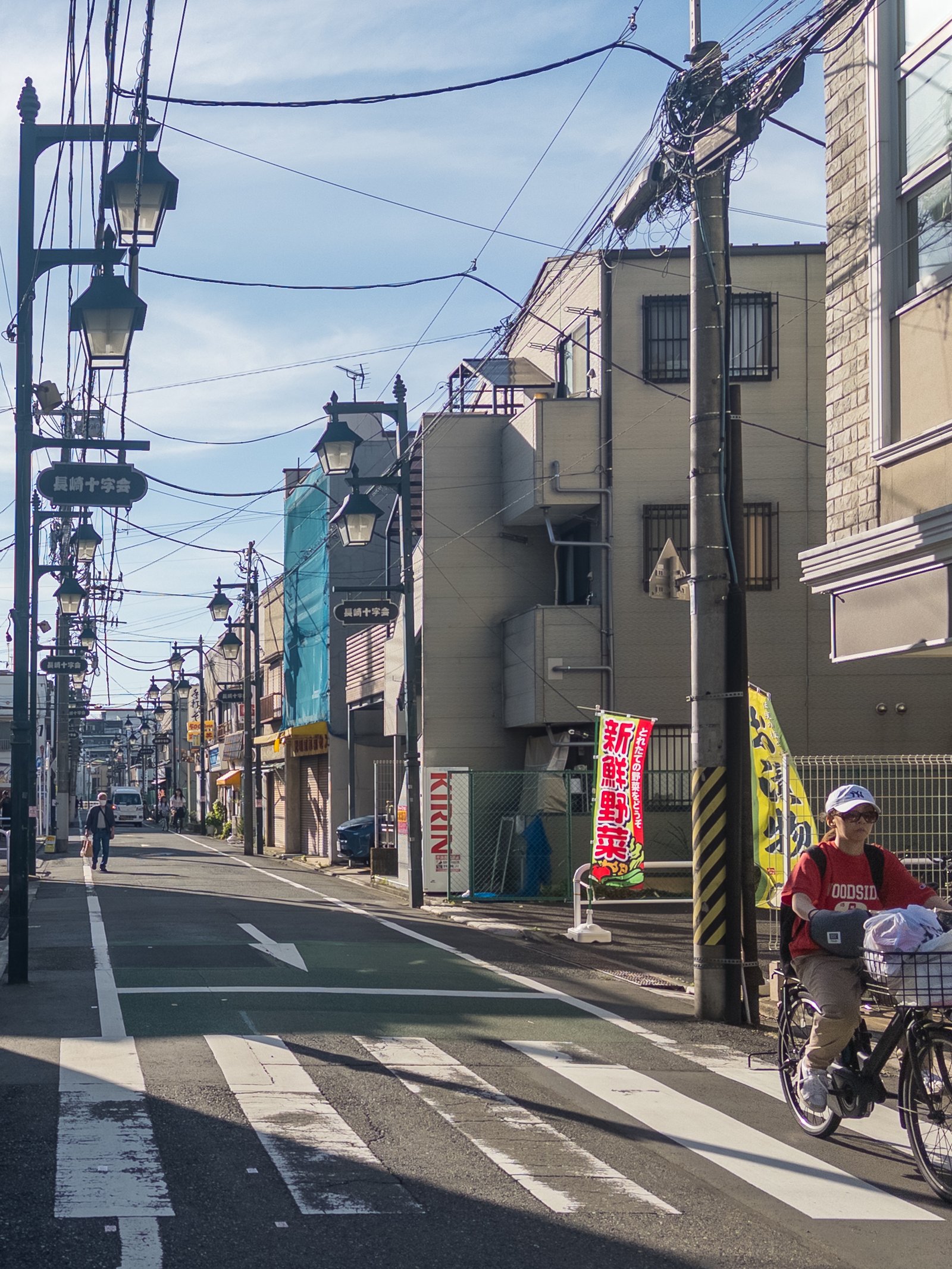
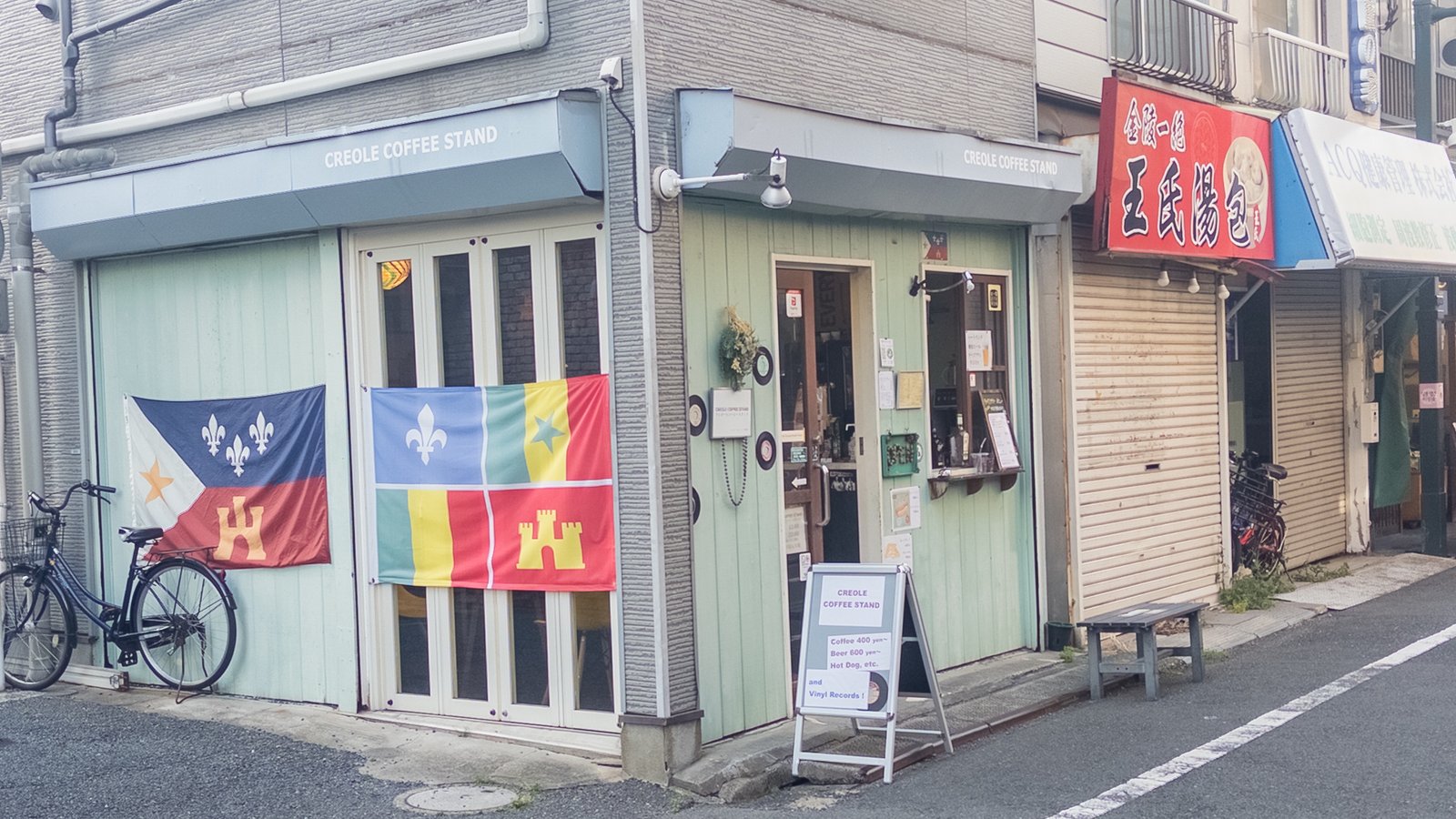
There are no giant screens or crowds like in Shibuya or Akihabara. It is mainly residential, with narrow streets, small shops and workshops, cafés, parks, and low-rise buildings.
You can easily spend another two hours simply wandering through the neighborhood, getting lost among its typically Japanese streets.
Then you can head back by subway or bus — the bus is probably the easiest option — and the ride toward central Tokyo follows a surprisingly interesting route.
Kyoto teaches you the history of manga.
Tokiwaso lets you stand inside it.
More info about related subjects: MANGA IMMERSION AT TOKIWA SO