First Encounters with Asia – Part III: Japan
I made this trip alone. Or at least I arrived alone. My colleagues would be arriving a few days later.
I went through immigration very quickly at Haneda Airport. Then I did what I usually do first: stopped for a coffee. There was an amazing coffee shop waiting for me, where I had a cappuccino and a chocolate croissant.
I went to the ATM to check my credit card.
Didn’t work. Panic!
I had left Brazil with enough money for the first few days, but made a mental note to call the bank manager and sort it out.
After getting lost for 15 minutes, with a lot of patient help from airport and train station staff, I managed to take the monorail toward Tokyo Station, after changing to the Yamanote Line, the circular line that encircles central Tokyo.
It was a quick trip, and I did not have much luggage. Just one medium-sized suitcase and a backpack, which helped a lot in those first moments. The whole ordeal of catching the train and reaching Tokyo Station with two wheeled suitcases would not have been easy.
Tokyo Station.
Unlike today, in 2014 there were not nearly as many signs in English, and Google Translate was nowhere near as effective as it is now. You could not simply point your camera at something and see the translation. Google Maps did not provide public transportation routes the way it does today either.
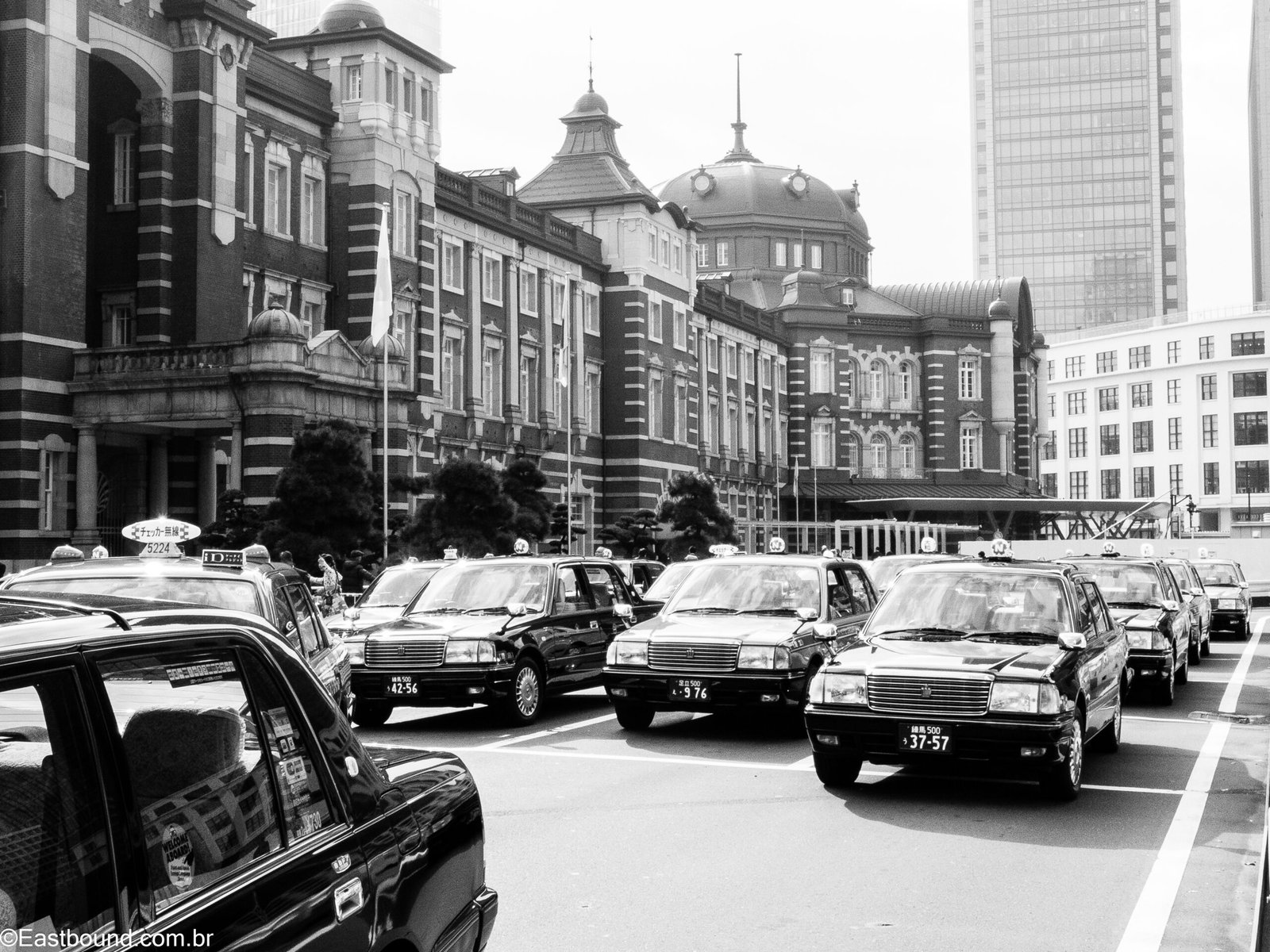
I chose a random exit. There was no chance I was going to figure out where the taxis were or which tube station was closest to the hotel. It was noon, I had been traveling for 30 hours, and I could not decide whether I was sleepier or hungrier. After climbing 4,356 steps, I finally reached street level and hailed a taxi. First note to new travelers: DON’T try to open the door! It opens automatically without you having to touch it.
I arrived at the 5-star hotel the company booked for me – The InterContinental Tokyo Bay, overlooking Tokyo Bay. That year, it was decorated with a Wonderland White Christmas theme and a fantastic golden folding screen about five meters wide.
My credit card was declined.
I immediately called the bank manager; this could not wait. But because of the time difference, she was already off work.
The hostess, seeing my panic, patiently and politely tried the card several times in several different machines. We spent something like 20 minutes doing this until, God knows why, it finally went through. At last, I could rest. I thanked her every time I crossed paths with her at reception over the following days.
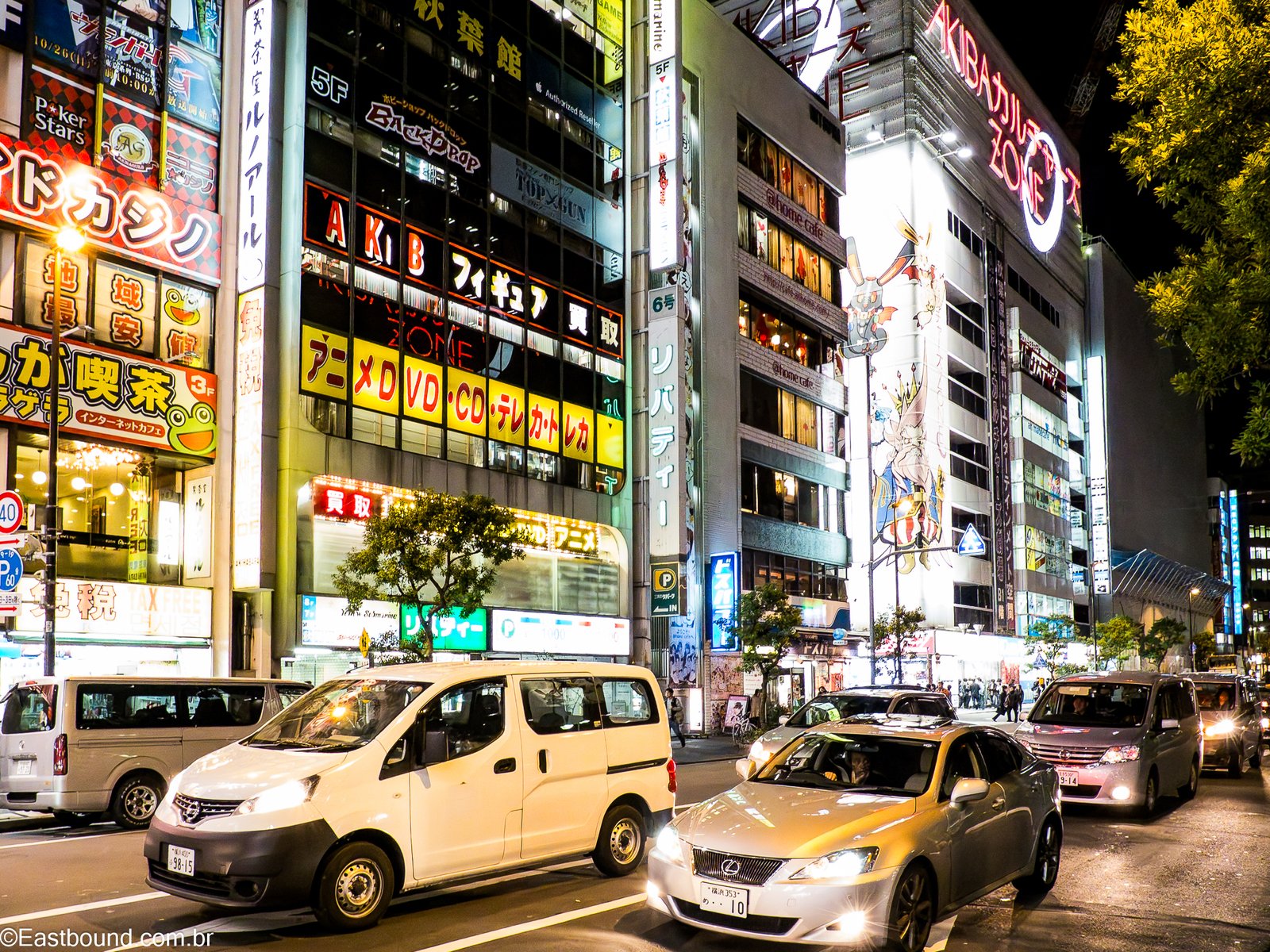
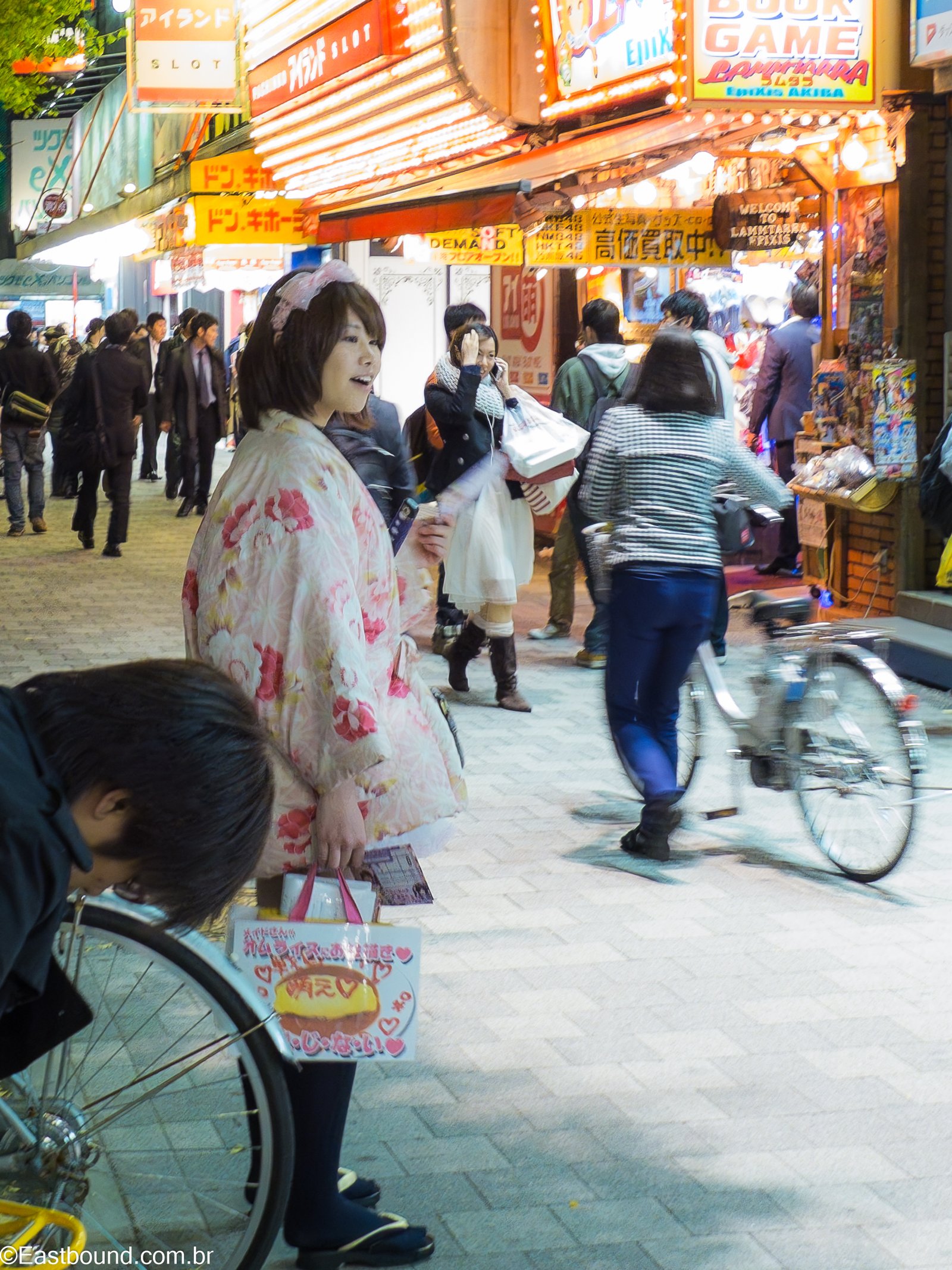
I slept. I do not remember whether or what I ate, but then I got ready to visit the first destination for any former nerd who always loved electronics gadgets, anime, and manga: Akihabara, the Electric Town.
And then happened to me what happens to everyone: the neon lights, the chaotic movement, girls dressed as anime characters inviting you into cafés, the endless action-figure shops, five-story manga bookstores, people walking without bumping into one another, pedestrians patiently waiting for the light to turn green… it all leaves you dumbfounded. You are thrown into the world of Cyberpunk 2077, into a futuristic science-fiction dystopia.
That is what makes writing about Japan so difficult: it is hard to describe in words. Photos from those first days follow below.
NOTE — At the end of the article, I have included a photographic itinerary of the places we visited, with practical information and additional images.
I reluctantly interrupted my wandering to have dinner.
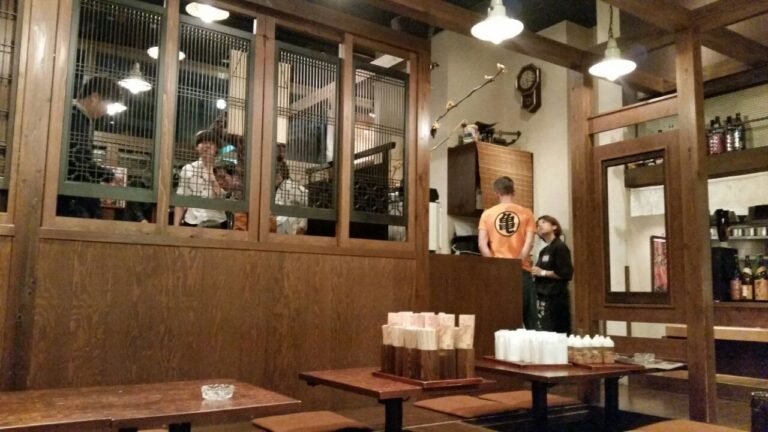
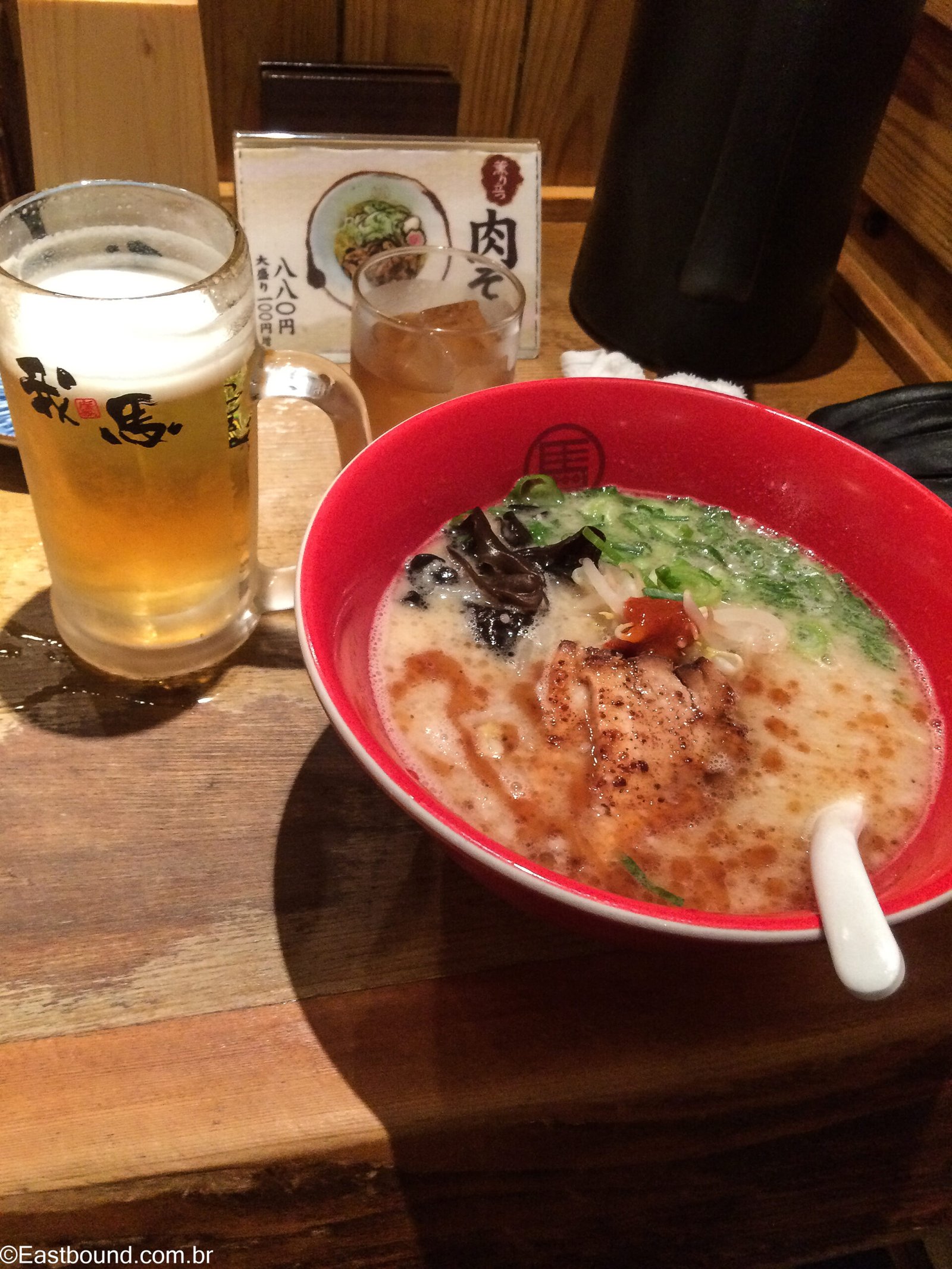
The first thing to know about Japan is that there are few enormous, spacious restaurants packed with tables like those commonly found in Brazil and Latin America. Most places are the famous izakayas, where the owner is usually the cook, waiter, cashier, and entertainer. If you want to see how a typical one works, watch Tokyo Midnight Dinner. I entered my first one.
The menu was entirely in Japanese, so I pointed to one of the names. The cook looked at me and began speaking Japanese as if I understood everything. That is one of their habits. They do their part.
I managed to understand that I had probably not made a good choice, so I accepted his recommendation. I ordered a draft beer as well. I did not know what I was eating, but it was delicious and smelled wonderful. To my surprise, the draft beer was also excellent and ice-cold.
First day completed. I returned to the hotel happy, not sleepy, but tired enough to sleep.
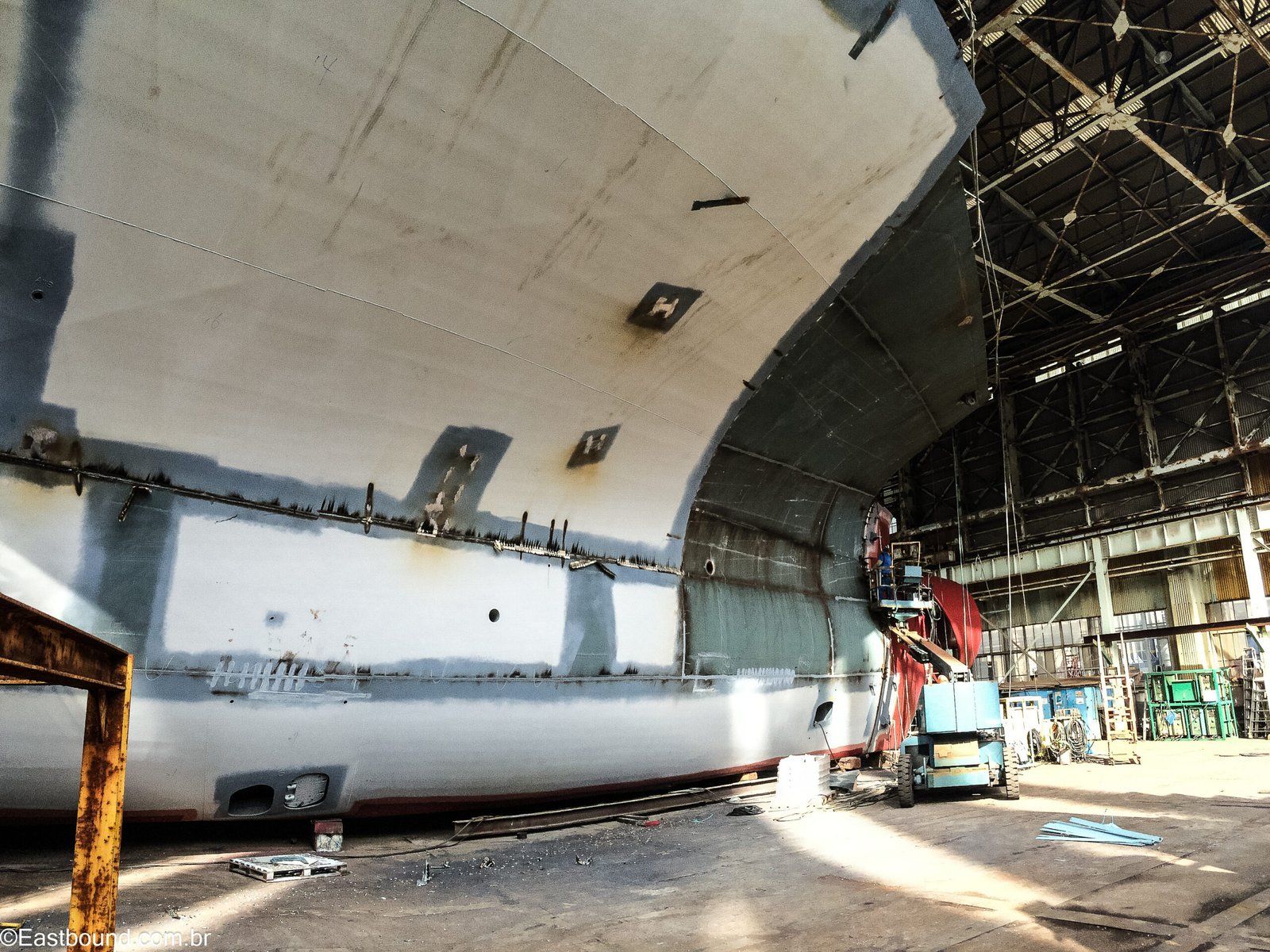
Second day: work. I caught a flight to Hiroshima to begin a visit to the IHI shipyard. It was an old facility that had existed before World War II and survived it.
We were received by the managing director and a small technical team. In the reception room, there was a quick exchange of business cards and introductions.
Today, knowing how much importance the Japanese give to this small ritual, I realize that I behaved like a Neanderthal. I followed Brazilian practice and placed one card on the table in front of each person. Then each of them stood up, introduced himself, handed me his card with both hands, and bowed at the end. I took each card and stacked them in front of me instead of treating them with the proper respect.
We started with the visit.
The greatest difference from what I had seen until then was the exceptional organization. The shipyard was much smaller than the Korean and Chinese ones, but they managed to work on enormous sections under cover and move them around inside that confined space—I have no idea how. It was a cramped shipyard, packed with ships under construction, yet there was no rushing and no parts scattered across the floor. I have rarely seen that degree of order and silence in an industrial plant.
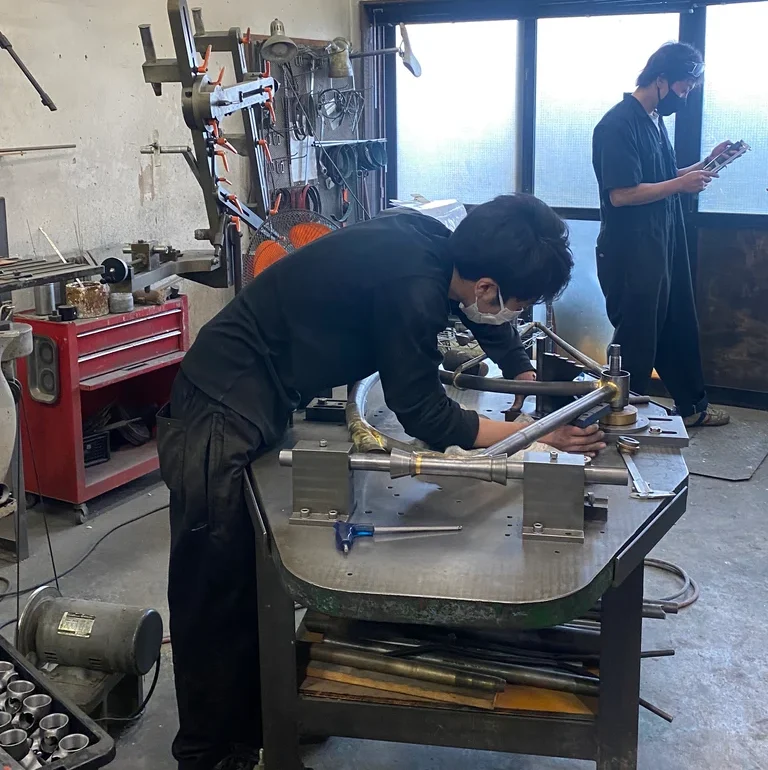
There was no intensive automation like that found in the Korean yards, but the process was extremely well organized in terms of flow. Every worker carried a tablet that provided access to the work order, applicable standards, the 3D model, and messages to the supervisor. There was a great deal of robotization, but not the heavy industrial kind. Instead, there were small in-house automations designed to improve repeatability and control in critical stages such as the three-dimensional bending of thick steel plates.
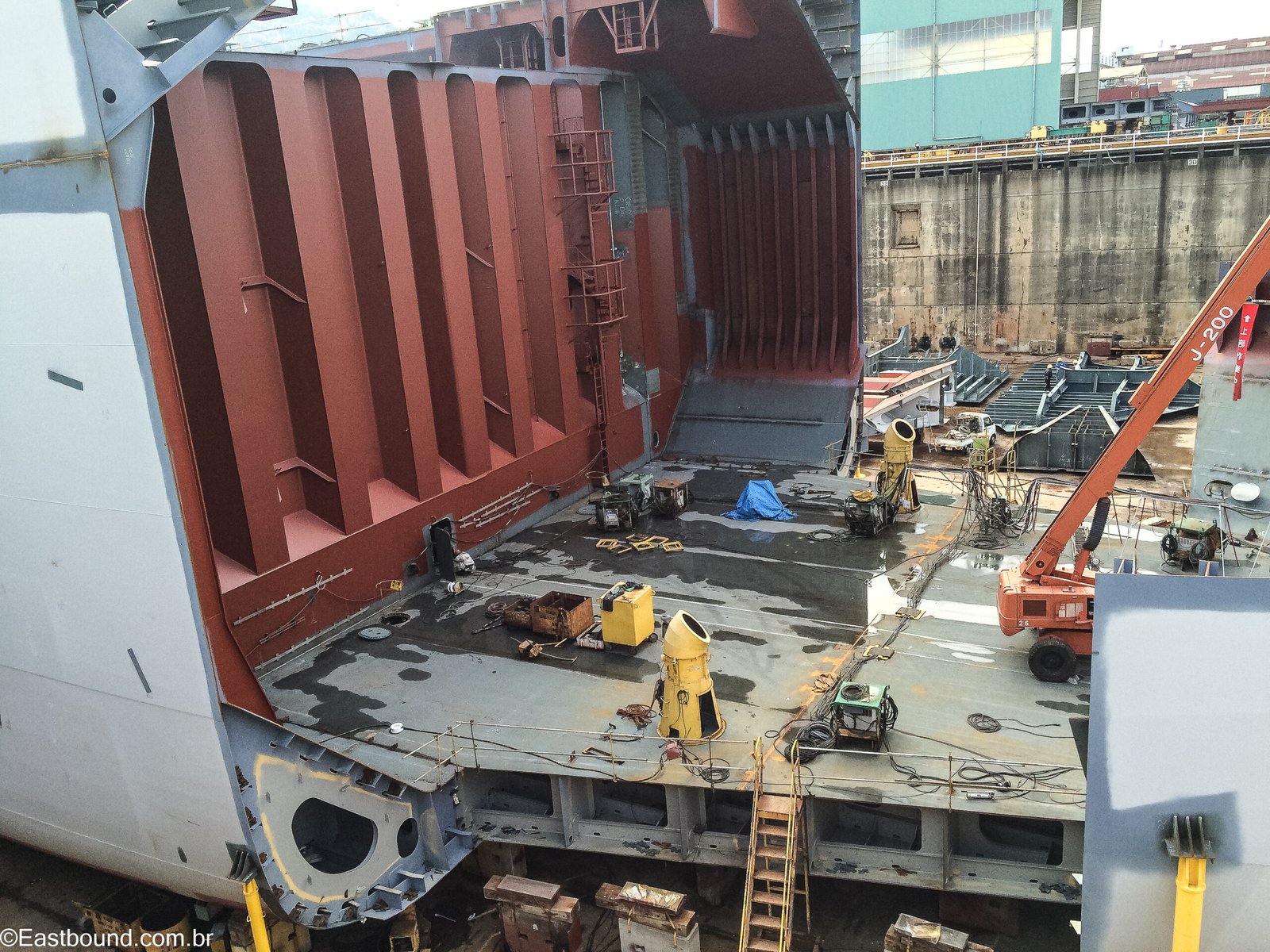
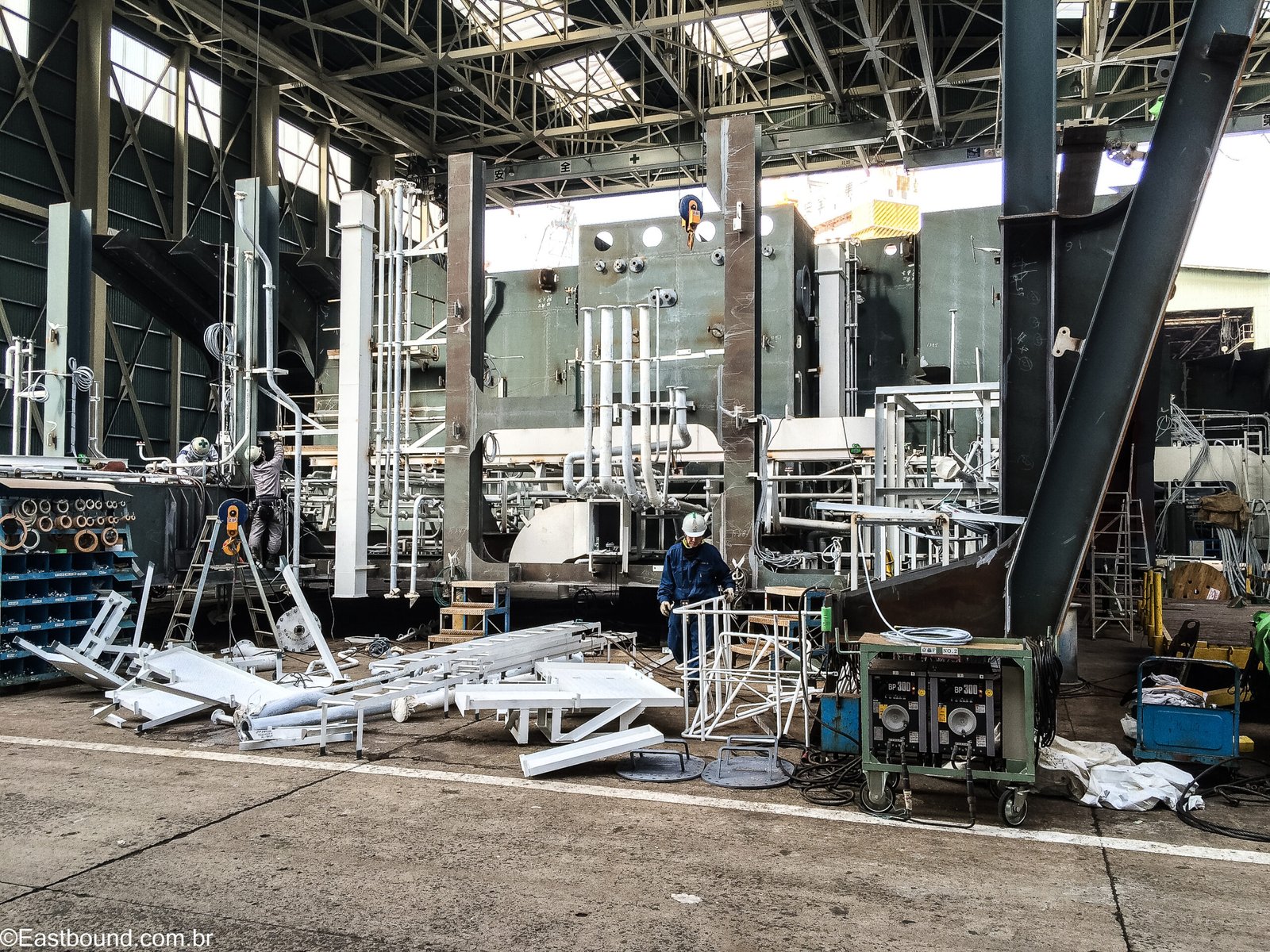
After the visit, we went for a walk around Hiroshima and visited its best-known landmarks: Ground Zero and the Atomic Bomb Memorial.
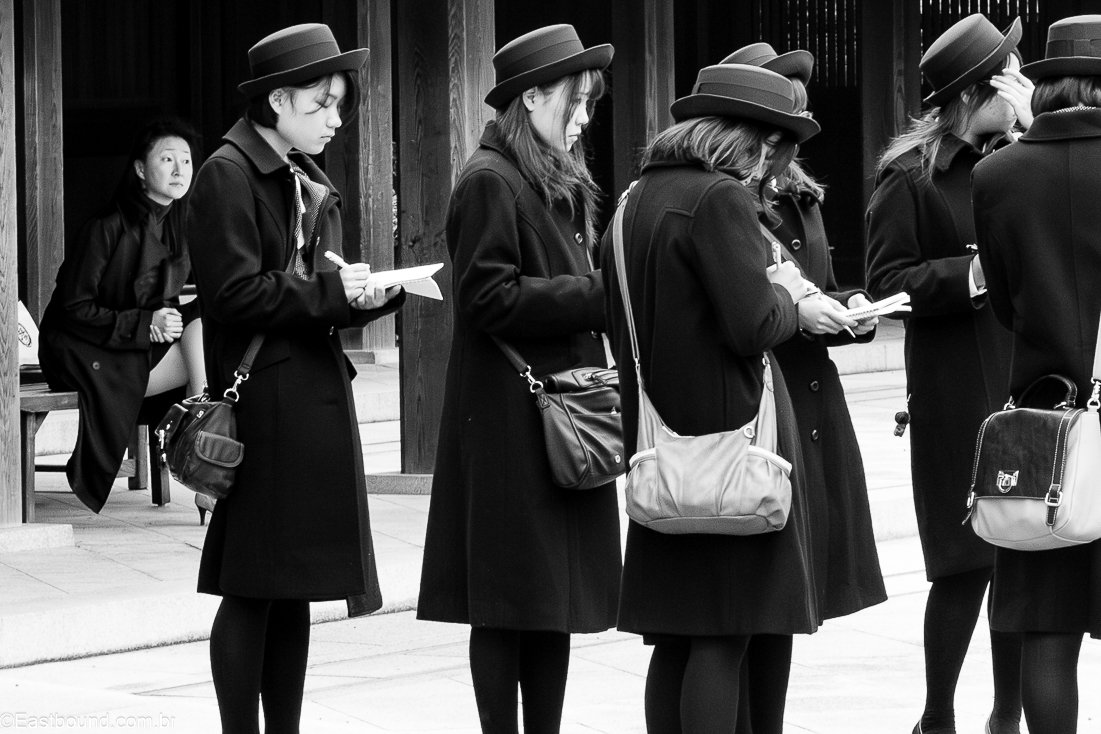
Hiroshima is a calm city, with broad spaces for walking. And I believe it was some kind of school holiday because there were hundreds of student groups from different parts of Japan. The entire future generation of Japanese people passed around us in the space of a single day.
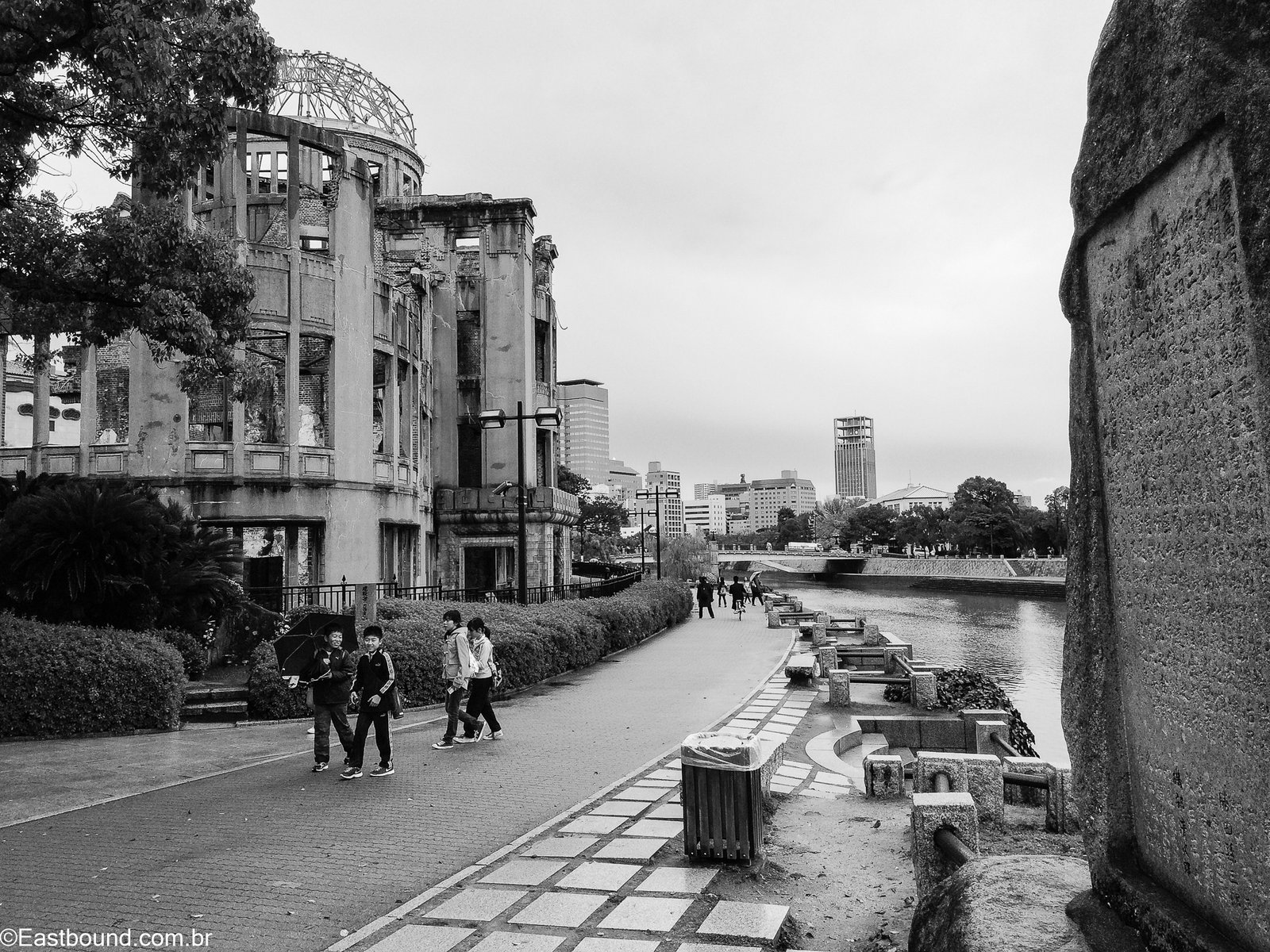
My impression was that the city had never managed to detach itself from the trauma of the bomb. Its identity and cultural life remain closely tied to that event even today. Later, I visited Nagasaki, where the bomb is treated quite differently. Yet the atmosphere in Hiroshima is light. It is a dynamic city, but it still has the feeling of a small provincial town.
Back in Tokyo, now with company, we put together a quick sightseeing circuit. We began with the major temples and shrines.
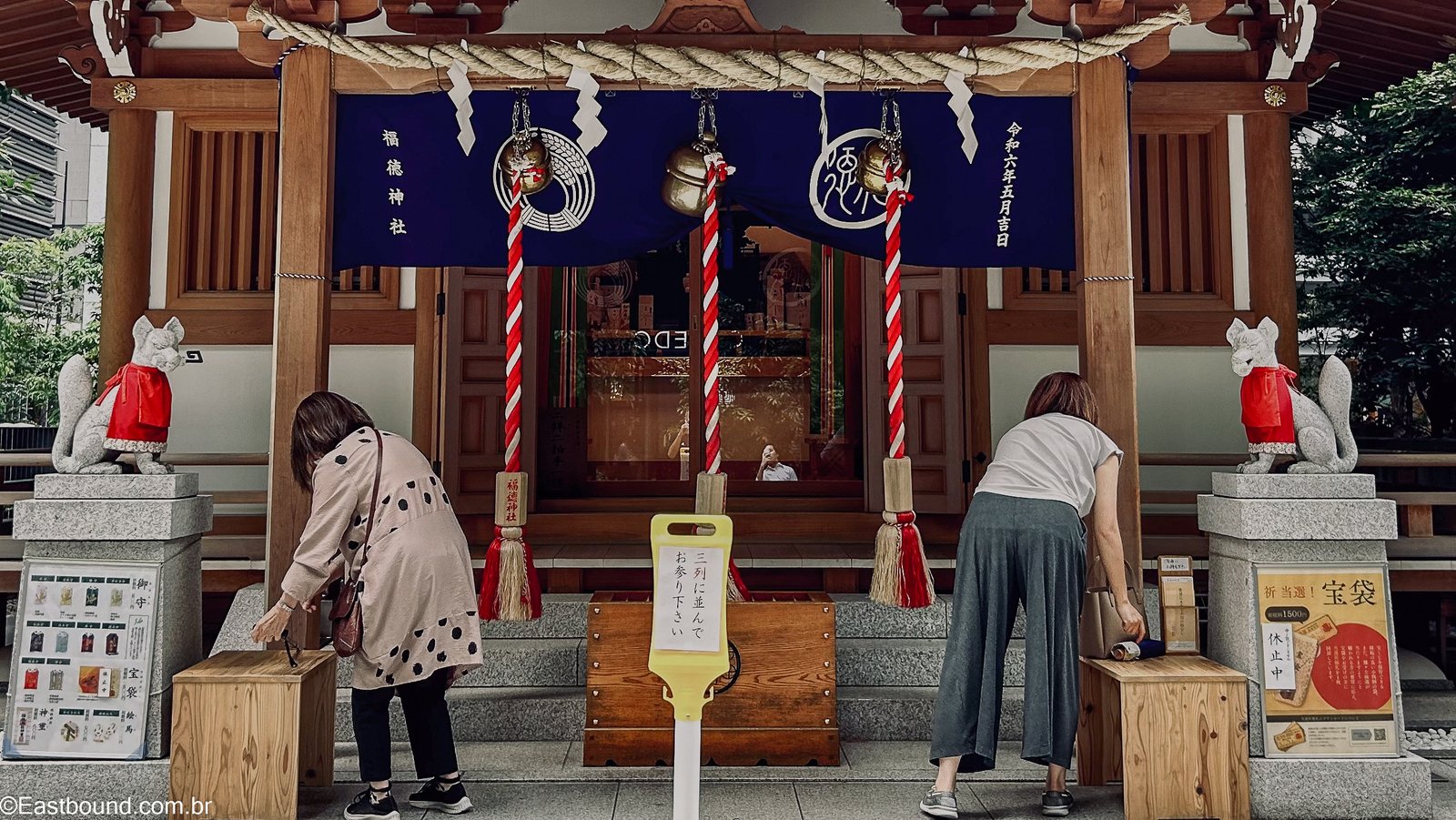
Tokyo has an endless number of them, some Buddhist and some Shinto.
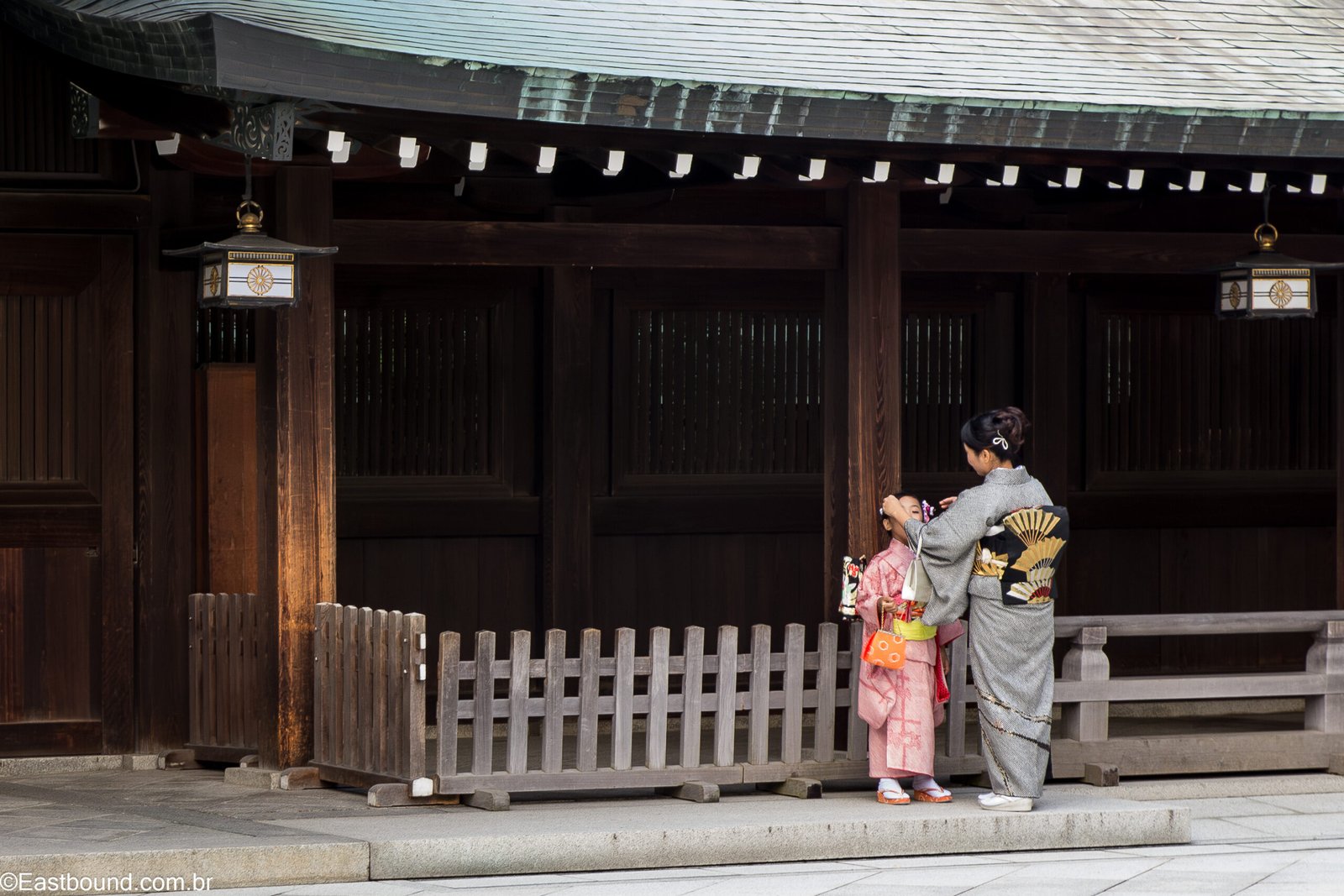
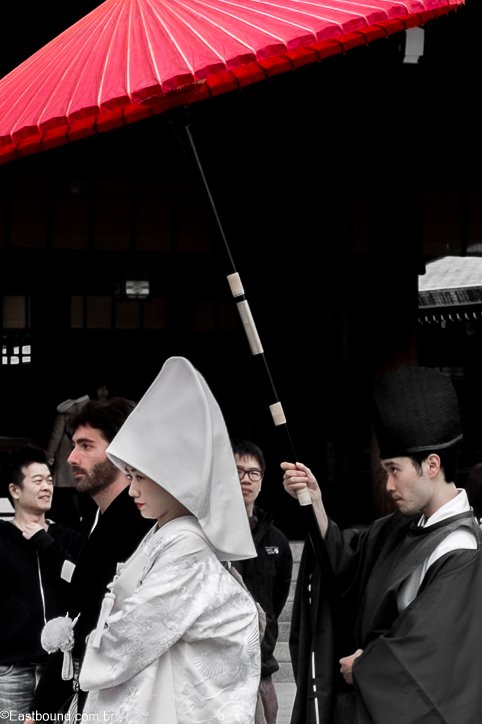
Generally speaking, Shinto shrines have a large gate and a more austere appearance, with bare wood and gold details. Buddhist temples—except Zen temples—tend to be colorful, have vending machines, charge admission, and sell souvenirs. Buddhist monks dress more discreetly, while Shinto priests wear more elaborate robes.
Shinto is Japan’s indigenous religion and exists only there; in Western terms, the closest parallel would be shamanism. Japan’s creation legends, its gods (kami), and its demons (yōkai) are all part of Shinto.
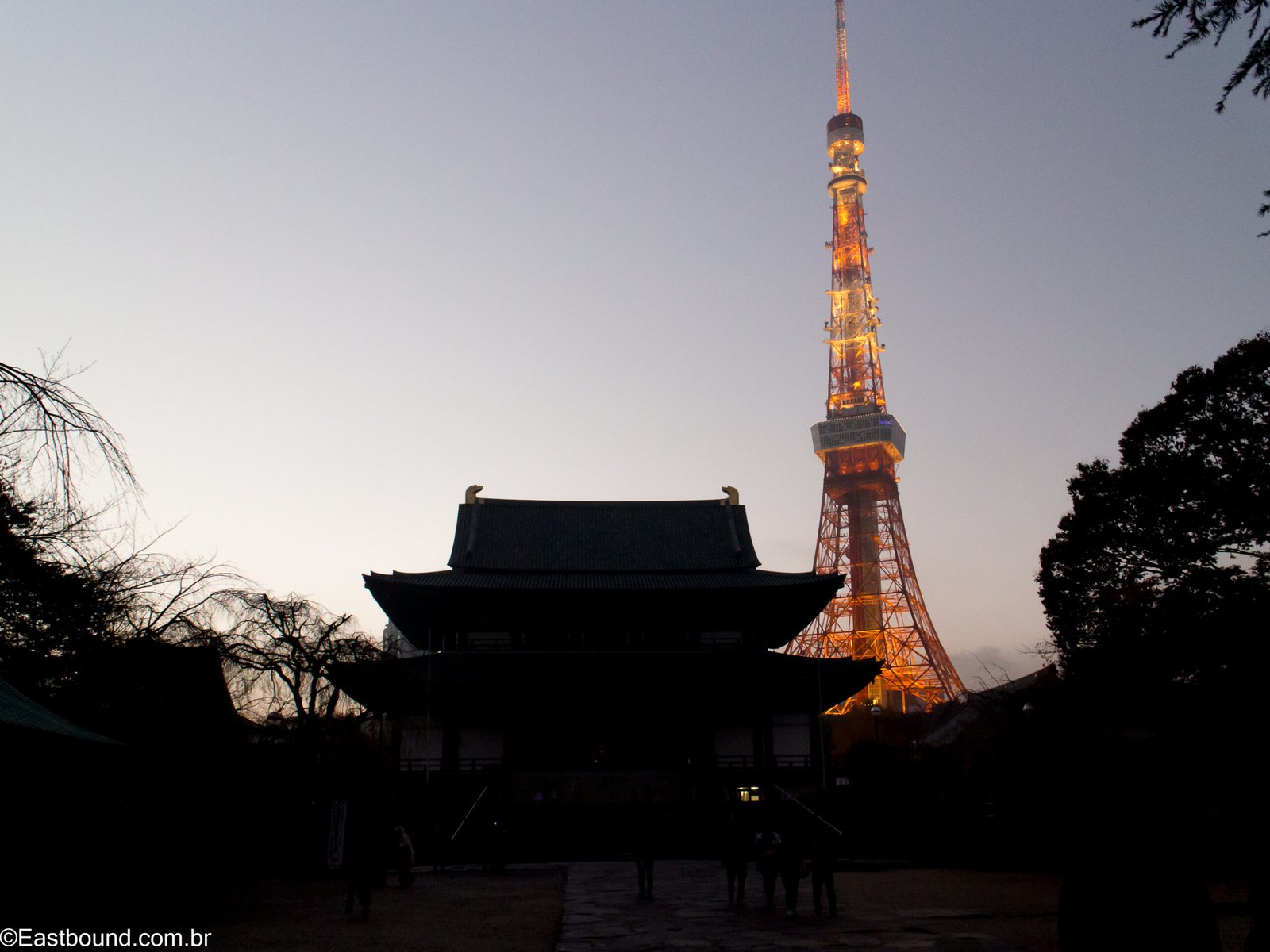
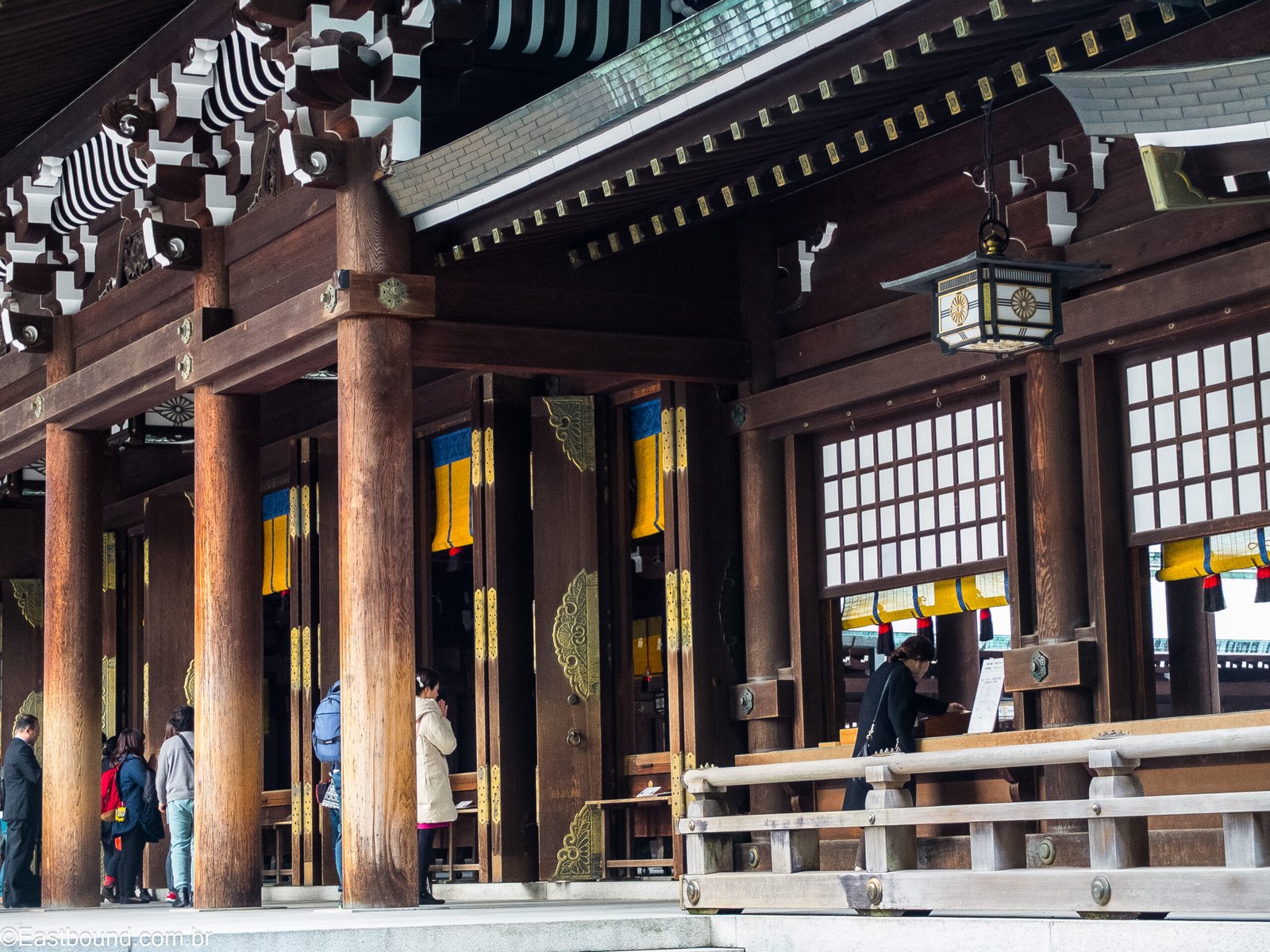
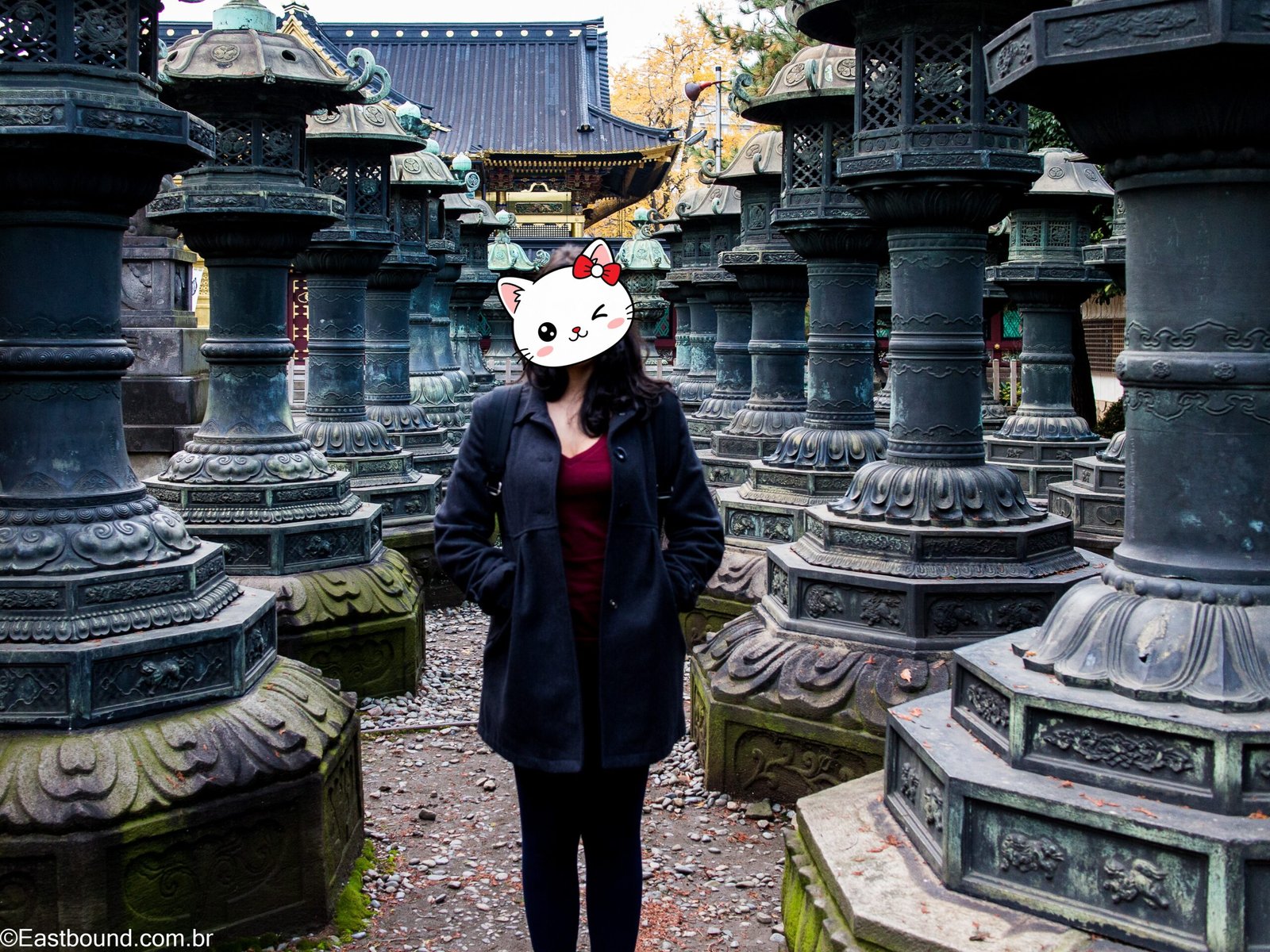
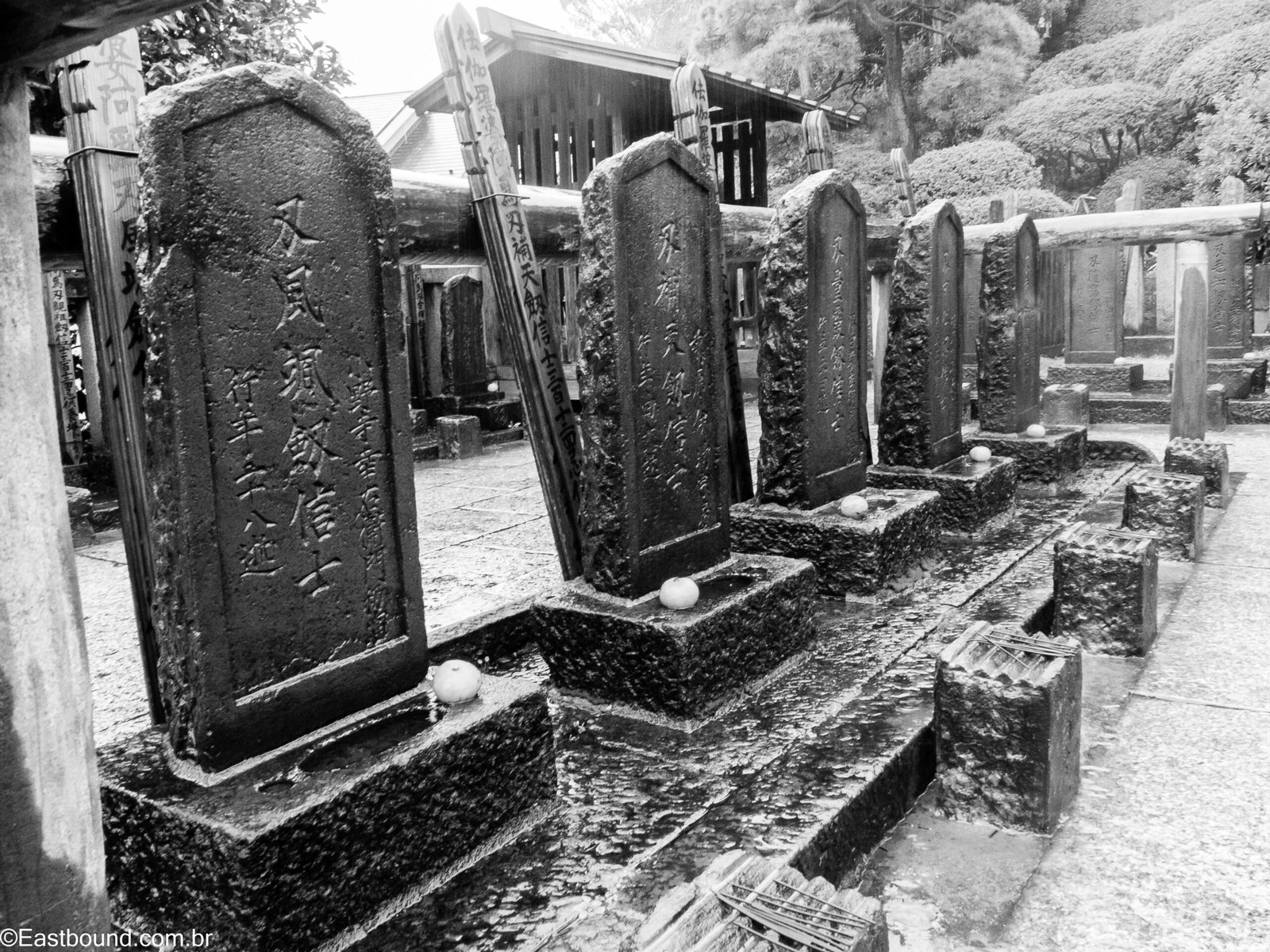
Four places in Tokyo stand out: Sensō-ji, Meiji Jingū, Zōjō-ji, and Ueno Tōshō-gū—Buddhist, Shinto, Buddhist, and Shinto, respectively.
When I visited them, Tokyo delivered exactly the Japan I had expected. Sensō-ji was a cacophony of colors, incense, bows, and commerce. Meiji Jingū offered the absolute opposite: bare wood, silence, and an austerity that seemed to absorb the noise of the city. At Zōjō-ji, with Tokyo Tower in the background, I found a warmer, more intimate space suited to contemplation. What stayed with me at Ueno Tōshō-gū were the corridors of bronze lanterns; at Sengaku-ji, visited in the rain, it was the presence of the graves of the 47 rōnin (the same ones of the Keanu Reeves movie)
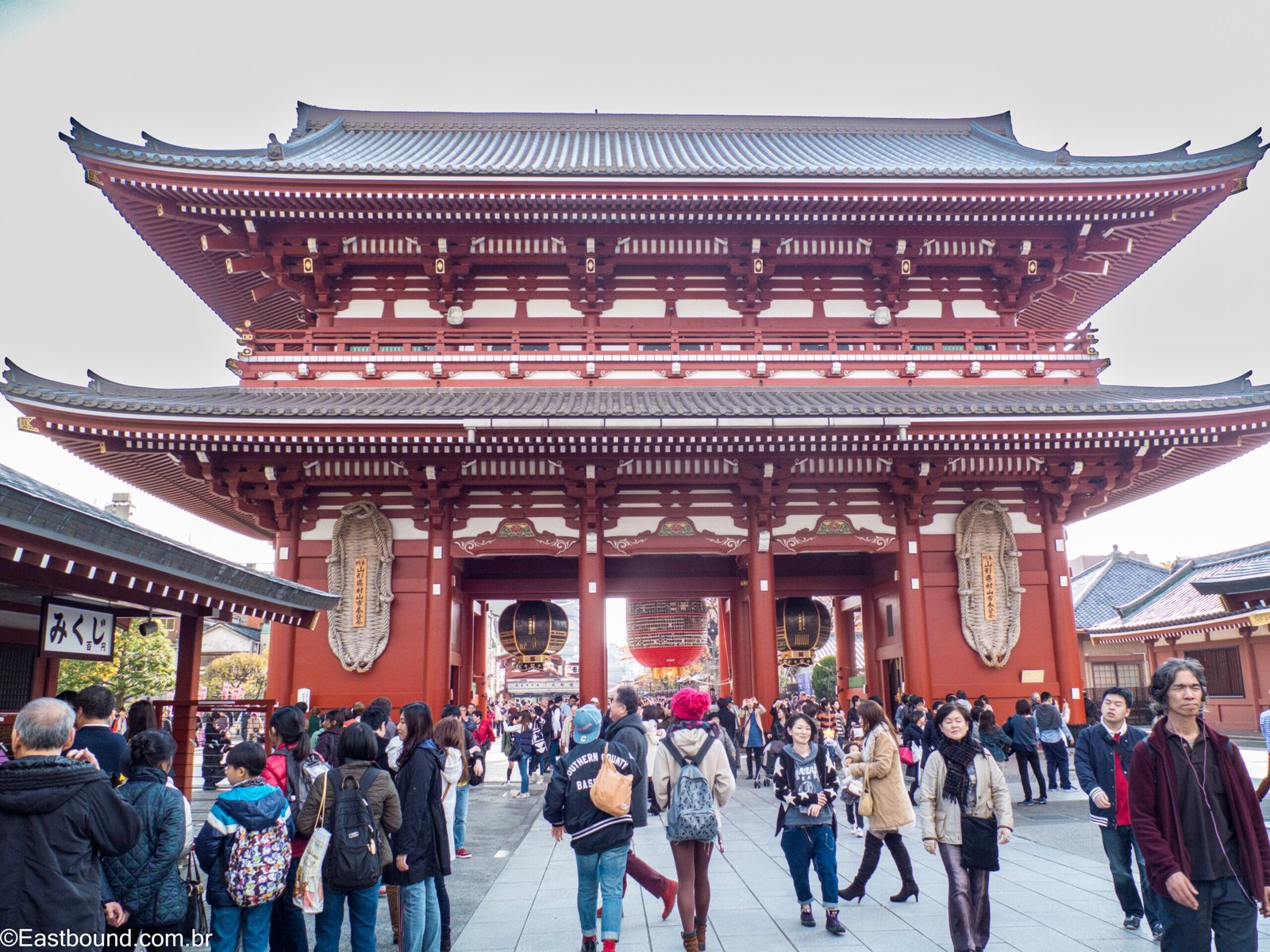
The first few days left me completely overwhelmed by the atmosphere, the architecture, and the modernity. Once that initial shock had passed, we began to notice the details.
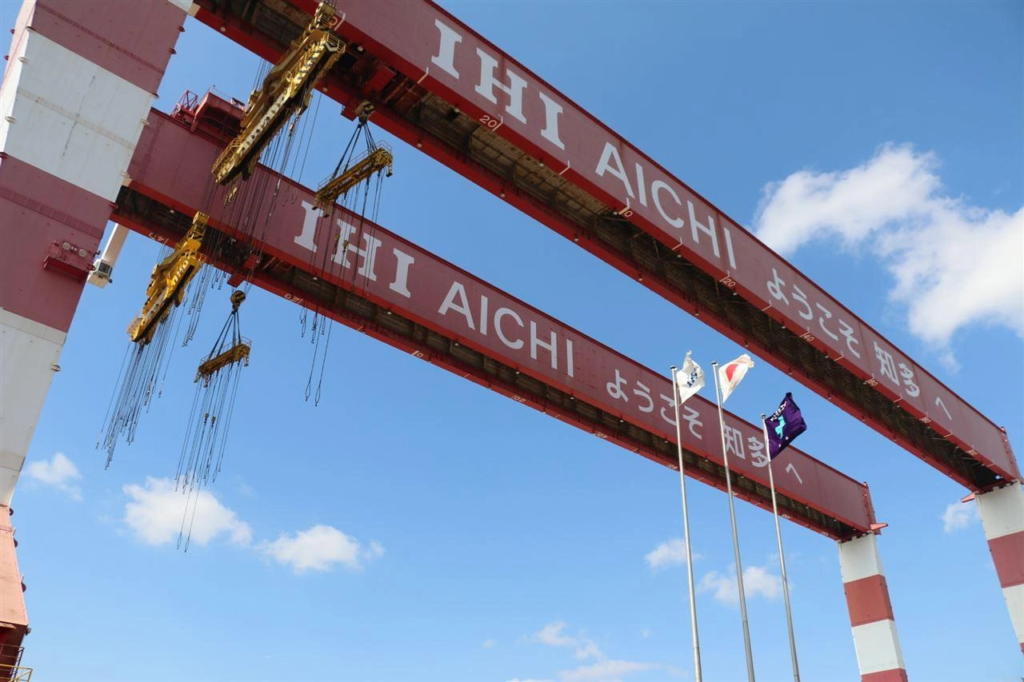
On the fourth day, we visited another shipyard: another IHI facility in Aichi, near Nagoya—the IHI Aichi Works, formerly Chita Works. I arrived by Shinkansen, the bullet train, the previous evening.
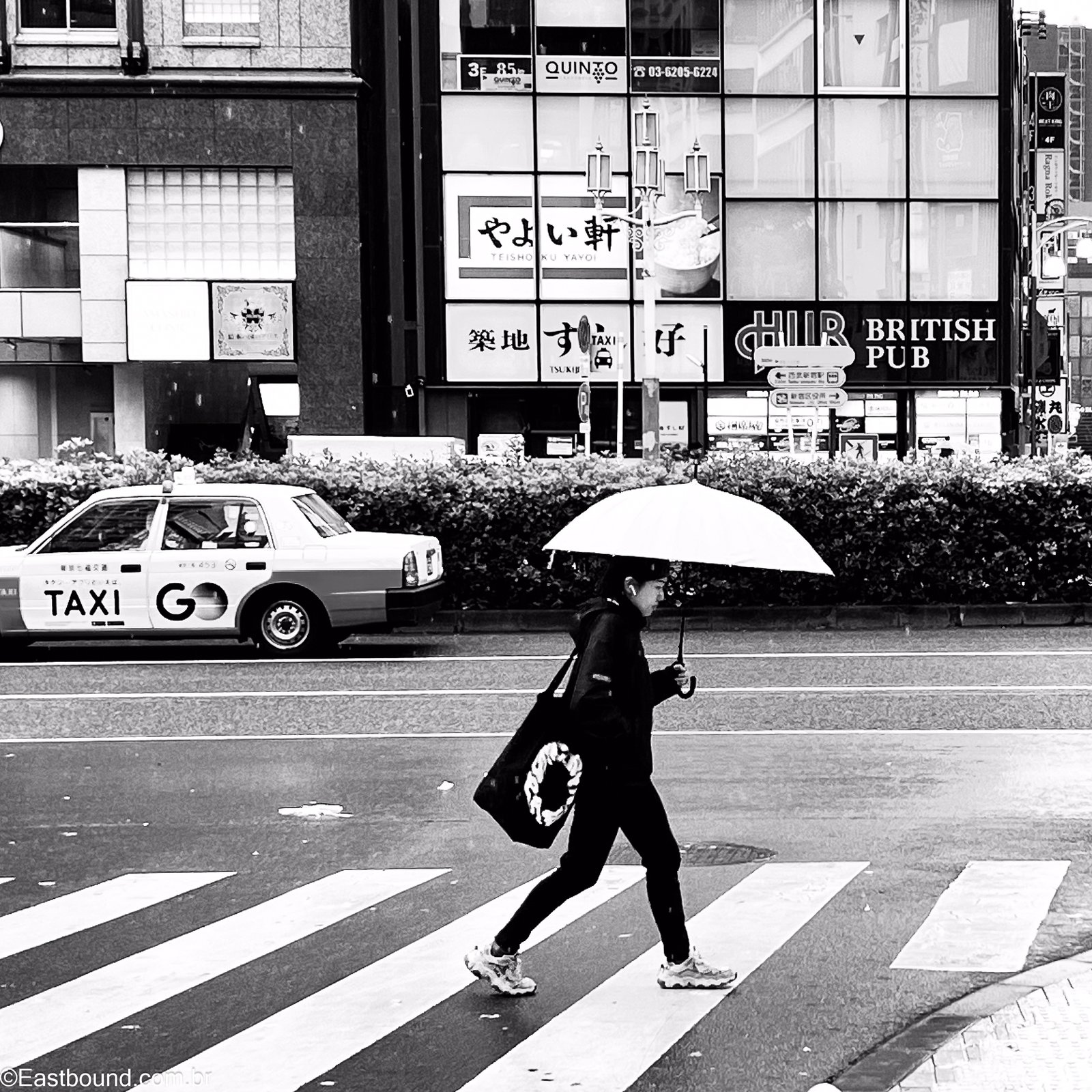
That night I went out for dinner and tried to use Google Maps, only to realize that the streets did not have name signs like those found elsewhere in the world. I had to rely entirely on GPS, which did not work properly because it was still the era of 3G and I did not have paid roaming—nothing remotely similar to today’s speed and live updates.
I grew tired of wandering hopelessly and entered the first open place I found. The entire menu was written in Japanese on signs hanging around the walls. The cook did not speak a word of English. But I had already learned one trick: Osusume wa nan desu ka?—what do you recommend? After listening to a very detailed explanation of the dish in Japanese, of which I understood not a single word, I agreed and waited. Ramen.
He offered me a bib.
I emphatically refused.
I regretted it five minutes later.
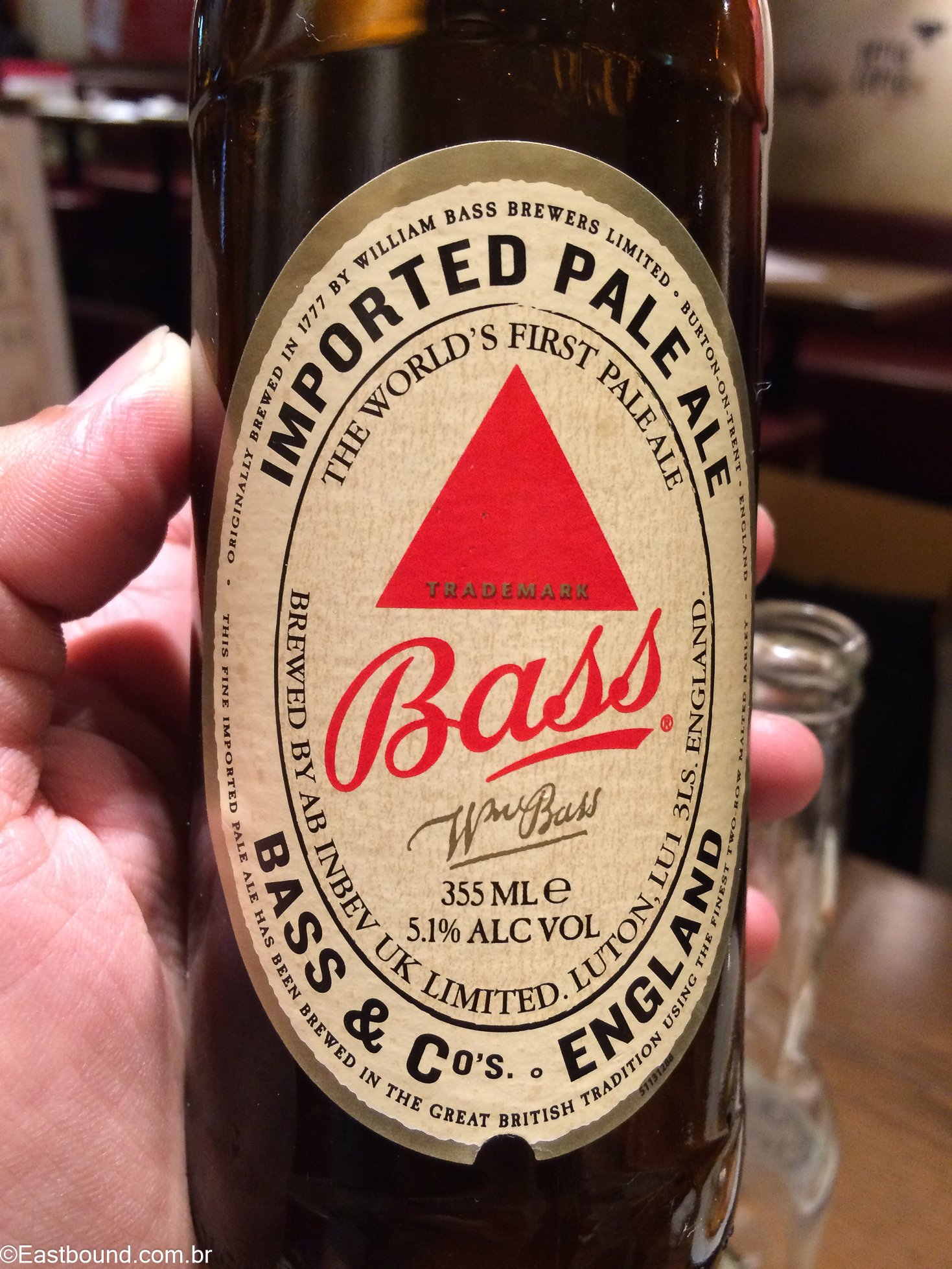
In any case, it was delicious. I also had an English ale that I still remember as the best beer I have ever tasted.
When we arrived at the shipyard the following day, this time we were received by the president of the facility himself. It was a modern shipyard prepared to work on offshore projects. It had an enormous dry dock and a fabrication area similar in size to those at the Korean yards, but it was fairly empty because it had not been successful in winning orders at prices competitive with Korean, Chinese, and Singaporean yards. I remember being taken to the research department to see one of the president’s sources of pride: the development of a friction-welding process for high-efficiency welds.
I committed the same blunders during the business-card ceremony again.
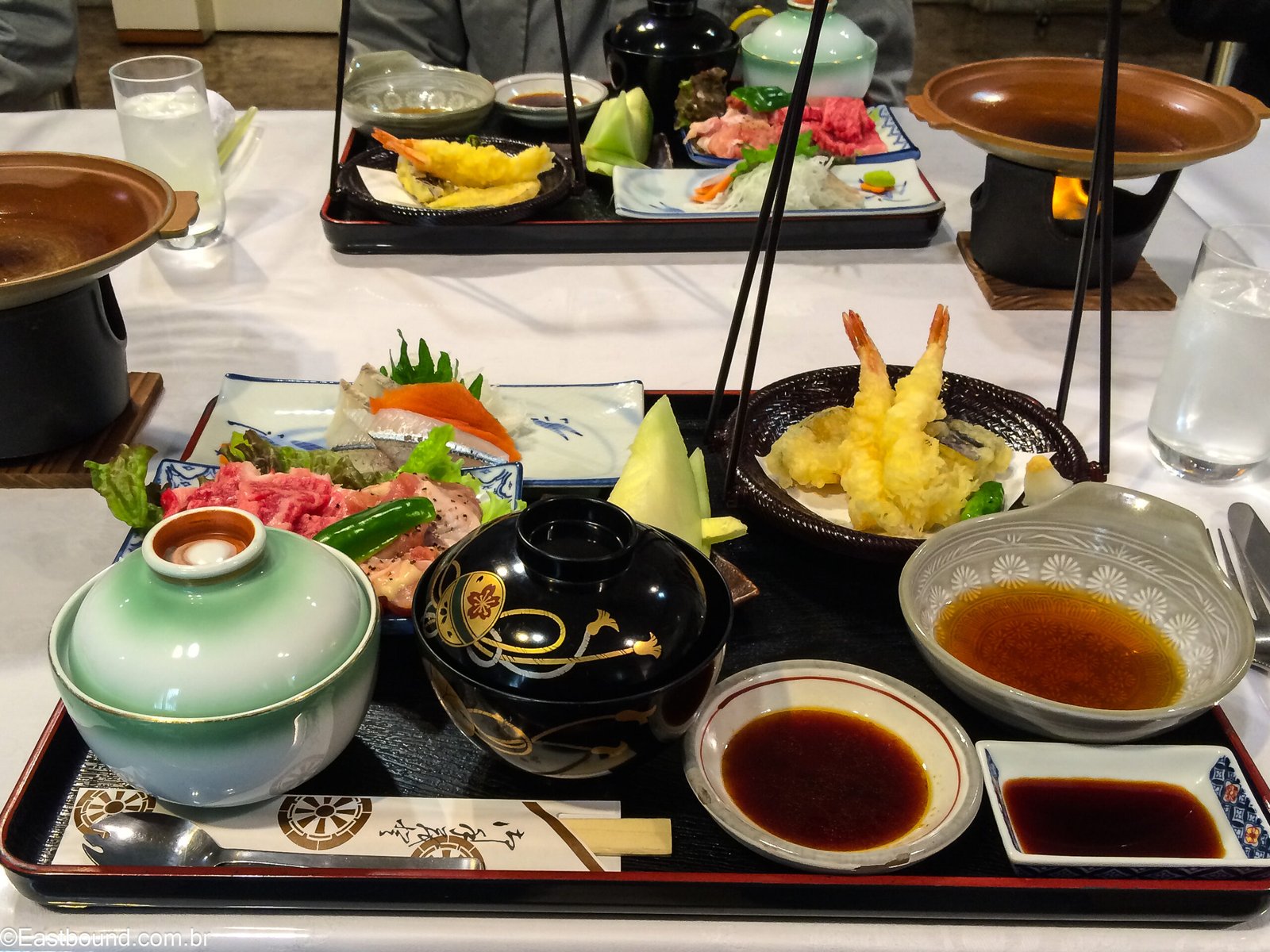
After touring the facilities and asking technical questions, we went to lunch. Lunch was served in the meeting room. When we returned, it was already waiting for us. I did not realize it at the time, but it was a buffet worthy of visiting dignitaries, lavishly supplied with Wagyu beef. If you have never tasted Wagyu, prepare yourself. It is both delicious and extremely expensive. If you are trying to travel on a budget, it may be better not to try it at all, because you will not be satisfied with having it only once.
I was deeply saddened to learn that this yard closed a few years after my visit.
We returned to Tokyo.
Let me give you one very serious piece of advice: the first time you travel by bullet train, buy your ticket at the counter from a human attendant. Do not take your chances with the ticket machines. There is simply no way something will not go wrong the first time. Seriously. I will explain in another post.
With work behind us, we planned a route through the rest of Tokyo, eager to make the most of our final two days. It was frantic.
Two days to absorb 1000 years of civilization
With work behind us, we tried to experience the rest of Tokyo at an impossible pace. I returned to Akihabara during the day, crossed Shibuya Crossing, went up the Skytree, traveled across the Sumida River and Tokyo Bay by boat, photographed the futuristic structure of the former Fuji TV headquarters, failed spectacularly at preparing monjayaki, faced the grill at a yakiniku restaurant, and still managed to visit museums, Roppongi, the zoo, and a koi fair we stumbled upon by accident. Explaining all of it here would interrupt the story, so I gathered that part of the trip into a separate photographic itinerary.
What I took home
I didn´t purchase anything but a couple of keychains. What I took back home was a big change in how I saw the world. I learned a different way of living.
The first impact Japan had on me was visual. In Akihabara and Shibuya, surrounded by illuminated façades, vertical signs, enormous screens, characters, and a lot of visual information. Often I was not even sure which station I had just walked out of—but I recognized the environment. It was the visual grammar of anime, manga, and Japanese science fiction appearing before me at full scale.
It did not feel like a reproduction created for tourists but simply the city being as it is every day. Everything I had previously watched in stories was there in the streets, the shops, the advertisements, the sounds, and the people. For someone who had grown up fascinated by that imagery, walking through Tokyo produced a strange sense of familiarity with a place I had never visited before.
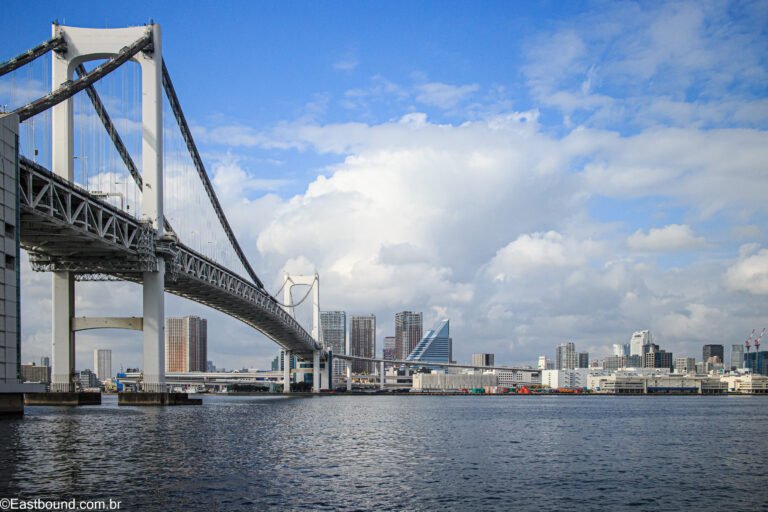
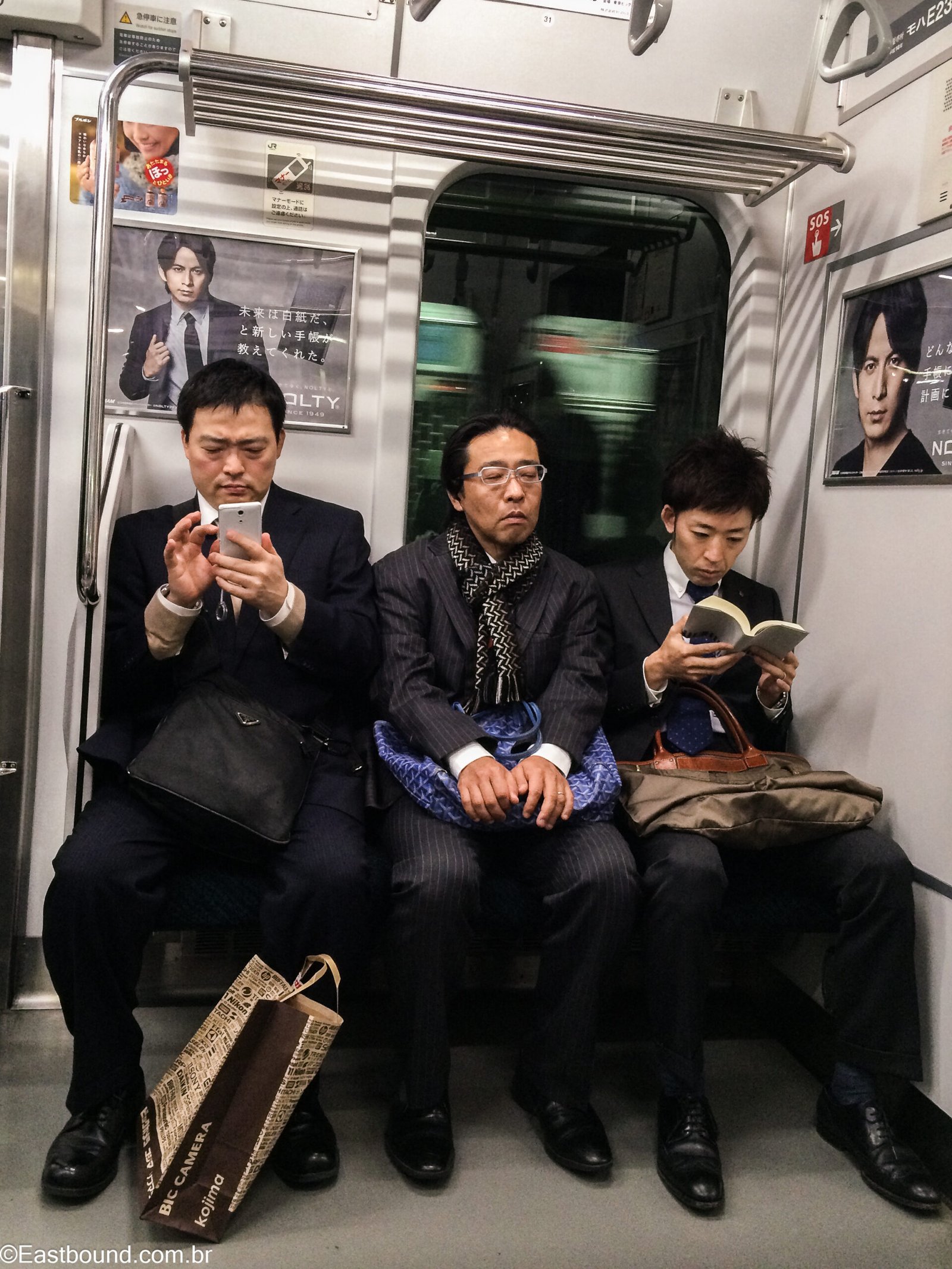
Then came the infrastructure. The bullet train, the amazing subway organization, the endless number of stations, the elevated expressways crossing Tokyo Bay, and the shipyards we visited formed a system of impressive scale, but with an organization level even more striking. These were not simply gigantic works displayed as monuments to engineering; everything seemed integrated into daily life and operated naturally.
I could barely interpret many of the signs, but all I had to do was observe the flow and enter it. People seemed to know where to go, which side to stand on, and when to move, and you ended up being absorbed into that urban fabric. I did not completely understand the system, but somehow the system helped you understand it.
The same attention appeared on a much smaller scale. When I entered the hotel restaurant, everyone greeted me, then again when I left, including from staff working inside the kitchen. In shops, money was not simply tossed onto the counter or handed over carelessly. There was a small tray, a precise ritual and attention to the person being served. It was not merely efficiency. There was a kind of presence in the work, the impression that, during those few seconds, no other task existed.
In Nagoya, at the first izakayas I visited, I noticed the same thing again. Behind the counter, everyone was focused on what they were doing. No one interrupted the preparation to check a phone or seemed to work with half their attention directed elsewhere. Calm did not mean slowness; it meant concentration.
Perhaps what remained with me most was the relative serenity. Tokyo was immense, and constantly in motion, yet there was little shouting, little honking, and less noise than I expected from a city of that scale. That combination of intensity and serenity defined my first impression of Japan. At the time, I still could not explain why it affected me so deeply; I only knew that I was not simply visiting another country, but encountering a place that would remain with me long after I returned home.
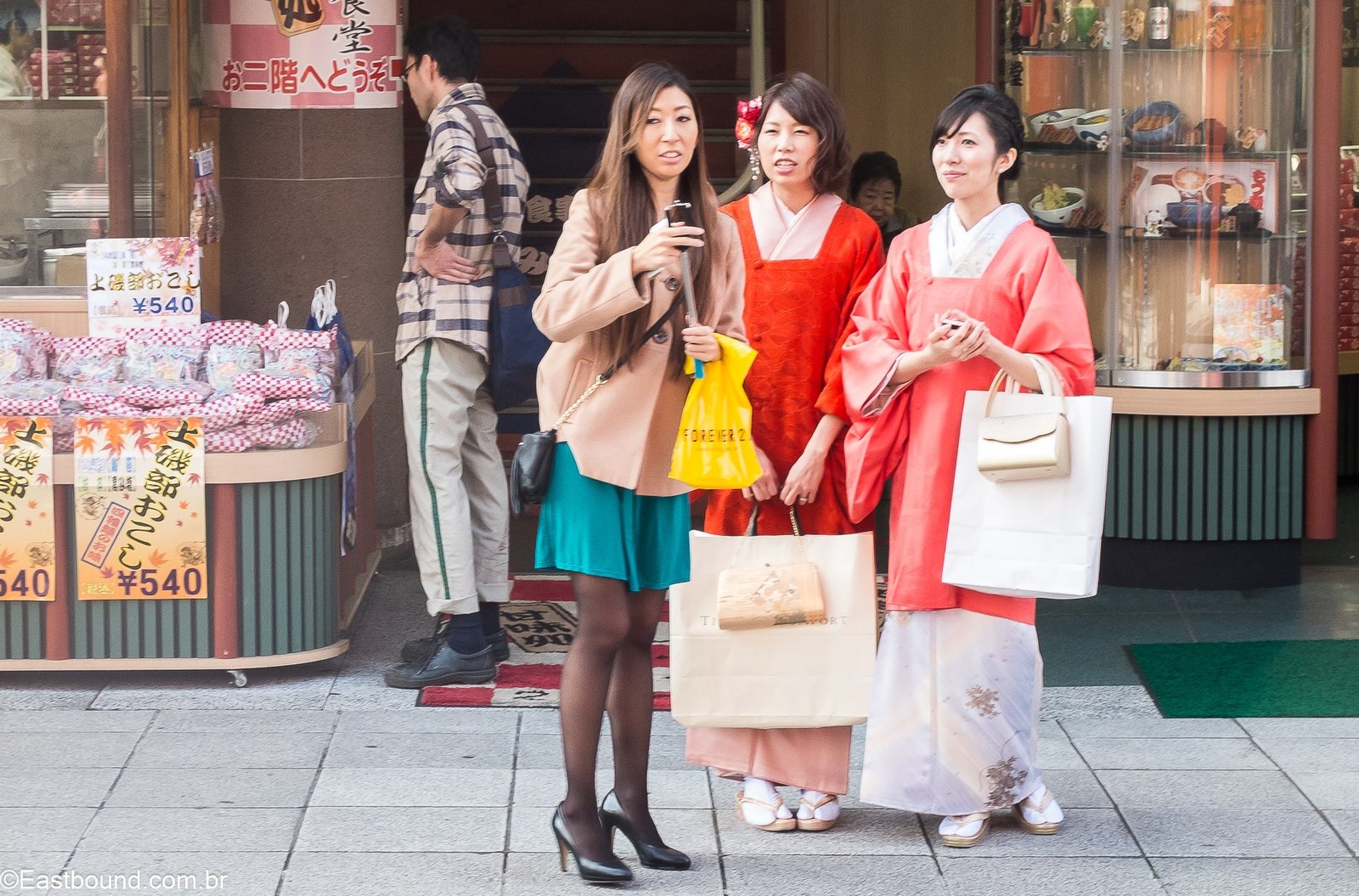
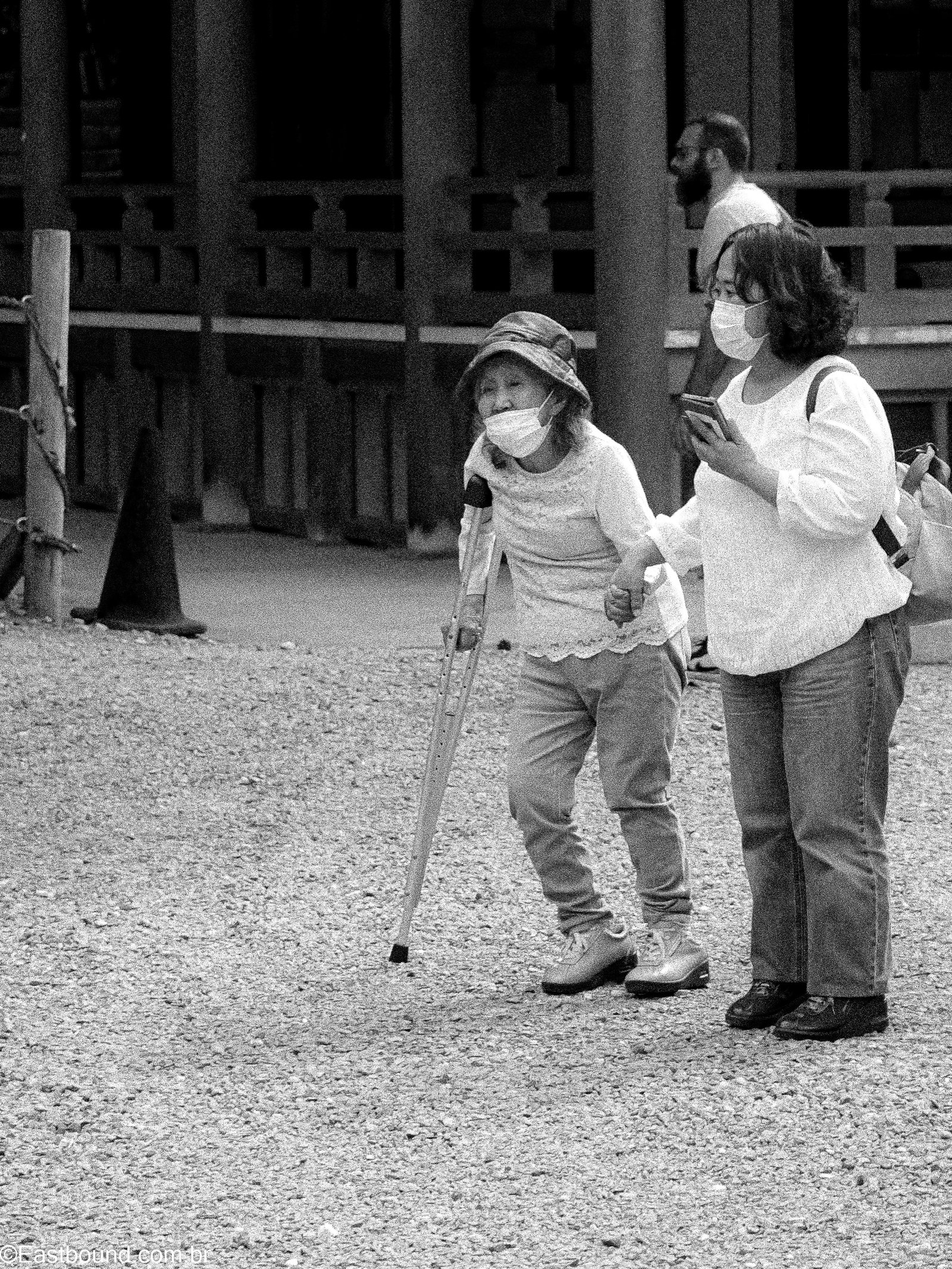
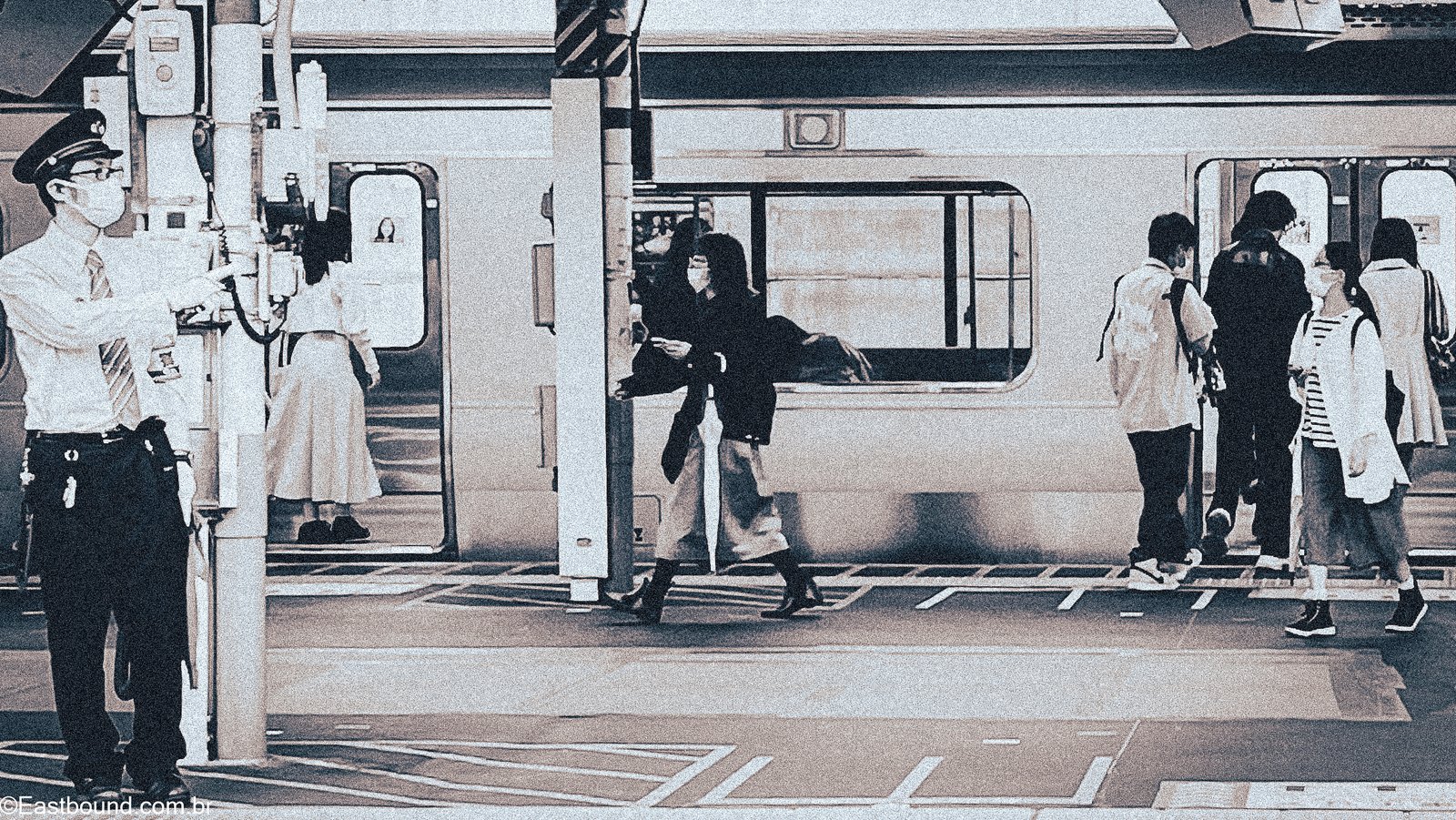
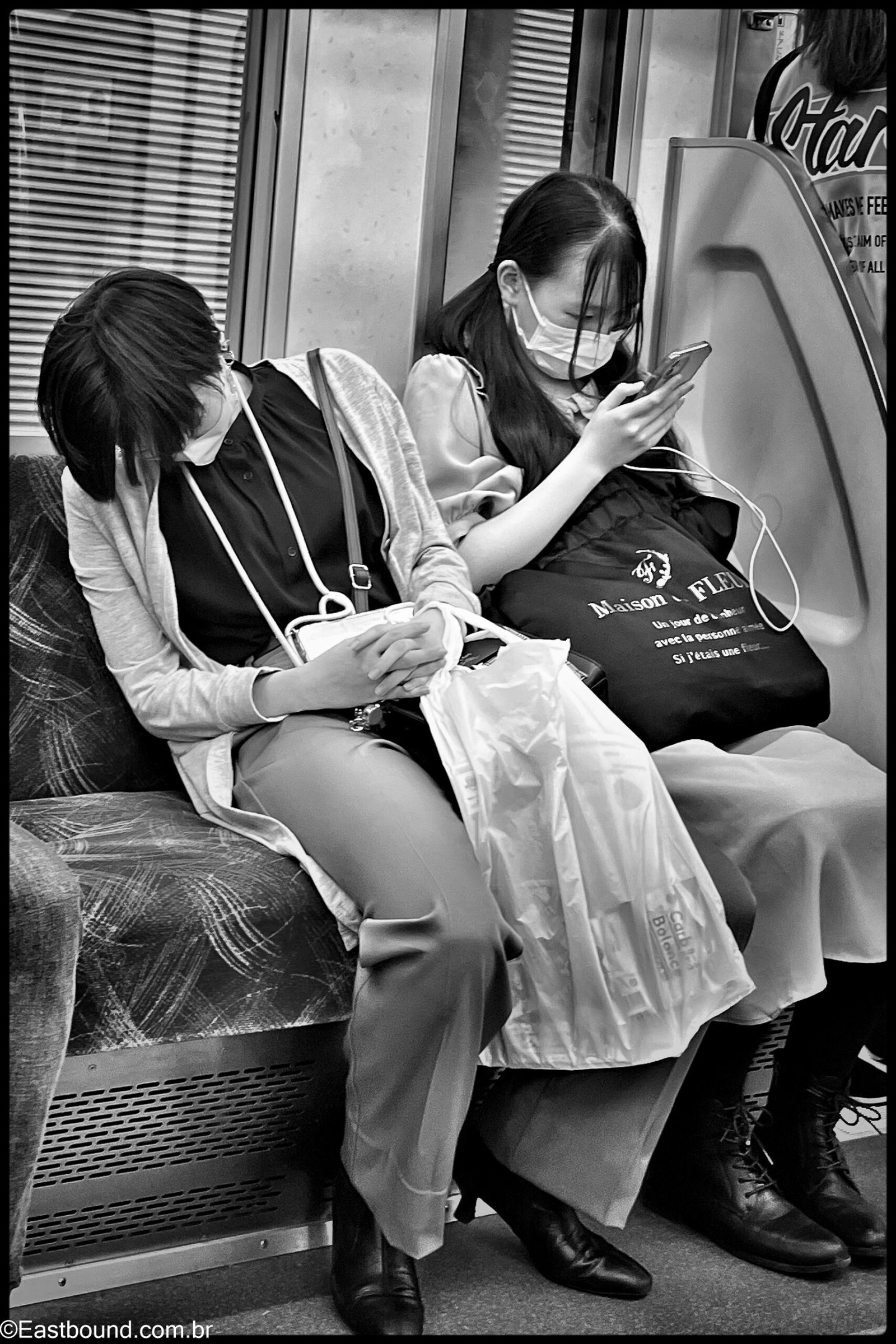
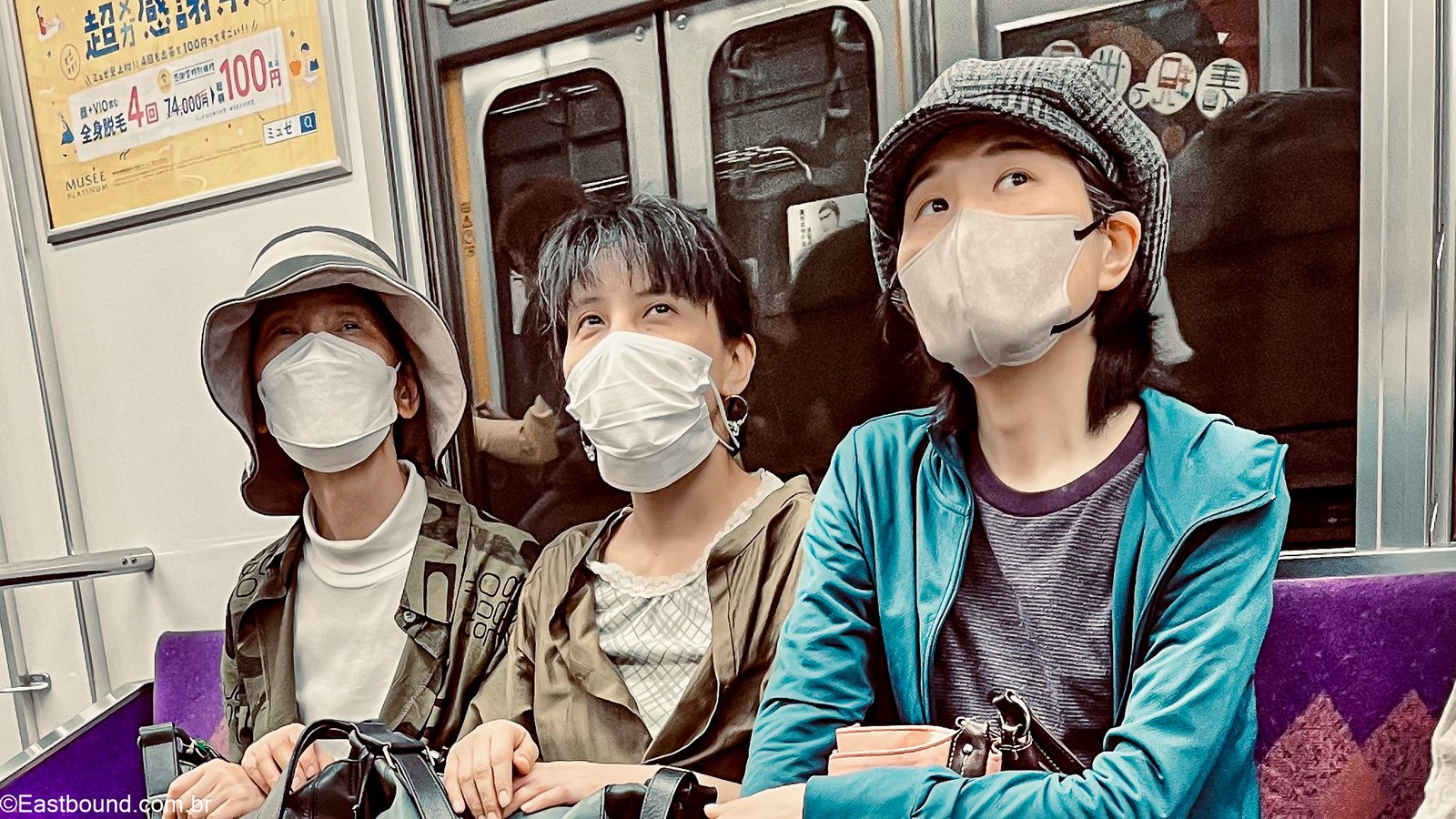
Japan was also where I first saw so many people wearing masks, back in 2014—years before the pandemic made it common elsewhere. I was surprised to learn that many wore them when they had a cold, to avoid infecting others. It was a small gesture, but it captured something I kept noticing: people were concerned about how their actions affected everyone around them.
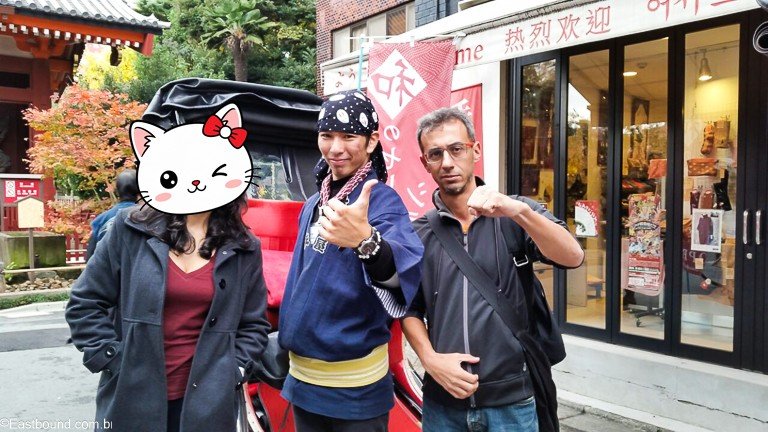
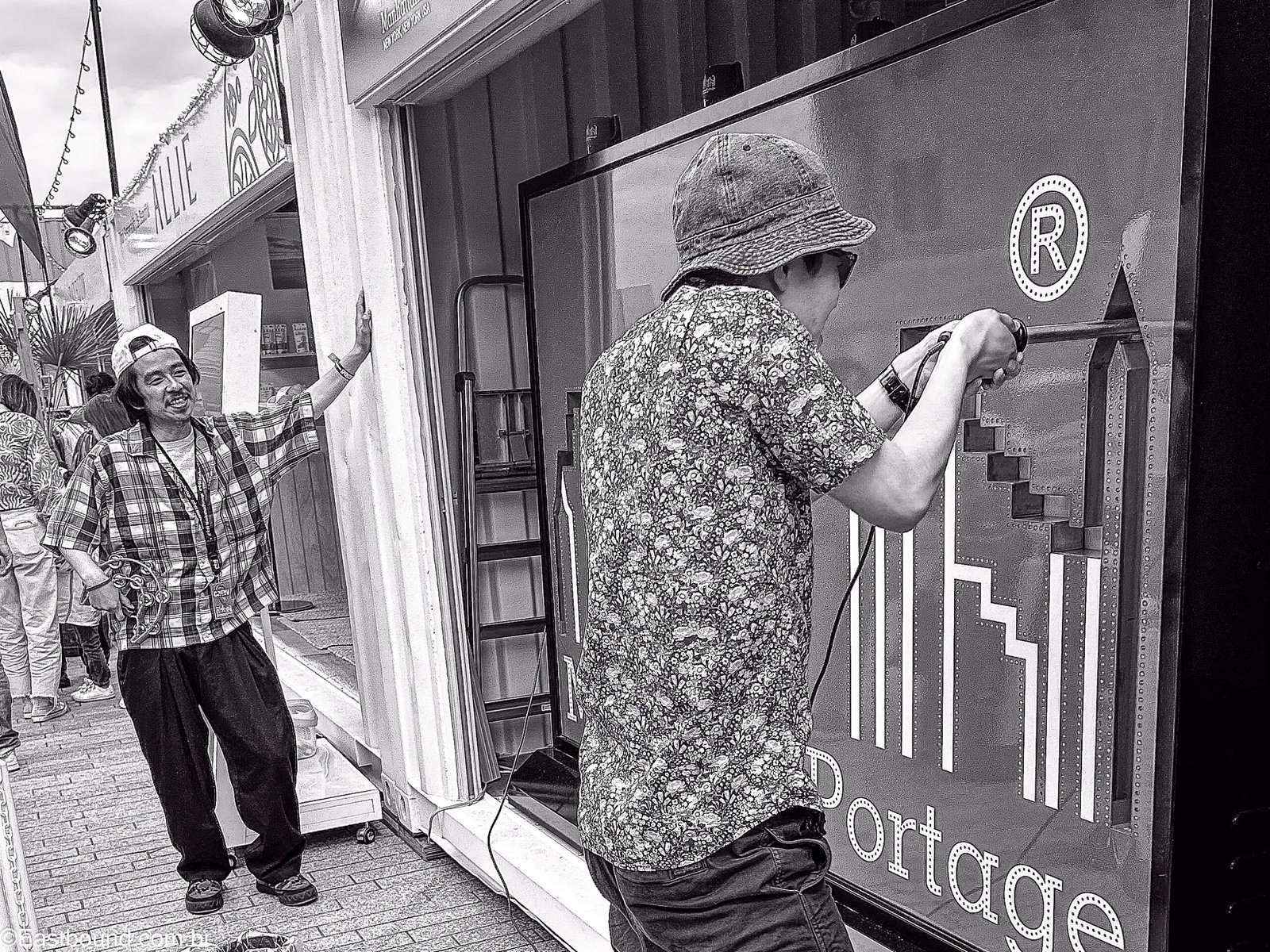
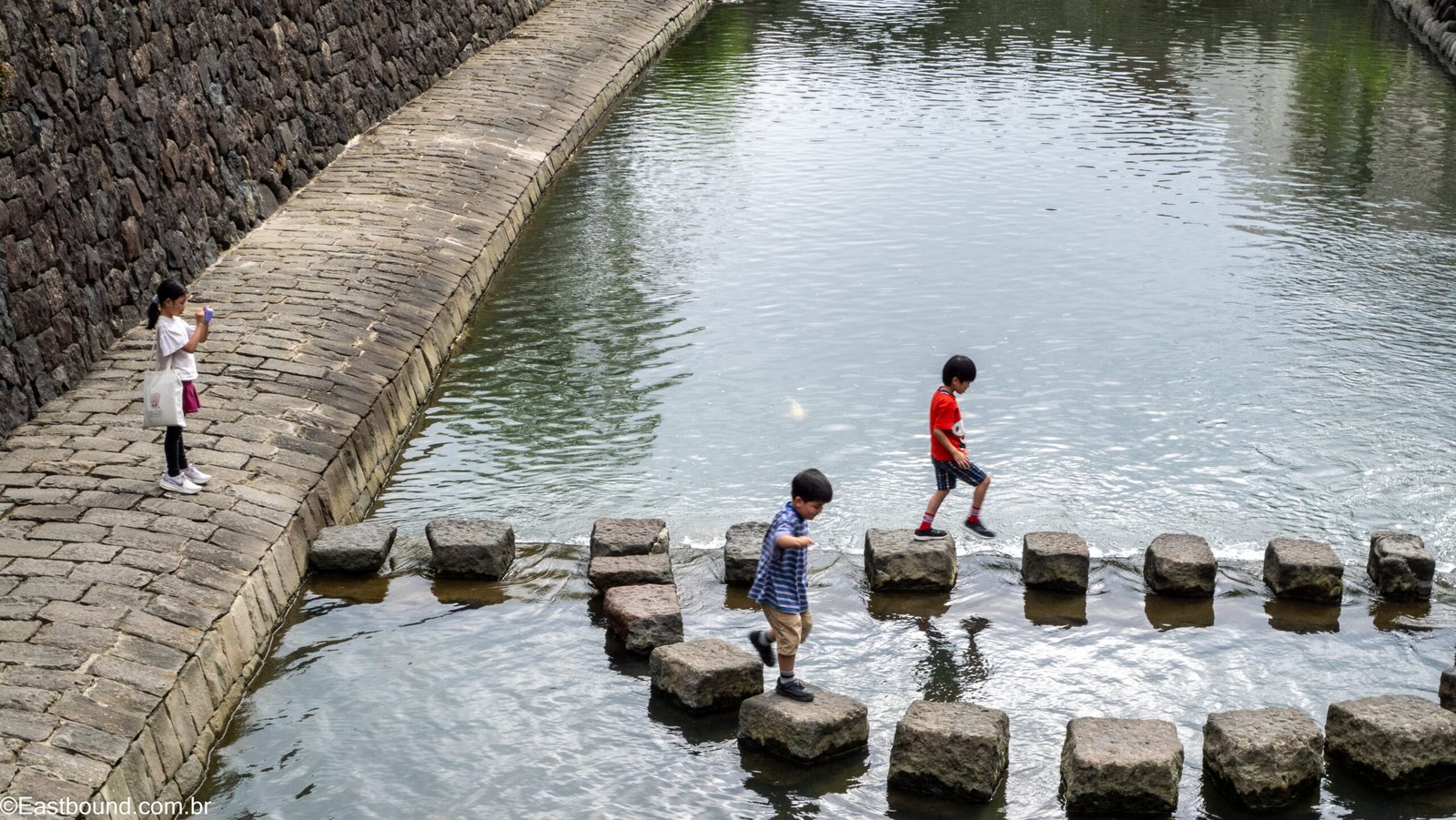
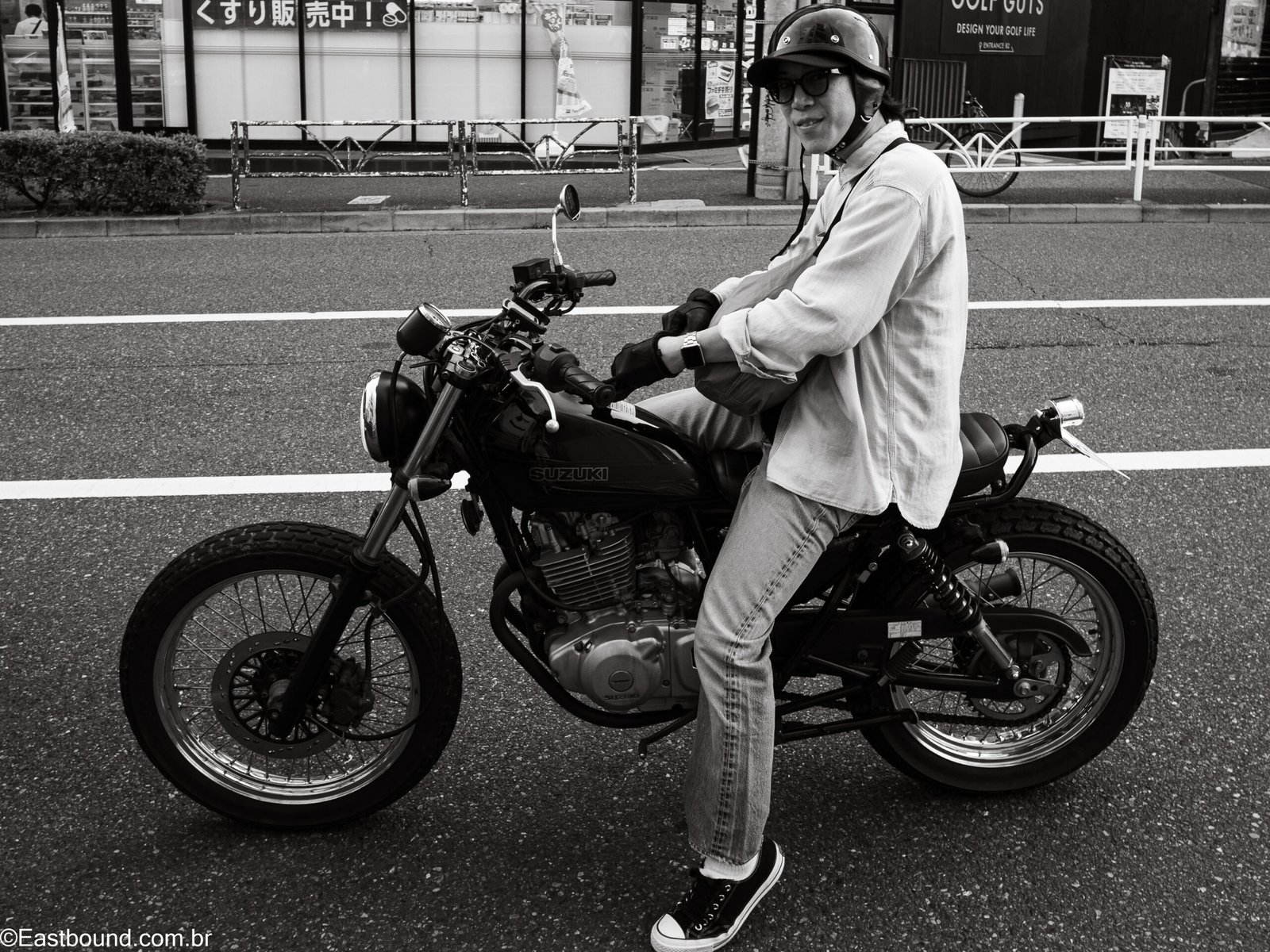
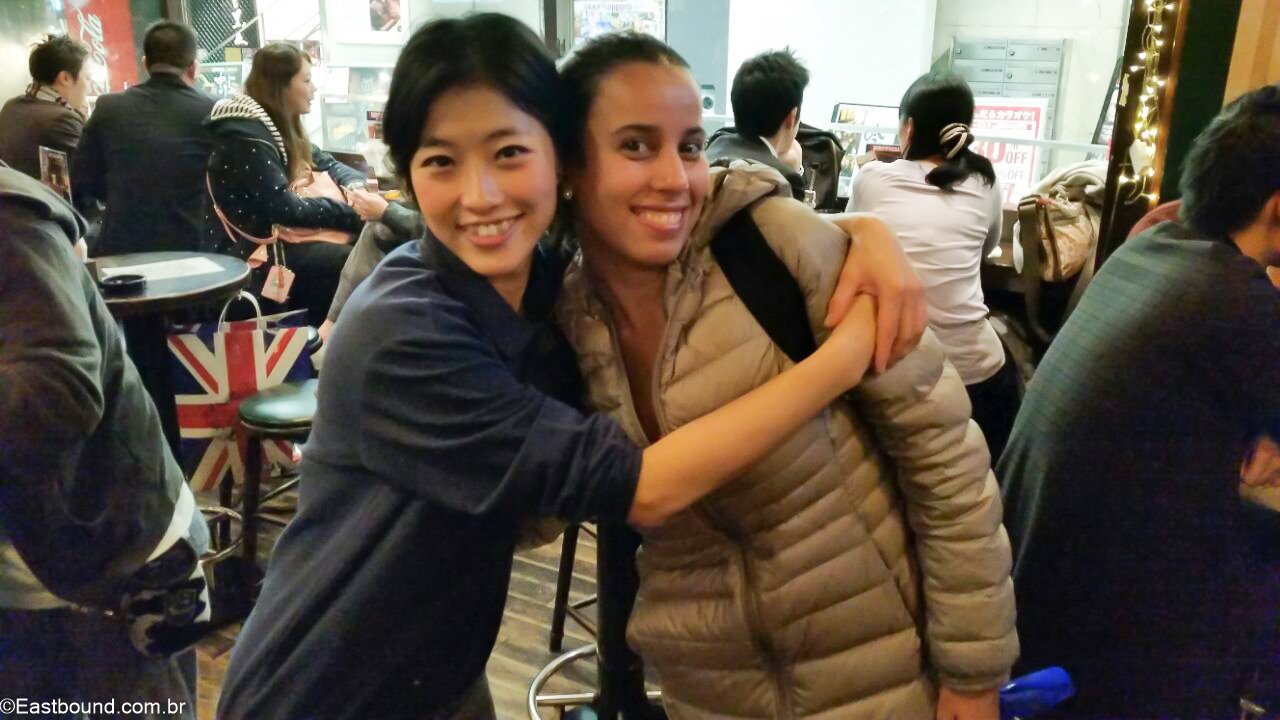
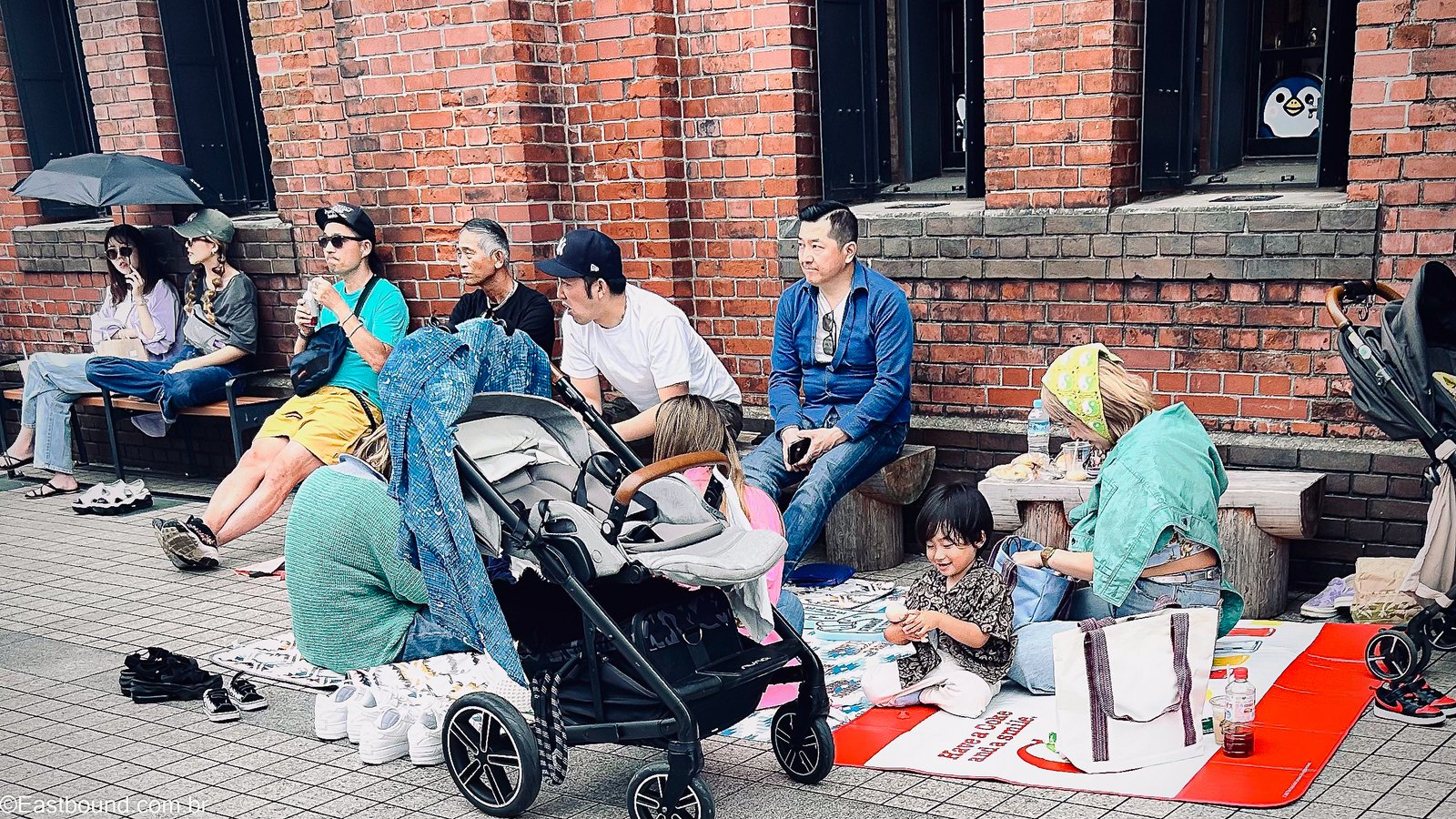
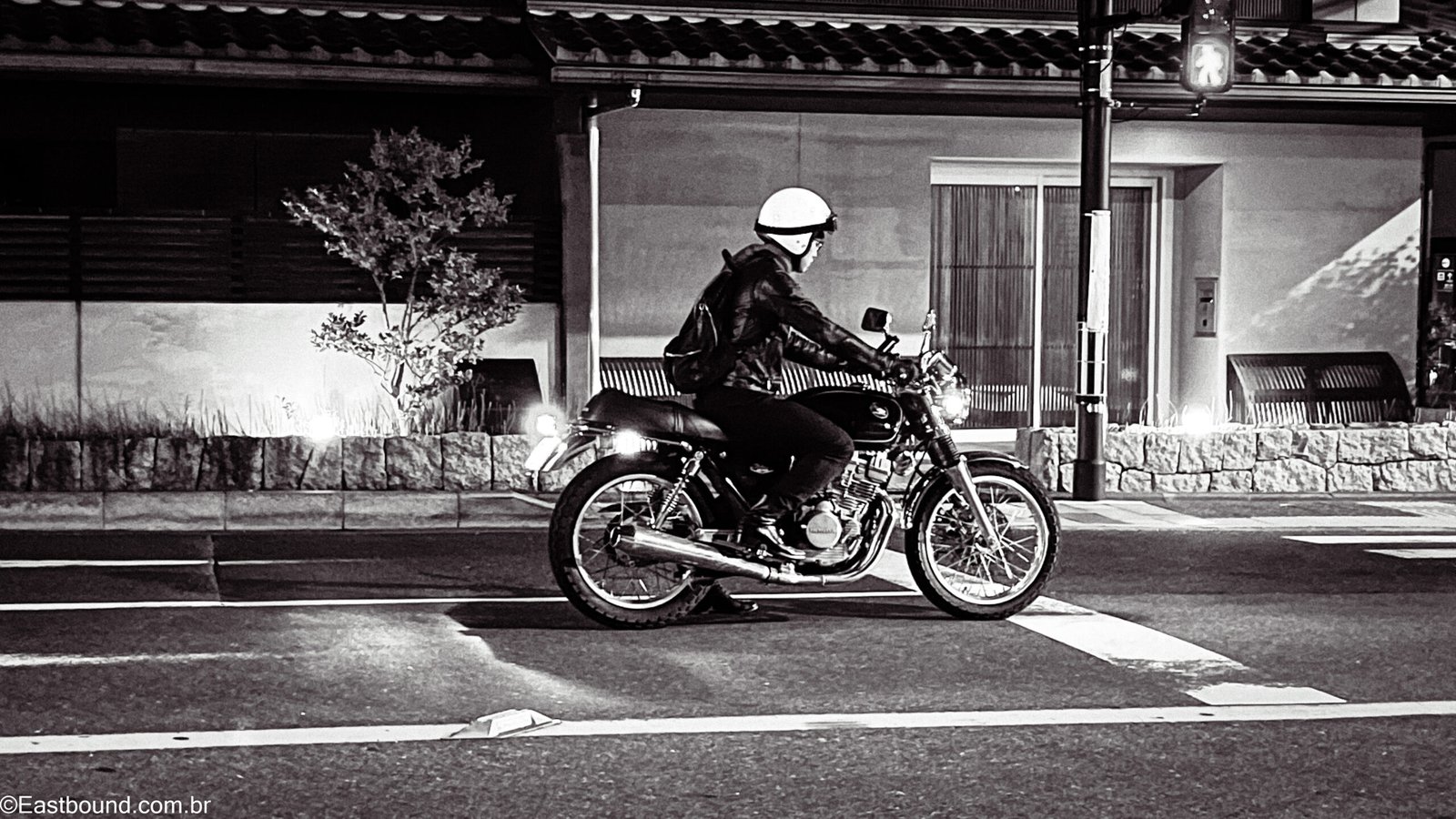
And this is the best part, what most amazed me without question: the people.
Note: Japan, or Nihon (日 本), sometimes Nippon in Japanese, literally means “Sun’s origin.” The Japanese people call themselves nihonjin. In fact, in the spring and summer, the sun rises very early. Like 4:30 is daylight clear.