Cherubim: Original Japanese Custom Bike Builder
Some places are interesting because of what they sell, while others become interesting because of what still happens inside them. Cherubim belongs firmly to the second group. It is not simply a bicycle shop, and it is not a museum either. It is one of those increasingly rare places where you can still walk in and see a traditional craft being practiced as part of everyday work. It is a custom bike builder.
Have you ever thought about owning a bicycle made specifically for you?
And I am not talking about bike fit.
I mean choosing the geometry, the tubing, the details, the finish — and ending up with a frame built by hand for one specific person. A bicycle that did not come off an industrial production line.
In Japan, few places represent that idea as well as Cherubim.
Cherubim is one of the historic names in Japanese framebuilding. The brand emerged in the 1960s and lived through the period when Japanese steel bicycle builders developed many of the construction methods, forms, and design ideas that are now admired by collectors around the world.
But this history is still alive.
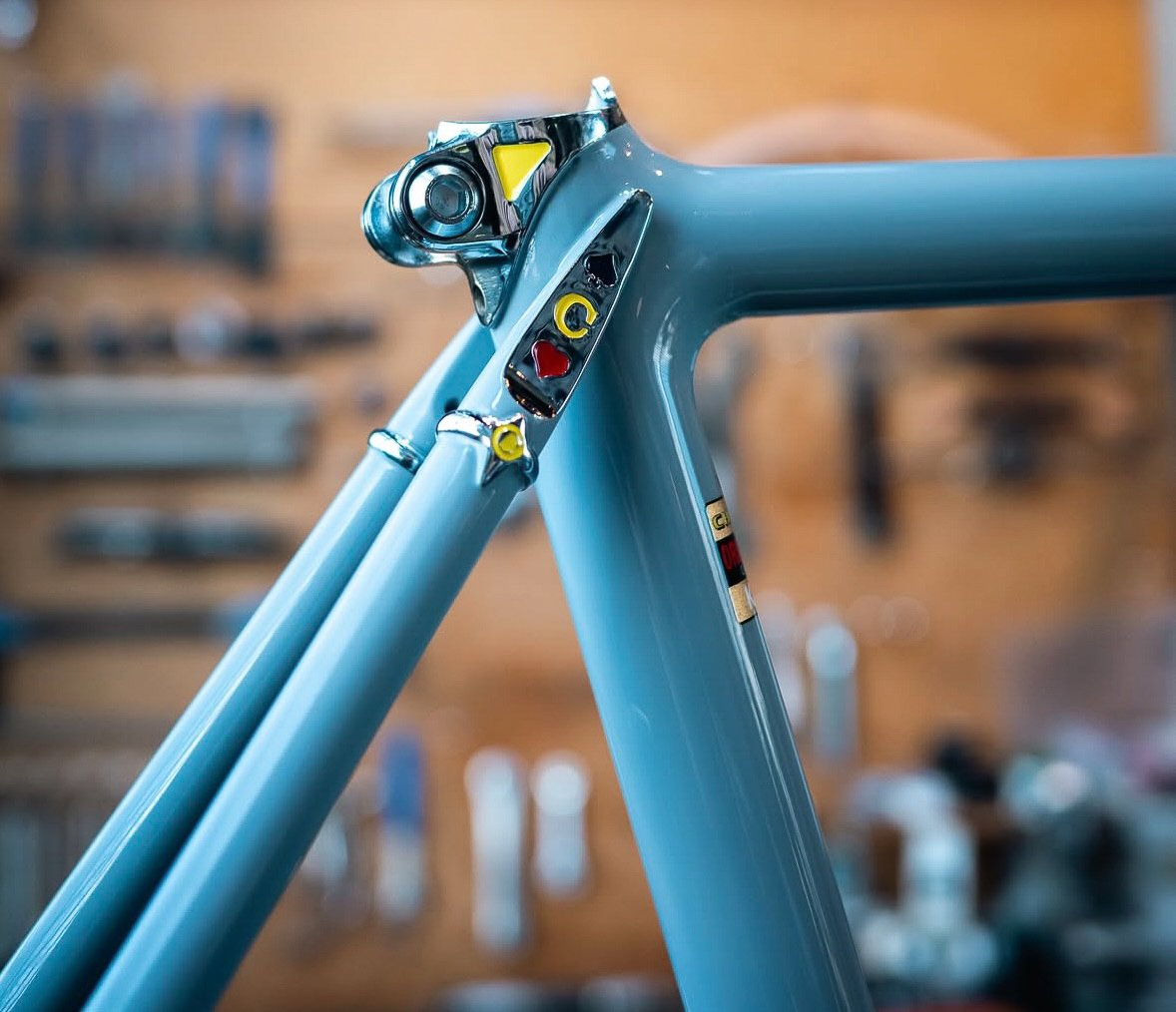
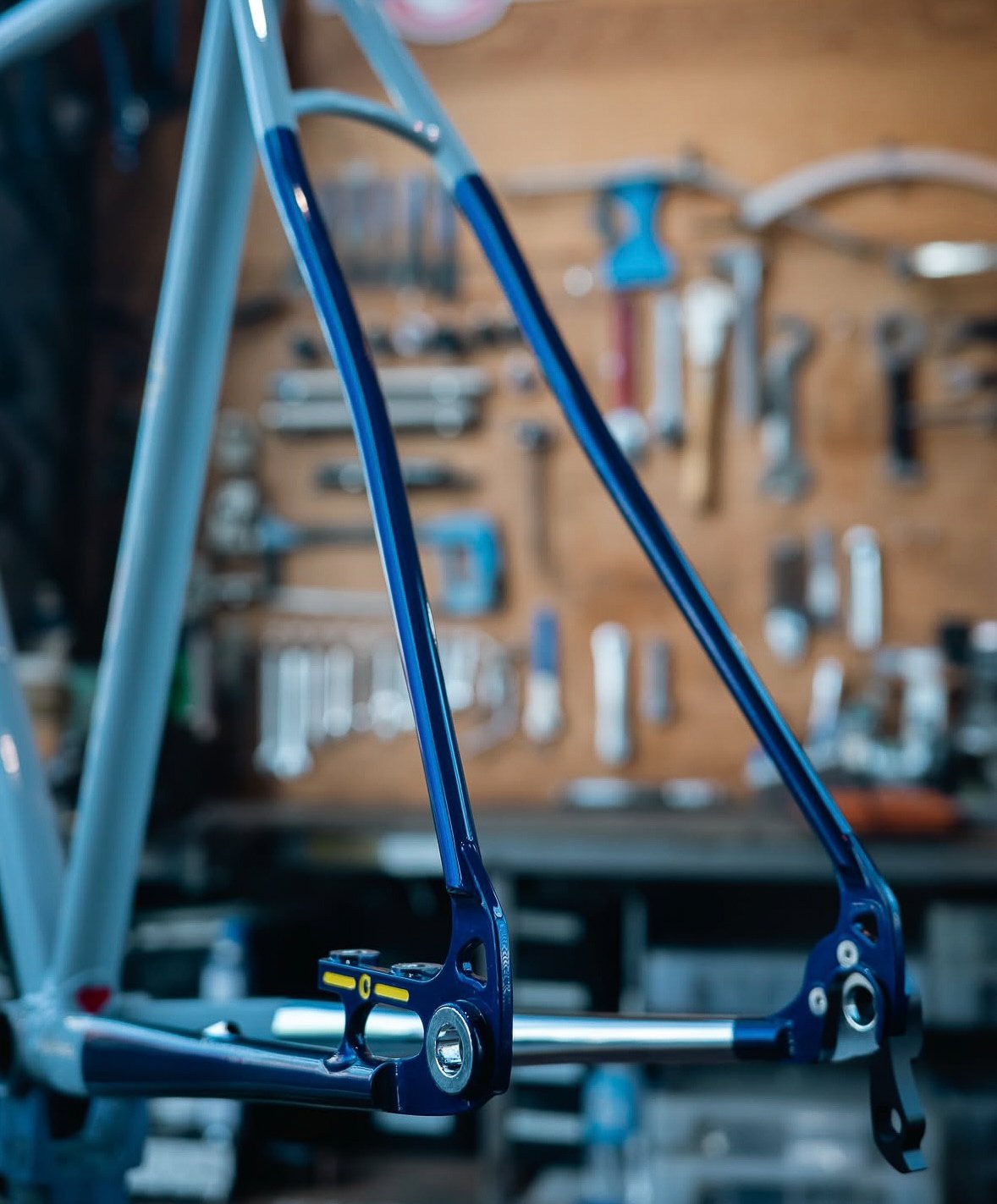
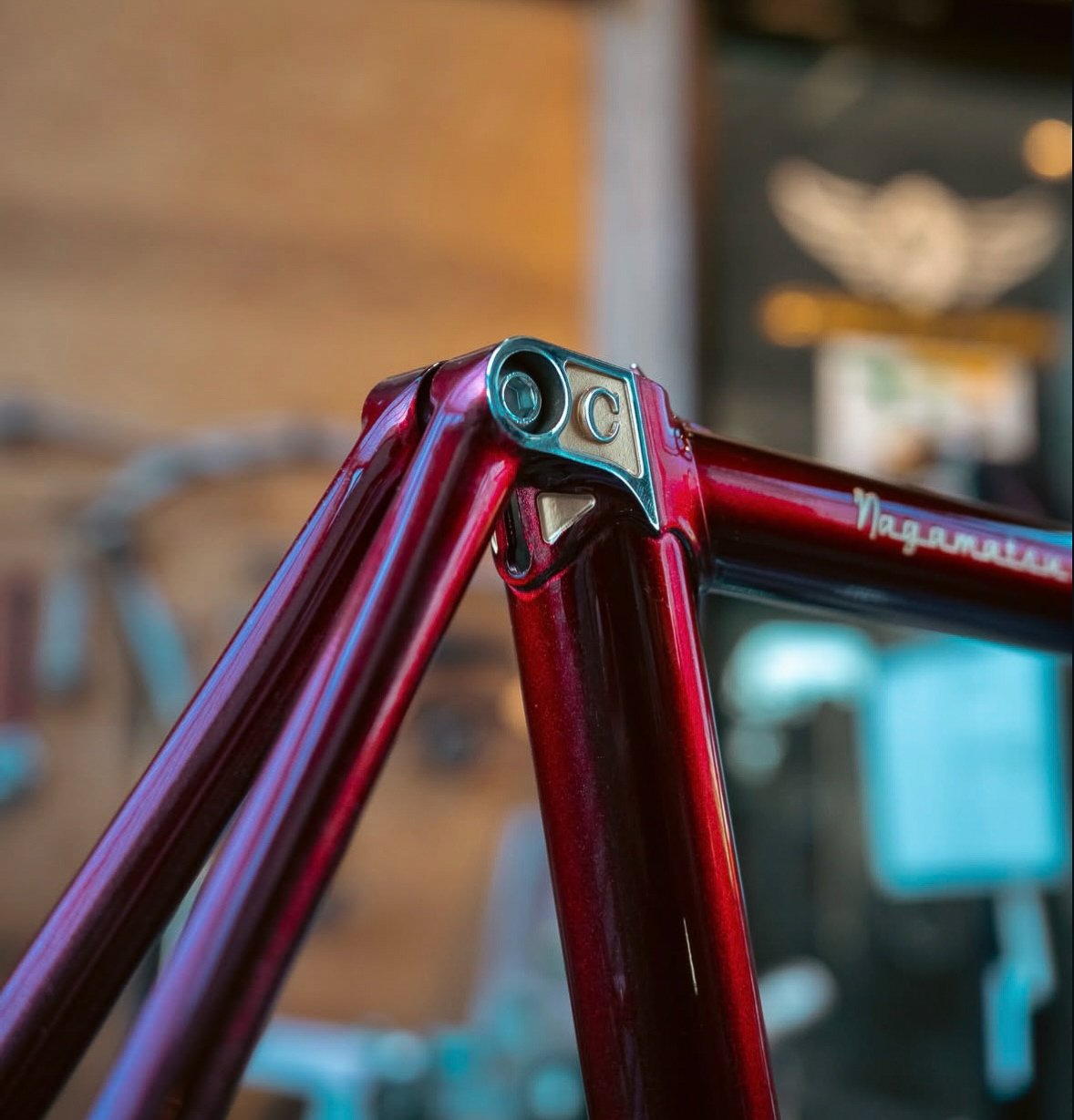
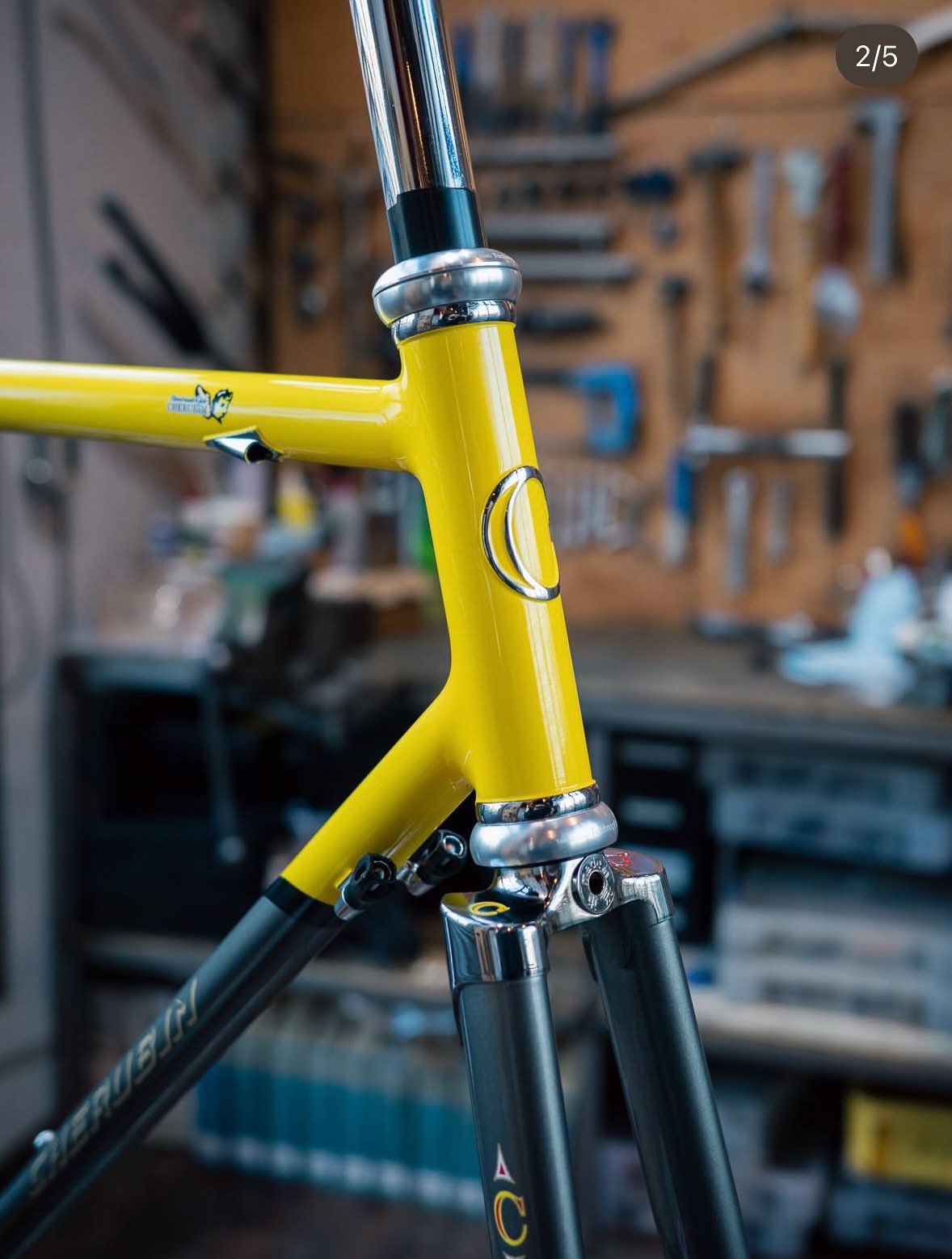
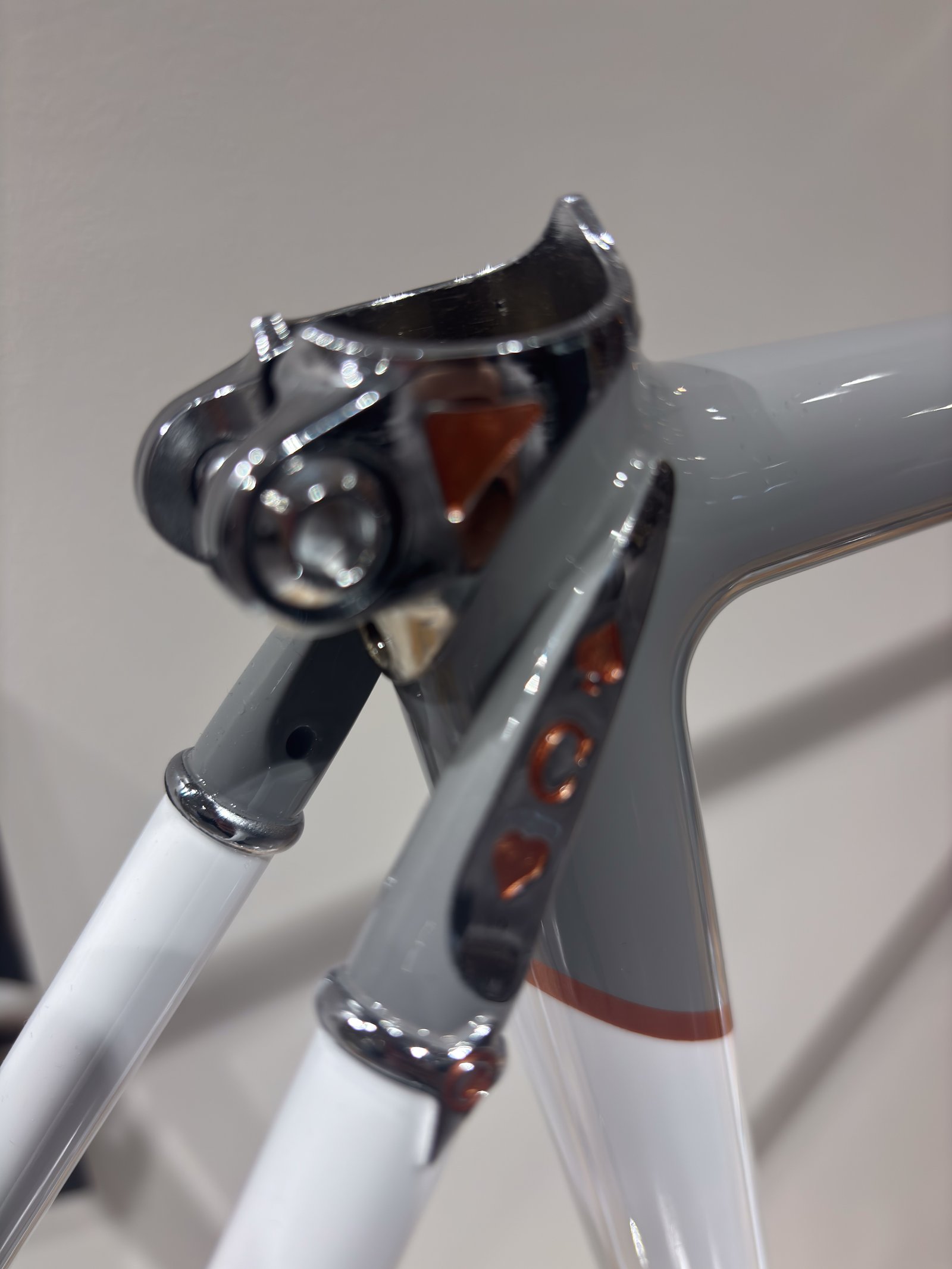
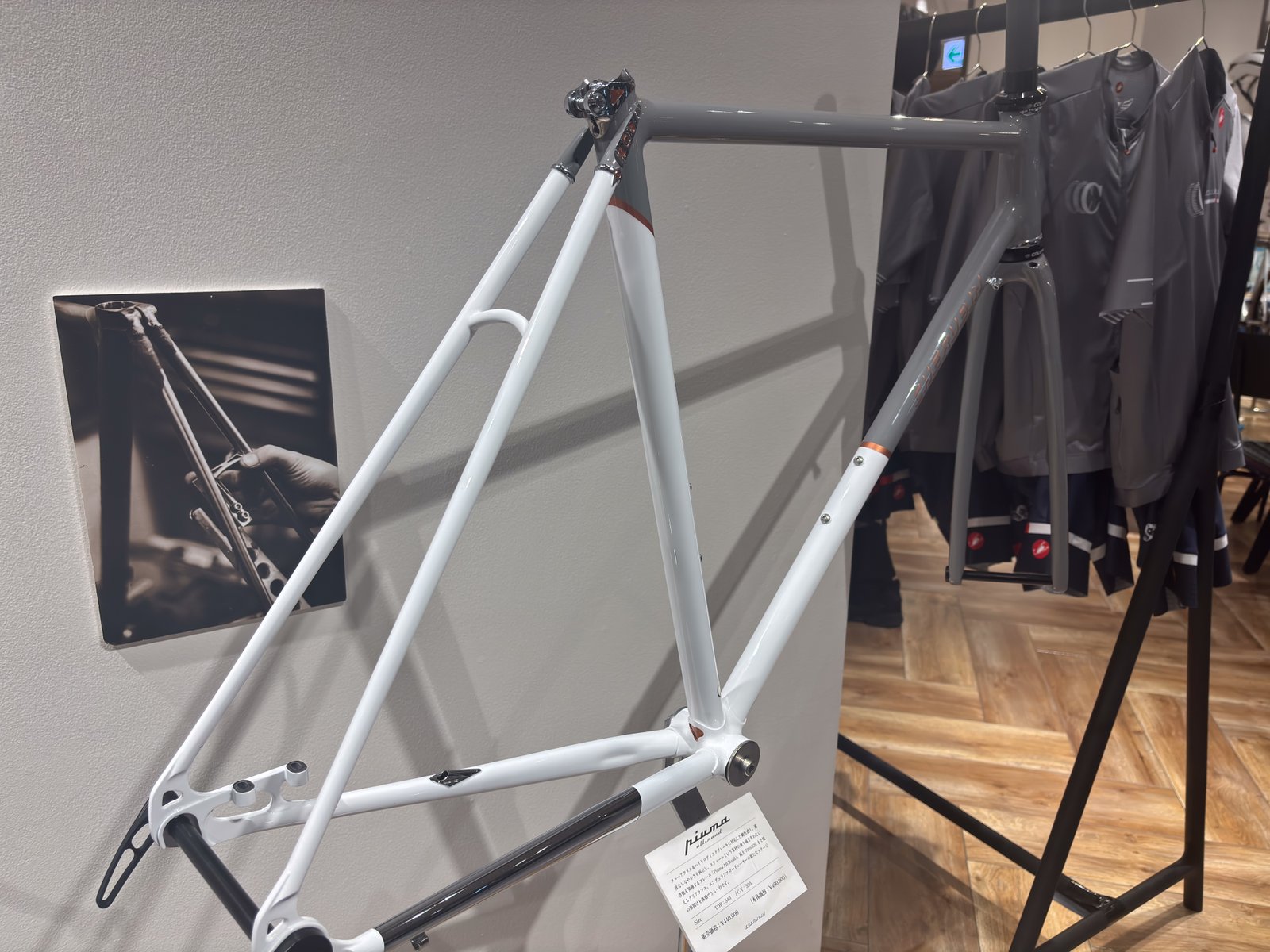
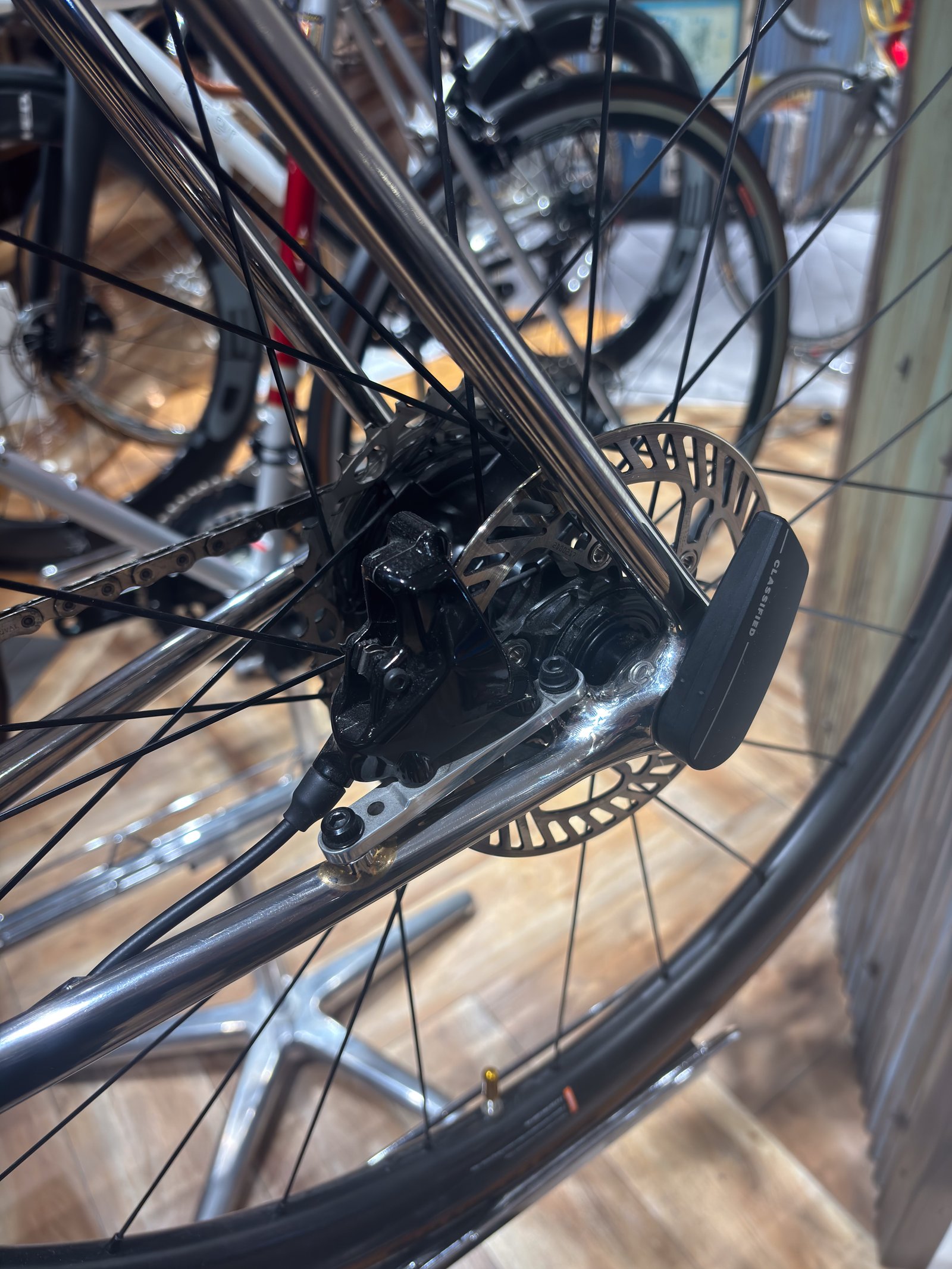
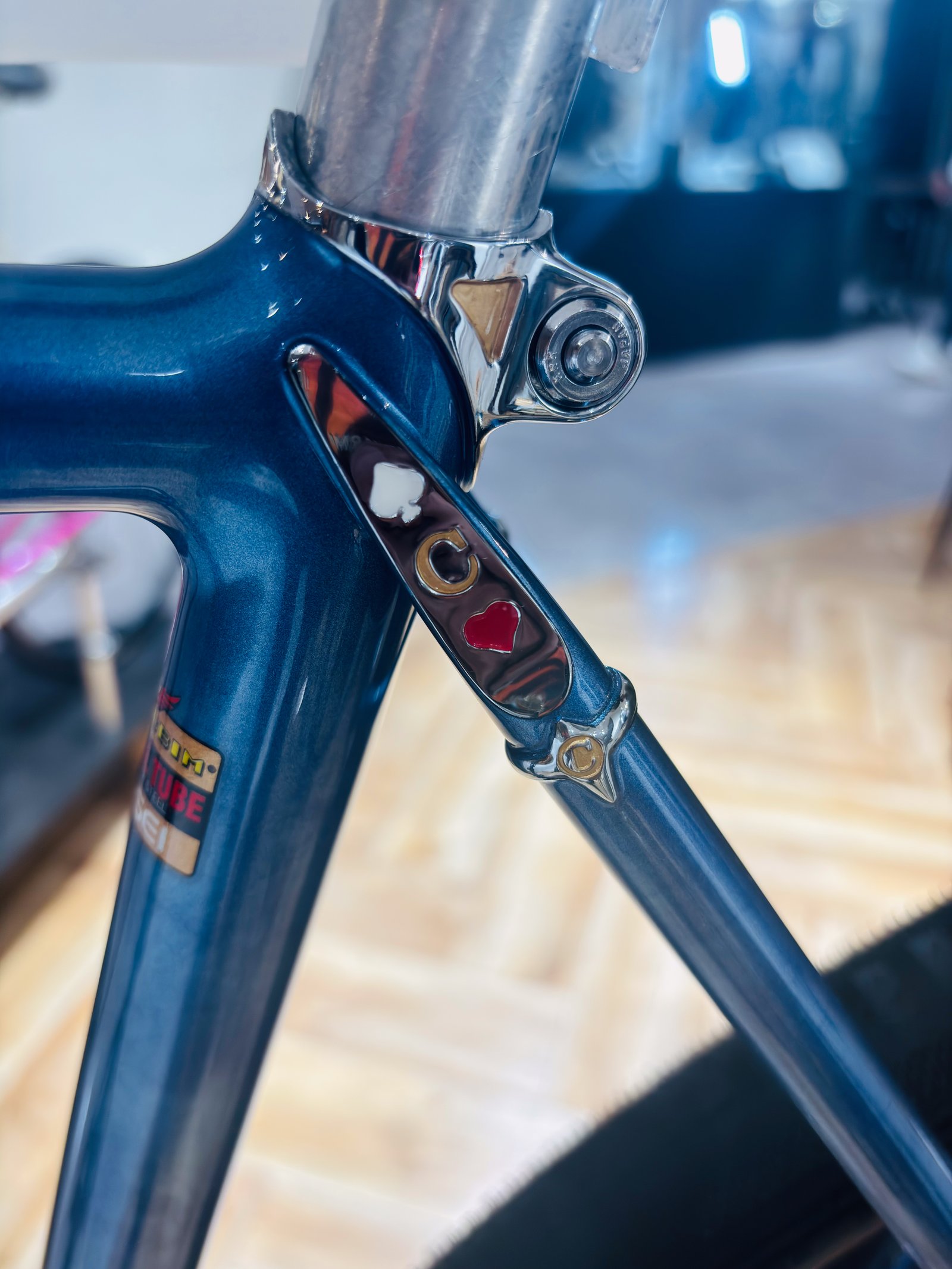
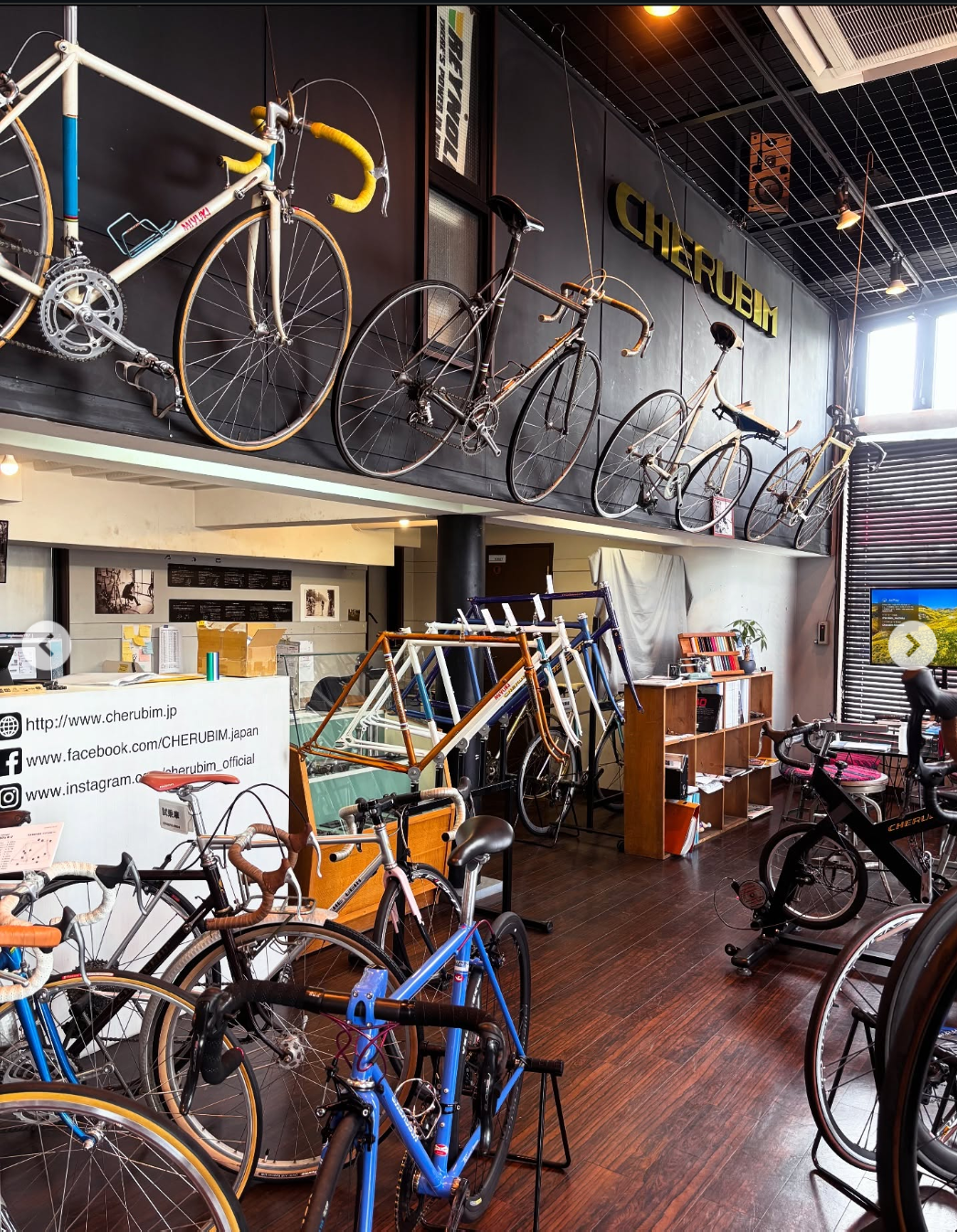
In Machida, in the Tokyo area, you can walk into Cherubim’s small shop and find complete bicycles, frames waiting for future owners, and examples of the kind of work that made the brand famous: thin steel tubes, elaborate lugs, extremely clean fillets, and small details that sometimes feel closer to mechanical jewelry than industrial manufacturing.
You can order a complete bicycle, buy only a frameset and build the rest over time, or simply visit the shop and see the place for yourself.
And that may be the most interesting part.
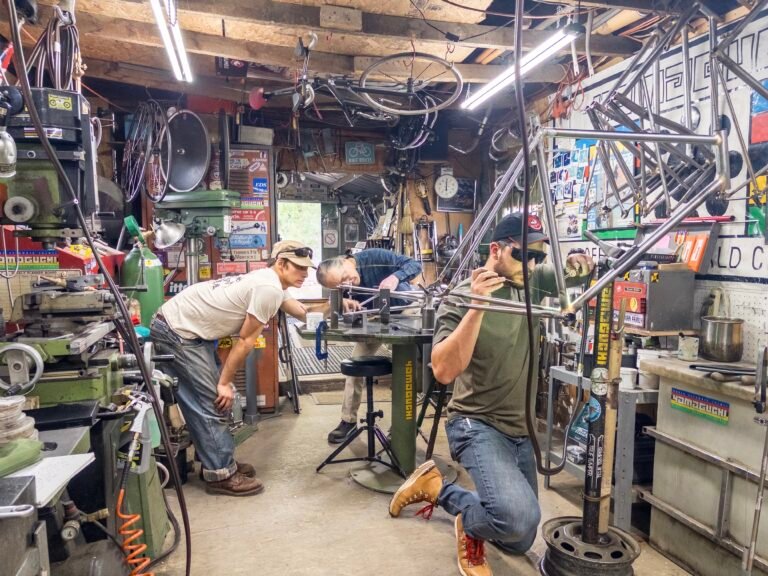
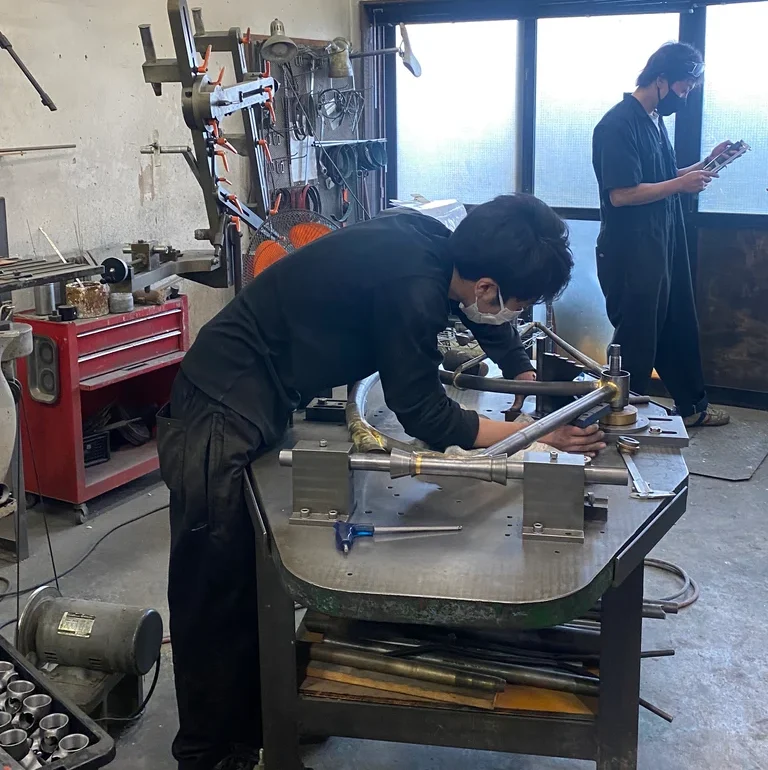
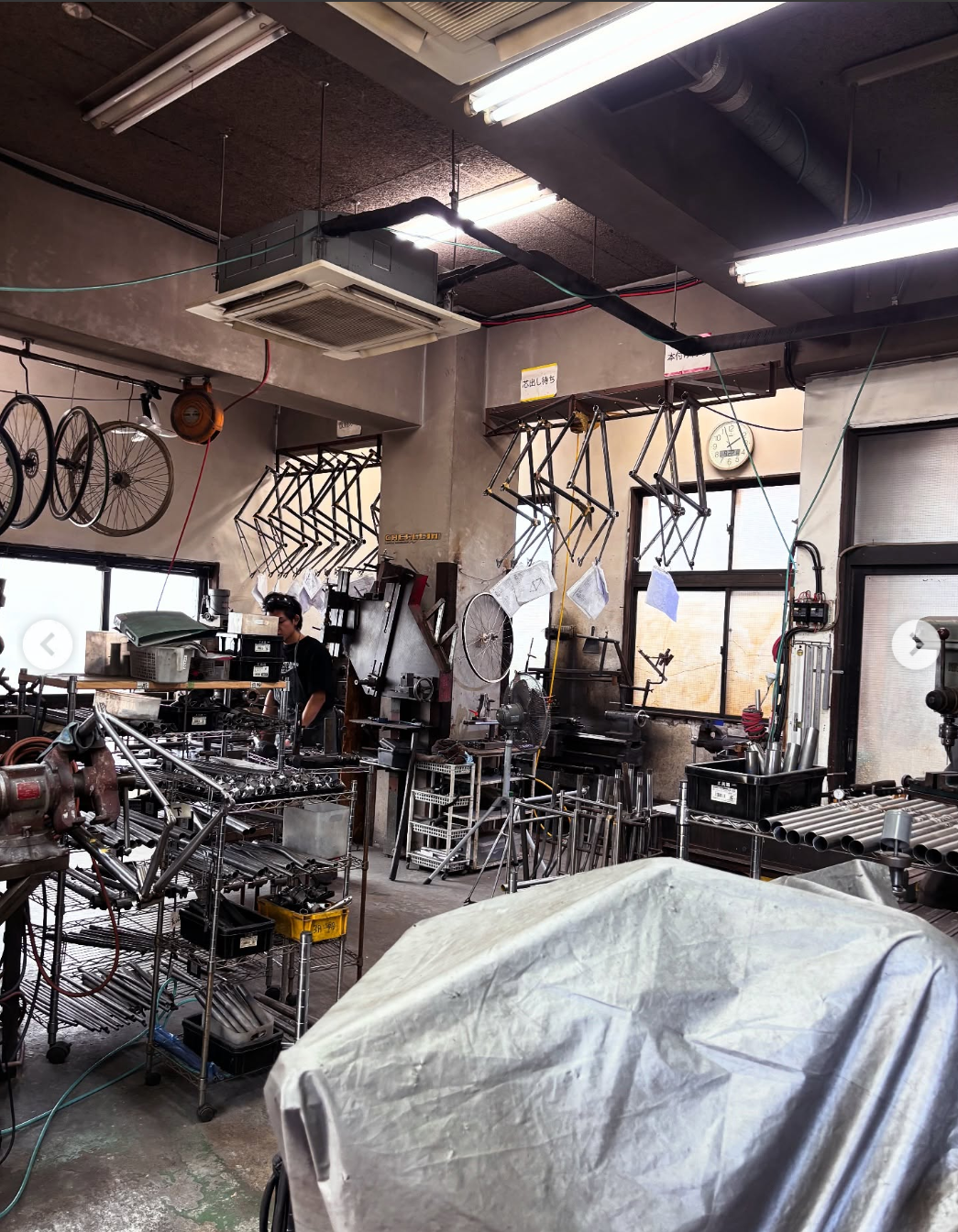
The workshop is closely connected to the shop. Depending on when you visit, you may be able to see where the frames are actually built and understand that the word handmade is quite literal here.
There is no hidden factory somewhere producing hundreds of units. There are workbenches, tools, steel tubes, and people building bicycles. Seeing the workshop also changes the meaning of the word handmade. It stops being a marketing description and becomes something very real. Steel tubes, torches, and people working on bicycles. When you see the tools and the construction process, you start looking at the finished frames differently. The joints, the paint, and even apparently small details suddenly carry evidence of the decisions and work that produced them.
Over the years, Cherubim has worked with road, track, touring and more experimental designs. Under Shinichi Konno, the brand also became known internationally for combining traditional frame-building techniques with unusually bold forms and ideas.
There is also an interesting connection to another almost mythical name in Japanese cycling: 3Rensho.
Before creating 3Rensho in 1978, Yoshi Konno sold Cherubim frames built by his brother, Hitoshi Konno. There were also bicycles produced under the name CHERUBIM / CYCLONE, during a transitional period before Yoshi went on to establish his own brand.
3Rensho would later become one of the most admired Japanese track bicycle brands of its era, particularly associated with keirin and its famous Katana frames.
Curiously, the story eventually came full circle. Decades later, the family connected to Cherubim became involved again in preserving part of the 3Rensho legacy, and pieces of that history can still be found within the Cherubim world today.
But I do not think you need to know any of this before going. You can simply walk in. Look at the frames. See how the tubes meet. Notice the lugs, the paintwork and the small construction choices. Maybe talk to someone from the workshop.
And leave understanding something that photographs of handmade bicycles rarely manage to show: a bicycle can be transportation, sports equipment, or an industrial product. But it can also be an object made by artisans.