My first Tokyo’s Two Days Itinerary
When our work commitments were over, my colleague and I tried to make the most of Tokyo. The result was a frantic journey that is difficult to reconstruct in exact order. So I organized my memories by theme: temples and shrines, the city and its infrastructure, food, and museums.
Temples and shrines
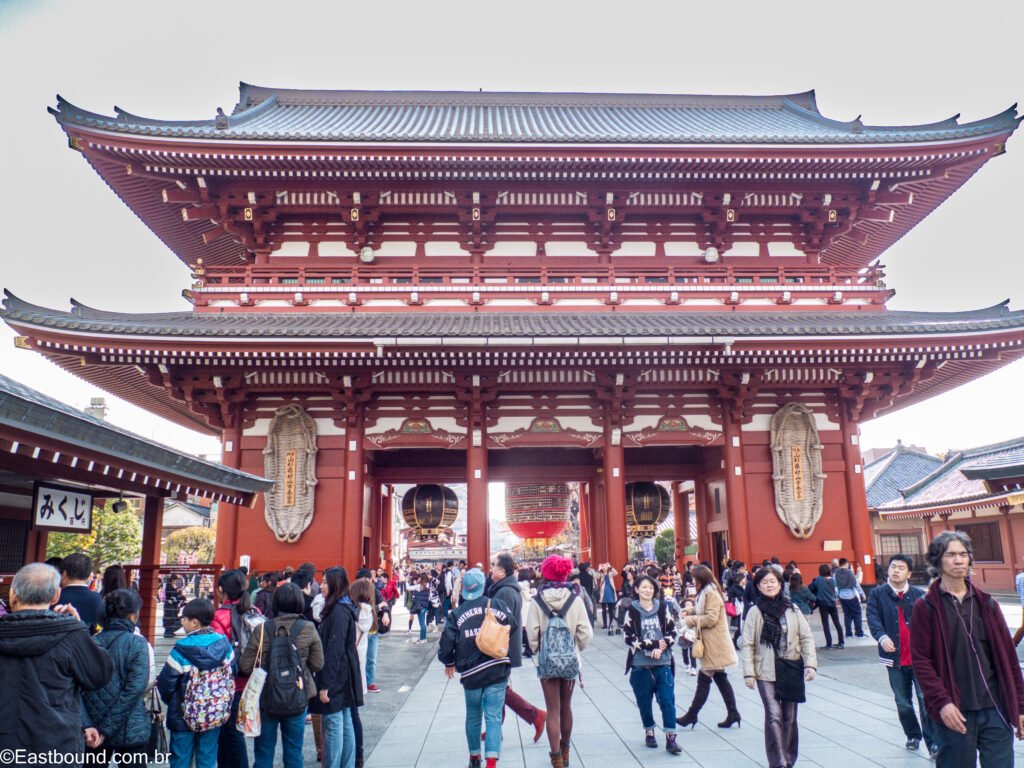
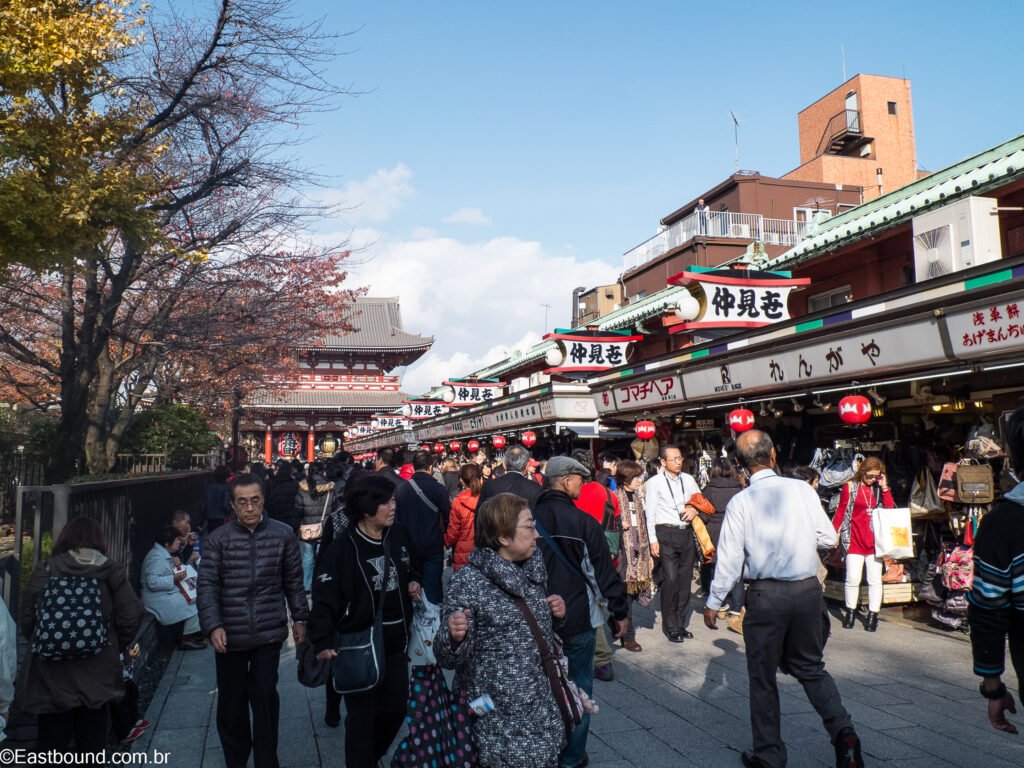
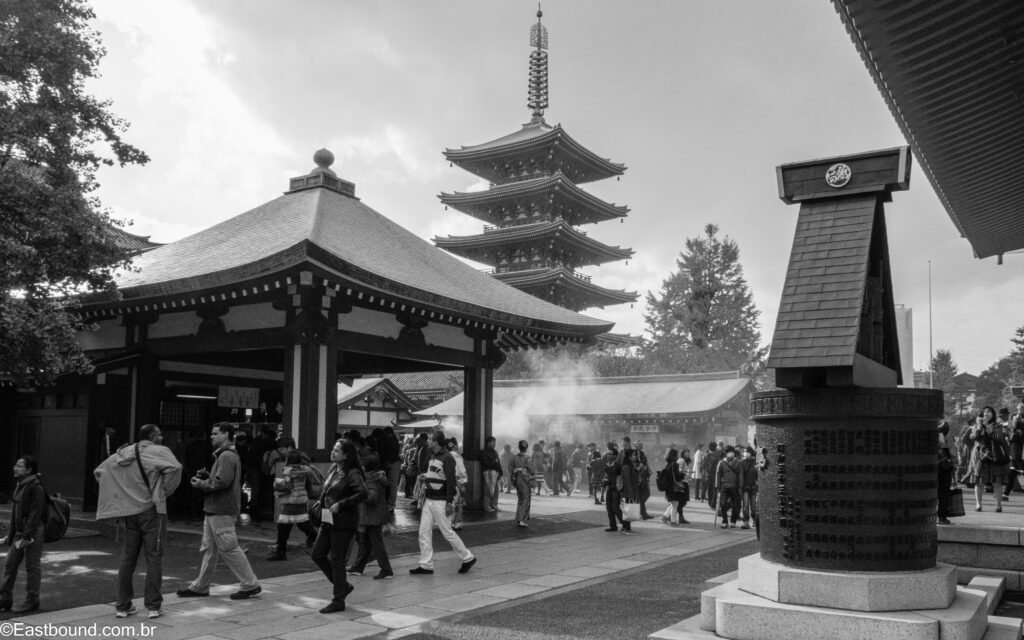
Sensō-ji is a cacophony of colors, the smell of incense, and people bowing and making wishes. In front of it, a shopping street offers an enormous variety of very cool tourist trinkets—a temptation to spend money. Don’t do it. Things there are much more expensive and less original than what you can find in many other places in Japan.
It is organized chaos, just as the neighborhood itself is extremely commercial and filled with shops on every surrounding street.
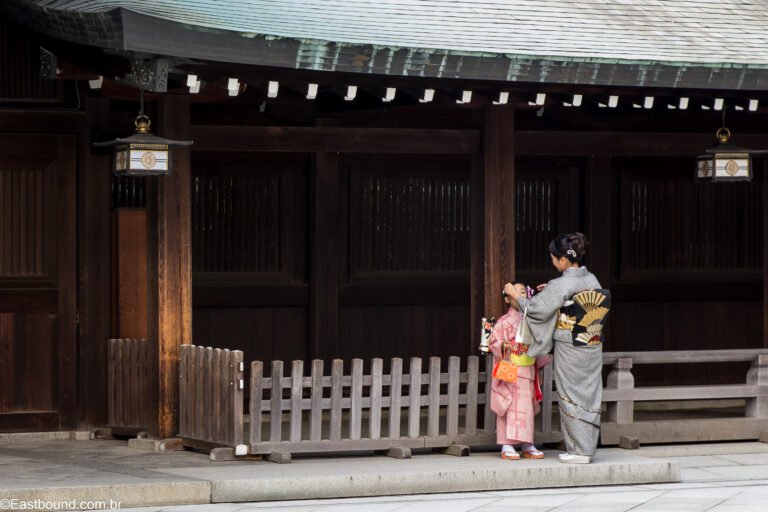
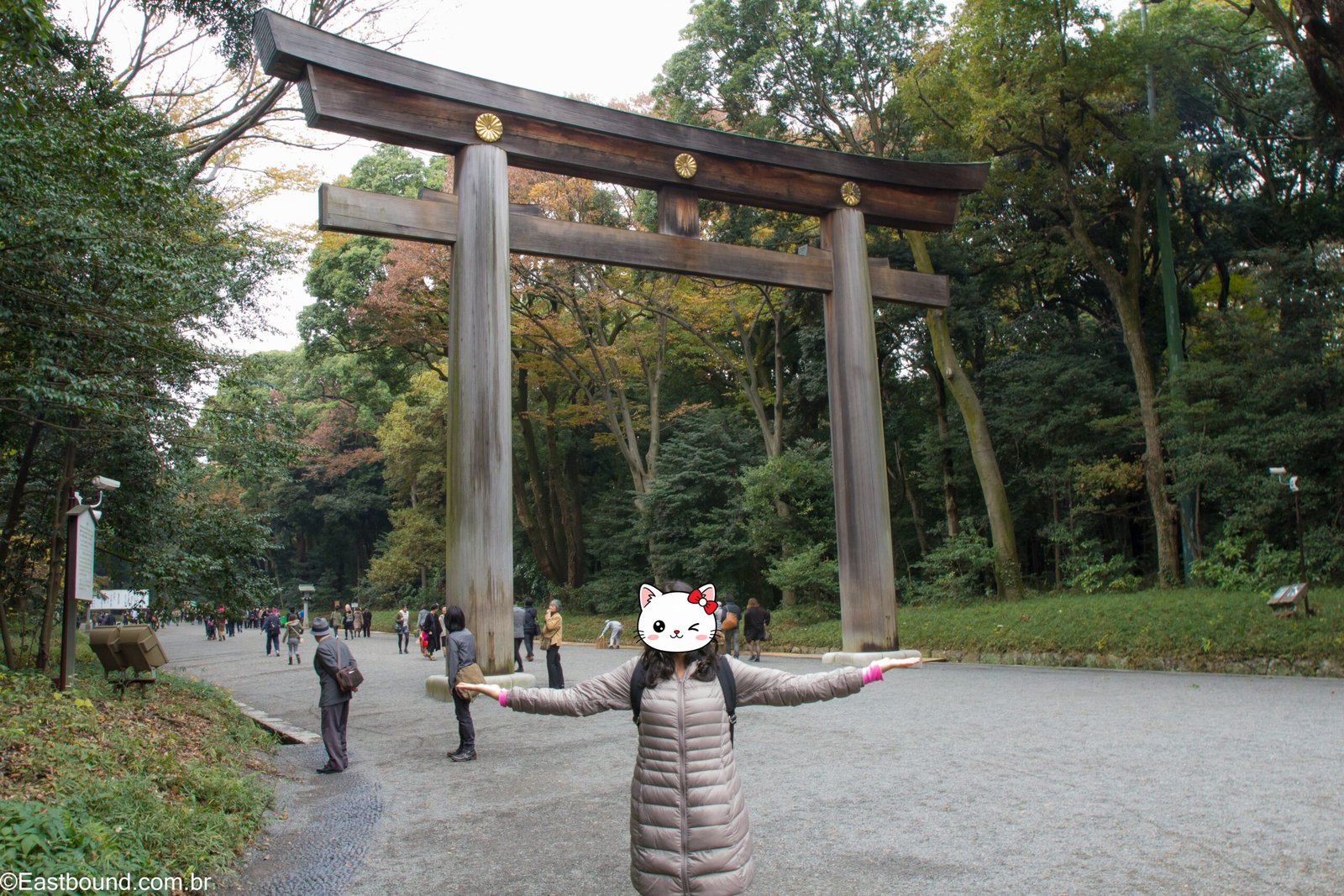
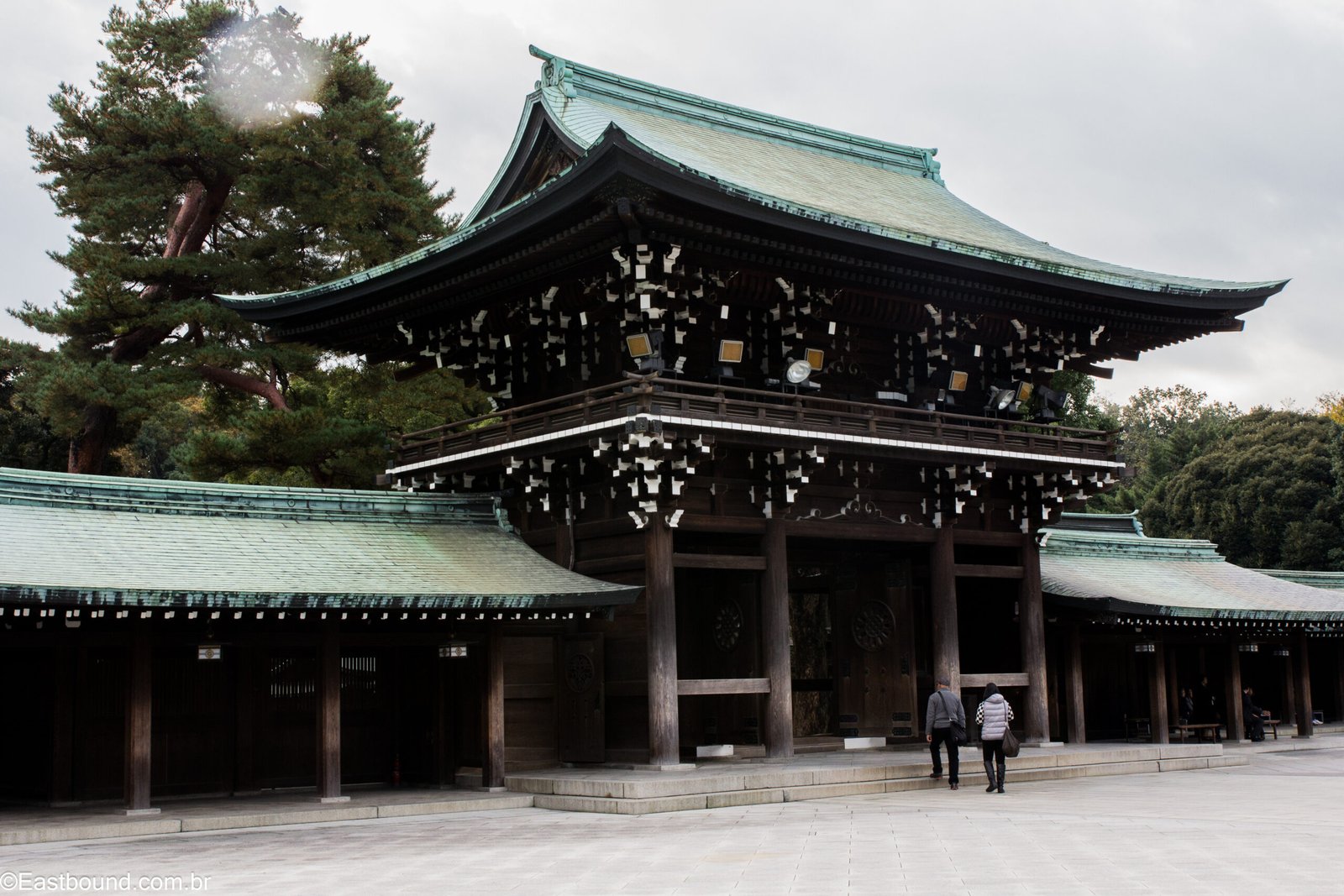
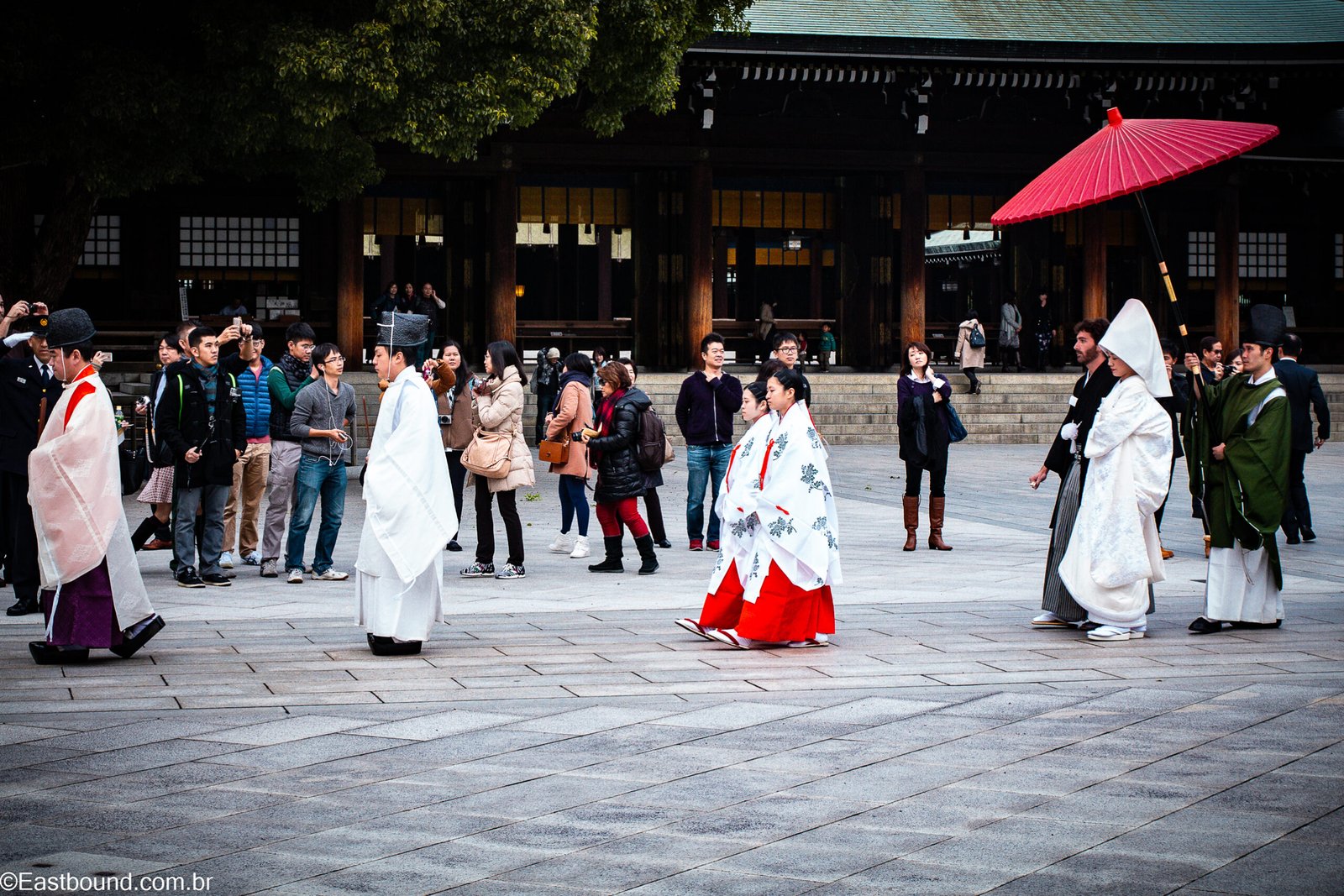
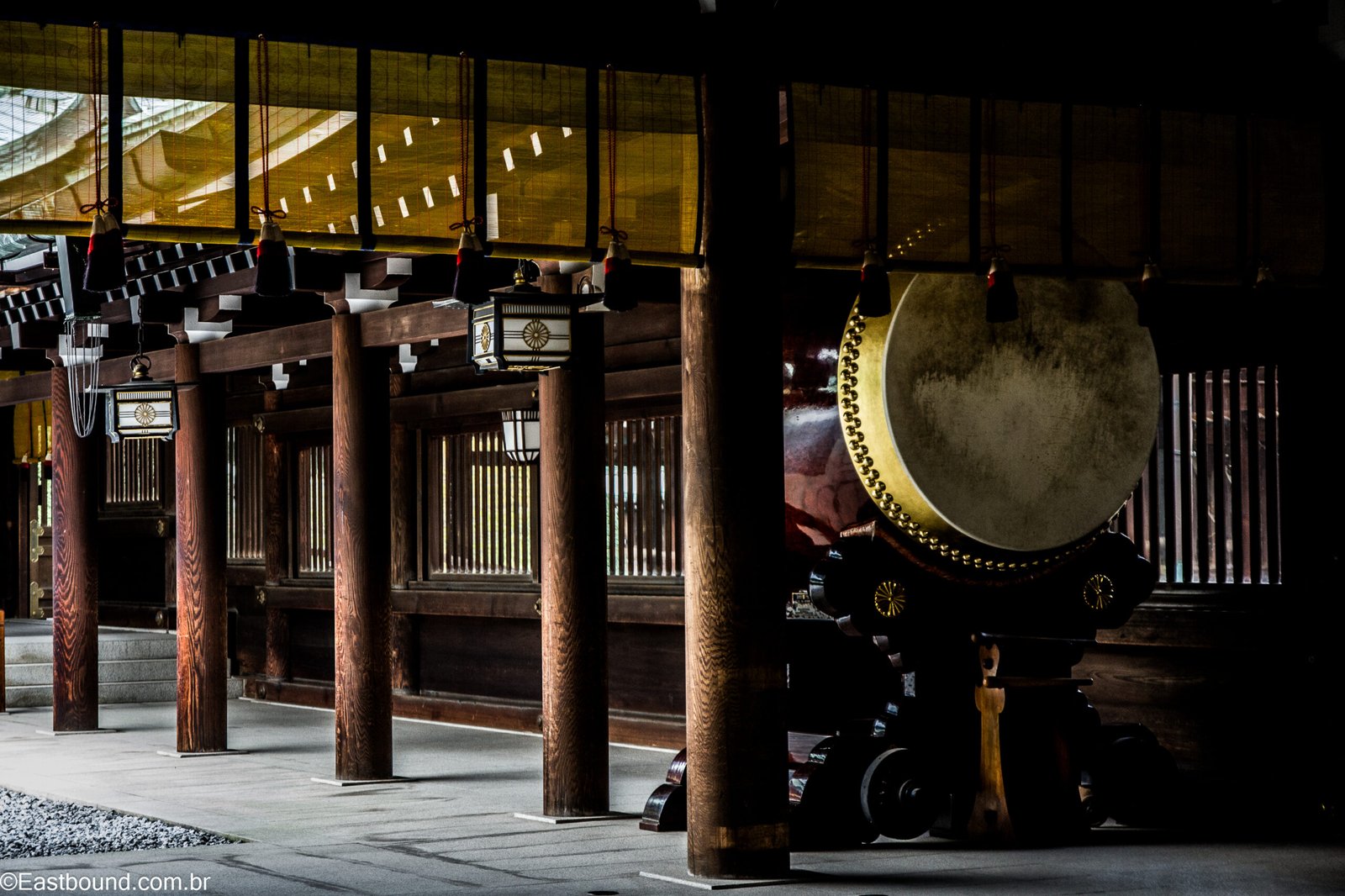
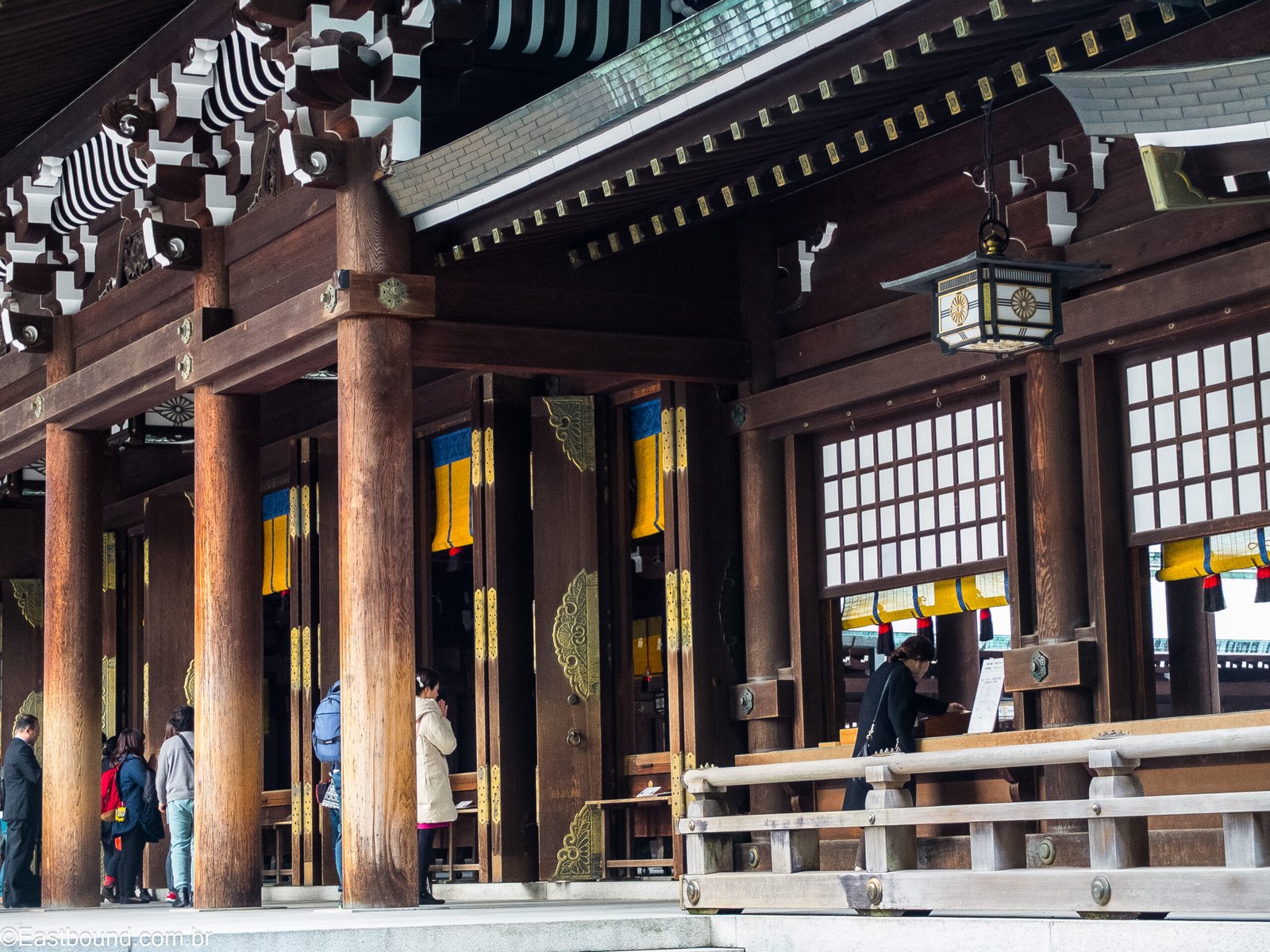
The second is Meiji Jingū. It sits in the middle of a large park right in central Tokyo. In complete contrast to Sensō-ji, it is calm and austere, with a remarkable serenity and elegance—not only because of its quiet surroundings, but also because of its architecture in bare wood, sober tones, and touches of gold. It is a place that inspires reflection and respect.
Zōjō-ji, curiously, has the same austere atmosphere as Meiji even though it is Buddhist. It is not colorful or filled with images, but rather very wooden and welcoming. The ritual hall is open, and you can sit on a tatami mat and remain in silence for as long as you want. It offers a warm, calm, welcoming atmosphere, along with the ever-present smell of incense. Together, it all feels like an invitation to rest and meditate.
If you are lucky, you may see a ceremony. I was, though not on this trip—years later. It is fascinating; the sounds and chants are impressive in person. I would say almost hypnotic. I went at the end of the day, and the temple was practically deserted, entirely mine. It is usually much busier.
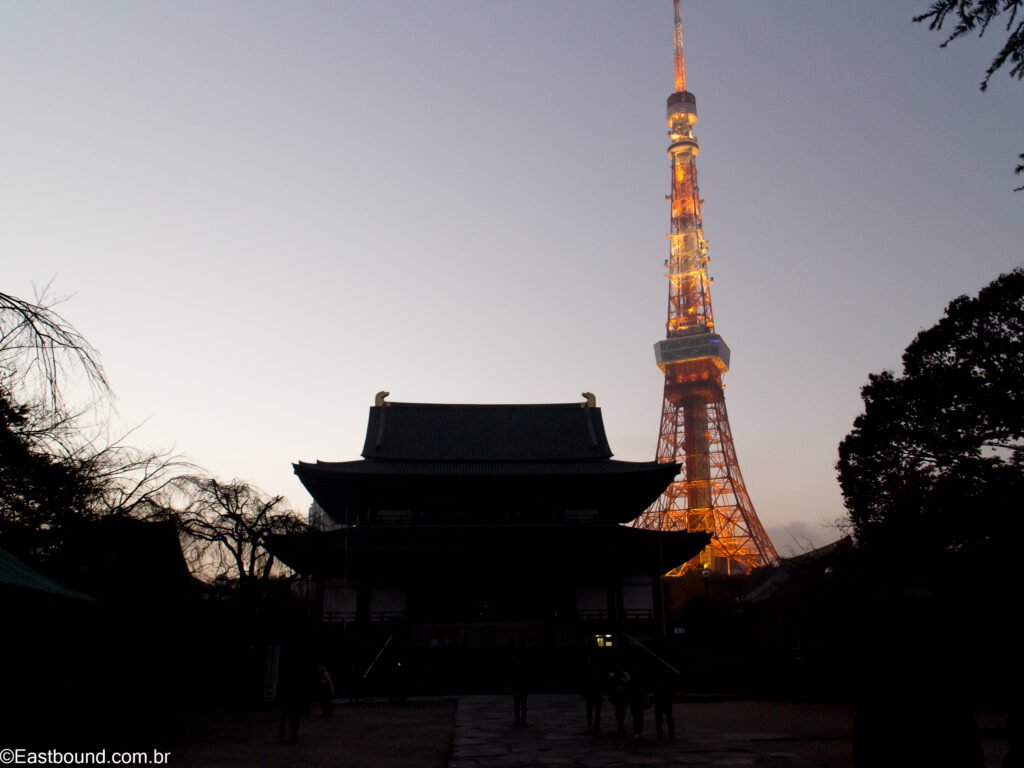
Behind it, you can see the mausoleum of the Tokugawa, Japan’s last shoguns, with Tokyo Tower in the background.
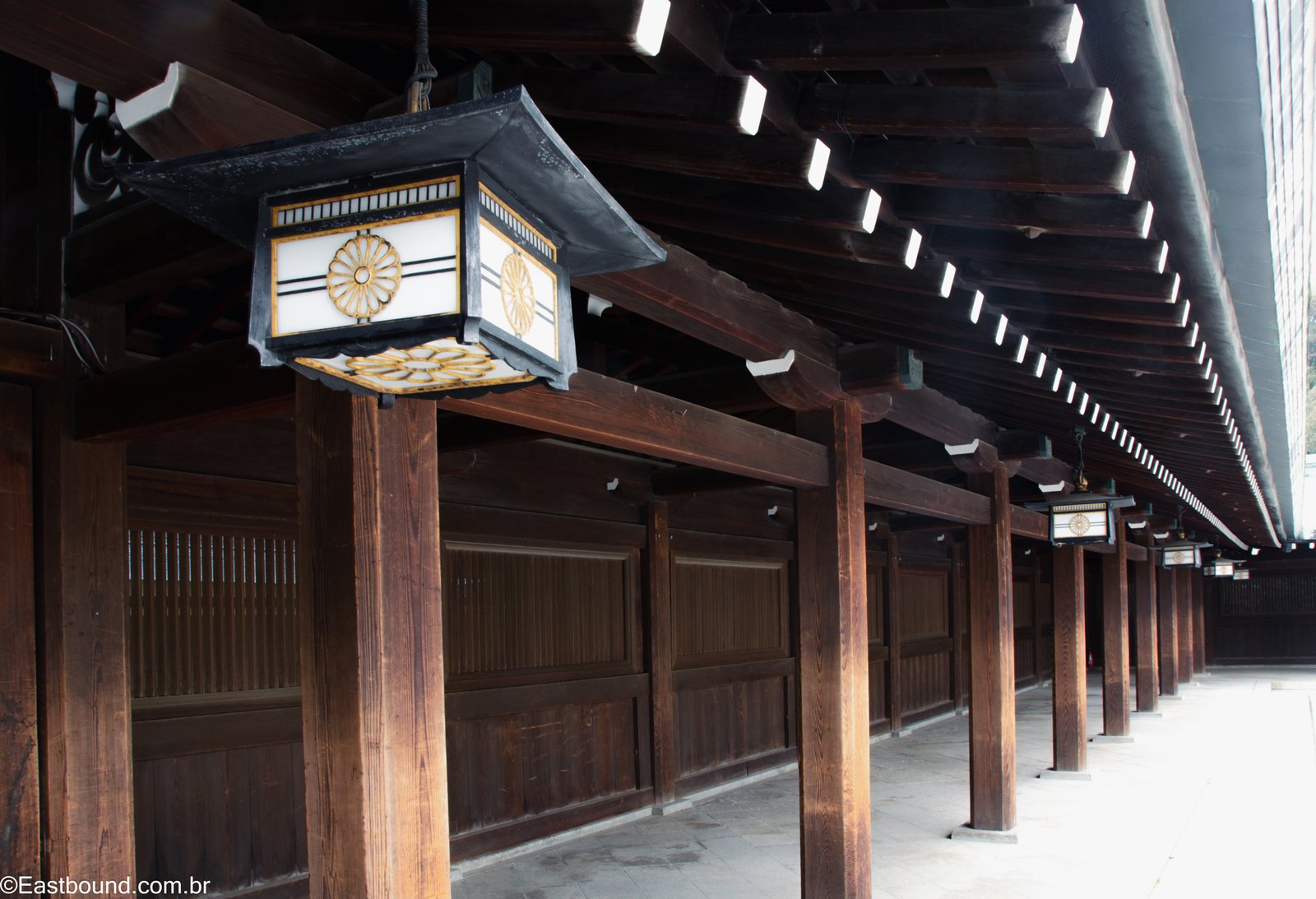
The last one, Ueno Tōshō-gū, is inside Ueno Park, probably Tokyo’s most important park, with several museums within it. I found the architecture interesting, and it had a particular visual setting, such as the corridors of bronze lanterns, but it was definitely not my favorite. It is more of a temple to see than to feel.
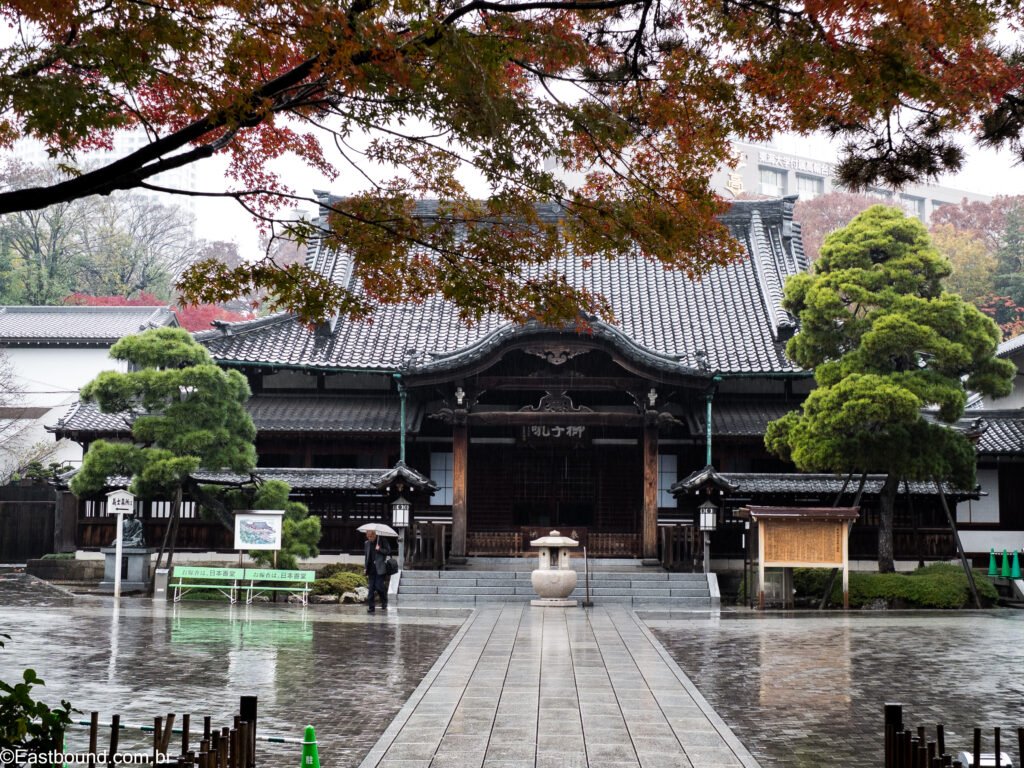
To complete the temple section, we visited one more, which has an interesting story but is not particularly famous. It was a rainy day, and the temple was far from the nearest train station. Despite the rain, the weather matched the theme. We went to Sengaku-ji, where the graves of the 47 rōnin are located—the same ones from the Keanu Reeves film.
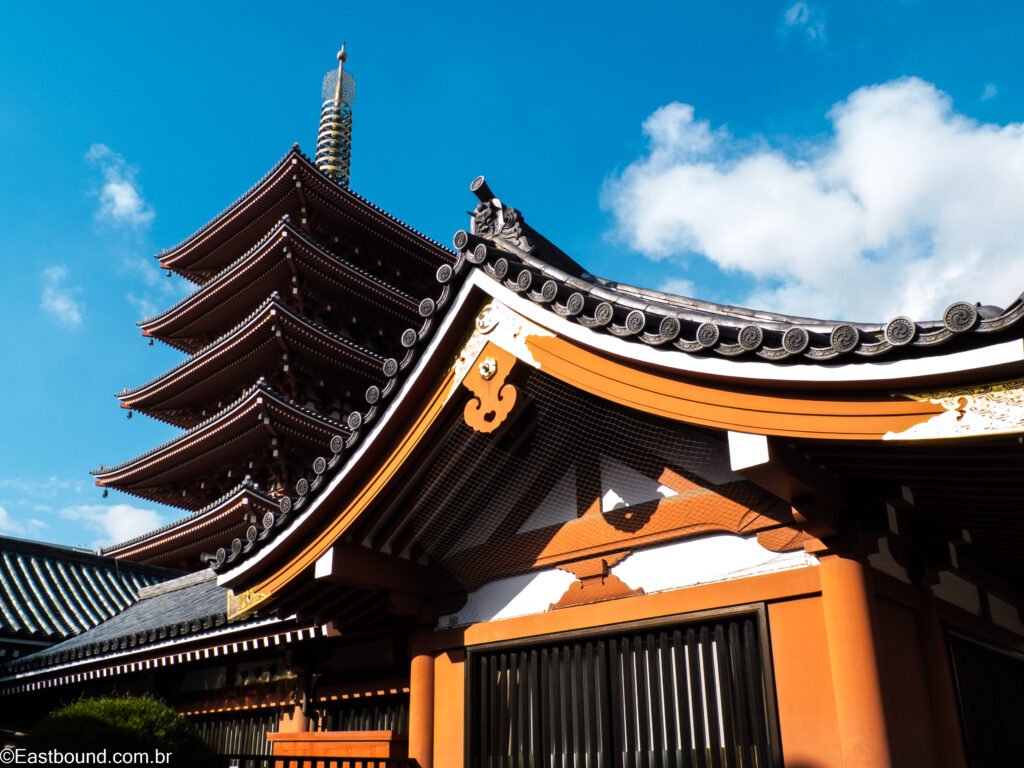
Sensō-ji — Buddhist; located in Asakusa and founded in 628. It is Tokyo’s oldest Buddhist temple and one of the most visited religious sites in Japan. According to tradition, two fishermen found a small image of Kannon, the Buddhist deity of compassion, in the Sumida River in 628. A temple was built to house it, giving rise to the complex that would help Asakusa develop as a religious and commercial center. Much of its architecture was destroyed during the bombings of 1945 and rebuilt after the war. The photograph shows Hōzōmon, the temple’s second great gate, located beyond the busy Nakamise shopping street.
Meiji Jingū — Shinto; Shibuya, between Harajuku and Yoyogi, 1920. It is a Shinto shrine dedicated to the deified spirits of Emperor Meiji and Empress Shōken. Inaugurated in 1920, it was created to preserve the memory of the imperial couple associated with Japan’s transformation into a modern state during the Meiji era. The shrine stands within a 70-hectare park in central Tokyo.
Zōjō-ji — Buddhist; Shiba Park; Jōdo-shū, or Pure Land, school of Buddhism. Founded in 1393, Zōjō-ji was moved to its present location in 1598 and became the family temple of the Tokugawa clan, which ruled Japan during the Edo period. Six of the fifteen Tokugawa shoguns were buried there, and their mausoleum is sometimes open to visitors—or what remains of it, as it was completely destroyed in the wartime bombings. Today, its traditional architecture creates one of the city’s most iconic views, with Tokyo Tower rising behind the temple and offering a beautiful example of Tokyo’s urban contrasts.
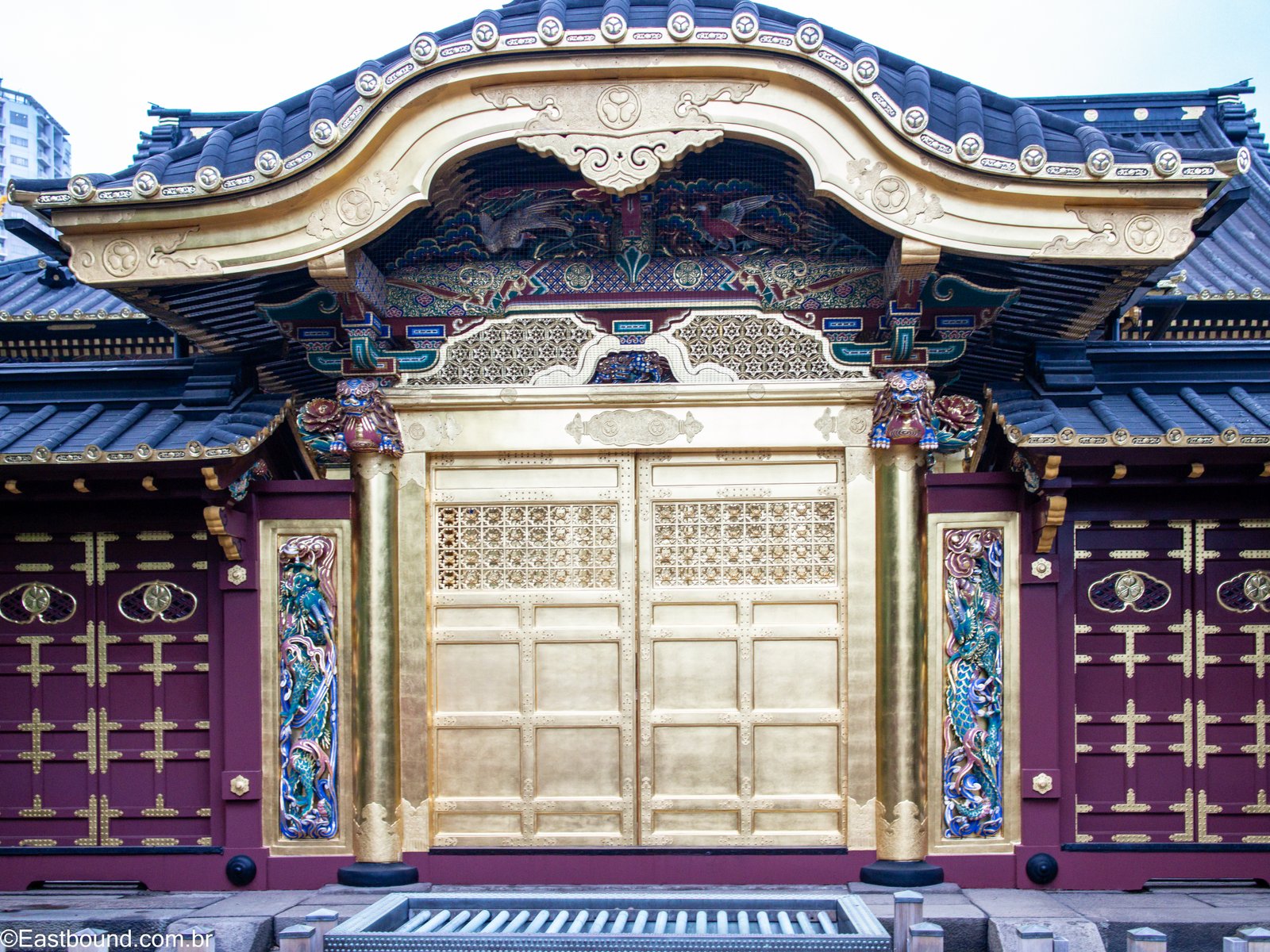
Ueno Tōshō-gū — Shinto; located in Ueno Park. It was built in 1627 in honor of Tokugawa Ieyasu, the unifier of Japan and founder of the regime that ruled the country during the Edo period. It was rebuilt in 1651 by Tokugawa Iemitsu and has remained practically intact ever since, surviving wars, fires, and the Great Kantō Earthquake of 1923. Inside are the famous bronze lanterns, offered to the Tokugawa by daimyō. They were used in religious ceremonies and are now considered cultural heritage. In the background is the Karamon Gate, decorated with gold leaf and carvings of animals and plants.

Marunouchi, the Imperial Palace, and Tokyo Station
Outside the temple circuit, the obligatory stop is the Imperial Palace. It is in the Marunouchi area, Tokyo’s wealthiest business district—their equivalent of Faria Lima. It is essentially corporate and deserted at night.
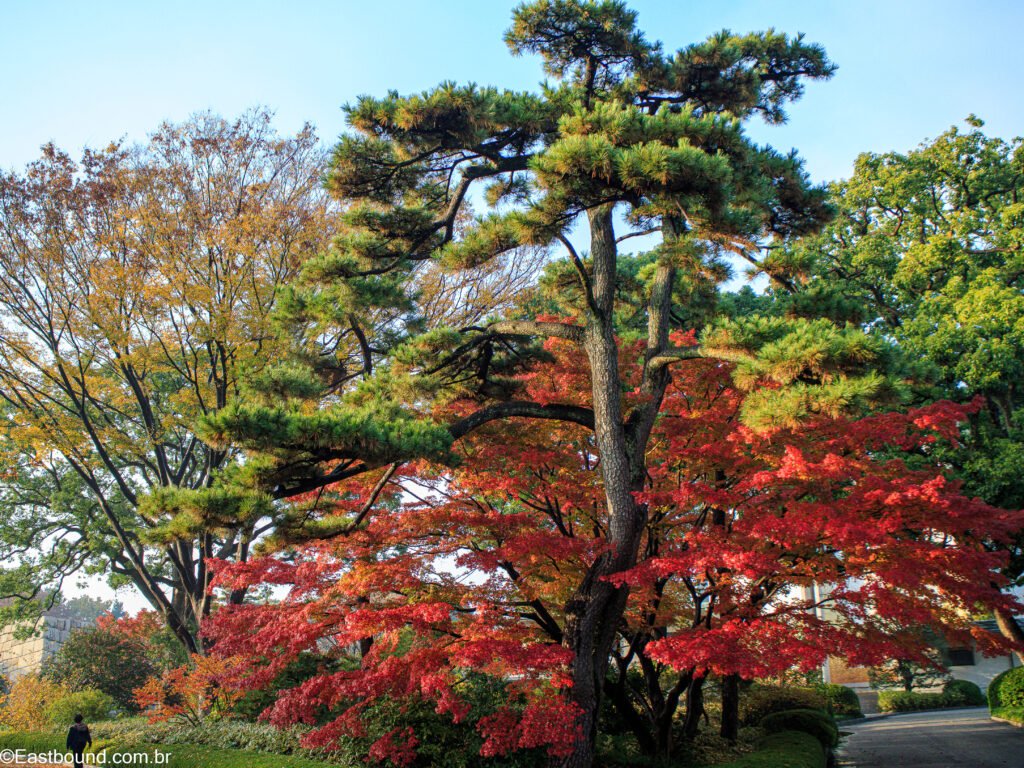
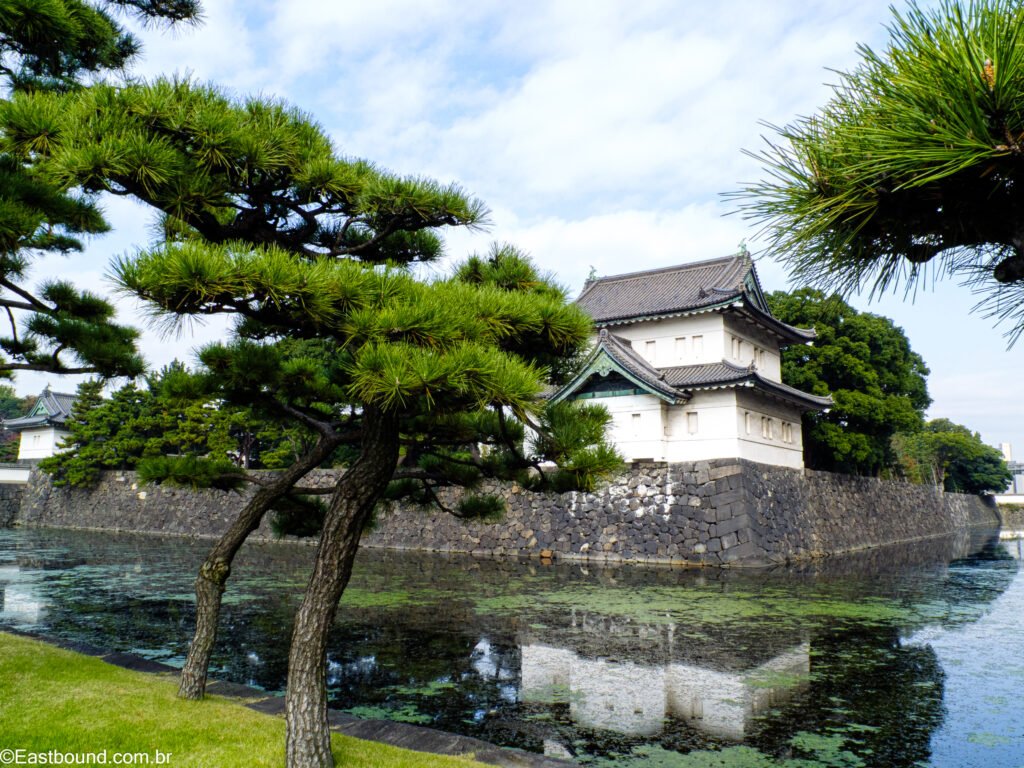
The Imperial Palace is closed to visitors. You can only visit the outer gardens. They are very spacious and beautiful, and Japanese people love having picnics there on weekends. It is not Tokyo’s most beautiful park, nor its largest, and worst of all… there is no food nearby apart from the ever-present vending machines. There is nowhere to sit and have a coffee or eat an onigiri. In autumn, it becomes beautiful as the foliage turns red. In short, visiting the Palace itself is not the most exciting experience, but if you combine it with getting lost among Marunouchi’s streets and expensive shopping centers filled with interesting little shops, and extend the visit to the Museum of Contemporary Art, it becomes a much more worthwhile outing.
A short walk away, you reach Tokyo Station—if you have not already passed through it.
Akihabara by day
With work finally over, we planned an itinerary through the rest of Tokyo, eager to make the most of our two remaining days. It was frantic.
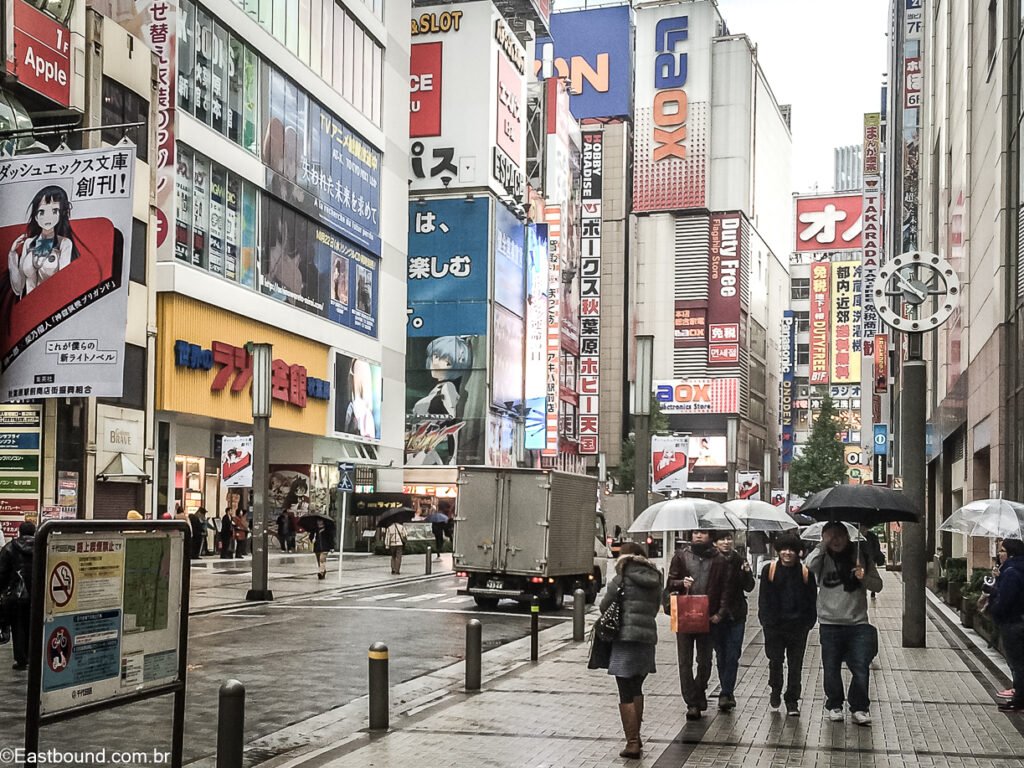
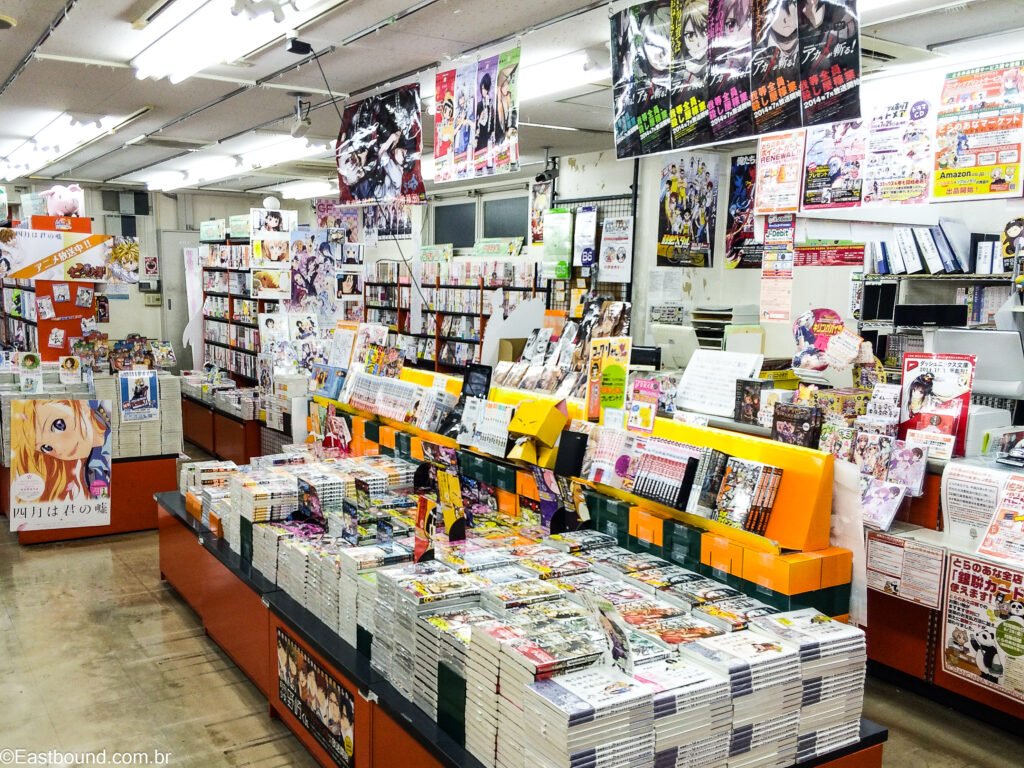
The first thing I did was return to Akihabara during the day to explore it calmly and well-rested. This time, we even found cosplay costume shops and sex shops, as well as wandering through the surreal floors dedicated to hentai—erotic manga—where elderly men mixed with uniformed school students browsing the thousands of available volumes. It is worth it for the anthropological experience. Seeing a ninety-year-old gentleman leave with a basket full of spicy manga and a smile on his face is priceless.
Shibuya and Shinjuku
The vertical city and the bay
After that, during the same weekend, we still managed to visit Tokyo Skytree in the pleasant Sumida neighborhood. It is part of a complex connected to a shopping mall filled with cool stores, and it was where I saw a Studio Ghibli shop for the first time. There, you can fill an entire suitcase with every kind of souvenir and gift related to Princess Mononoke, My Neighbor Totoro, and Kiki’s Delivery Service—my favorites. It is a fantastic place to spend money.
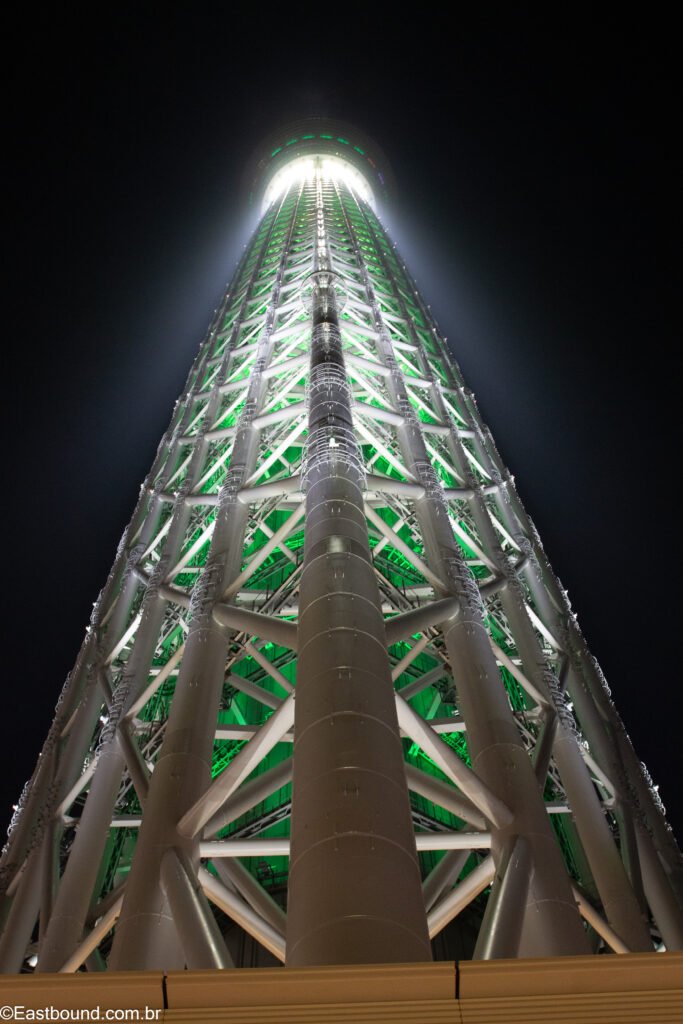
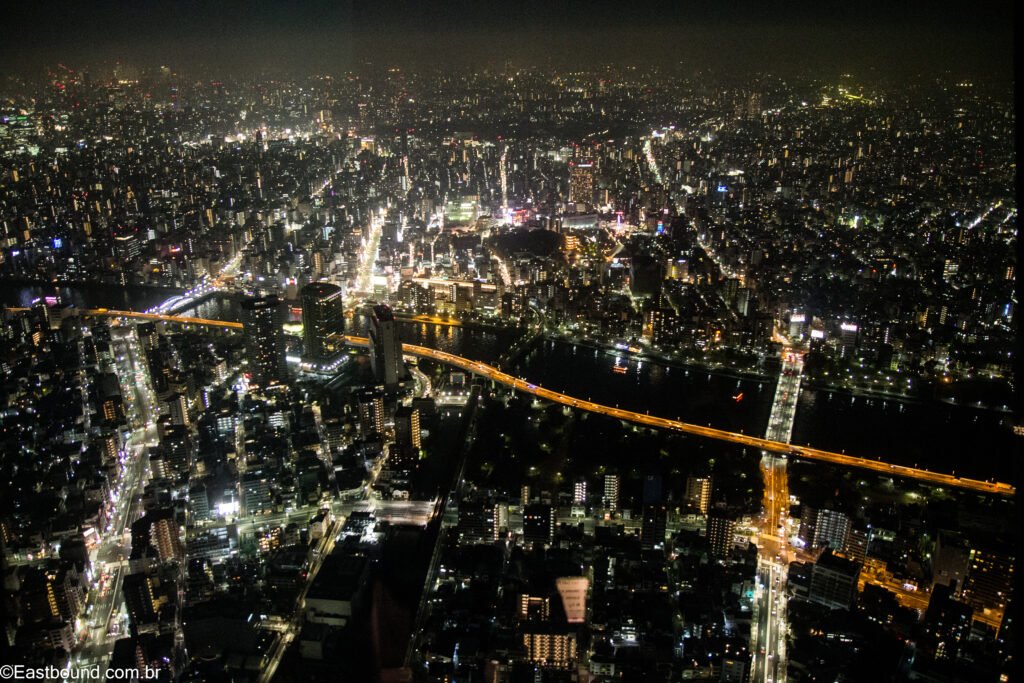
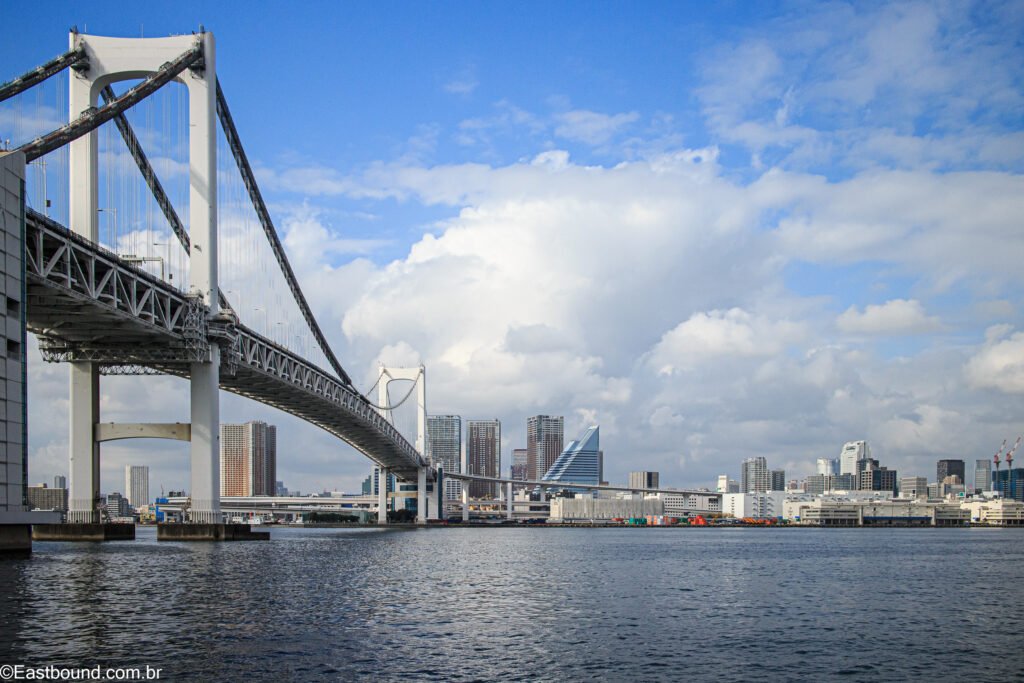
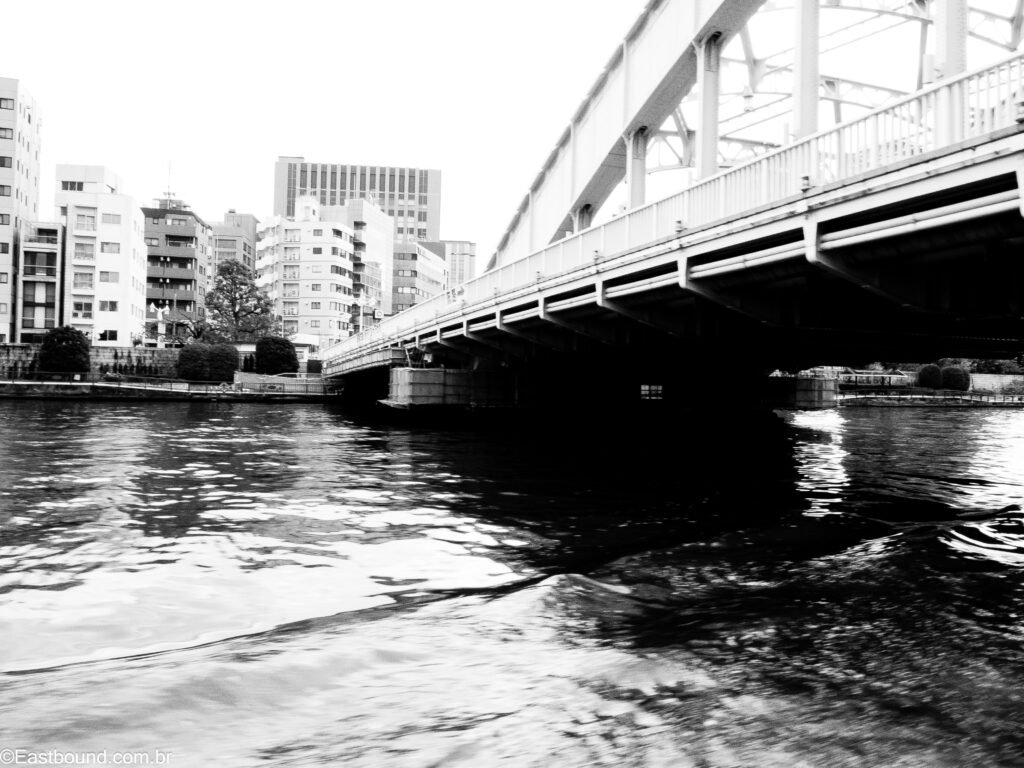
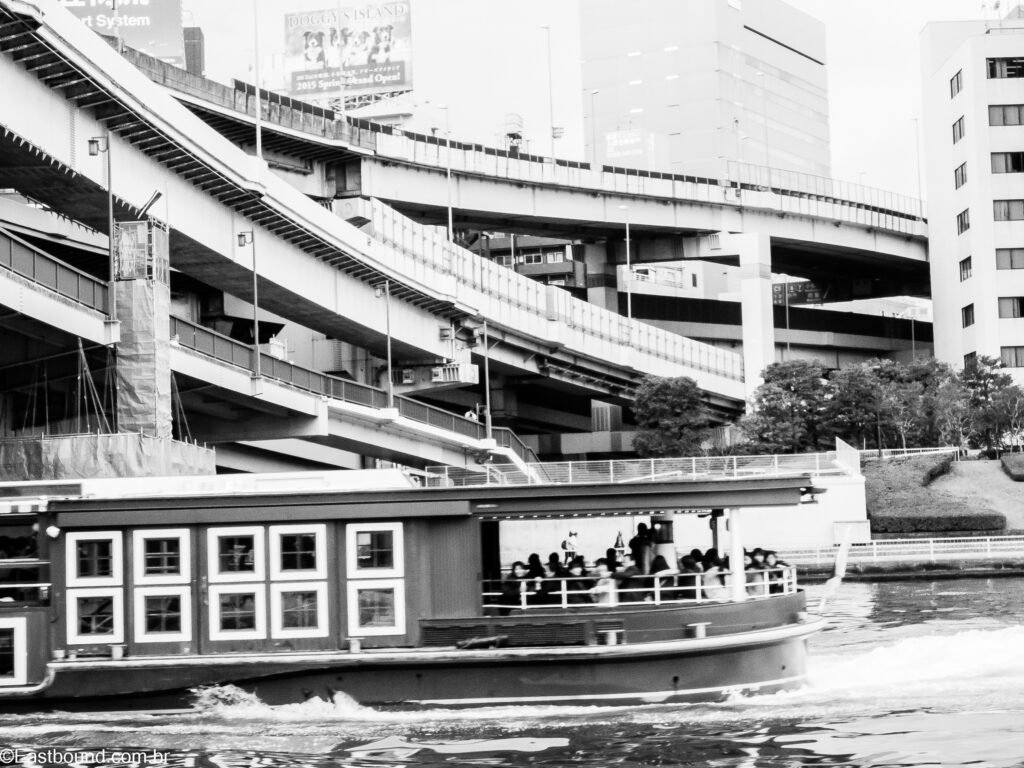
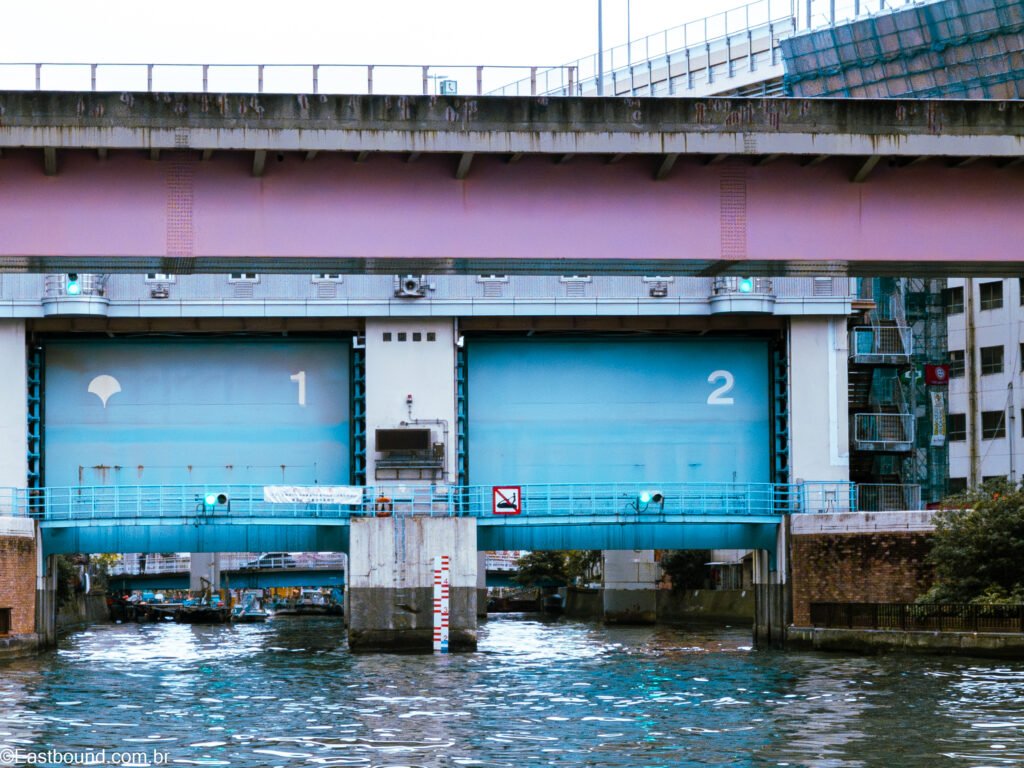
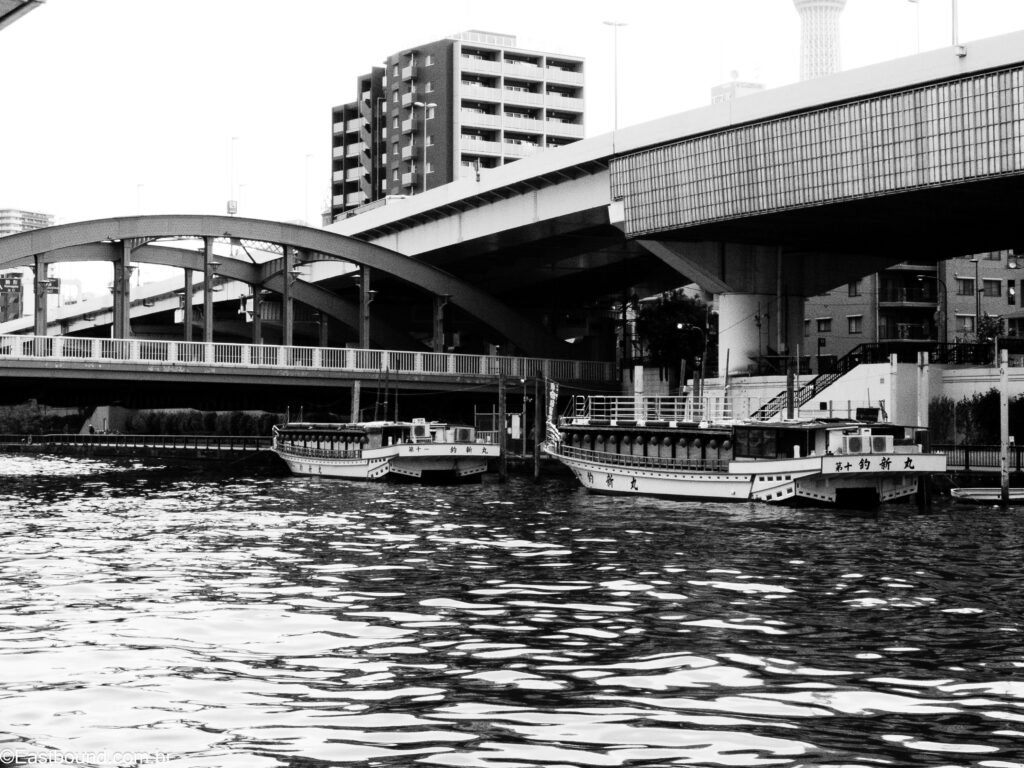
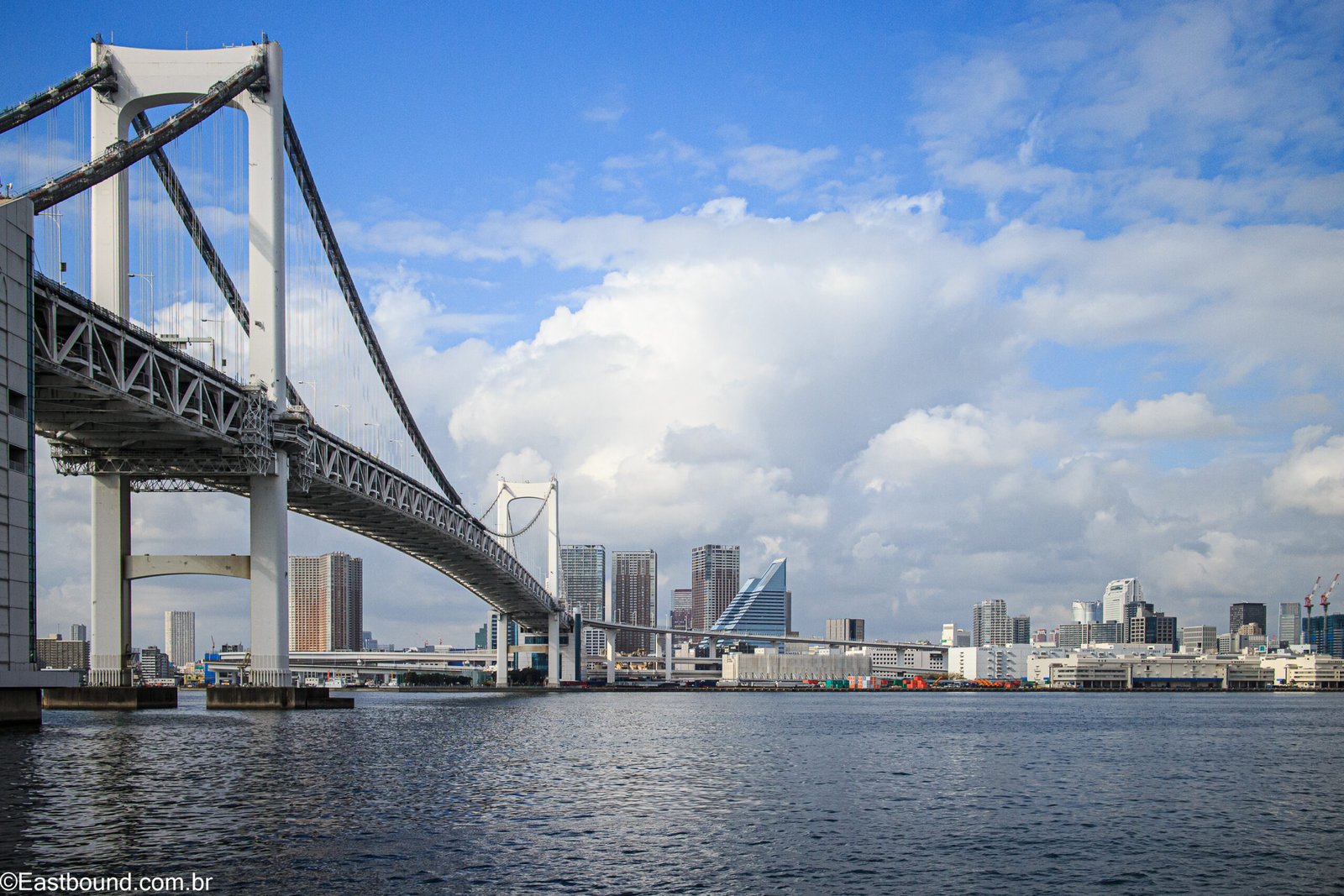
We also took a boat ride around Tokyo Bay and along the Sumida River, on an open deck, where we could even drink champagne while enjoying the view. You pass between Tokyo’s gigantic bridges and elevated roads and get a close look at the impressive infrastructure of flood-control gates and levees.
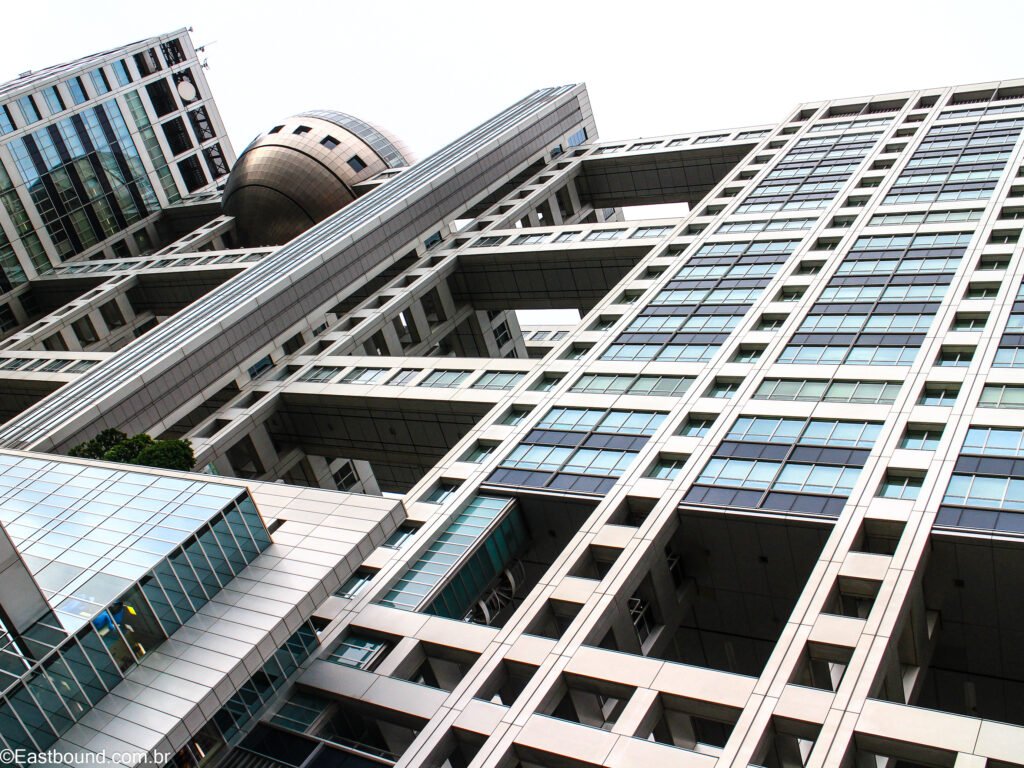
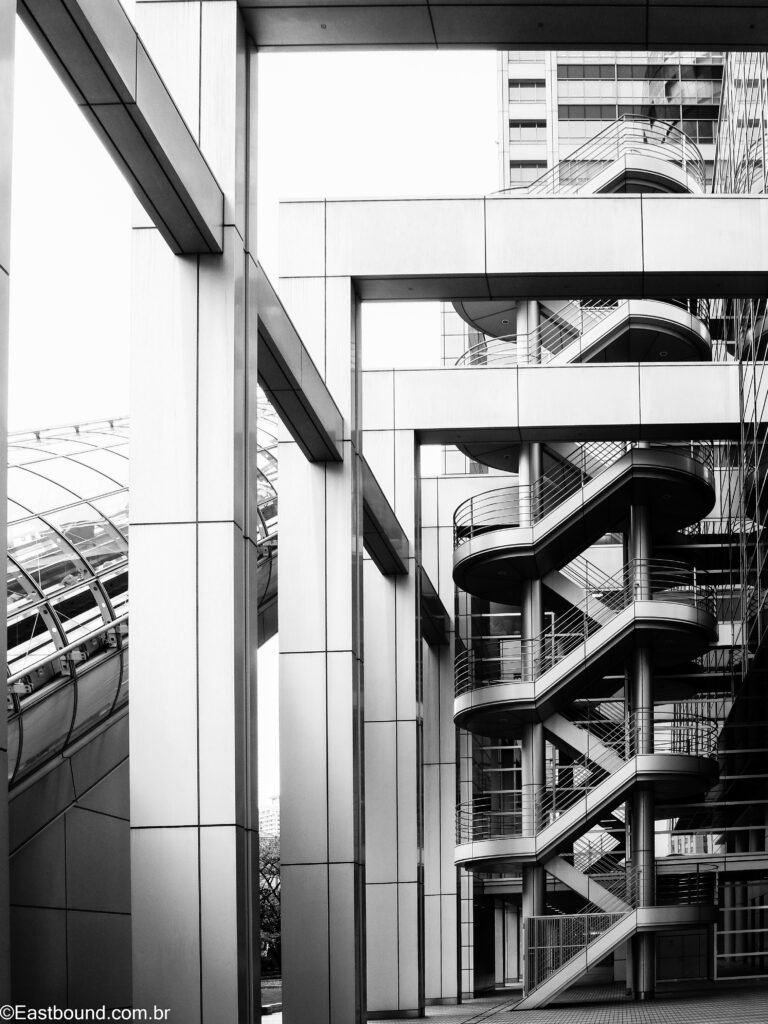
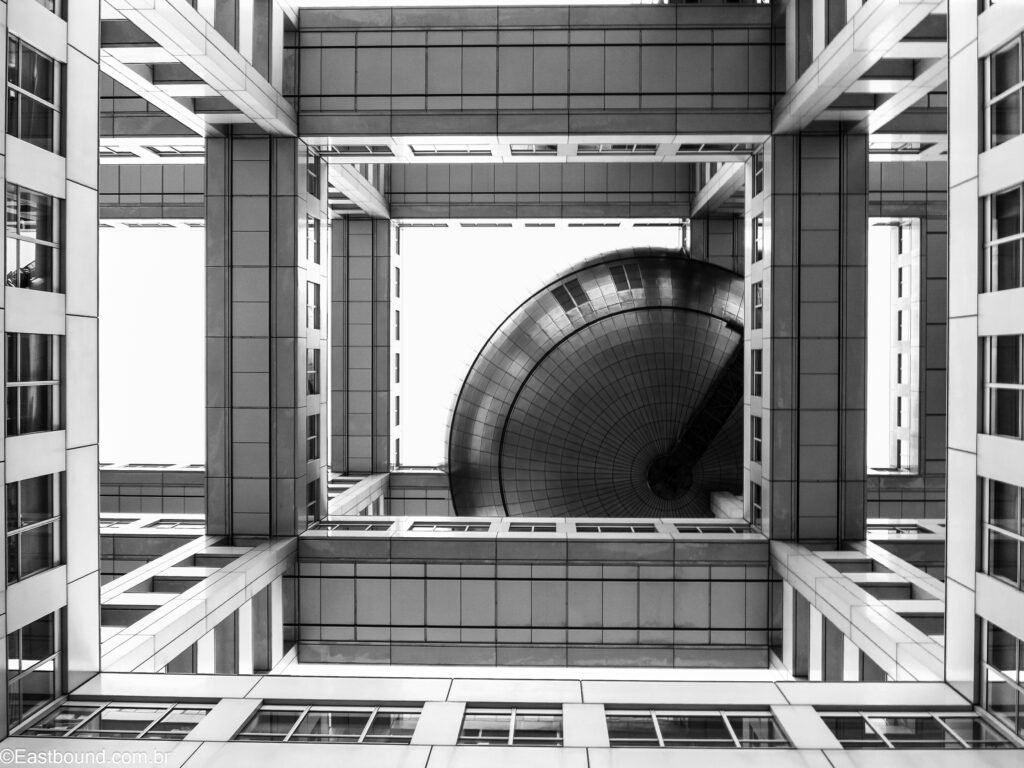
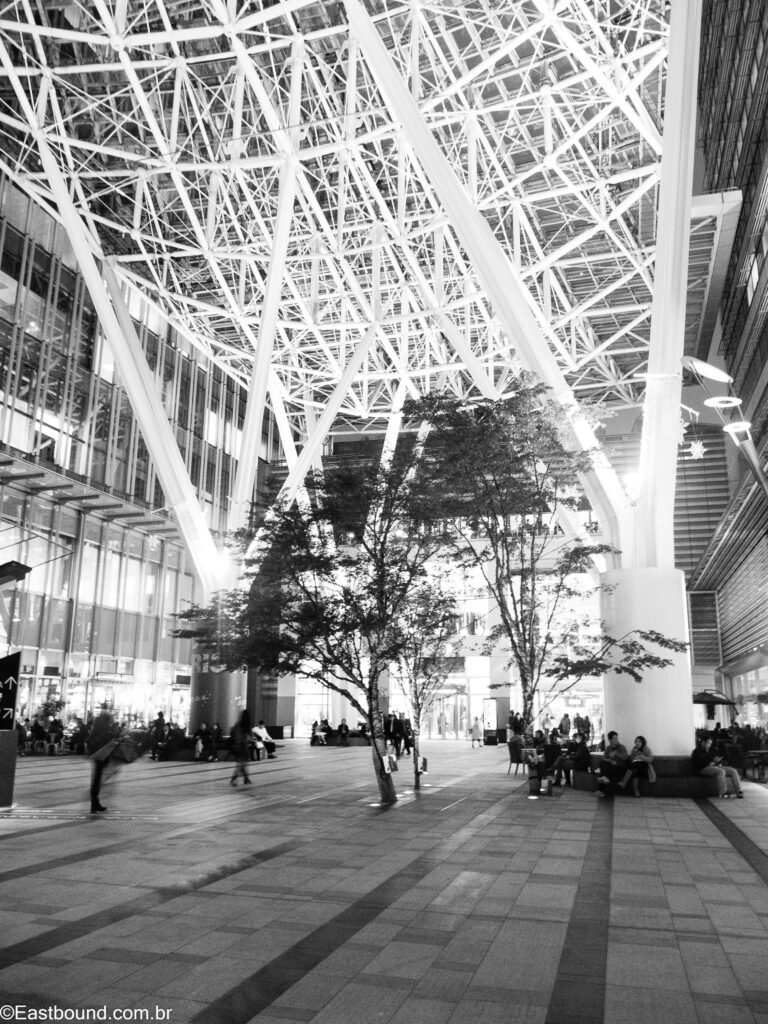
Across Tokyo Bay, you can reach the former Fuji Television building. There is no permanent exhibition or display there. The place itself is the attraction, because of its unique architecture and the large spherical observation room offering a privileged view of Tokyo. It is a delight for a photographic eye. I spent hours finding different angles among the Lego-like structure and its brushed-steel columns.
Then we headed to Tokyo’s main shopping areas, home to the greatest concentration of stores—and the best chance of completely blowing your travel budget: Shinjuku and Shibuya. Shinjuku is an experience in itself. Its station, the busiest in the world, is a vast maze with more than 200 exits.
The signage is fantastic. The Japanese are masters of cartography and wayfinding, but it is useless. You will never manage to find the place Google Maps is sending you to. There are even famous memes about it: Shinjuky and the Infinite Castle
The signage is fantastic. The Japanese are masters of cartography and wayfinding, but it is useless. You will never manage to find the place Google Maps is sending you to. There are even famous memes about it. The area around Shinjuku is a shopping paradise for tourists who are not millionaires. There are hundreds of stores selling designer and non-designer clothing, as well as technical and outdoor brands such as The North Face and Arc’teryx. But I am talking about huge, six-story stores selling nothing but sneakers. And then there are the unmissable Muji and Uniqlo stores.
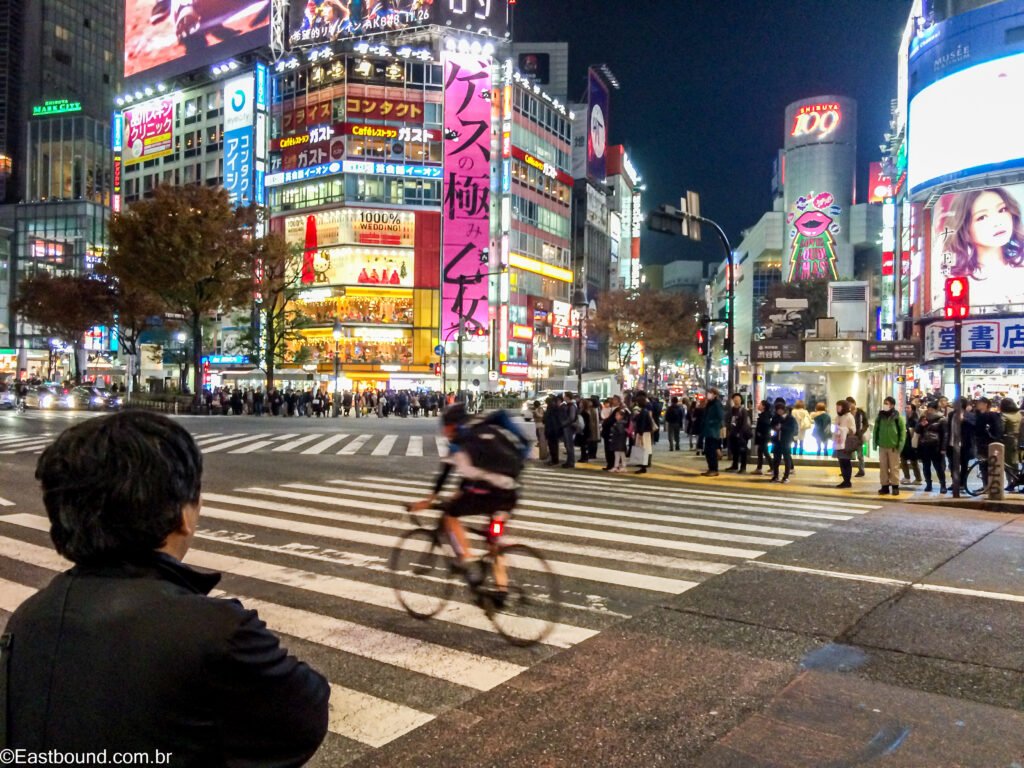
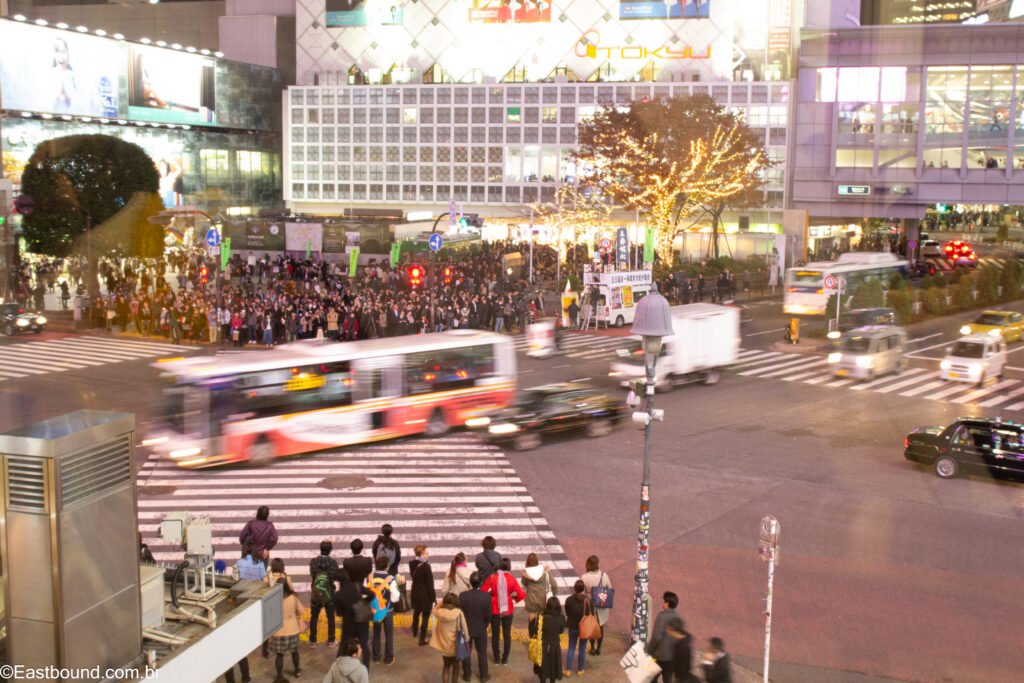
Shibuya is chaos in its most organized possible form. You can cross that intersection with pedestrians coming from four conflicting directions, plus another four secondary ones. No one bumps into anyone. It is astonishing. I have crossed it countless times over the years and have never once made physical contact with another person.
When I went there, I was lucky enough to get a privileged spot inside the iconic Starbucks on the third floor of a nearby building. But that was in 2014. Today, it is a battle just to get inside.
Eating was also part of the journey
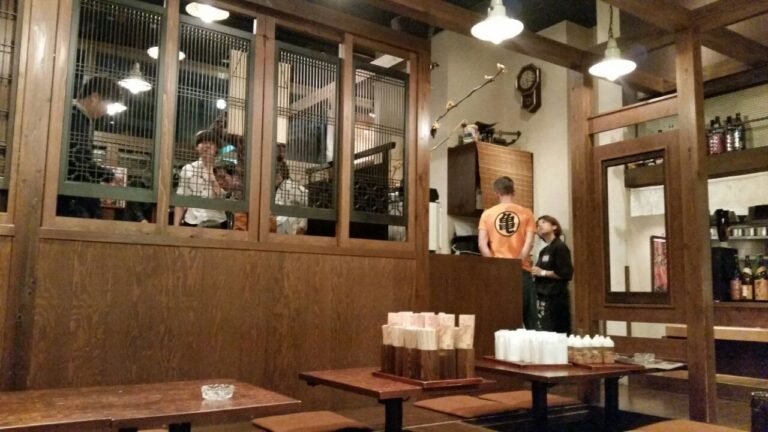
As for the food experiences, basically everything there is delicious and healthy. Anything we stopped to eat—from a 7-Eleven egg-salad sandwich to udon—was very good. I do have some reservations about the famous sashimi pizza and the make-it-yourself dishes, such as this monjayaki restaurant in Asakusa, where we cooked our own food on the teppan. The idea is to make something like a pancake with dozens of different ingredients. Total failure.
The second type is the yakiniku restaurant (焼肉)—Japanese barbecue. It is impossible to get the meat right on your first attempt, so you will either burn it or dry it out completely. After many trips to Japan, I finally managed to achieve the correct level of juiciness, tenderness, and redness for properly enjoying this delicacy.
Another fun experience is visiting an English pub. At the time—and I am sure this is still true—there was a large community of expatriates and Japanese people who enjoyed the good old English-style pub. Just as an English pub should be, they really like them. There are several, with excellent beer, and they are always lively.
Recommended.
Other stops
We ended the trip with:
Japanese Sword Museum: here you can see gleaming, extremely sharp katanas and tachis from the thirteenth century.
Roppongi Hills: an upscale neighborhood with endless shopping centers and galleries.
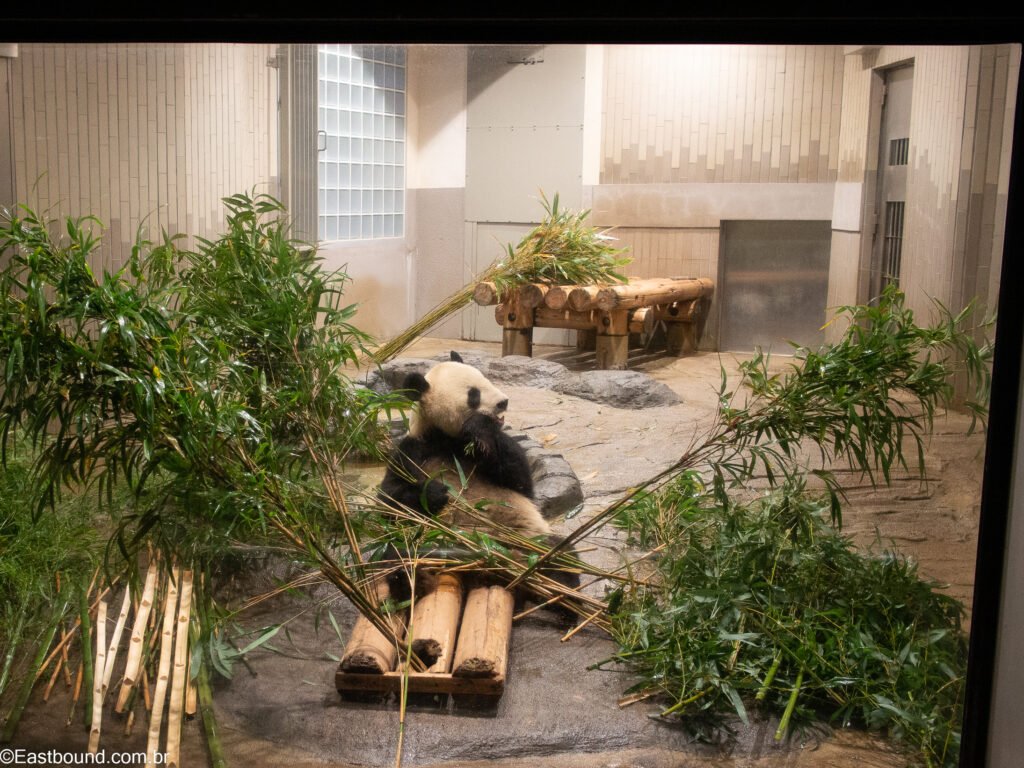
Ueno Zoo: yes, they have pandas.
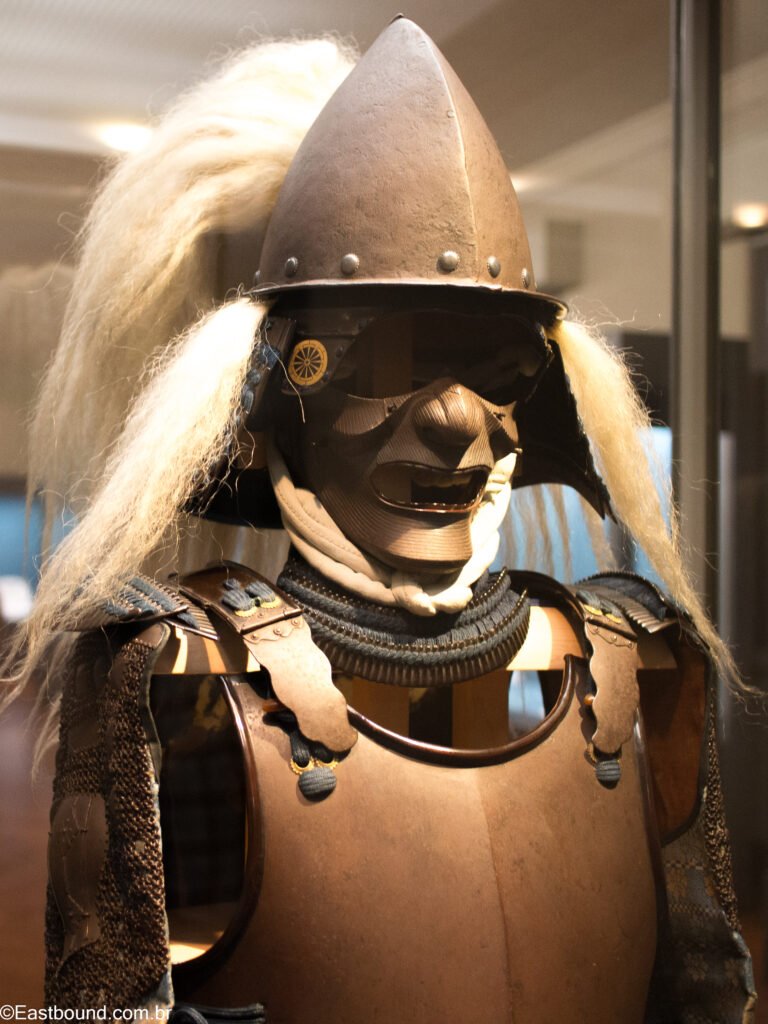
Tokyo National Museum in Ueno Park: with a remarkable collection spanning Japanese prehistory to the modern era, as well as a fantastic collection of armor.
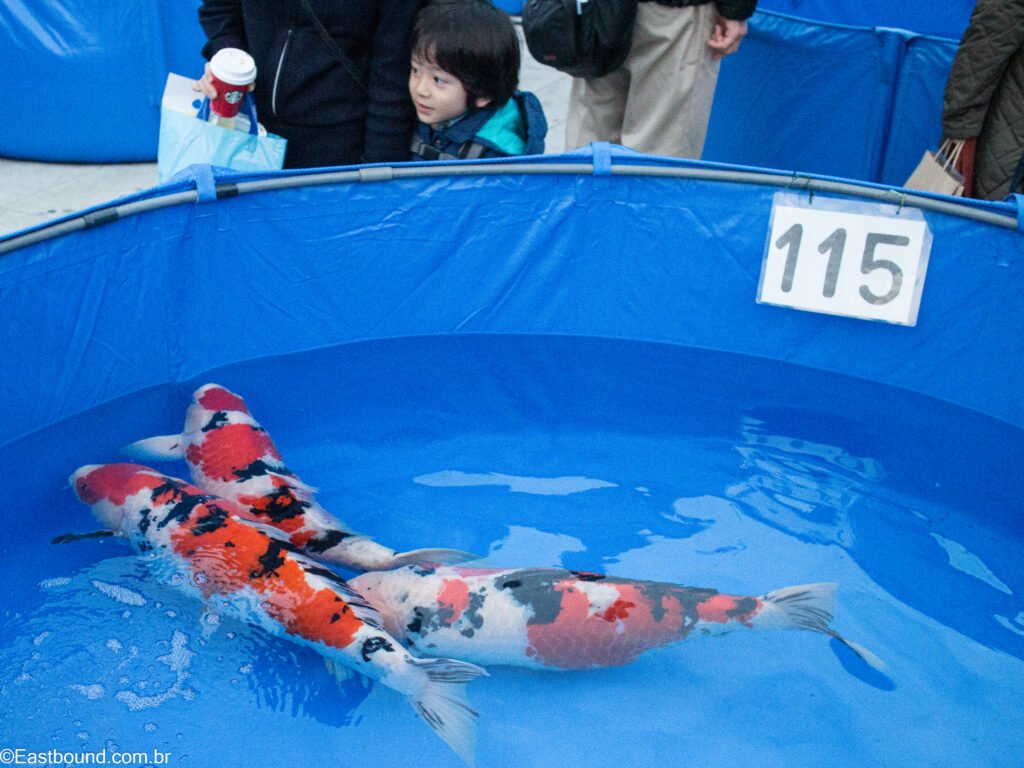
A random koi fair that we found along the way.