Bicycle Framebuilding
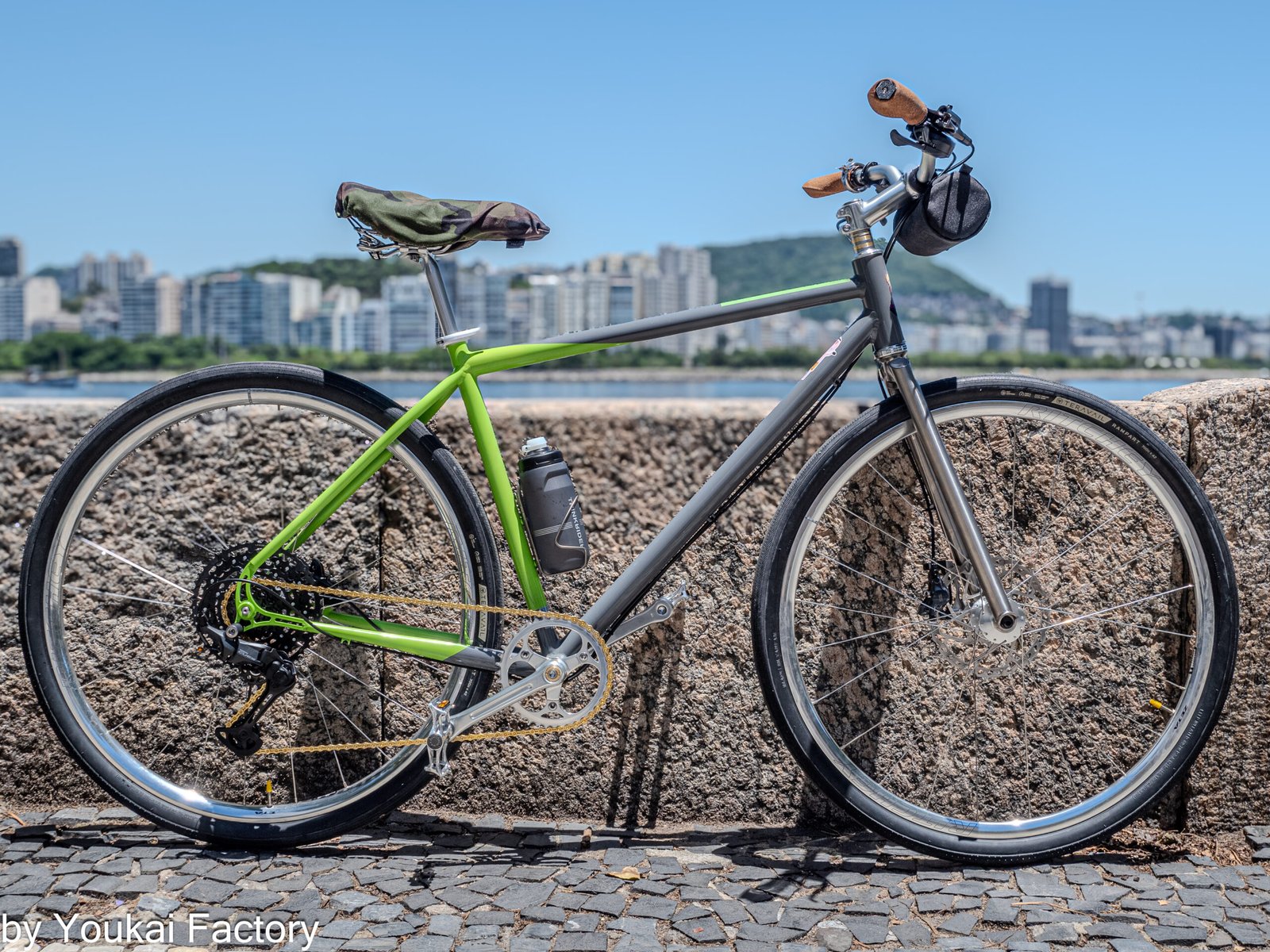
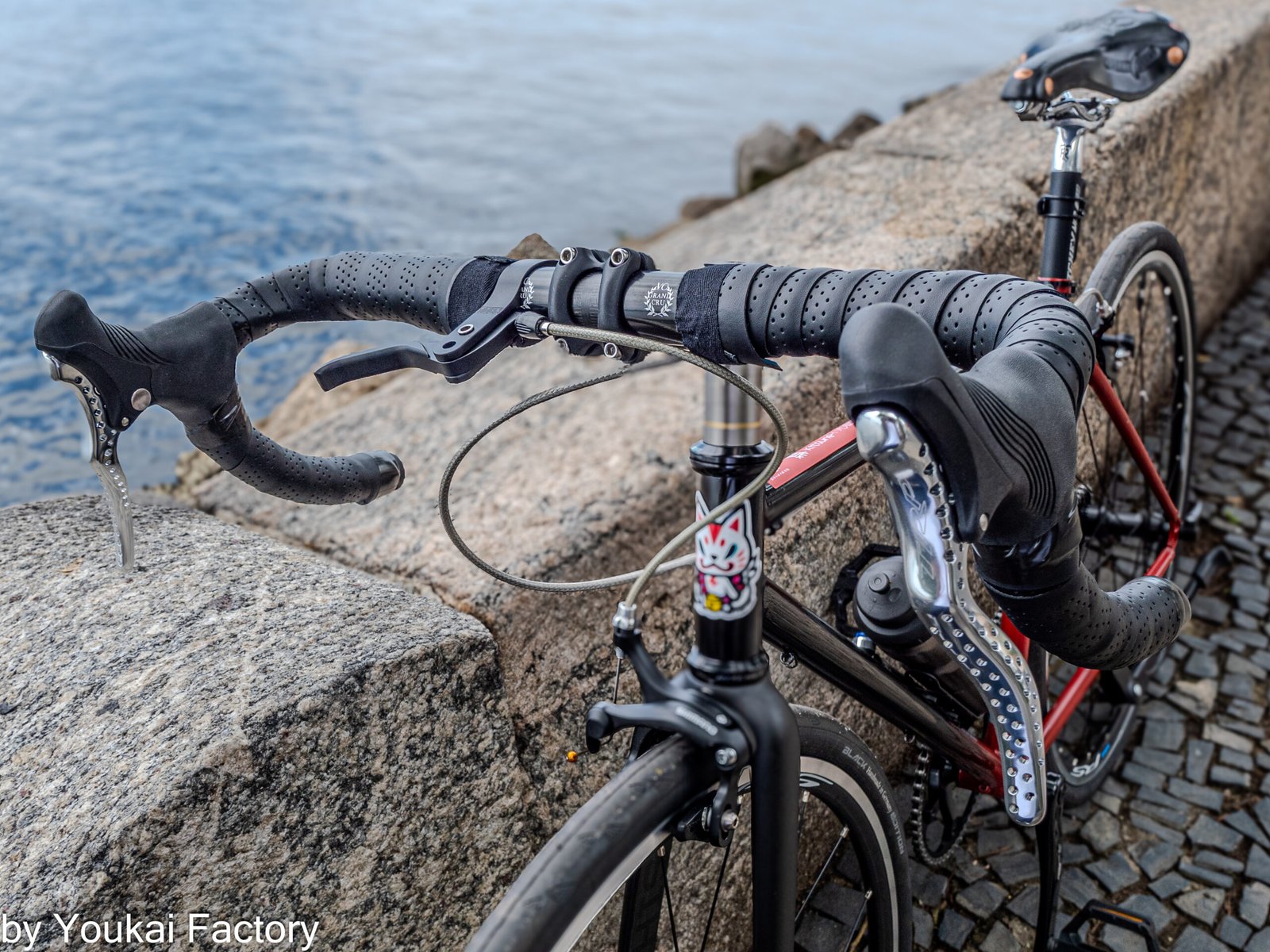
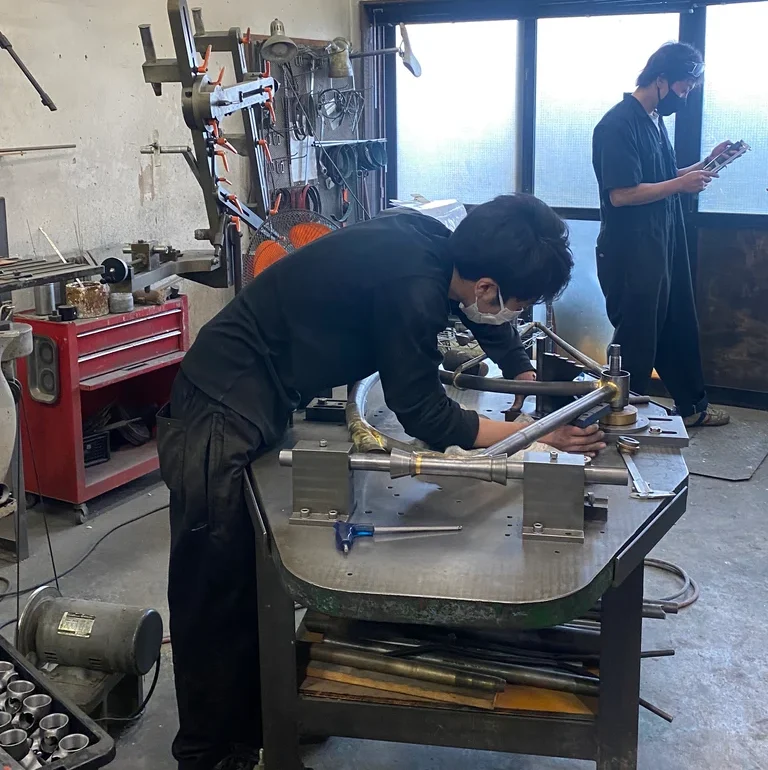
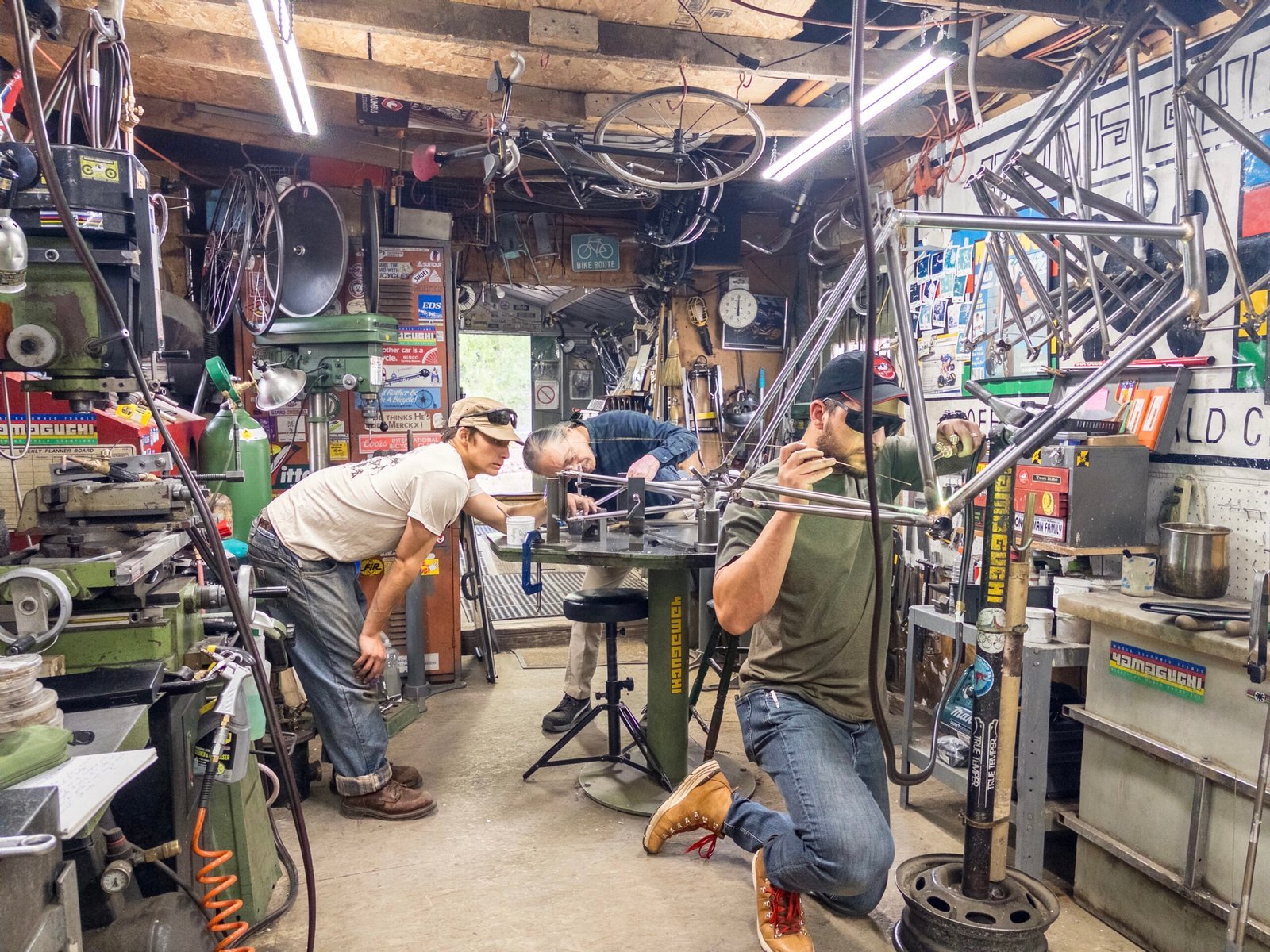
I think the best way to start this section is by talking about my own personal experience with bicycle framebuilding, which materialized as Youkai Factory.
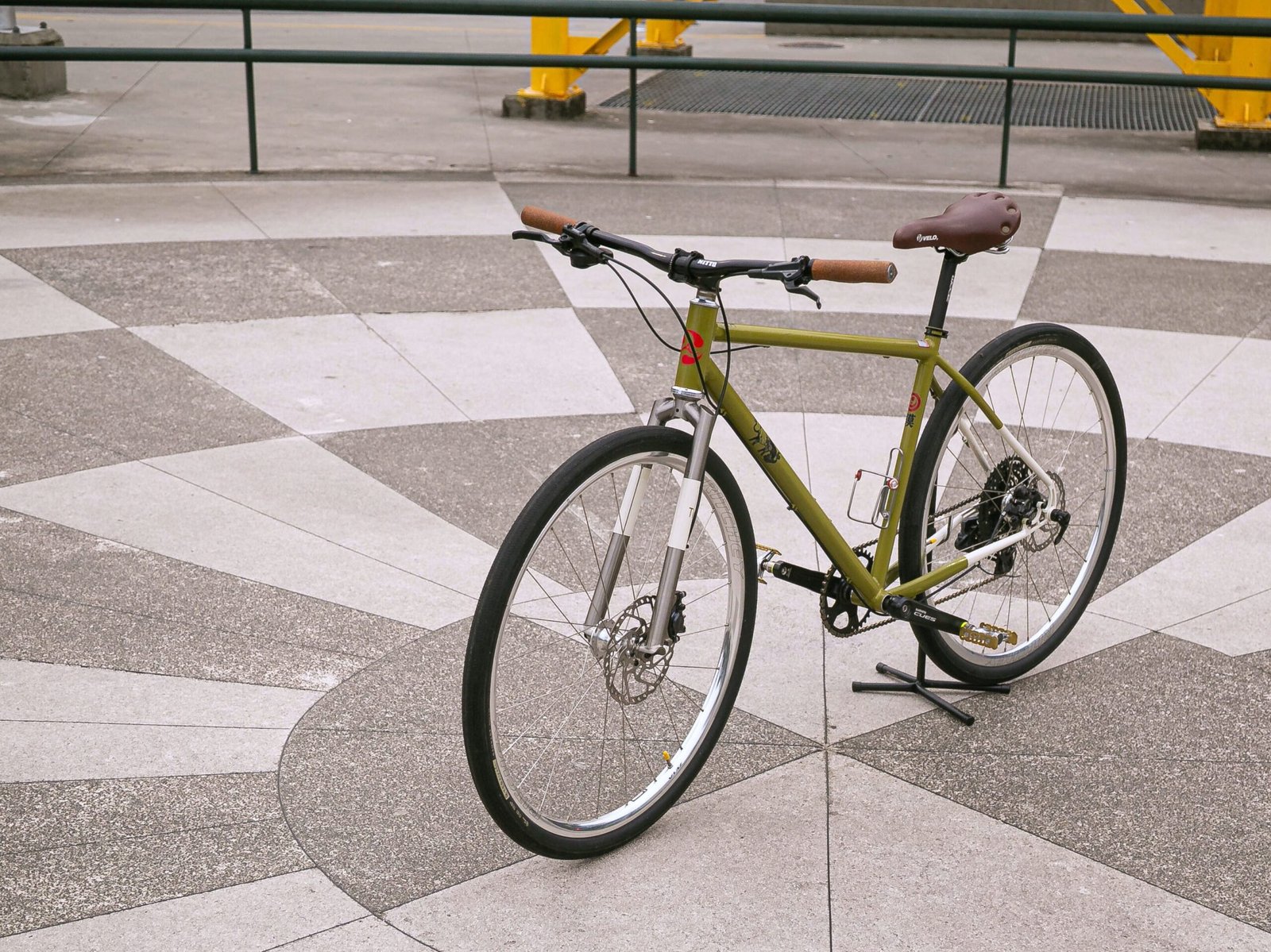
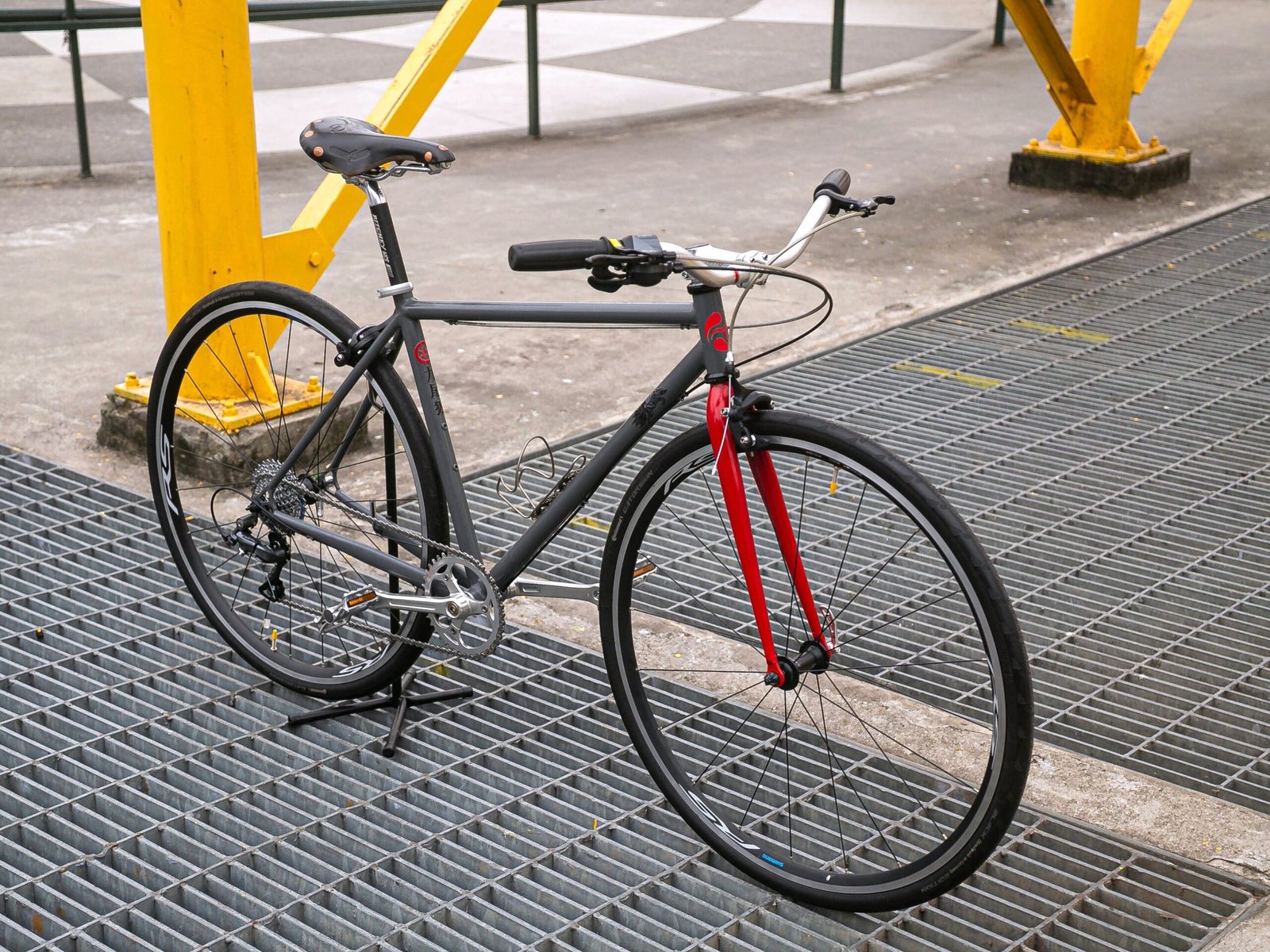
Developing it meant years of very intense feelings. The part about actually making bikes by hand is amazing: therapeutic, mindful, almost Zen. The part about opening a business in Brazil, on the other hand, can be exhausting, desperate, and full of anger and frustration.
But let’s talk about the good part. Entrepreneurship can be left for another forum.
What is a Bespoke Custom Bike? How is it made? Who is it made for?
Think about a bespoke suit. It is made to fit your body, but not only that. You choose whether the fabric is warmer or cooler, softer or more structured; you choose the color, the details that will give it personality, and the accessories: the number of pockets, the buttons, whether the inner lining will be black or bright red.
You are not simply putting your personality into it. You are also using it to project the image you want people to have of you.
A bespoke bike is similar.
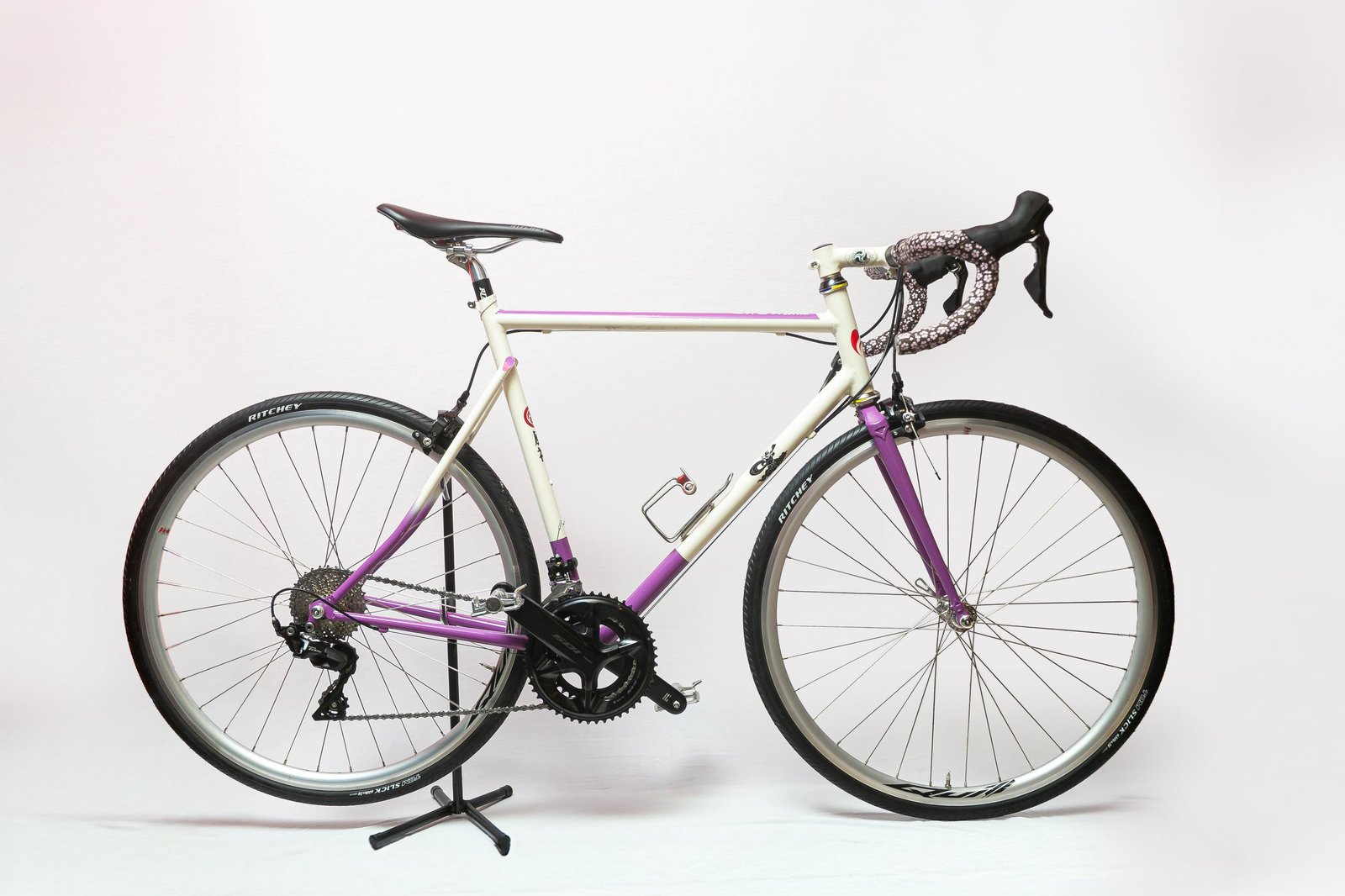
It is designed to fit your size, but you can also choose whether it will be stiffer for performance or more flexible for comfort, whether it will behave aggressively or feel more stable, whether it will have many gears and a slim profile for speed or be built as robustly as a Jeep. It can look modern, minimalist, loud, or austere.
Then come the accessories: racks, bells, handlebar tape, tire colors and types, among many other things. All of this should not only express the personality you want the bike to have, but also work properly for what you actually intend to do with it.
So everything starts with the rider’s size and then with a description of how the bike will be used: urban commuting, making a statement around the city — like the BMX or fixie crowd —, an all-round bike to use in town and take to the countryside or the beach, a sport bike for training and riding in a peloton, a gravel bike for the off-road crowd, or a very comfortable bike for bikepacking and long trips during the holidays.
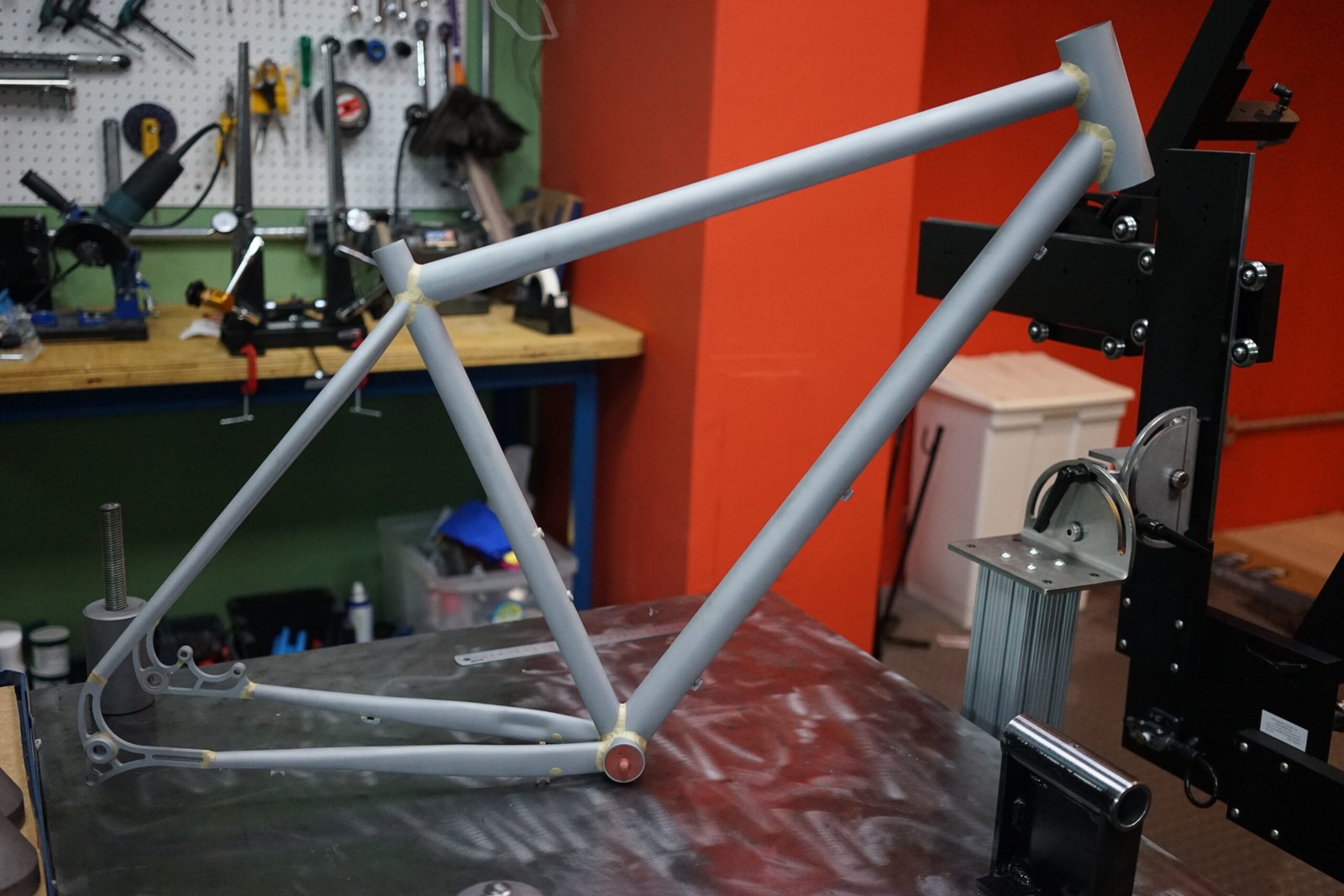
From there, I start designing it: choosing dimensions, angles, and tube sizes — not only their lengths, but also diameters and wall thicknesses, which will determine stiffness, strength, and part of the bike’s overall behavior.
There is an entire art to bicycle design itself, and this is different from bike fitting, which is a fairly common misunderstanding. For example, stability while descending a mountain road depends on trail, stem length, wheelbase, bottom bracket drop and several other dimensions.
I could easily list around fifteen variables that combine, reinforce or cancel each other out to define how a bicycle behaves. And, of course, all of this happens within the range allowed by the rider’s own dimensions.
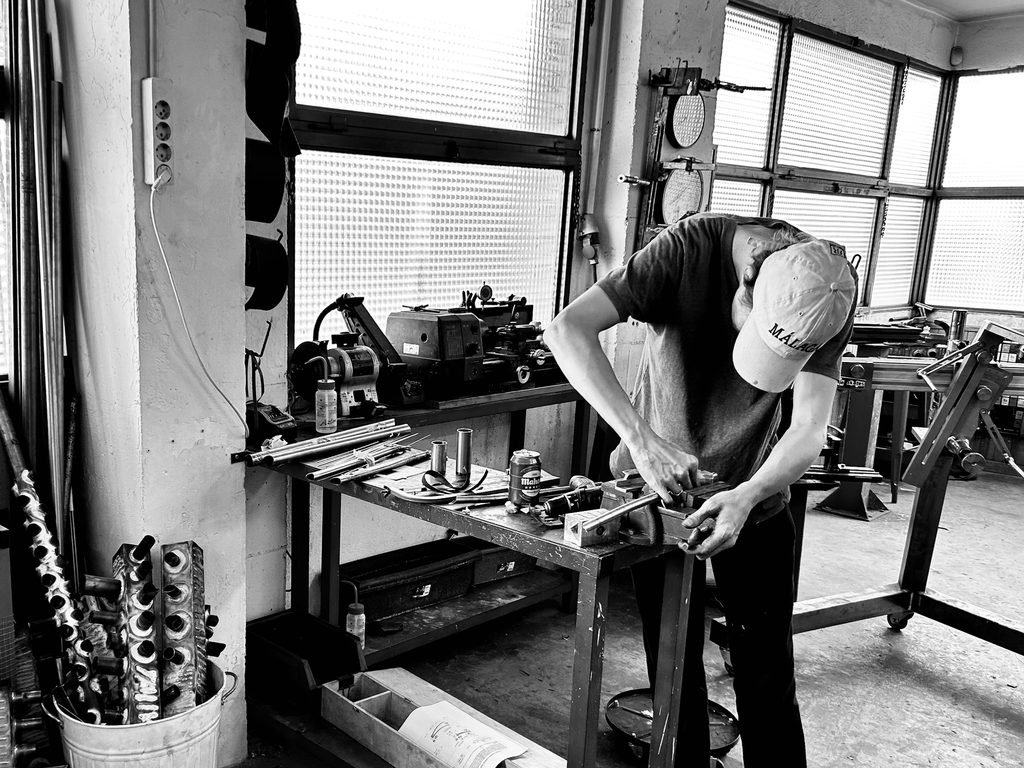
Then comes the choice of components. Here there is a bit of engineering and a bit of personal taste.
Which drivetrain? Which gear ratios? Which brakes? If you are mainly riding on dry, flat roads, one solution might make more sense. If you are riding through mud, another. And if you regularly descend mountains at 80 km/h, I will probably recommend a different combination from either of those. The list is long…
Then we get to the wheels: carbon or aluminum? 27.5” or 29”? How many spokes? Which hubs? What rim depth and width? And that also depends on the kind of tire you intend to use.
A wider tire can absorb rough surfaces better and roll well over bad terrain; a narrow one may favor speed and lower resistance on asphalt. It can be treaded, knobby or slick. And some choices are as much aesthetic as they are functional: a wide slick tire, for example, has a lot of visual presence.
Just as there are major component manufacturers such as Shimano, there is also an entire world of smaller companies working in very specific niches, producing parts on a small scale, sometimes semi-artisanally or completely by hand.
Then we get to colors — and this part is practically endless.
Beyond the color itself, you can even choose the type of paint: powder coating, with a more industrial finish and extremely high scratch resistance, but relatively few color options; automotive paint, for durability, gloss and color stability; or spray-based systems, which allow much more experimentation with colors, effects and even textures.
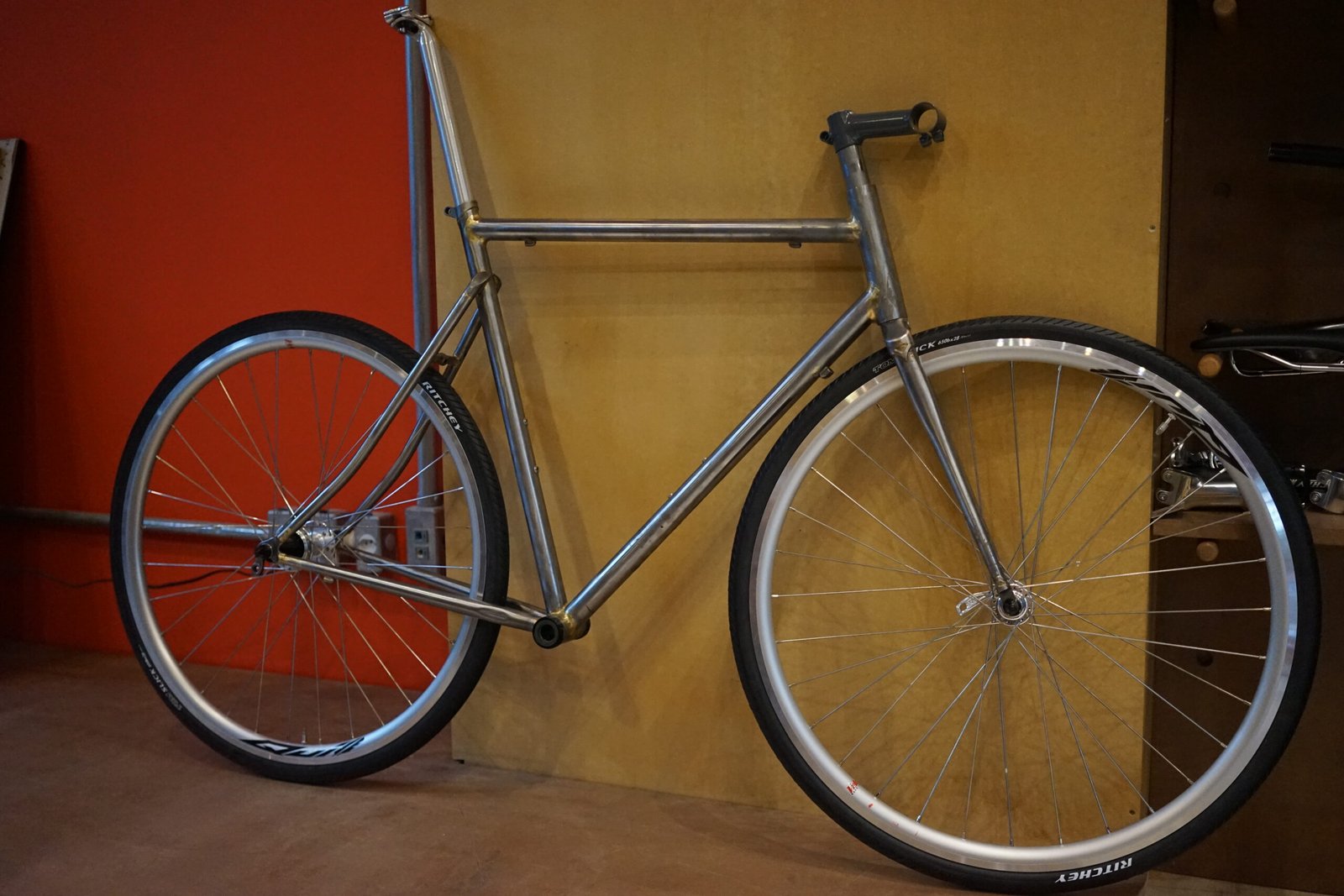
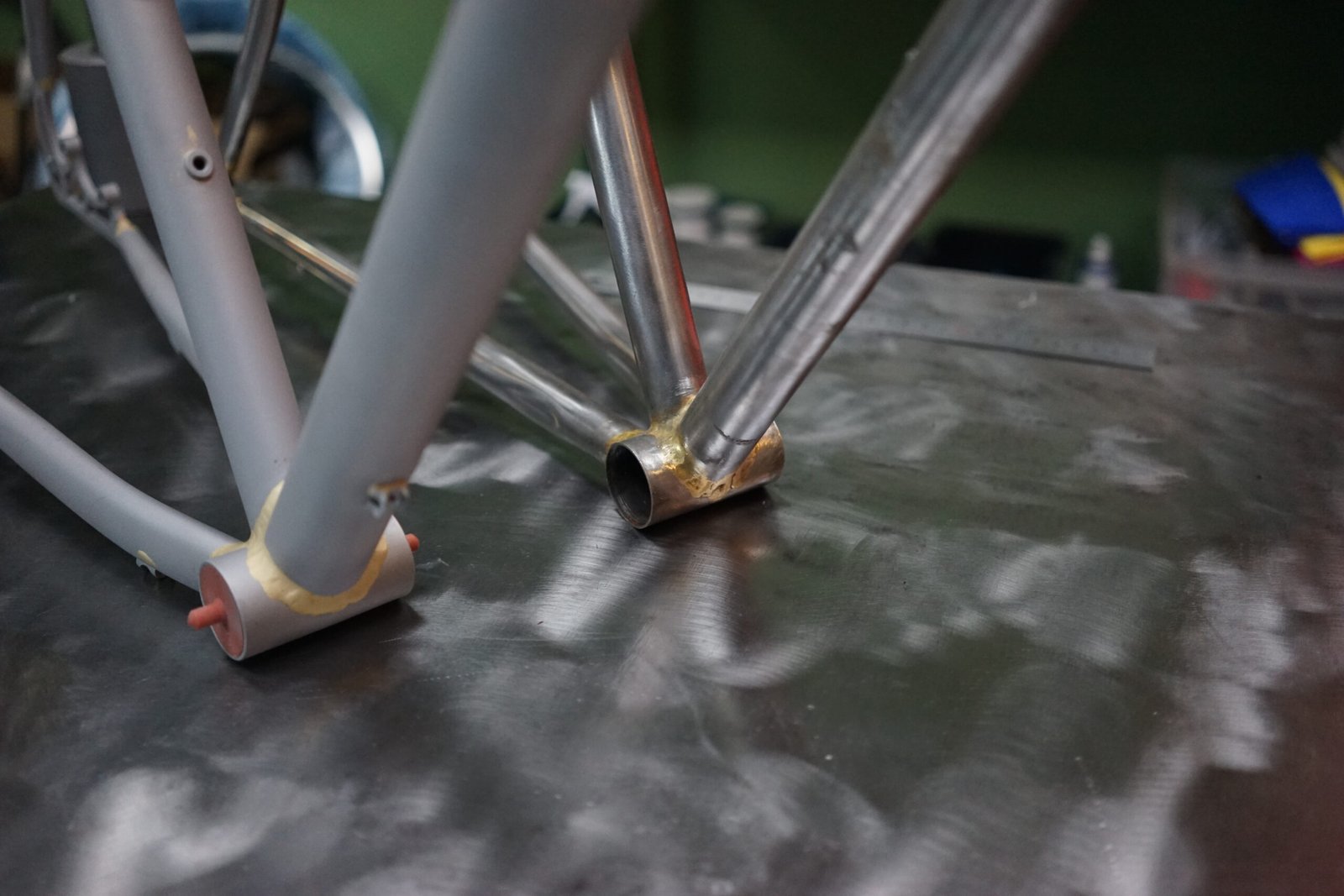
But I can tell, the most difficult part for me is fitting 8 tubes, cut by hand, with a 1mm tolerance in length and 1 degree in angle, to avoid large gaps between the connections. More than half a millimeter, when you apply bronze and heat, the frame will shrink and bend and twist, and then “adios” to the precisely calculated angles and symmetry. In this part of the work: no ring in the workshop and mobile in flight mode.
So why talk about this on Eastbound?
Because in Japan, bicycles are everywhere.
They are everyday transportation, sport, design objects, working tools and, for many people, also a form of personal expression. From the mamachari parked outside train stations to track bikes influenced by keirin, cycling culture is much more present in everyday life there than it is in many other parts of the world.
And that culture has history.
Japan developed its own tradition of framebuilders, component manufacturers, workshops and small brands that made it through industrialization and still treat the bicycle as something that can be designed, built and refined on a small scale.
Perhaps that is why Japan is one of the best places to look at a bicycle not simply as a piece of sporting equipment, but as part of a genuine culture of craft.
It was in Japan that my fascination with handmade bicycles began, along with many of the ideas behind the project that, a few years later, I would eventually turn into Youkai Factory.
And that is exactly where this subject meets Eastbound.
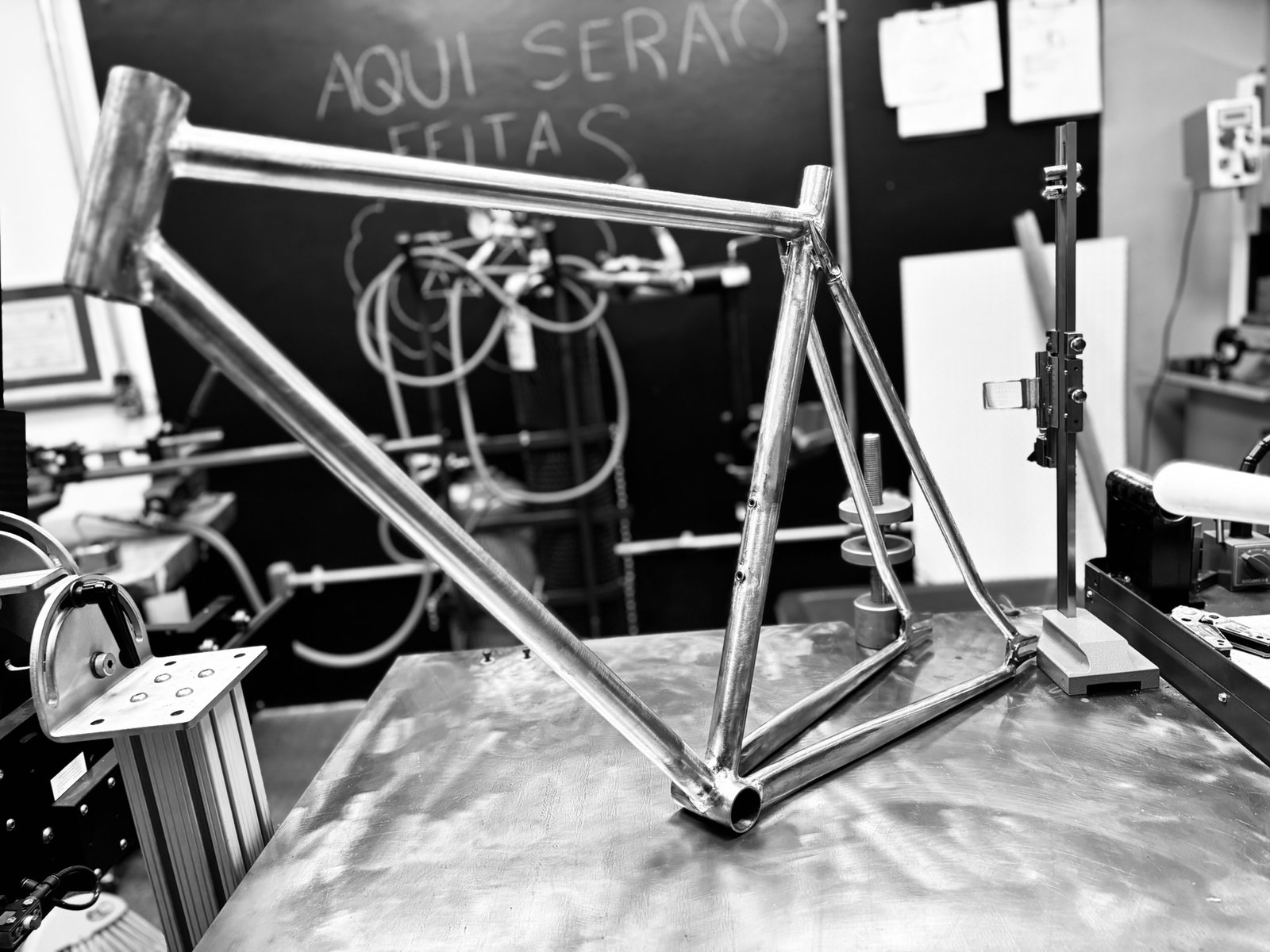
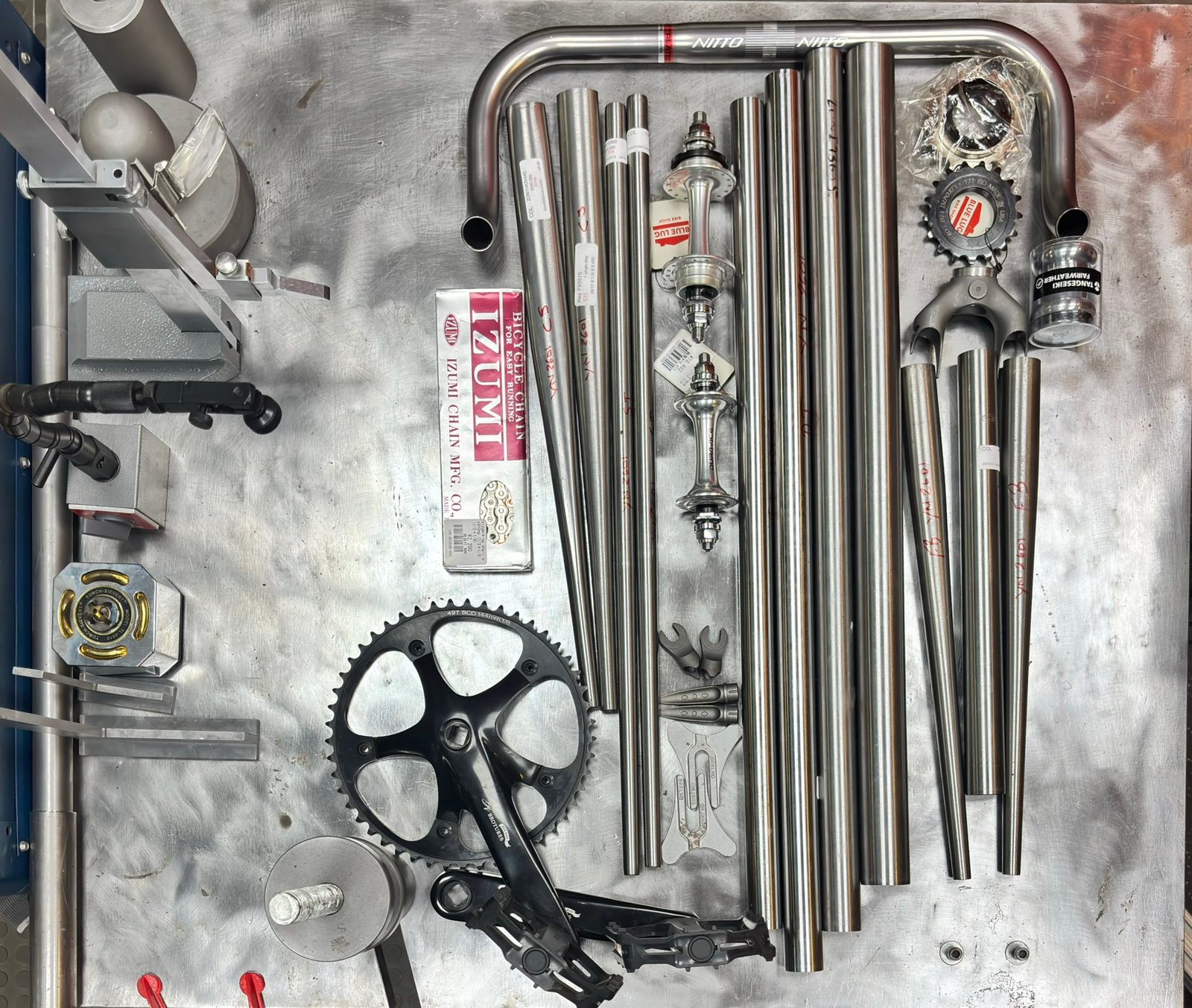
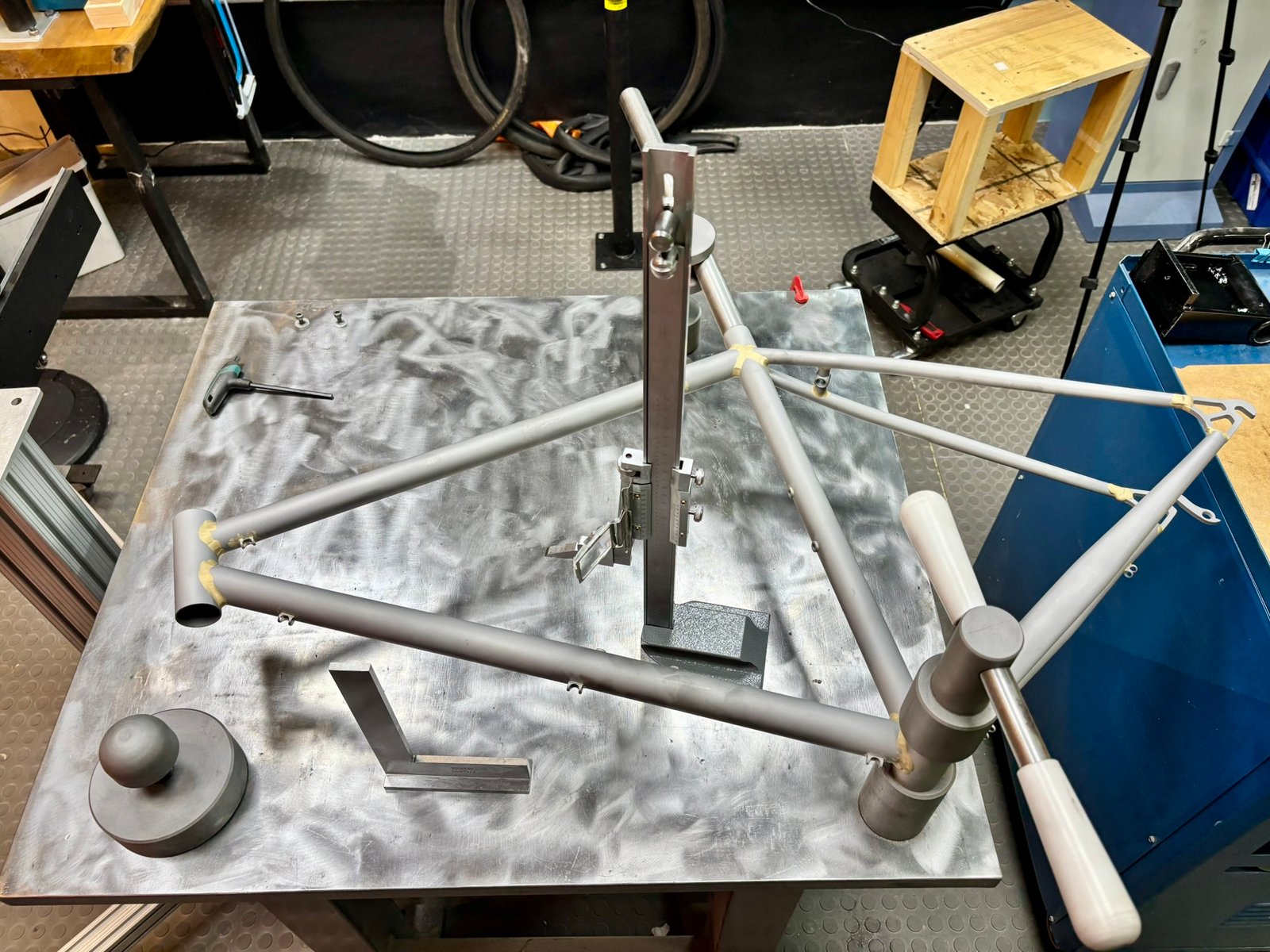
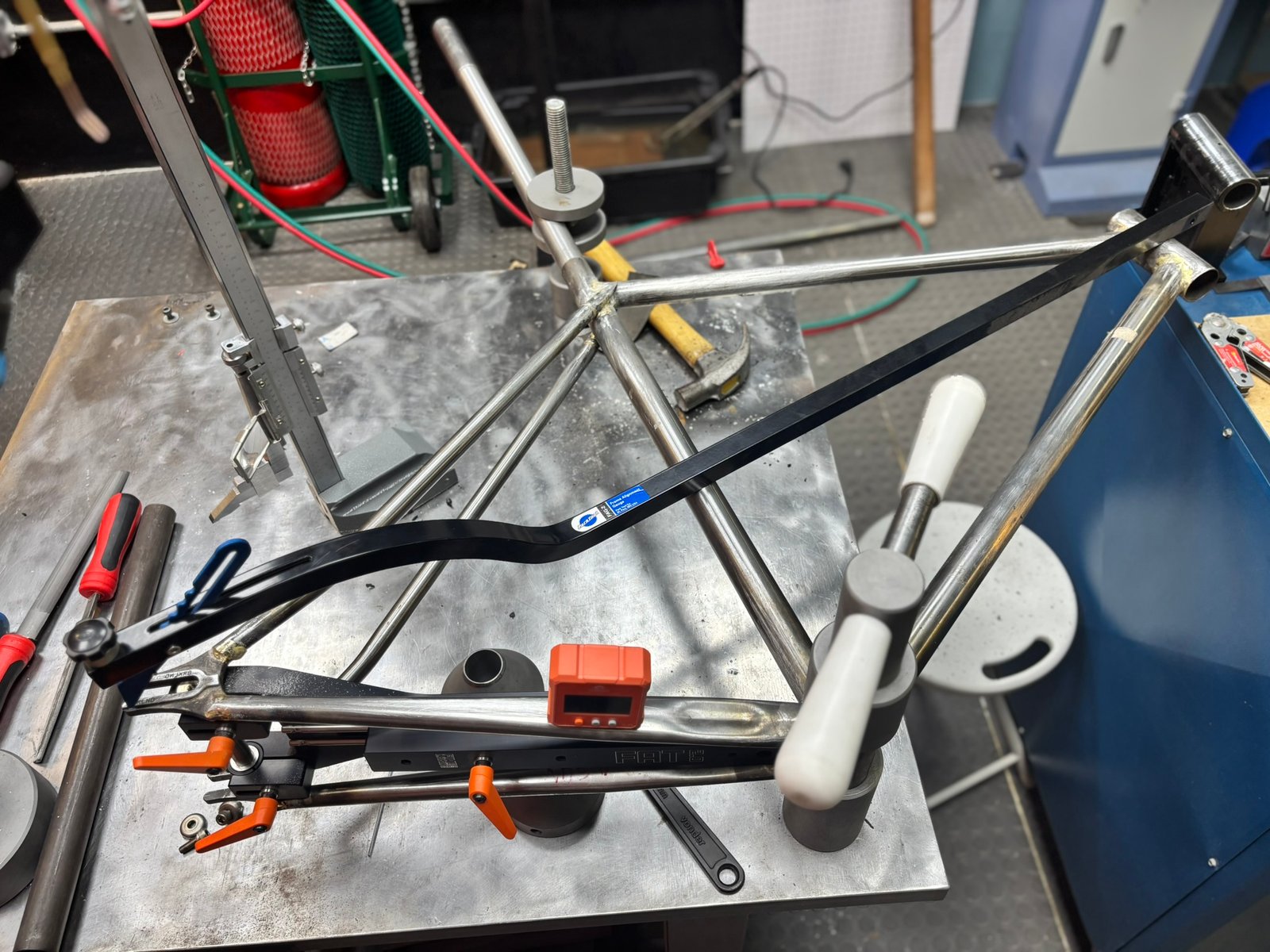
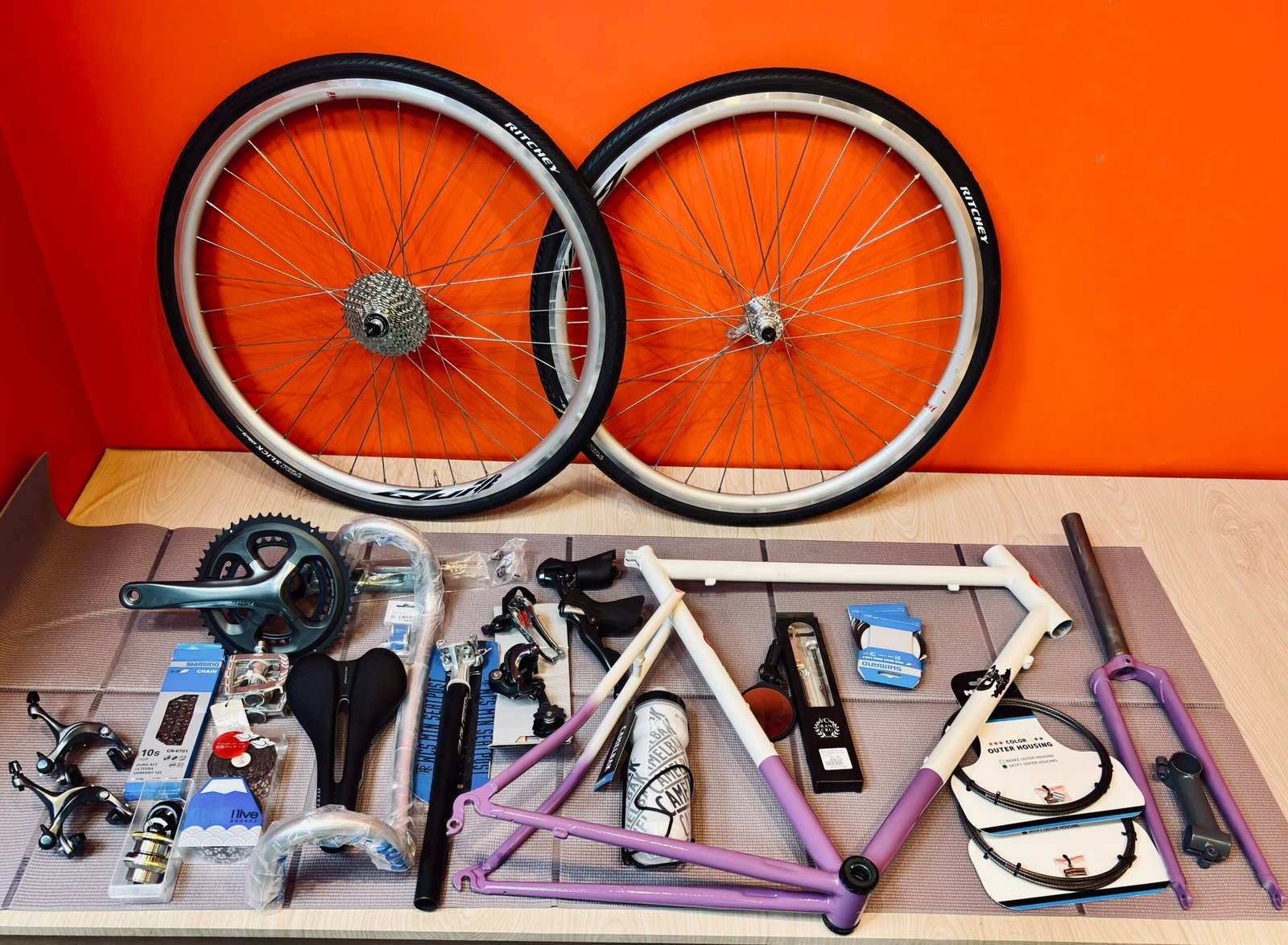
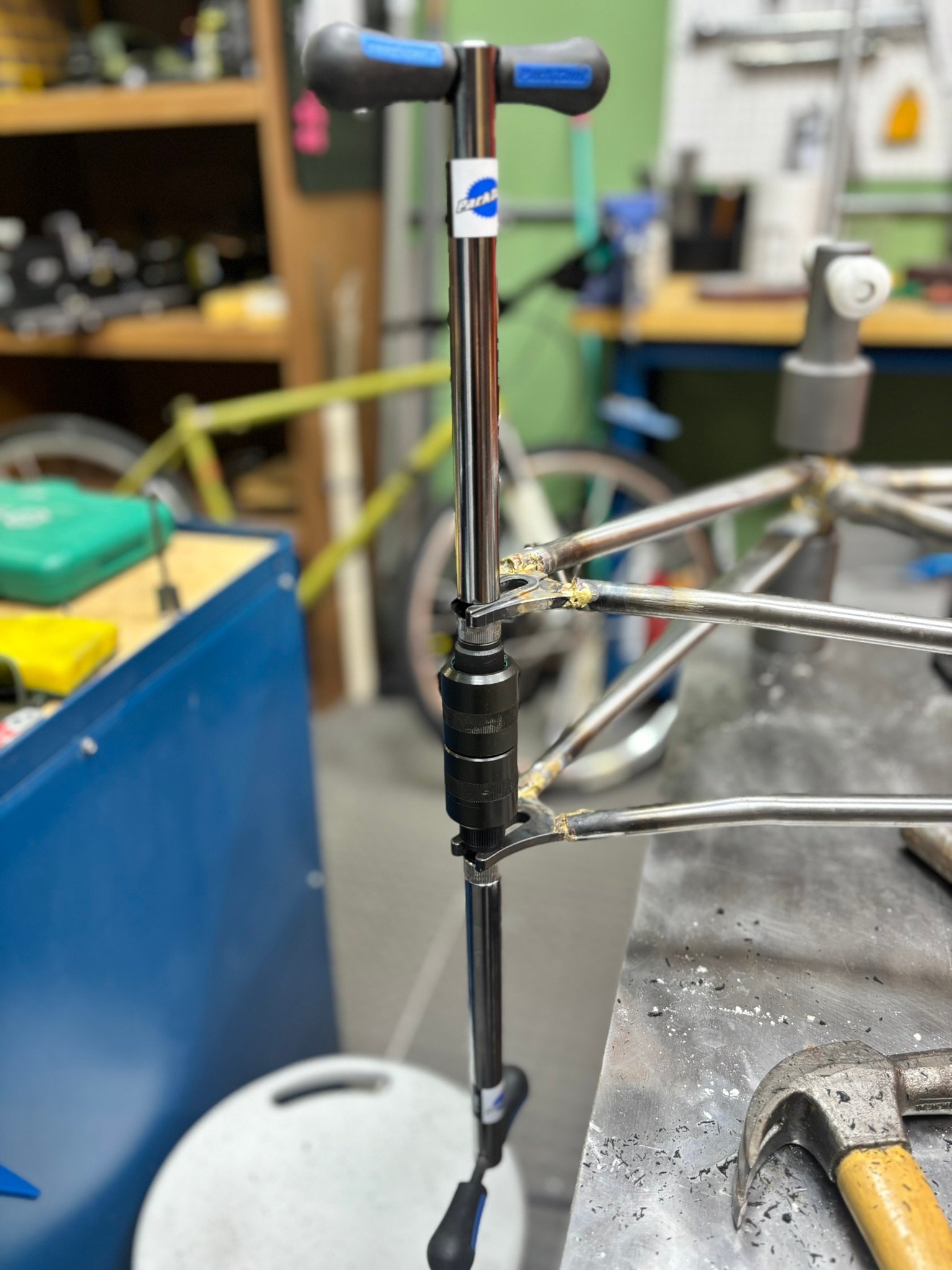
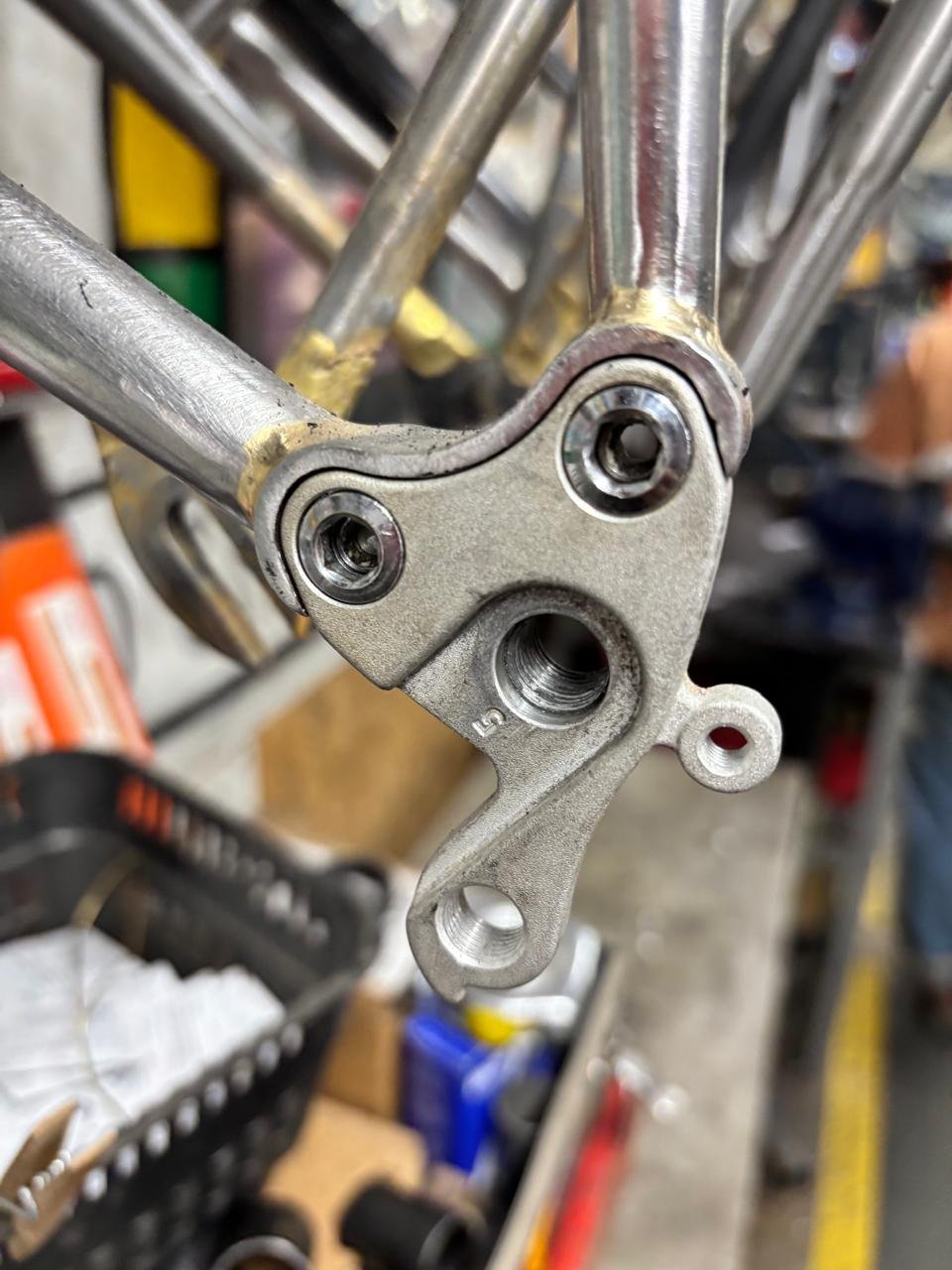
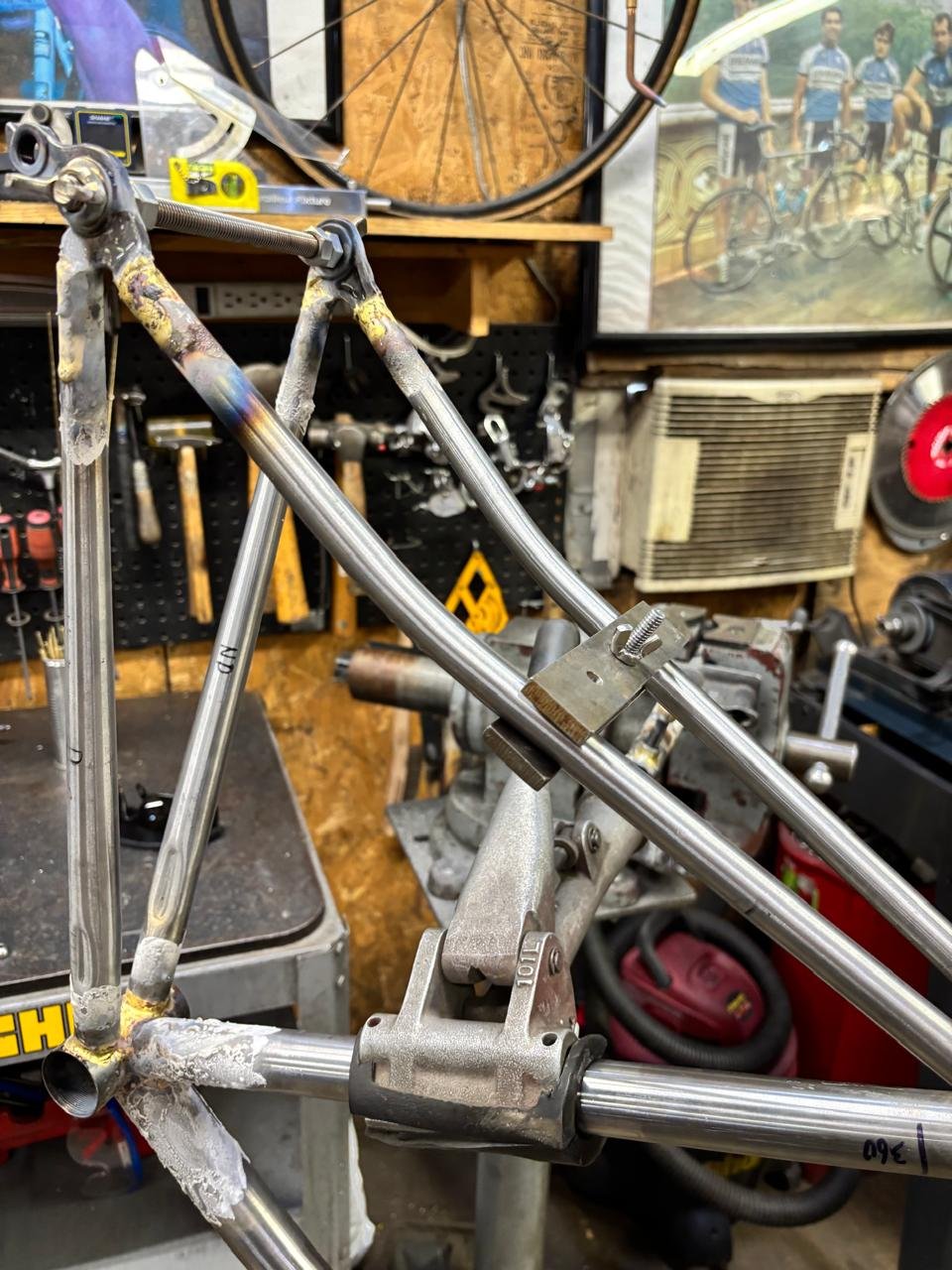
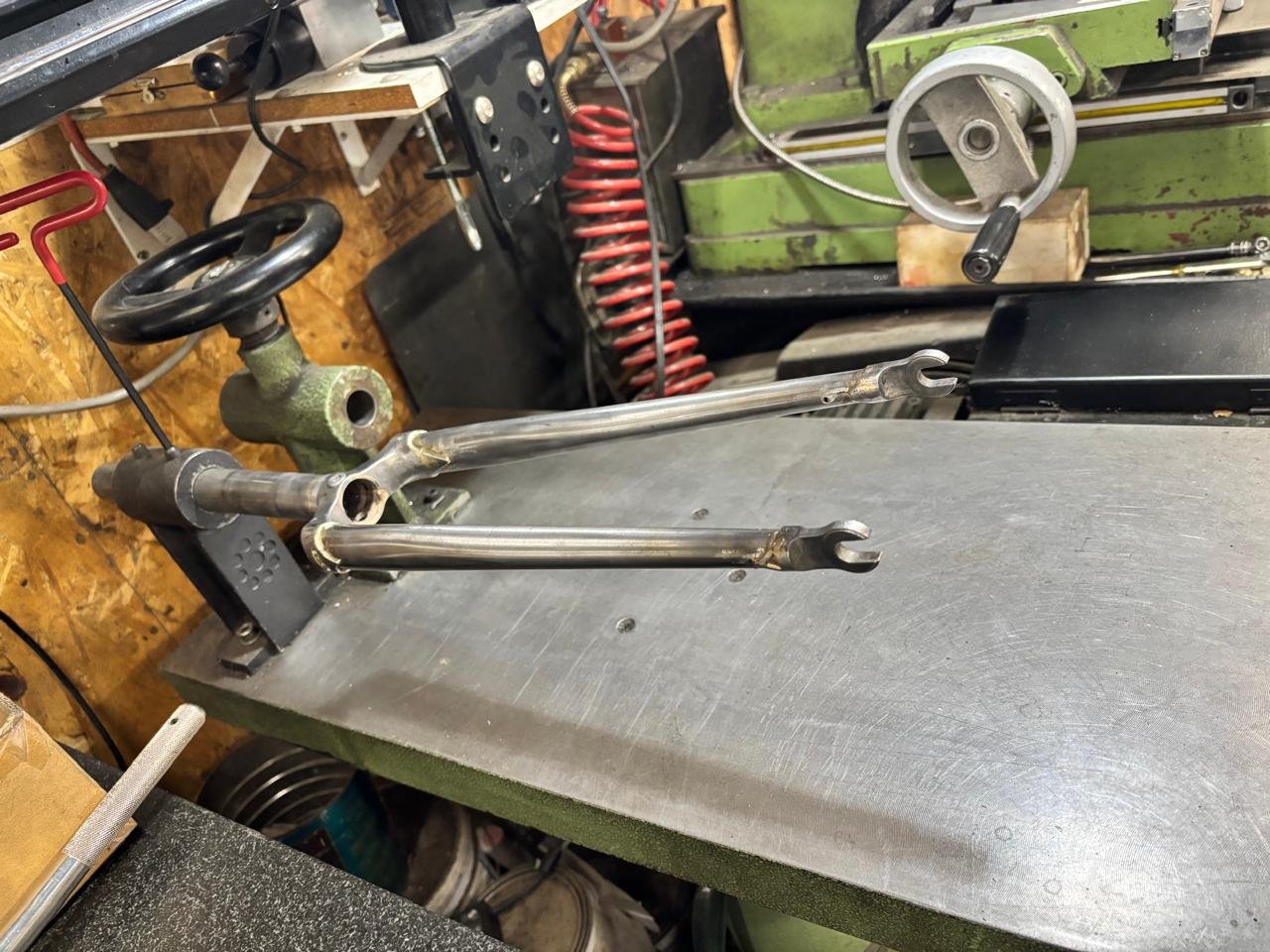
So I’ll leave a few references and photos here to show this world a little better: a small selection of the builders I like most, and a few unique bikes of the kind that are difficult to imagine outside the world of custom orders.
Starting, of course, with my favorite. 😉
Framebuilders & References
- Youkai Factory — Brazil youkaifactory.com.br
- Cherubim — Japão · cherubim.jp
- Yasujiro — Japão · yasujirobike.com
- Panasonic Order System — Japão · cycle.panasonic.com
- Koichi Yamaguchi — EUA/Japão · yamaguchibike.com
- Nagasawa — Japão · japan-handmade-bicycles.com
- Makino — Japão · japan-handmade-bicycles.com/atelier/makino
- Ritchey — EUA · ritcheylogic.com
- Rivendell — EUA · rivbike.com
- Richard Sachs — EUA · richardsachs.com
- Dario Pegoretti — Itália · dariopegoretti.com
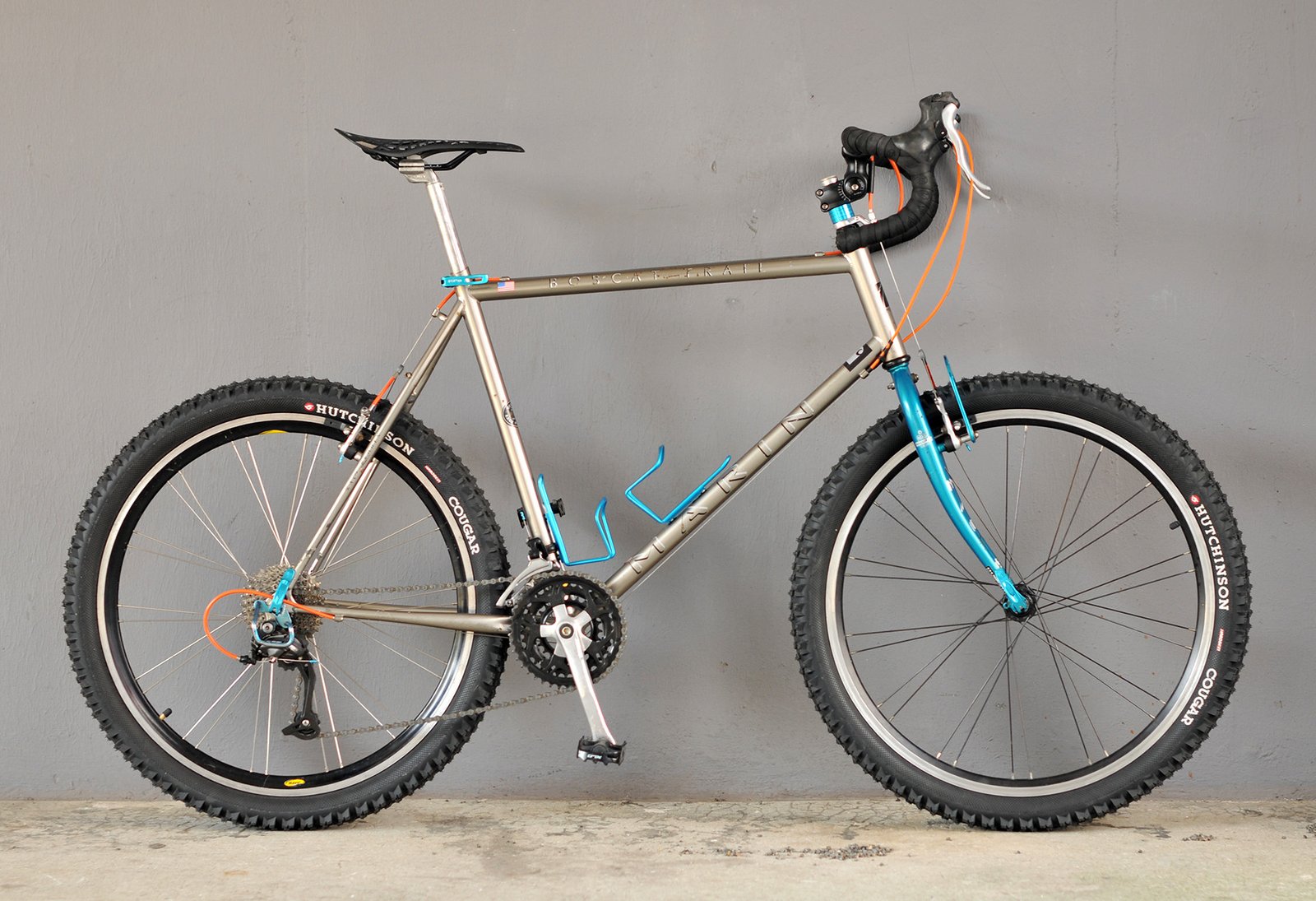
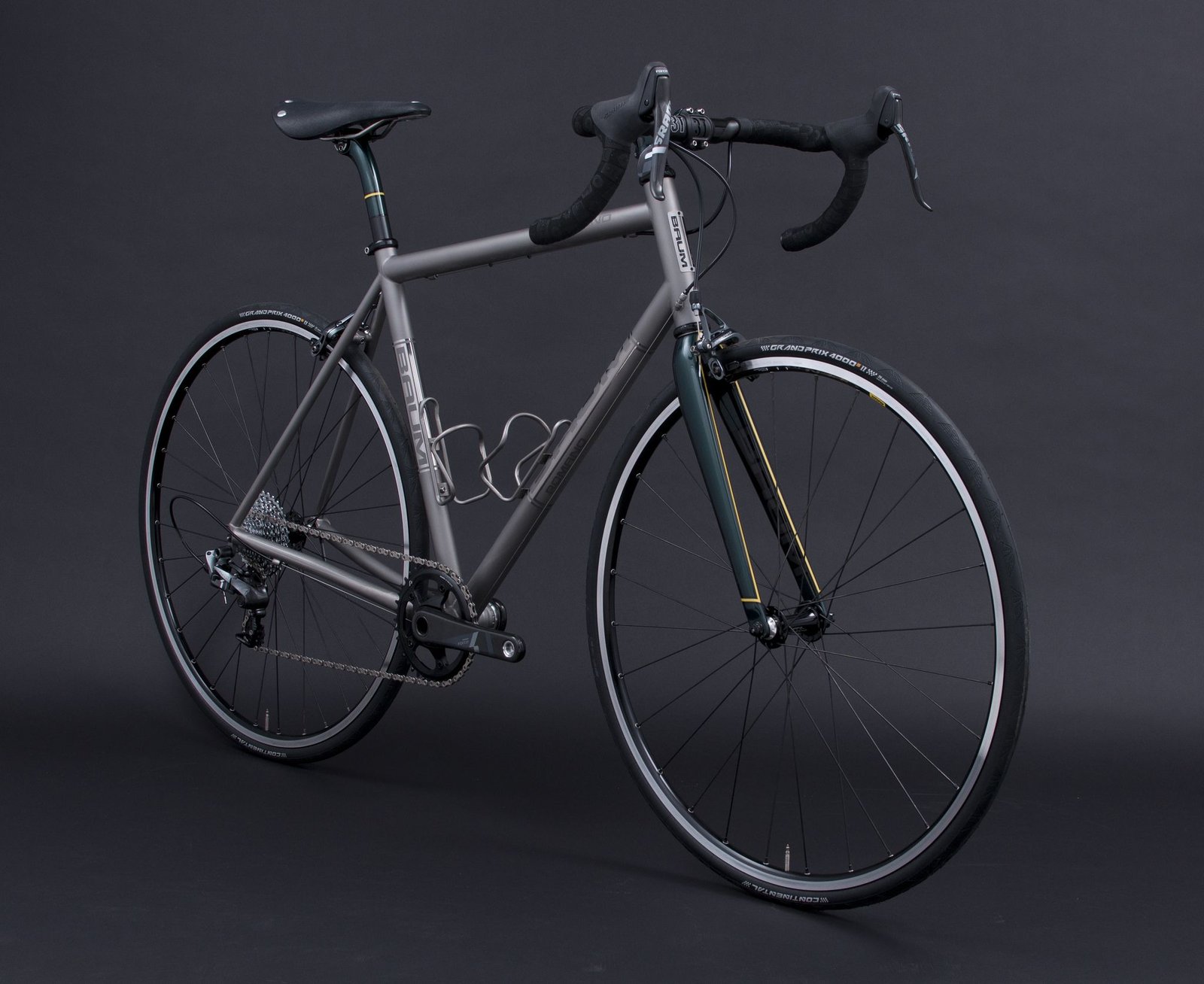
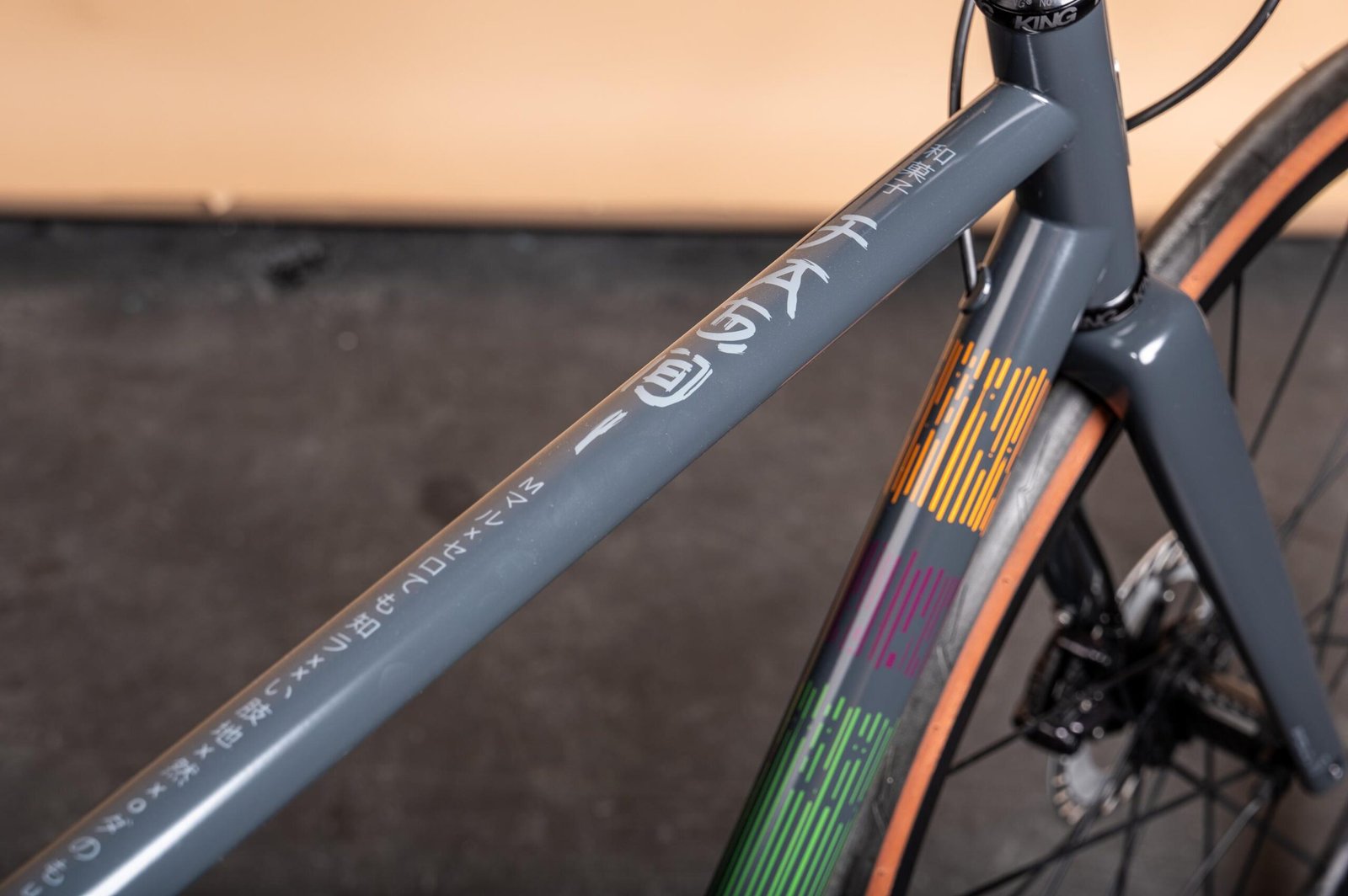
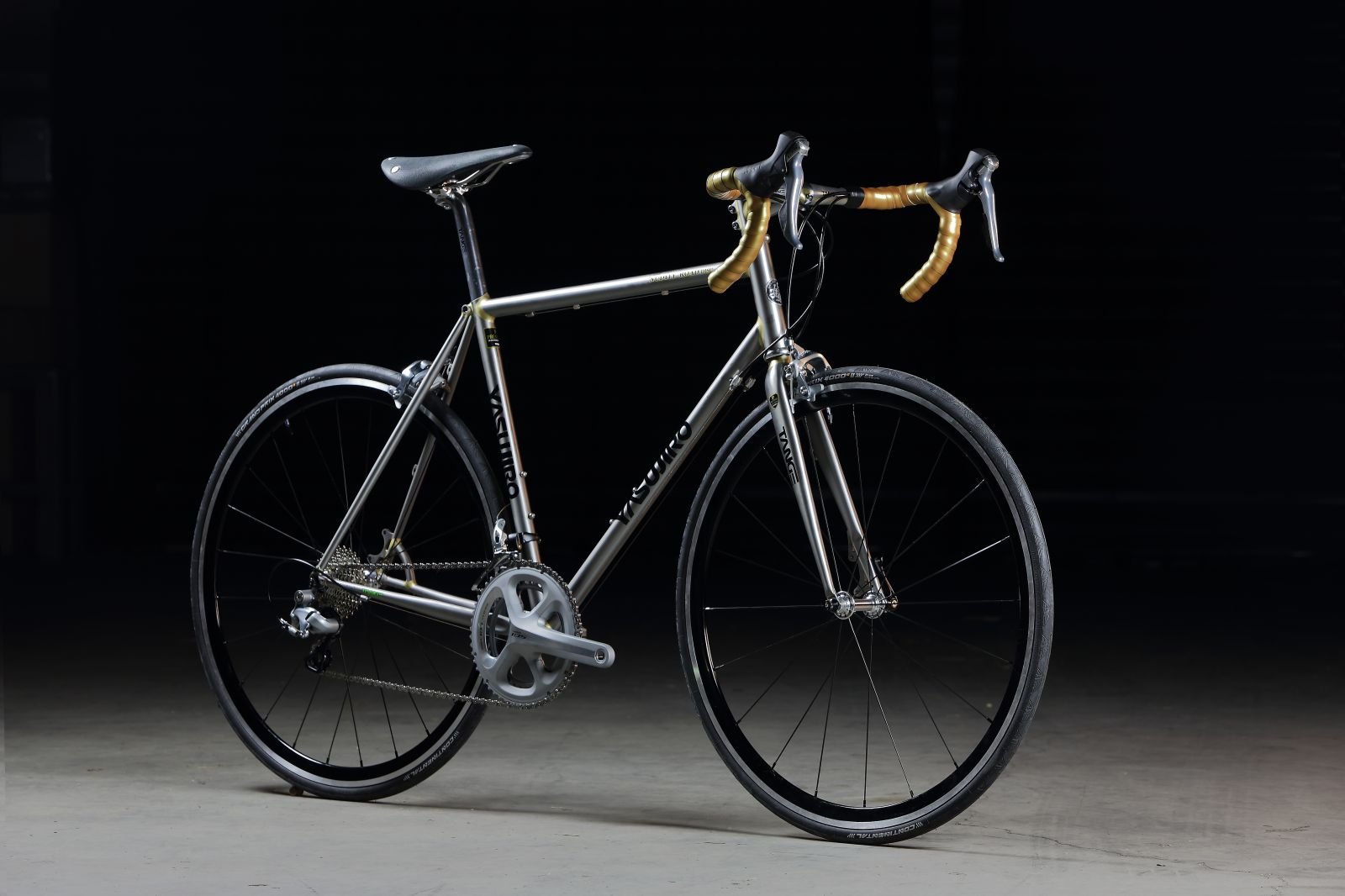
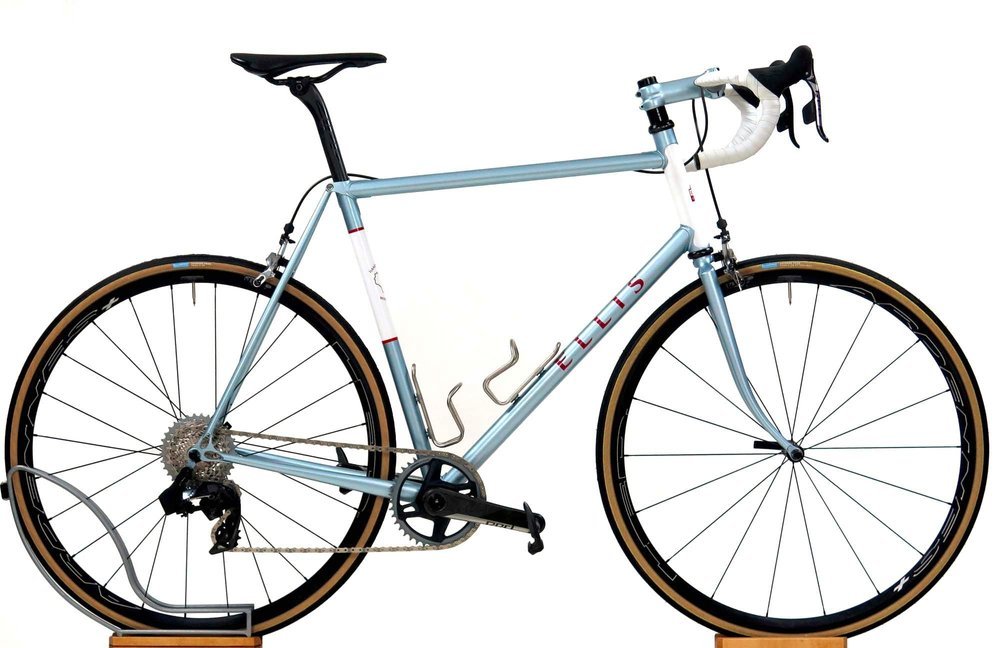
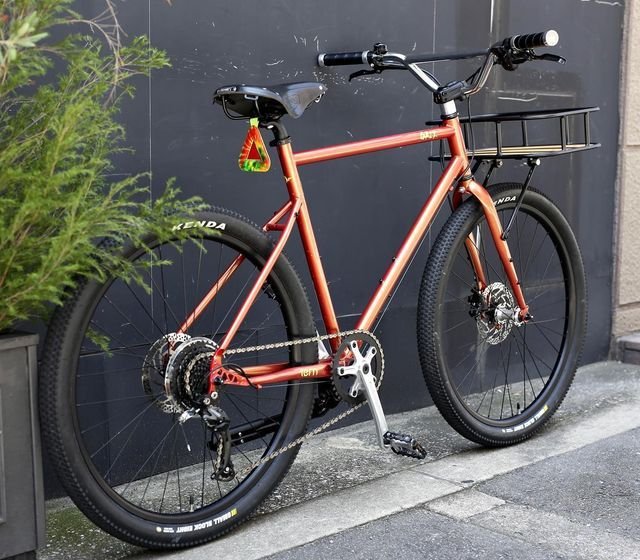
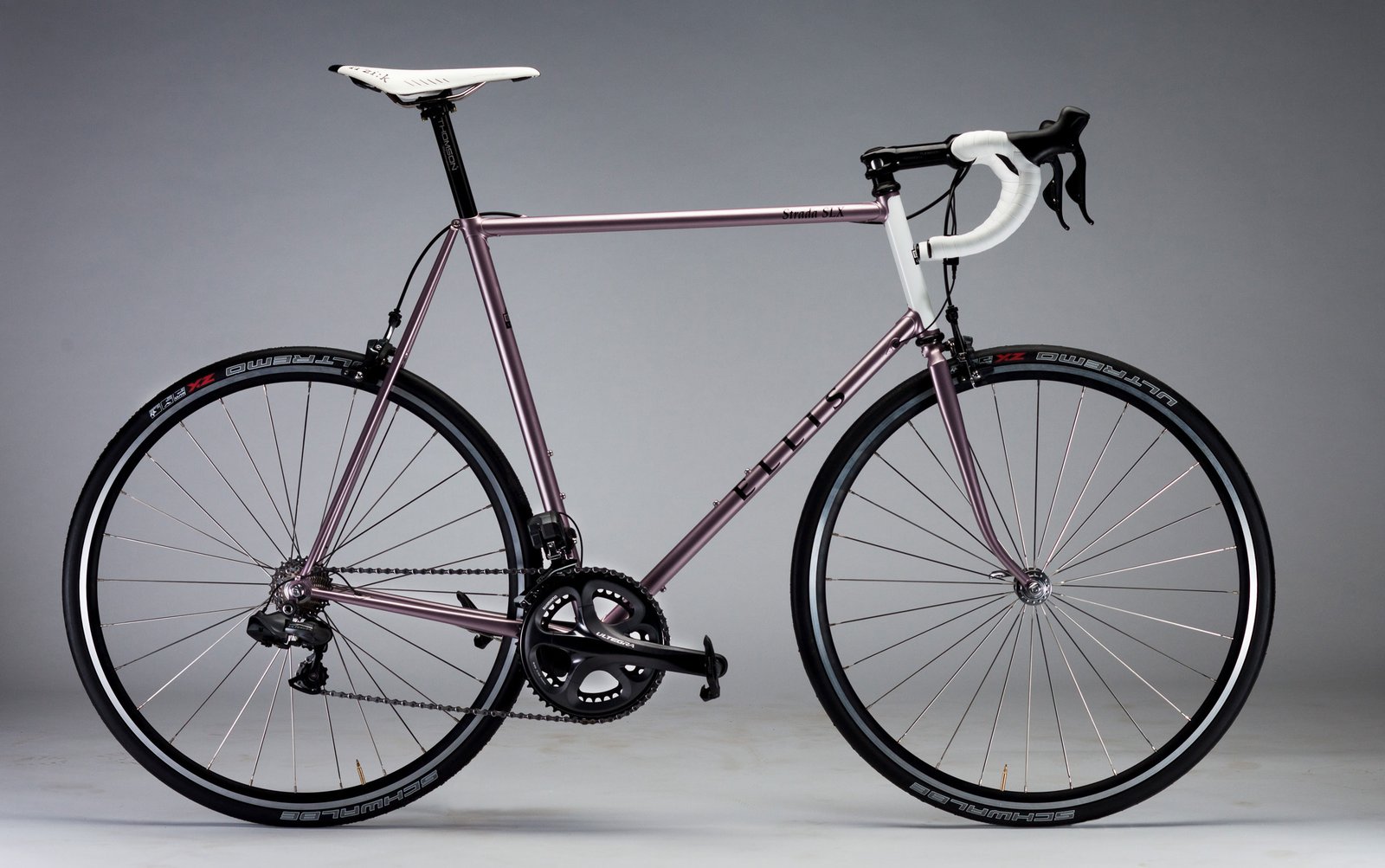
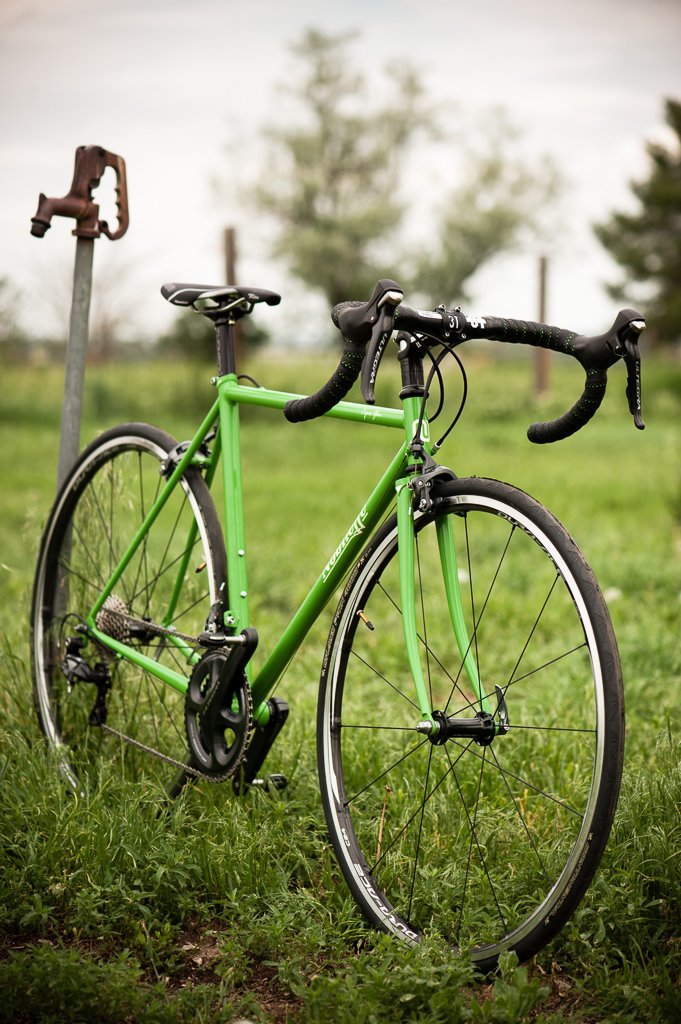
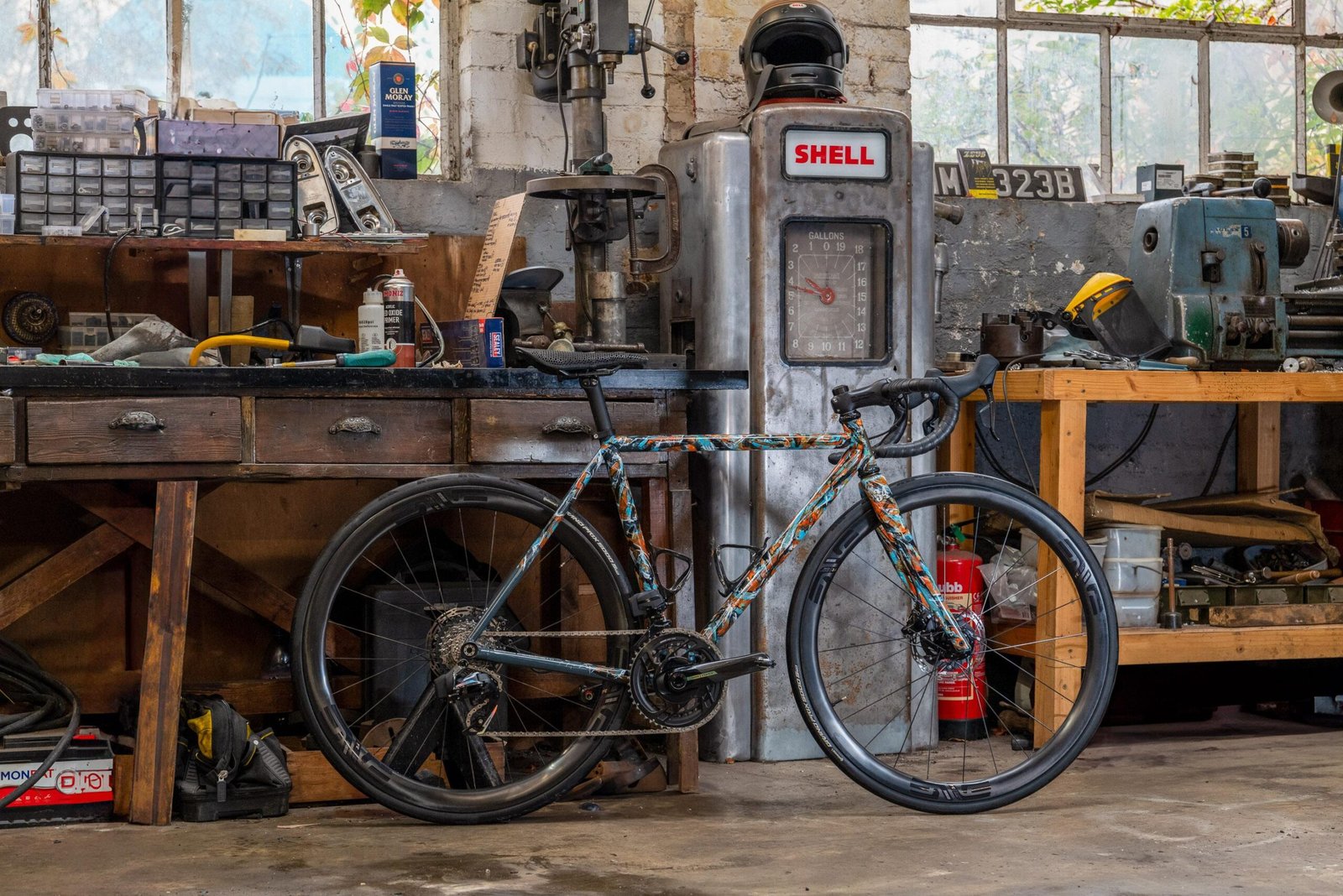
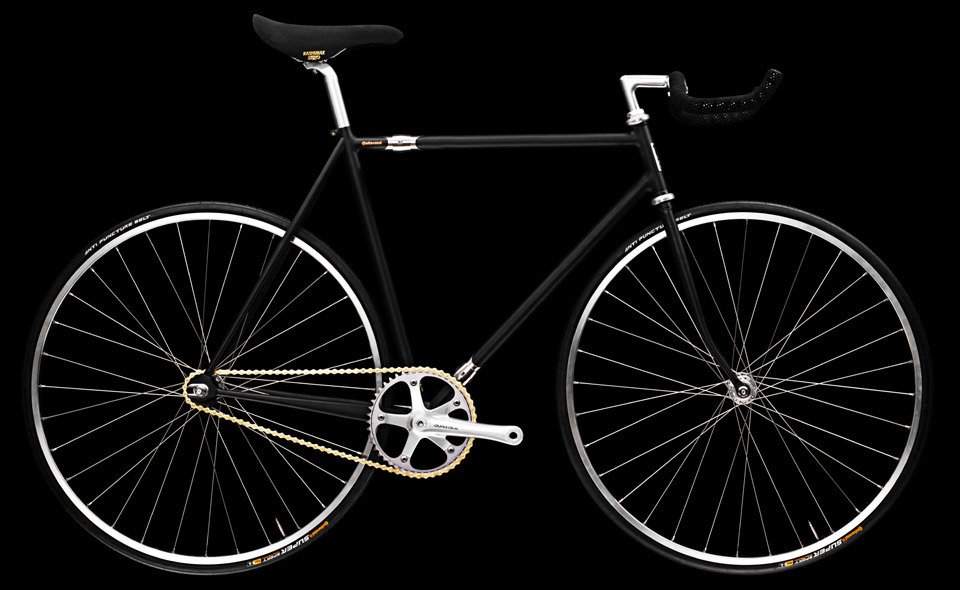
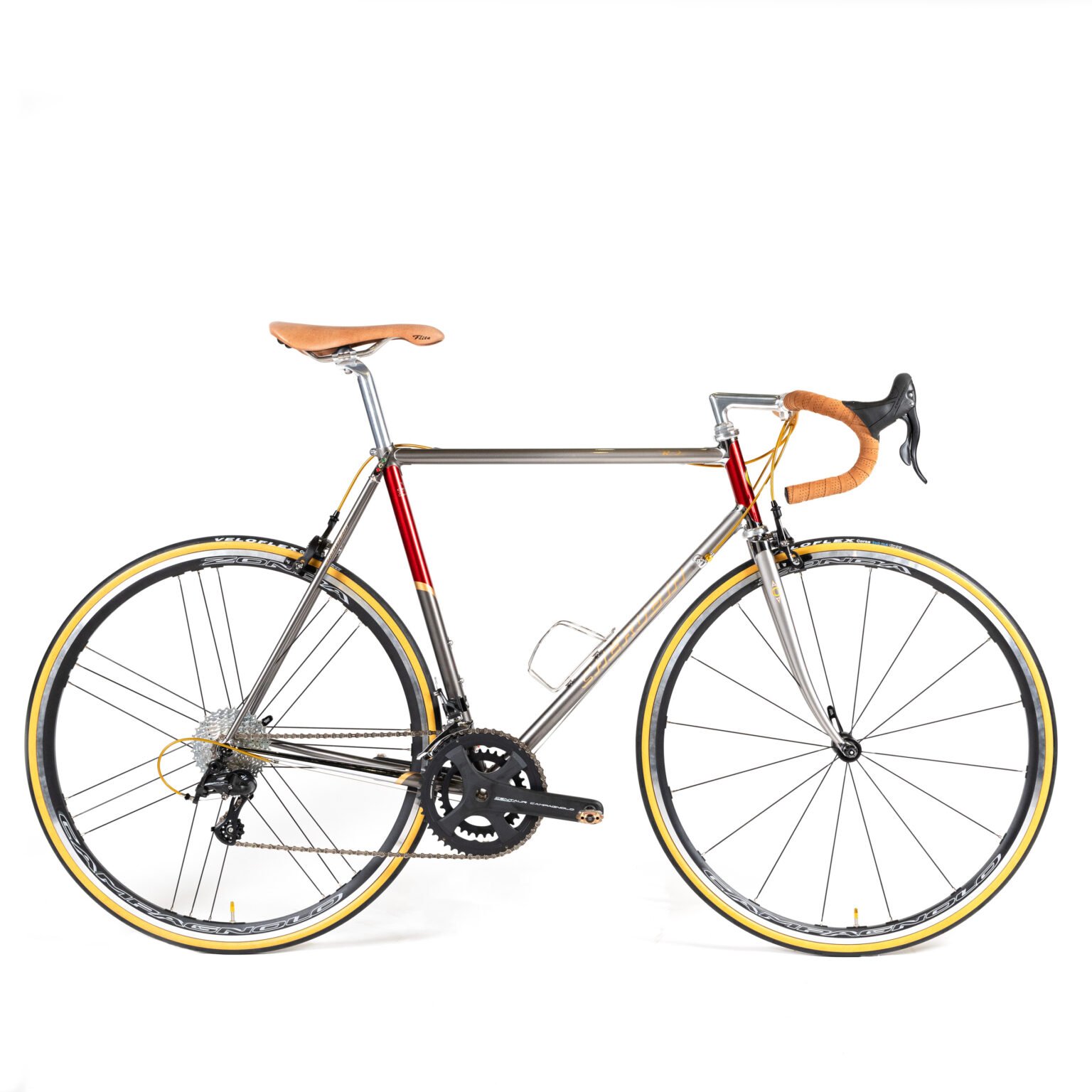
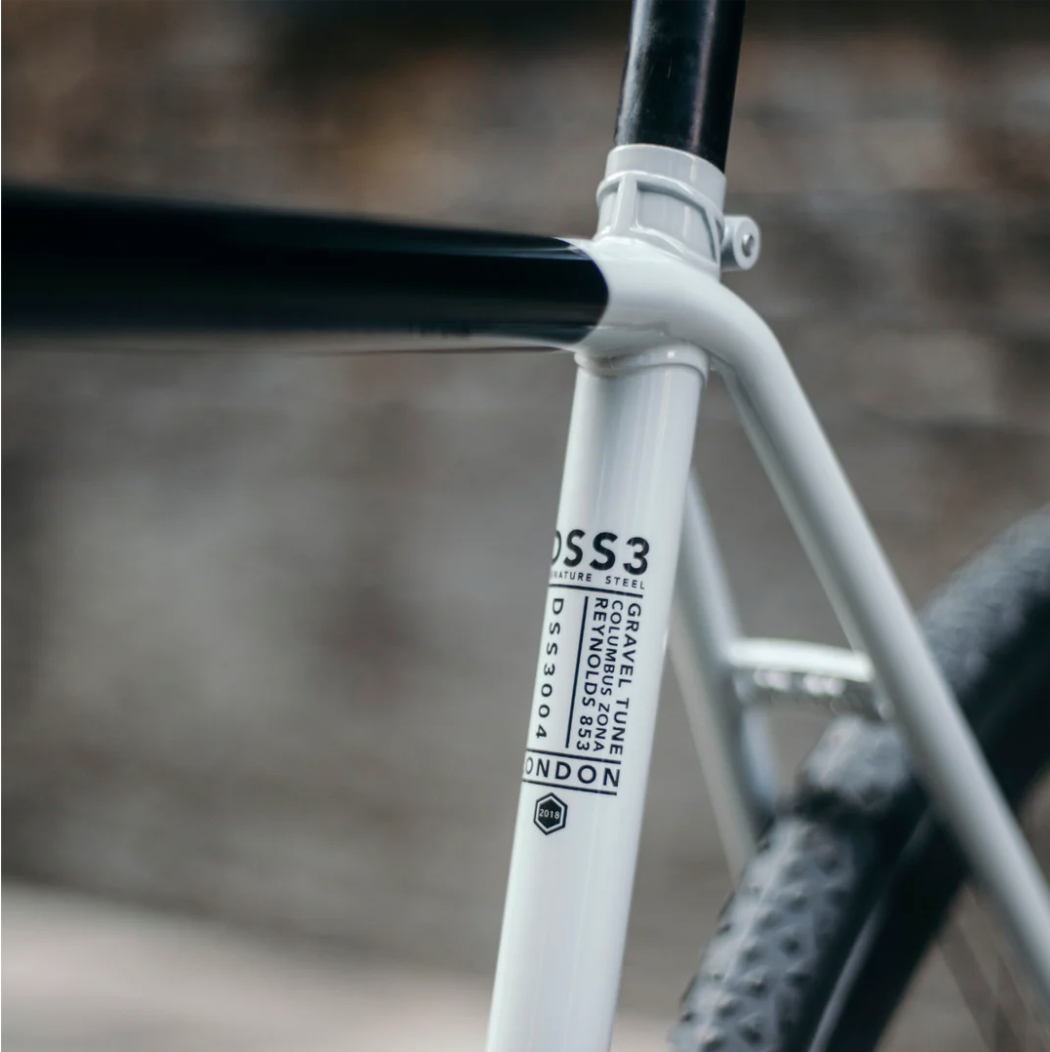
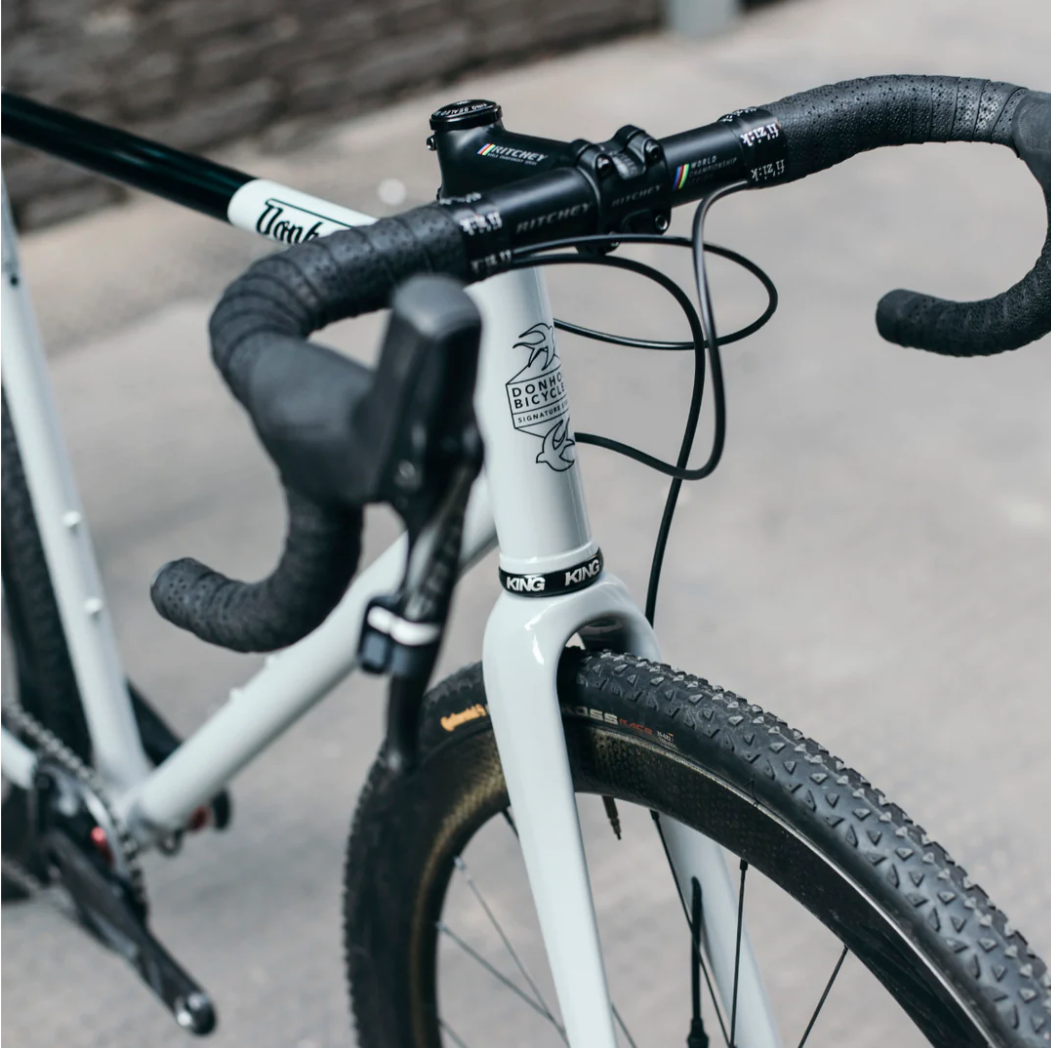
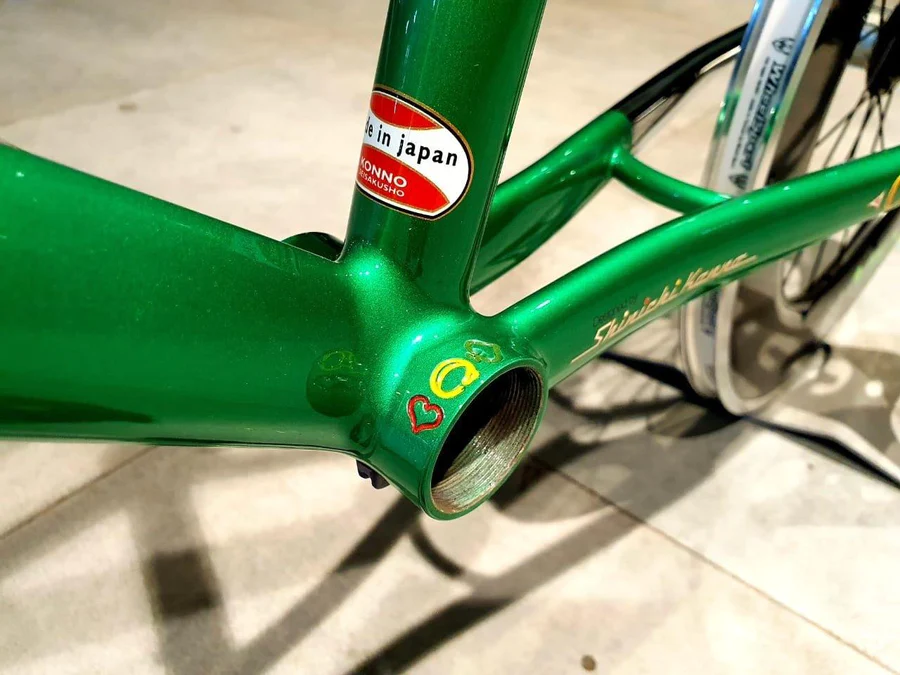
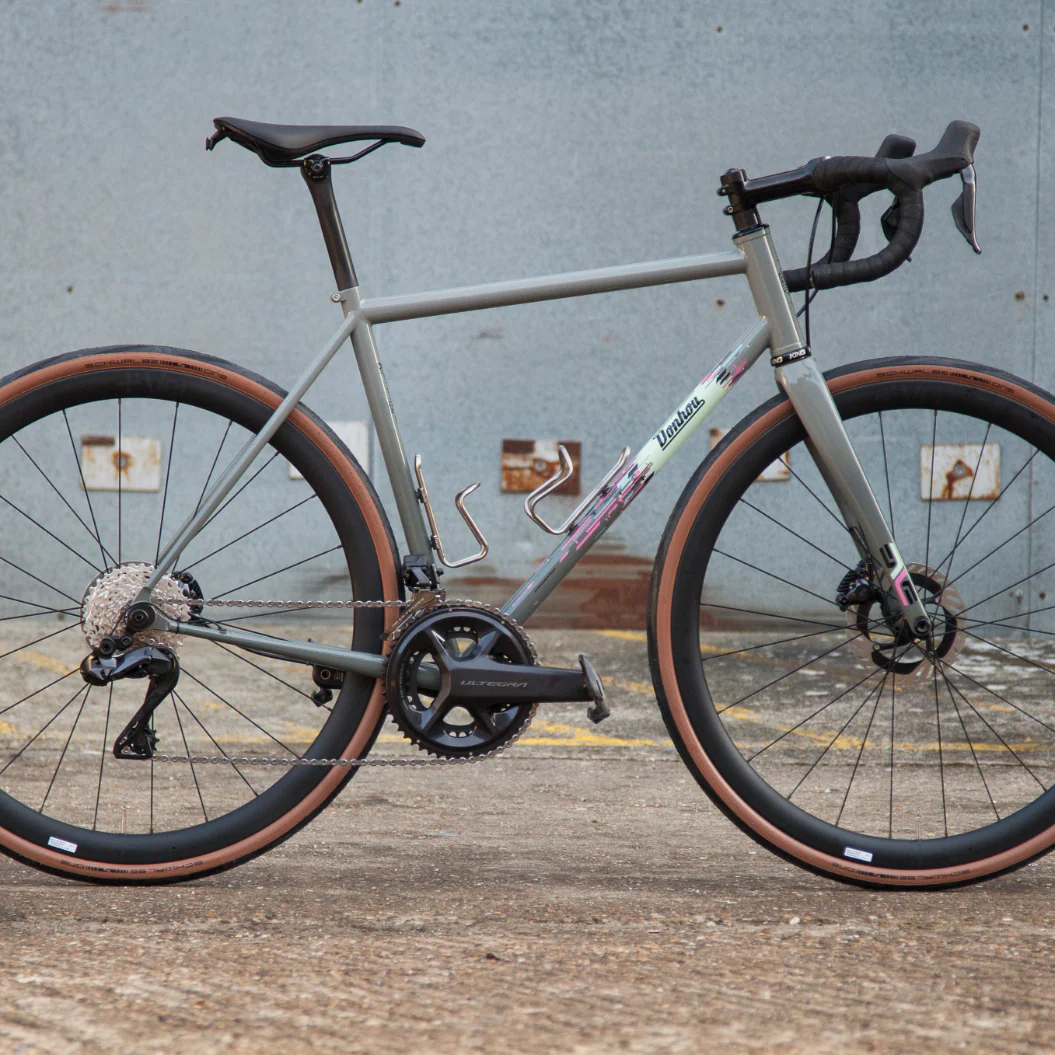
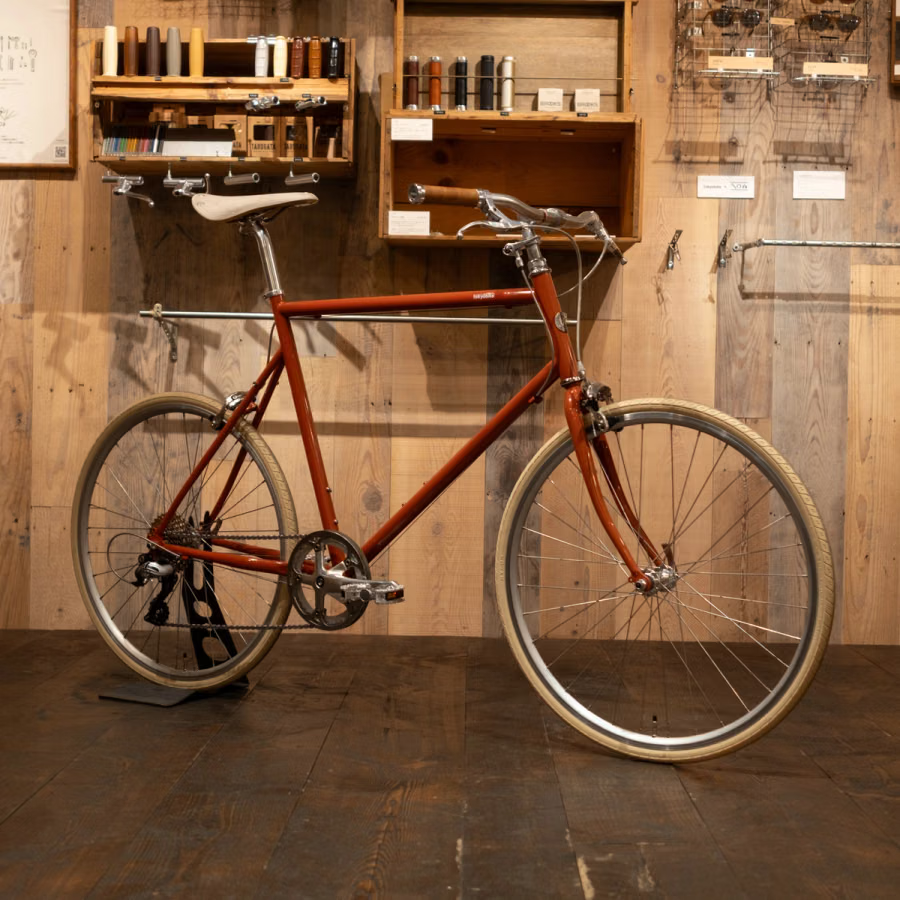
The next gallery is a personal collection of references from several builders, just to help you realize the level of beauty and art that can be achieved.