First Encounters with Asia – Part II: South Korea
As soon as I arrived in Seoul, with the temperature around 5°C, something immediately amazed me in the small hostel where my colleague and I were staying: the floor was warm. I later learned that it was heated by hot water circulating through pipes beneath the surface. That might not impress a European very much, but for a Brazilian it felt both extremely curious and unexpectedly comfortable.
The next morning, work came first. We headed to our first shipyard. This time there were no photos, since military vessels were under construction.
The experience was quite different from China. We were not welcomed by a full group from the shipyard, the engineering team, or manufacturing management. At both Samsung and DSME, we were received by a single representative from the marketing side. Unlike the Chinese shipyards, which were constantly fighting for global market share, the Korean yards seemed far more conscious of their position as industry leaders, and the treatment was much more formal and protocol-driven.
The shipyards were located on Geoje Island, at the southern end of the country, and we stayed there a little longer than strictly necessary. Like Dalian in China, it was essentially an industrial city. As soon as the work was finished, we went to Seoul.
My first impression of Seoul was surprisingly similar to arriving in São Paulo. It was large, grey and congested, without any caricatured Asian exoticism. Wide avenues, high-rise buildings, heavy traffic and a major urban highway running alongside the largest river crossing the city reminded me, in a strange way, of São Paulo and the Marginal Tietê.
I have to admit that I was quite disappointed. In 2014, Korean dramas and K-pop had nothing like the mainstream presence in Brazil that they have today, so I arrived without a pre-existing visual idea of what urban Korea was supposed to look like. But I was expecting something more “cinematic”.
Once I started walking around Seoul, however, the similarities with São Paulo quickly began to disappear.
The subway system was extremely efficient, almost Japanese in standard, and made it easy to reach nearly every part of the city. Cafés and small bistros were everywhere, and it was usually easy to find someone who spoke enough English to help. If you were not yet ready to take your chances with Korean food and its generous use of chili, it was also perfectly possible to survive on familiar Western food.
The largest river running through Seoul is the Han. One of the most curious things I remember seeing along sections of it, especially farther north and downstream, was the military infrastructure. Long stretches seemed empty, interrupted by barbed-wire fences and observation posts. The Han eventually flows toward the heavily militarized estuary near the North Korean border, and the fear of infiltration from the North had left a visible mark on the landscape.
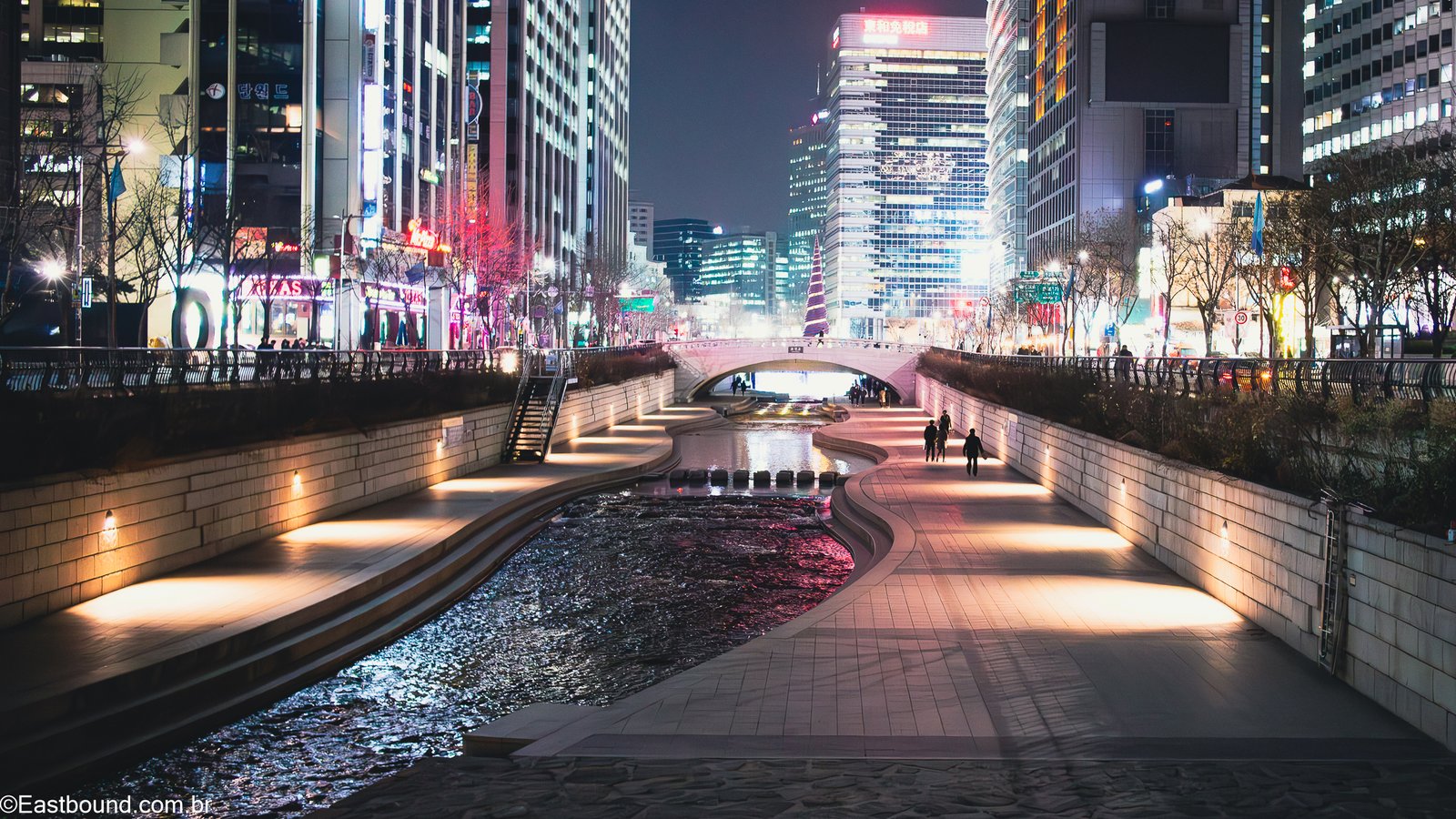
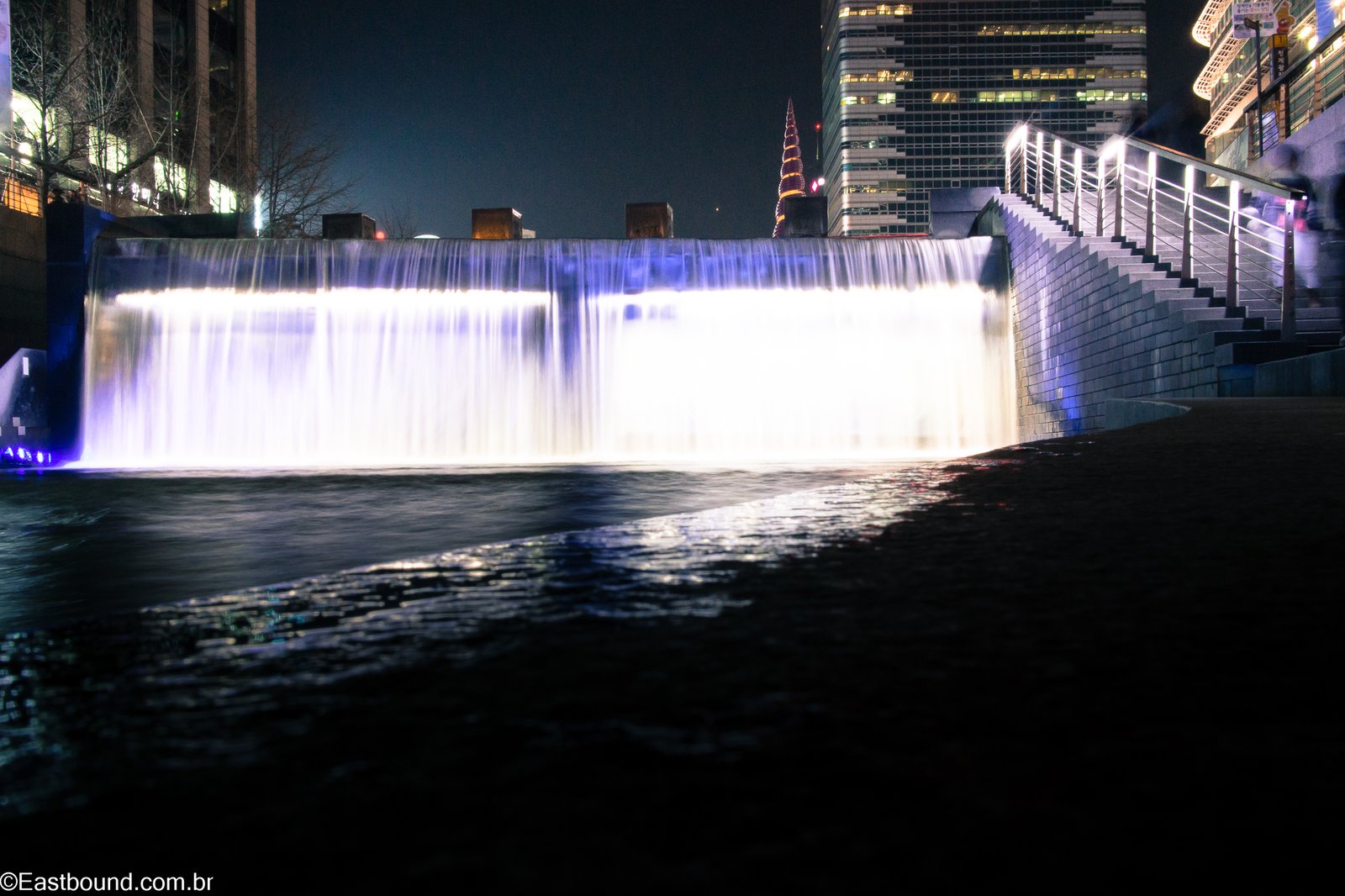
The second famous waterway is the Cheonggyecheon, an urban stream stretching for 11 kilometres through central Seoul. It was part of a major urban revitalisation project that transformed what once was a degraded urban channel into a public recreational space. From locals, I heard that it would be one of the world’s largest horizontal urban parks. Whatever the exact definition, it was an extremely pleasant place to walk, during the day or at night, surrounded by shops, cafés and restaurants.
Our first completely tourist-oriented excursion was to the infamous DMZ, the Demilitarized Zone.
It was an official bus tour, since access is tightly controlled. We passed through several checkpoints, many of which, to my surprise, were filled with American soldiers. The level of tension was striking. It was almost something you could smell. For the first time, I had the very real impression that I was visiting a country technically still living with a war that had never truly disappeared.
At the tourist reception area, there was the usual infrastructure: a shop, a cafeteria, a small museum, and access to the more unusual attractions.
We started with the tunnels.
In the years following the Korean War, North Korea repeatedly excavated tunnels beneath the border, apparently intended to allow troops to infiltrate the South during a surprise attack. South Korea, on the other side, searched frantically for possible tunnel routes and eventually discovered several of them.
The one I visited was the Third Infiltration Tunnel. It was not large enough for tanks, but it was certainly large enough for a substantial number of infantry troops. The tunnel had already penetrated significantly south of the military demarcation line when it was discovered. Visitors can walk through a considerable section of it until reaching a thick concrete barrier, beyond which access has been blocked.
Around the visitor area there were fences covered with signs warning of minefields ahead. That was the moment when the situation stopped feeling theatrical. This was not a quarrel between difficult neighbours. This was something very, very serious.
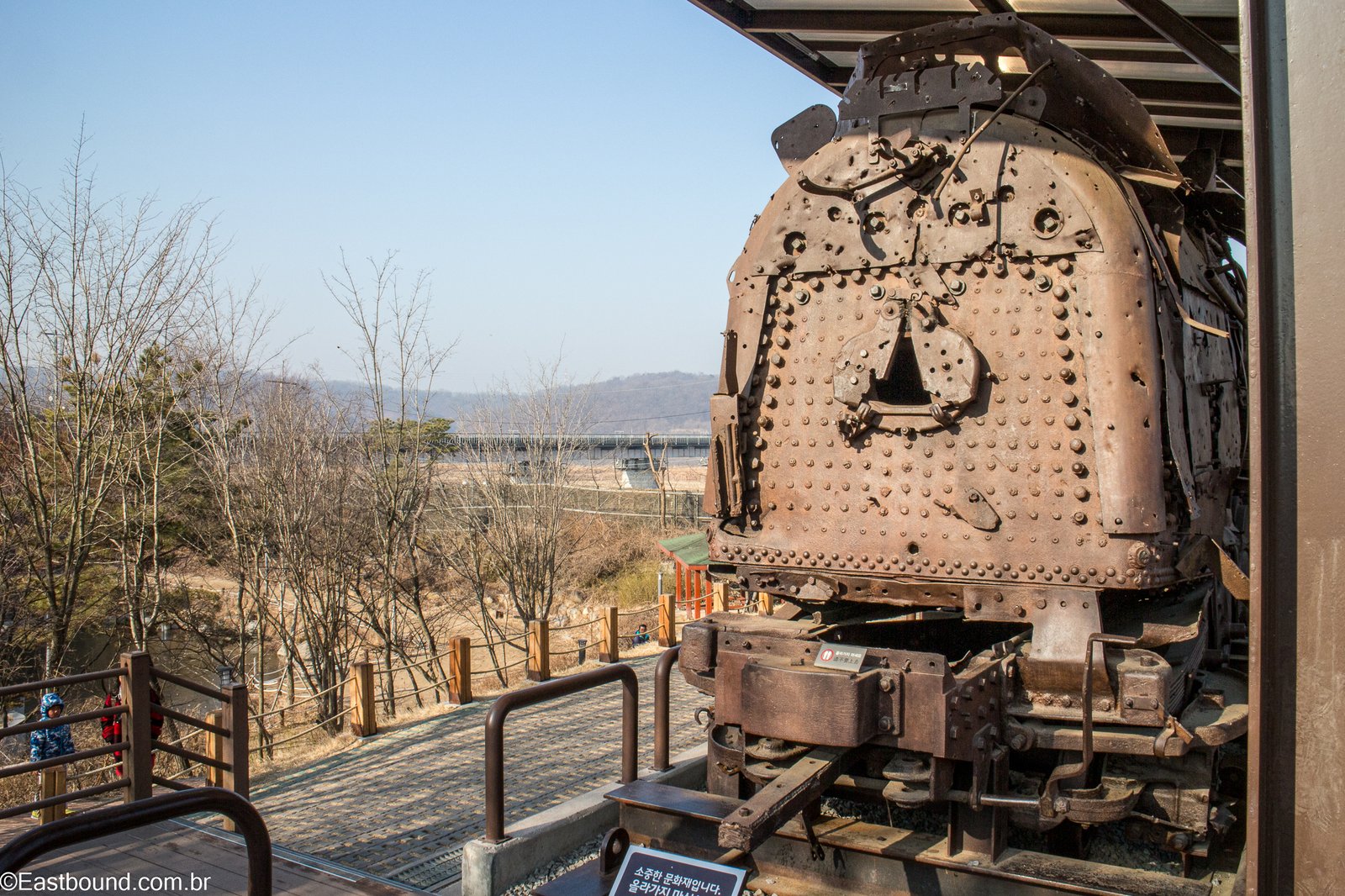
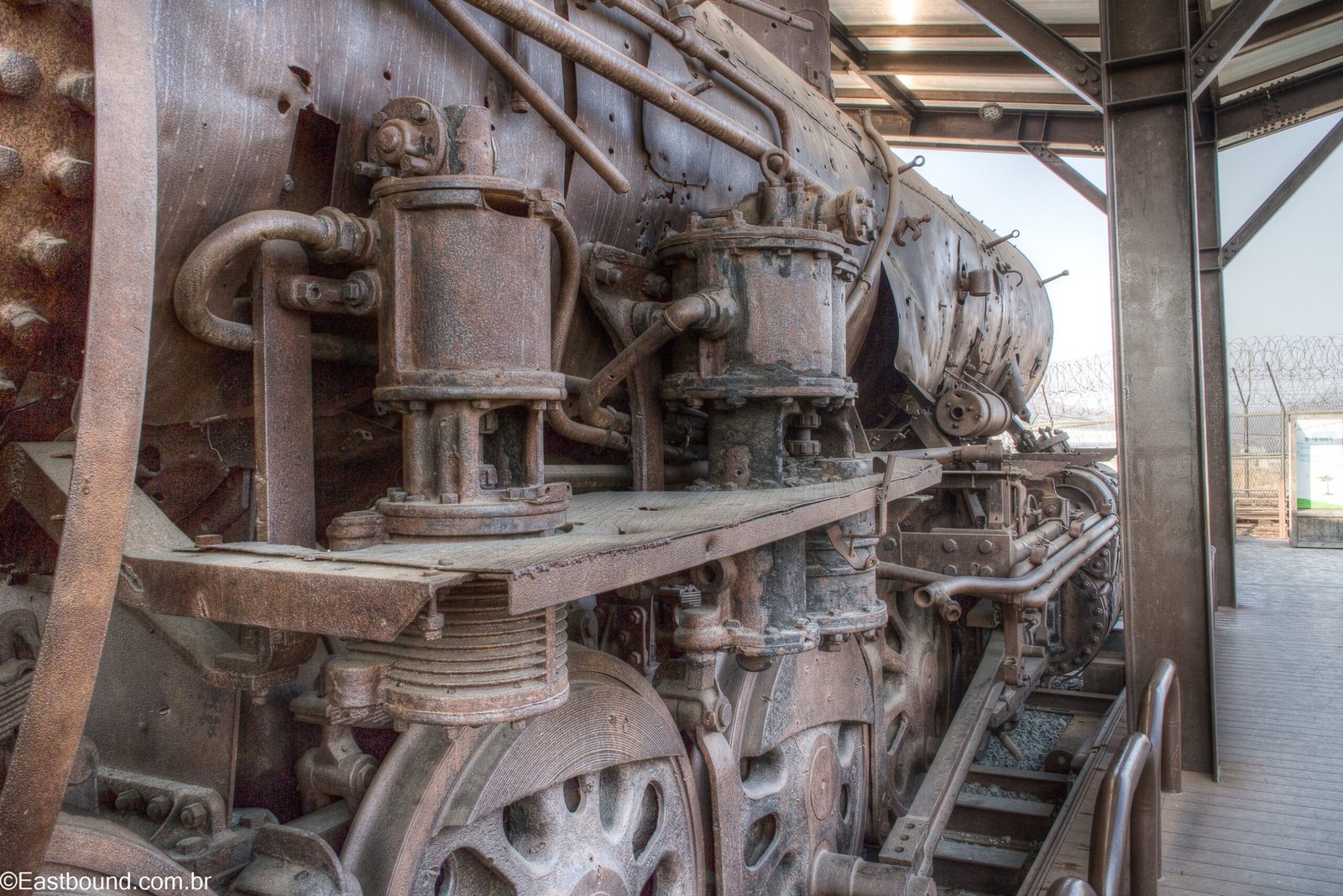
A trail led toward a hill where there had once been railway infrastructure connected to the border area. There I saw the remains of the last train that crossed the border, under fire, still damaged as it arrived. Looking at its condition, it was difficult to imagine that many passengers could have survived an attack like that.
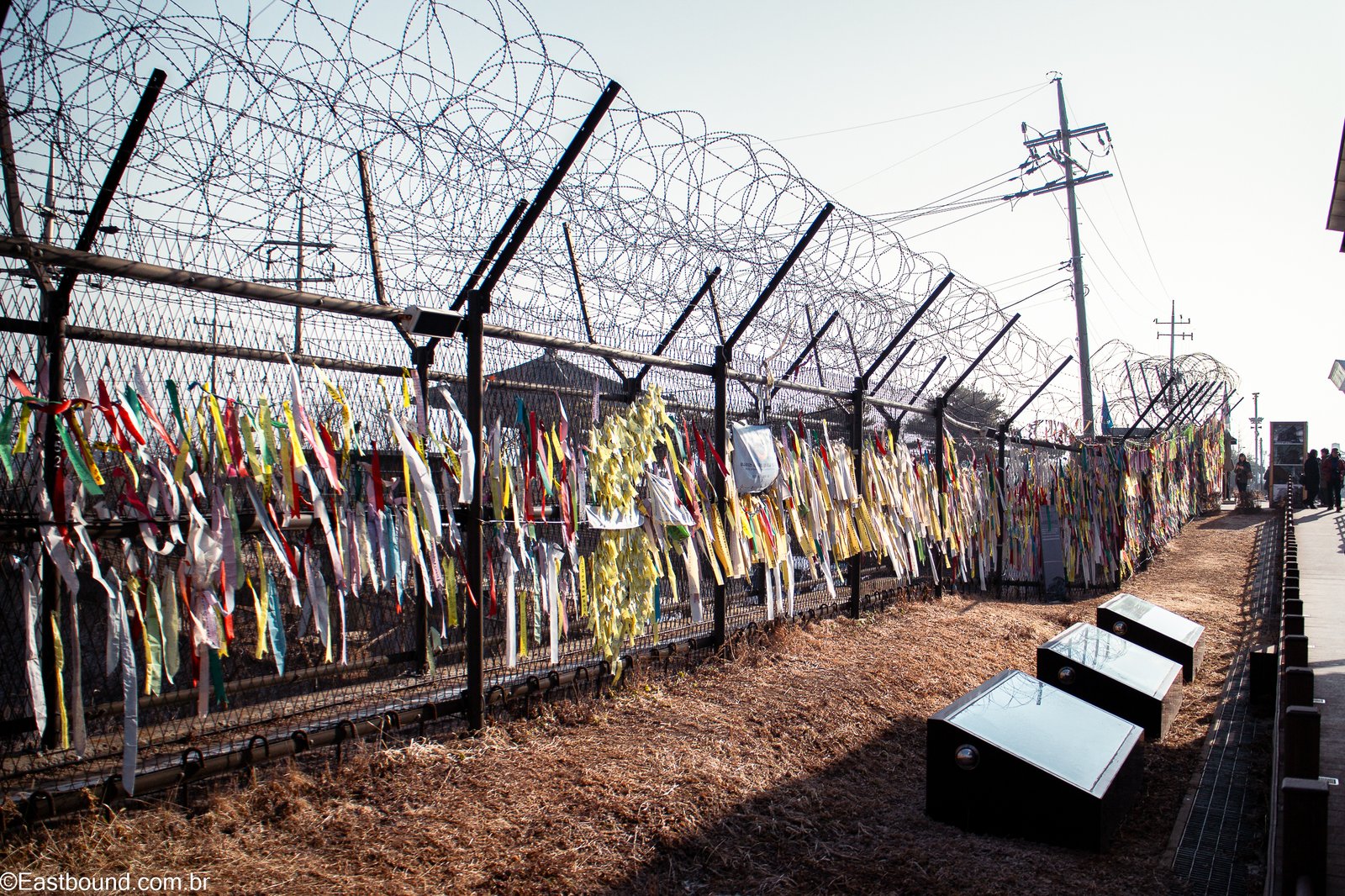
Elsewhere, fences and railings were covered with messages left by people who had been separated from relatives and friends in the North. Some ribbons carried names and addresses. Others contained only a short message, a memory or a word expressing something close to longing, friendship or loss.
From the observation point, you could look across toward North Korean positions in the distance. You could also see the famous settlement often described as a propaganda village, built in part to project an image of prosperity toward the South.
The trip took us one day. We were back in downtown Seoul before nightfall. For the next day, we went to another place I would consider a must-visit. The War Memorial of Korea.
The outdoor area almost felt like a theme park built from the machinery of war. Tanks, anti-aircraft guns, aircraft and other military equipment were displayed across the grounds, while children happily played among them.
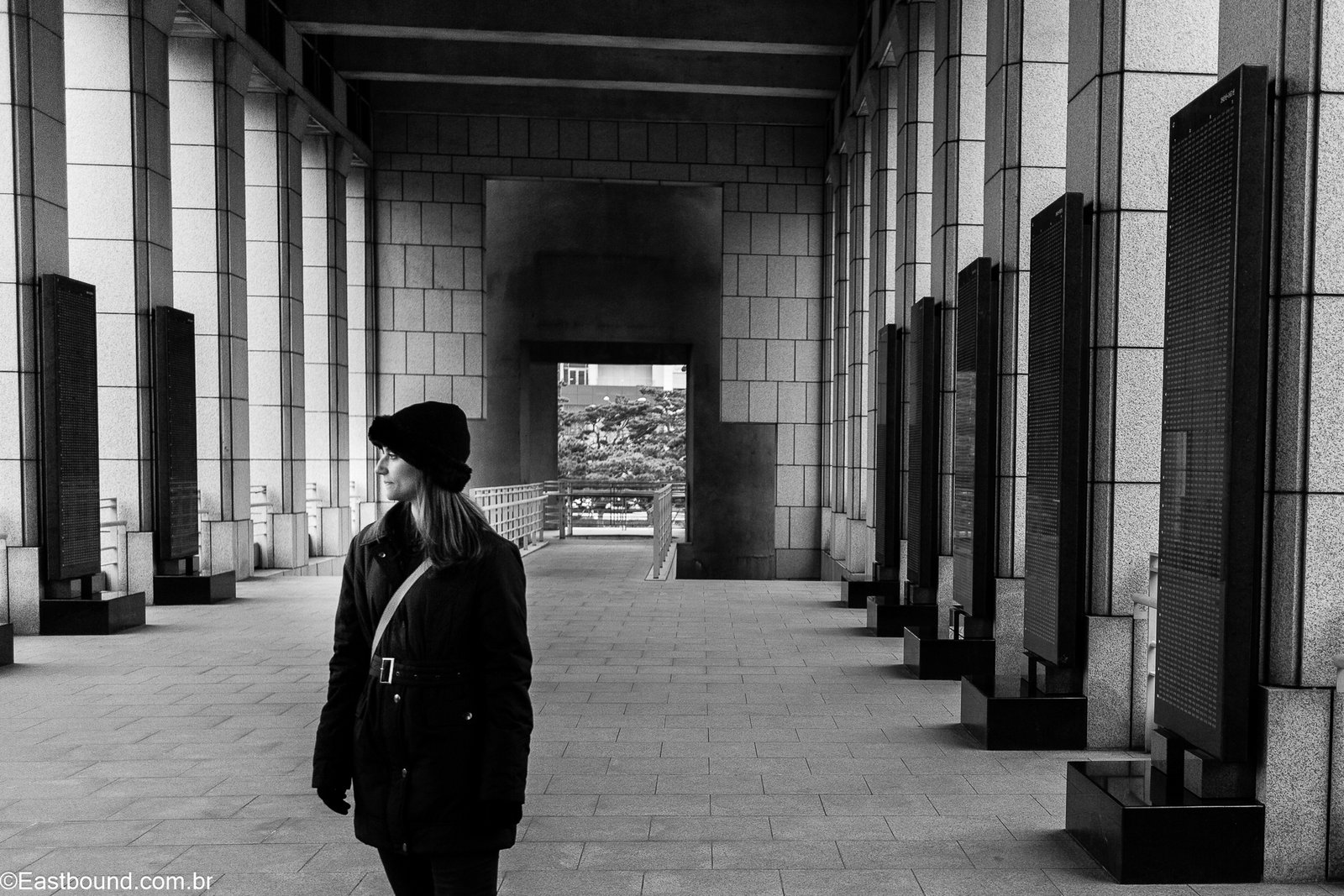
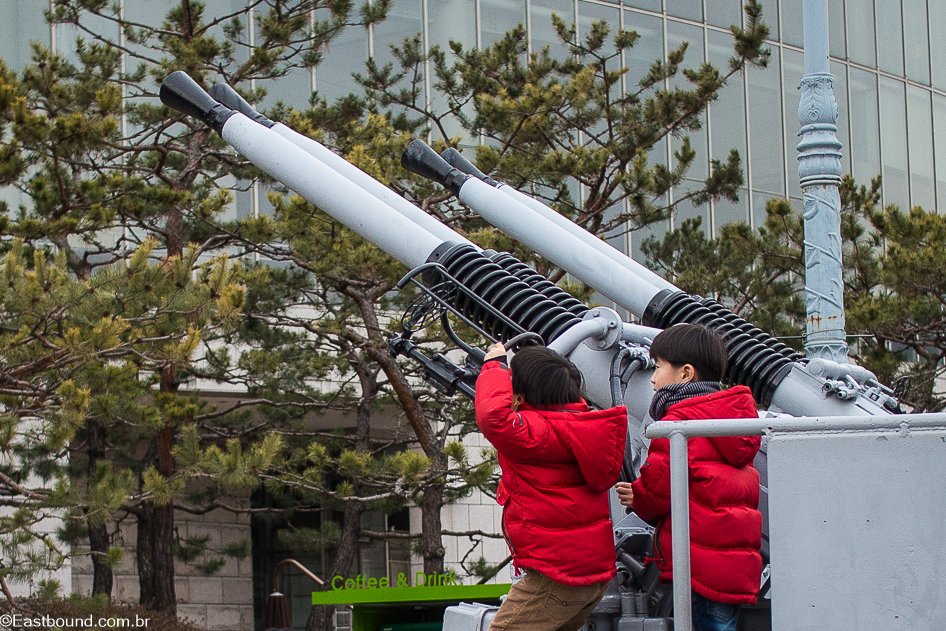
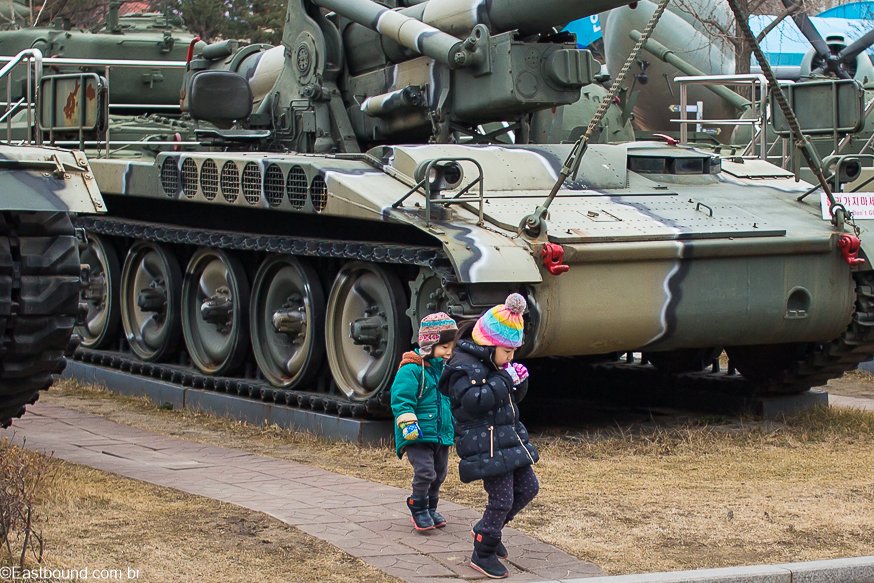
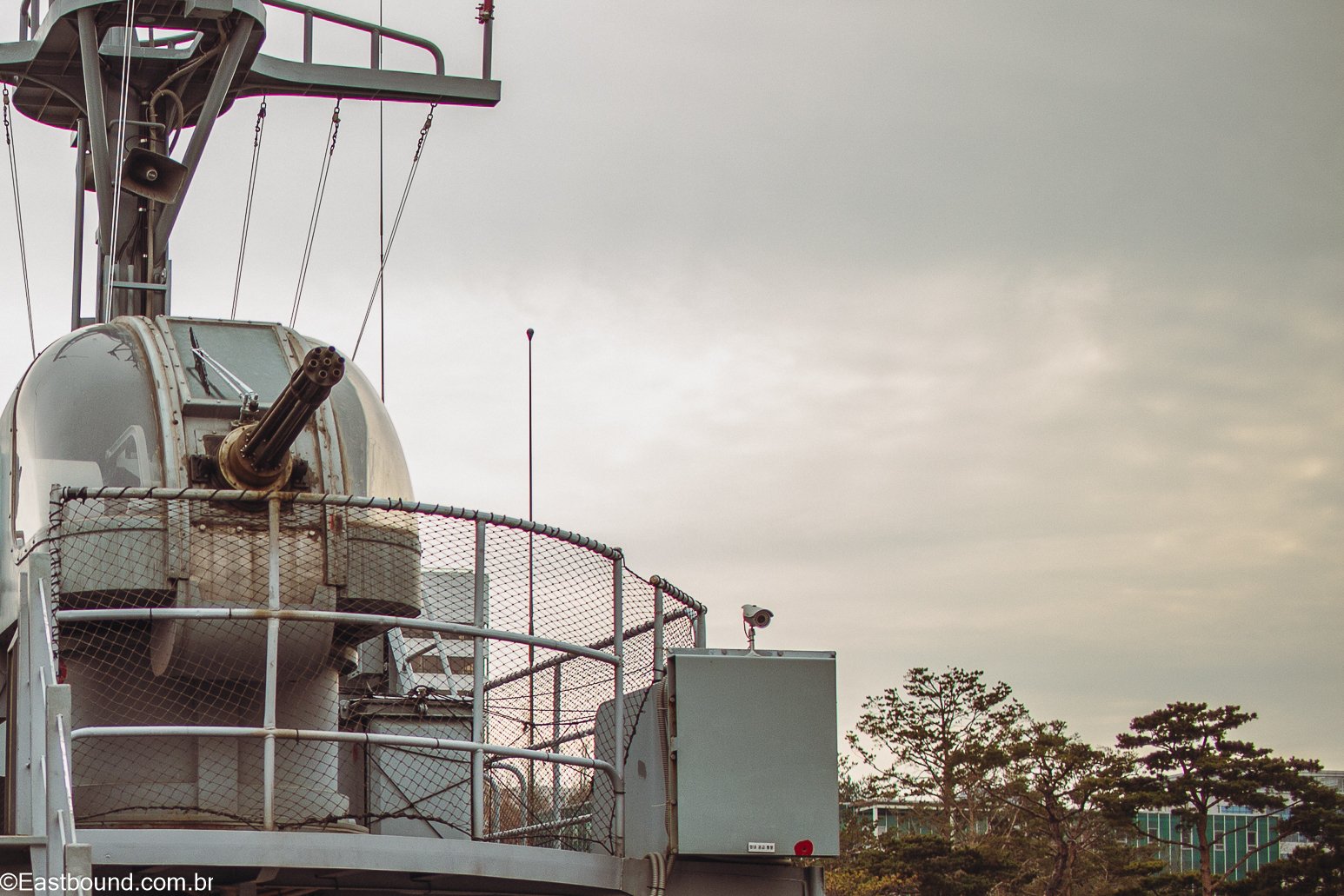
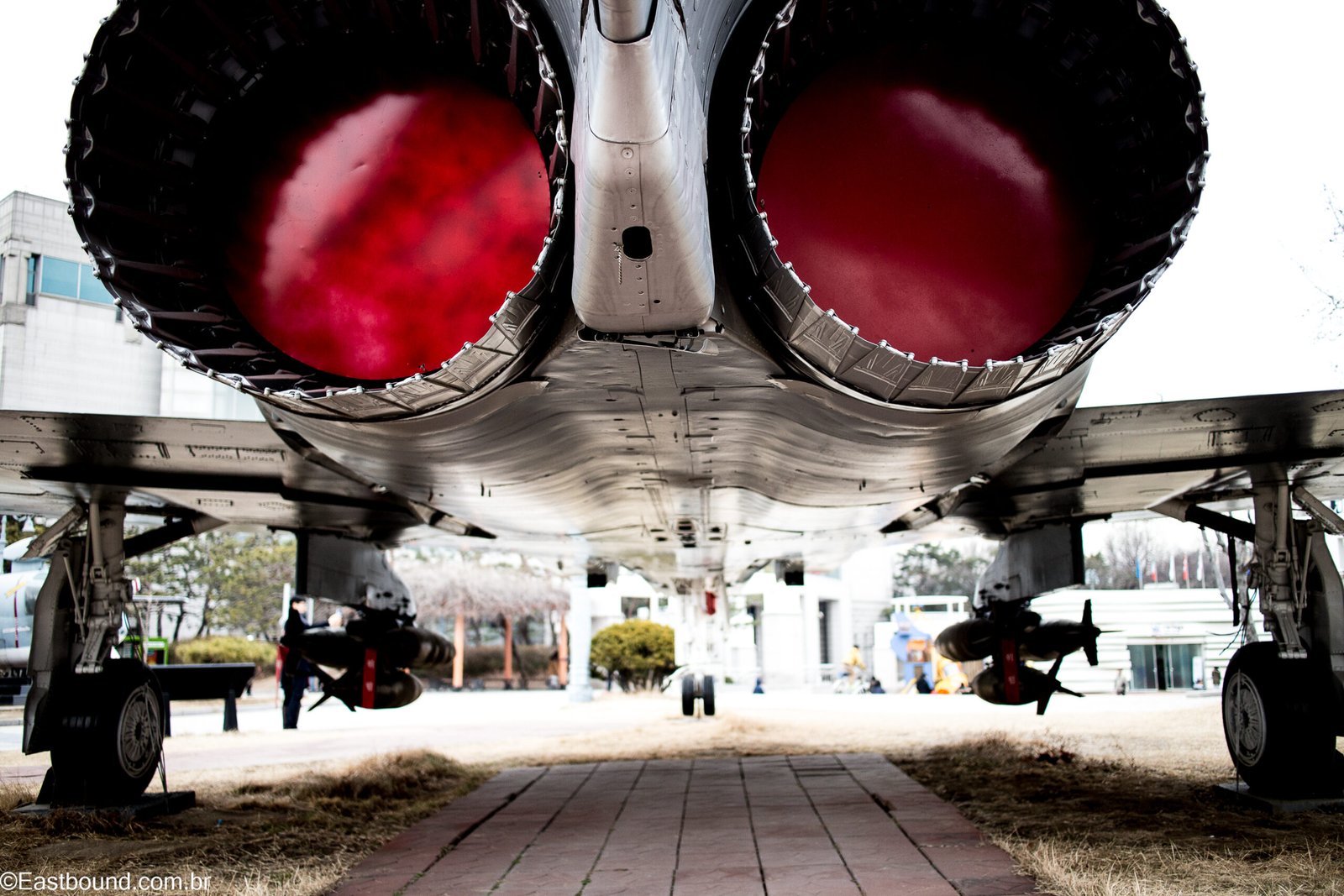
The museum itself was fantastic. It covered the battles in great detail, the stories of individual soldiers, weapons, equipment and some of the darker episodes of the conflict. One of the most solemn areas was a memorial corridor finished in dark stone, engraved with the names of Korean soldiers who had died in combat.
Here, a historical and curiosity note: What foreigners call South Korea is officially Daehan Minguk, while North Korea is the Joseon Minjujuui Inmin Gonghwaguk. Between themselves in the South, they call Korea Hanguk, while North Koreans call their country Joseon. Even the name of the country became part of the division.
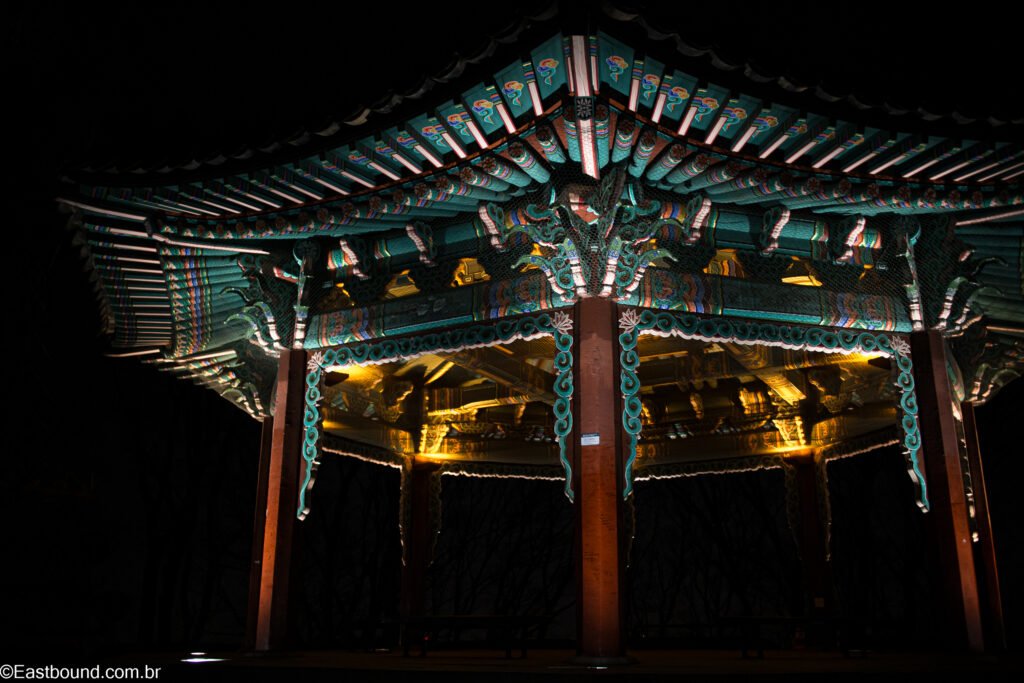
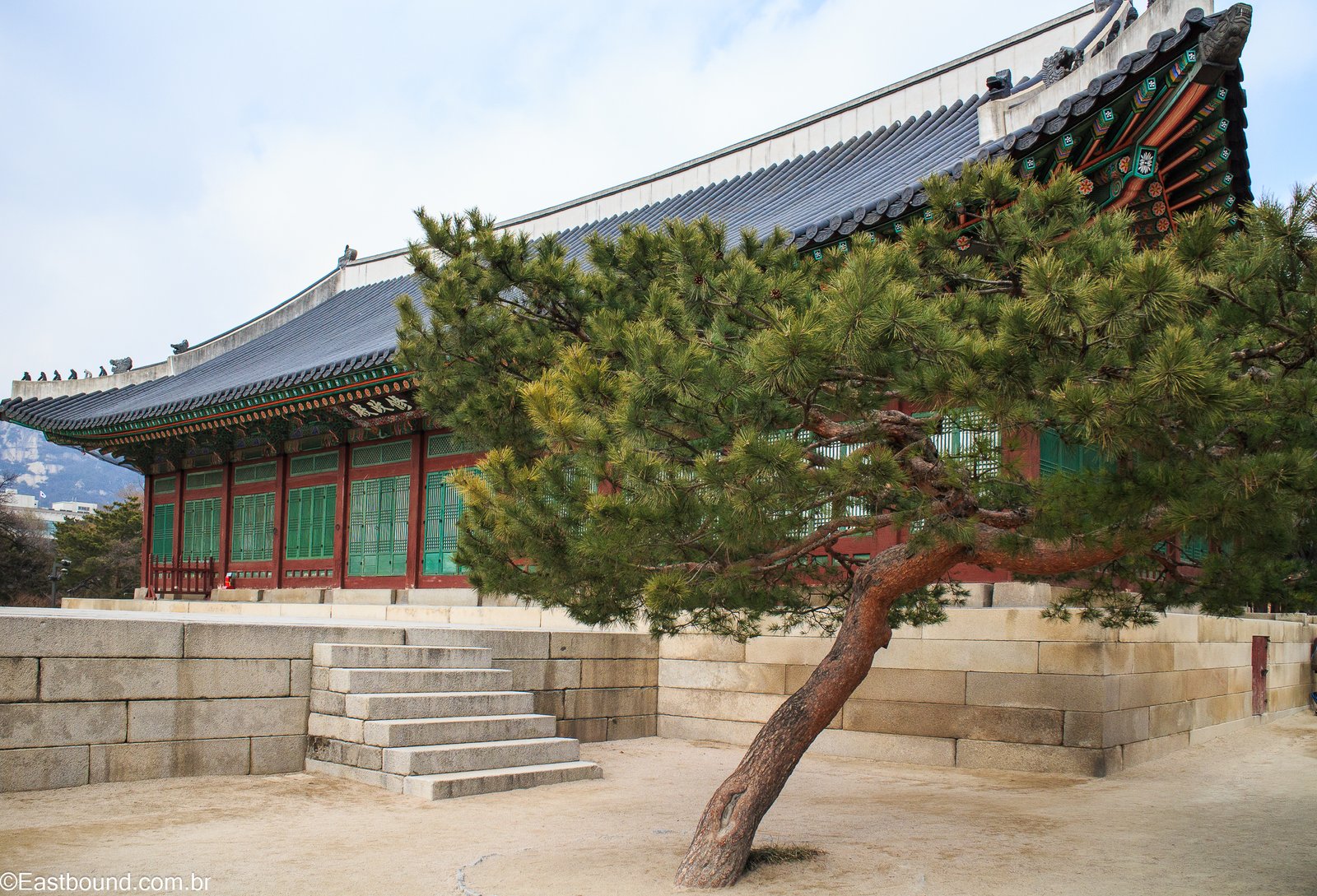
The third major visit was Deoksugung Palace, one of the places associated with the Joseon period and later the Korean Empire. That was when Korea finally began to look like the Korea I had expected to see.
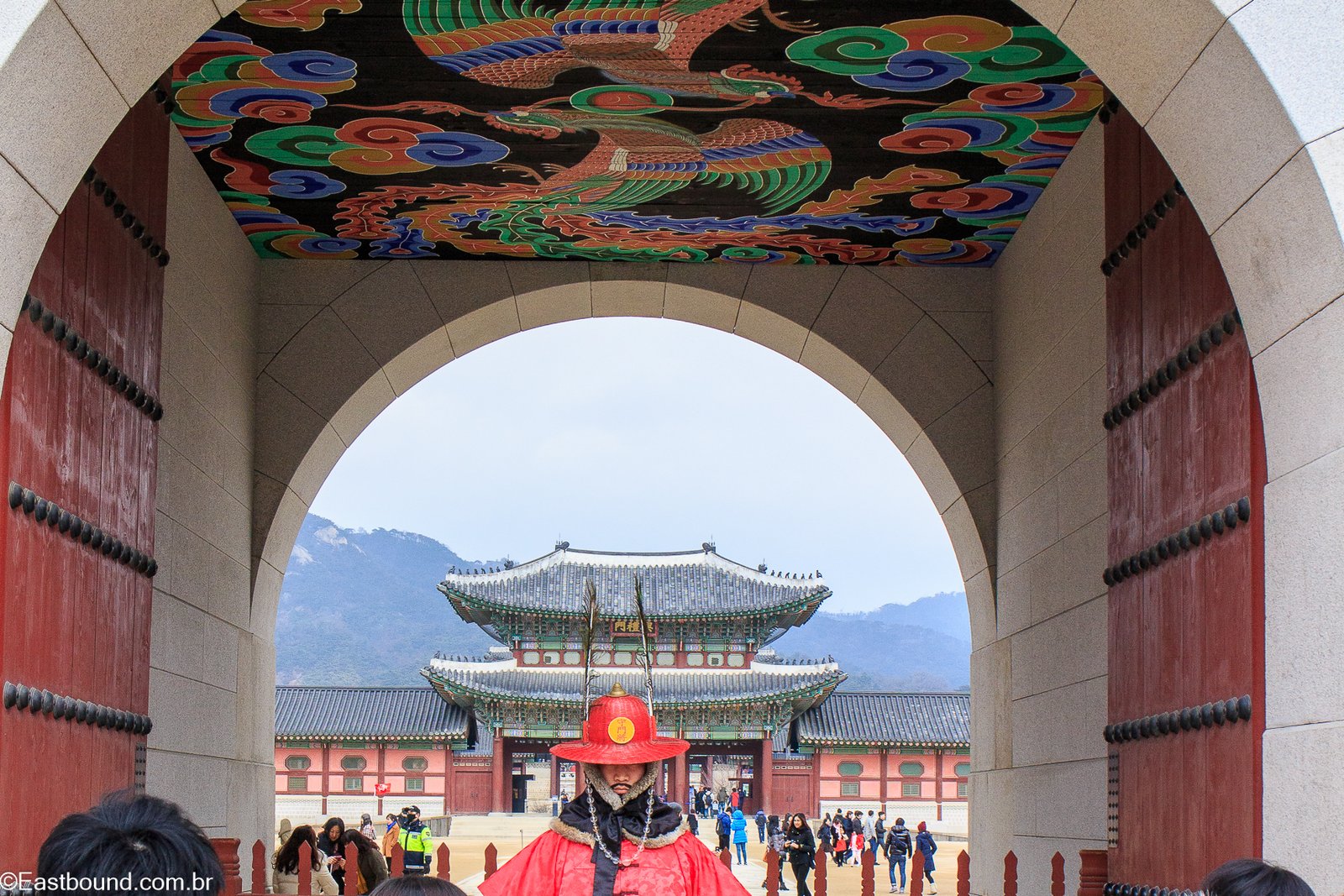
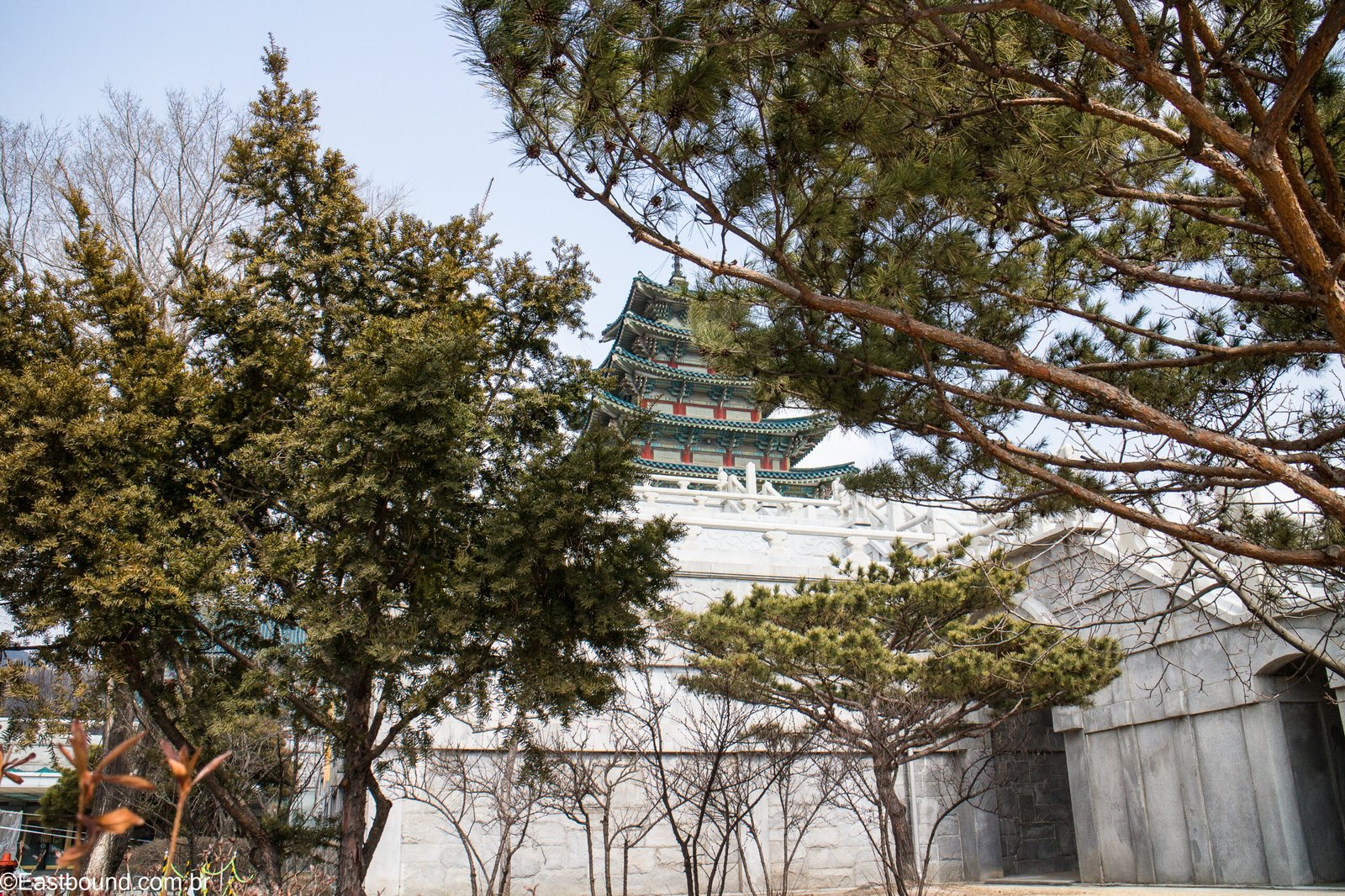
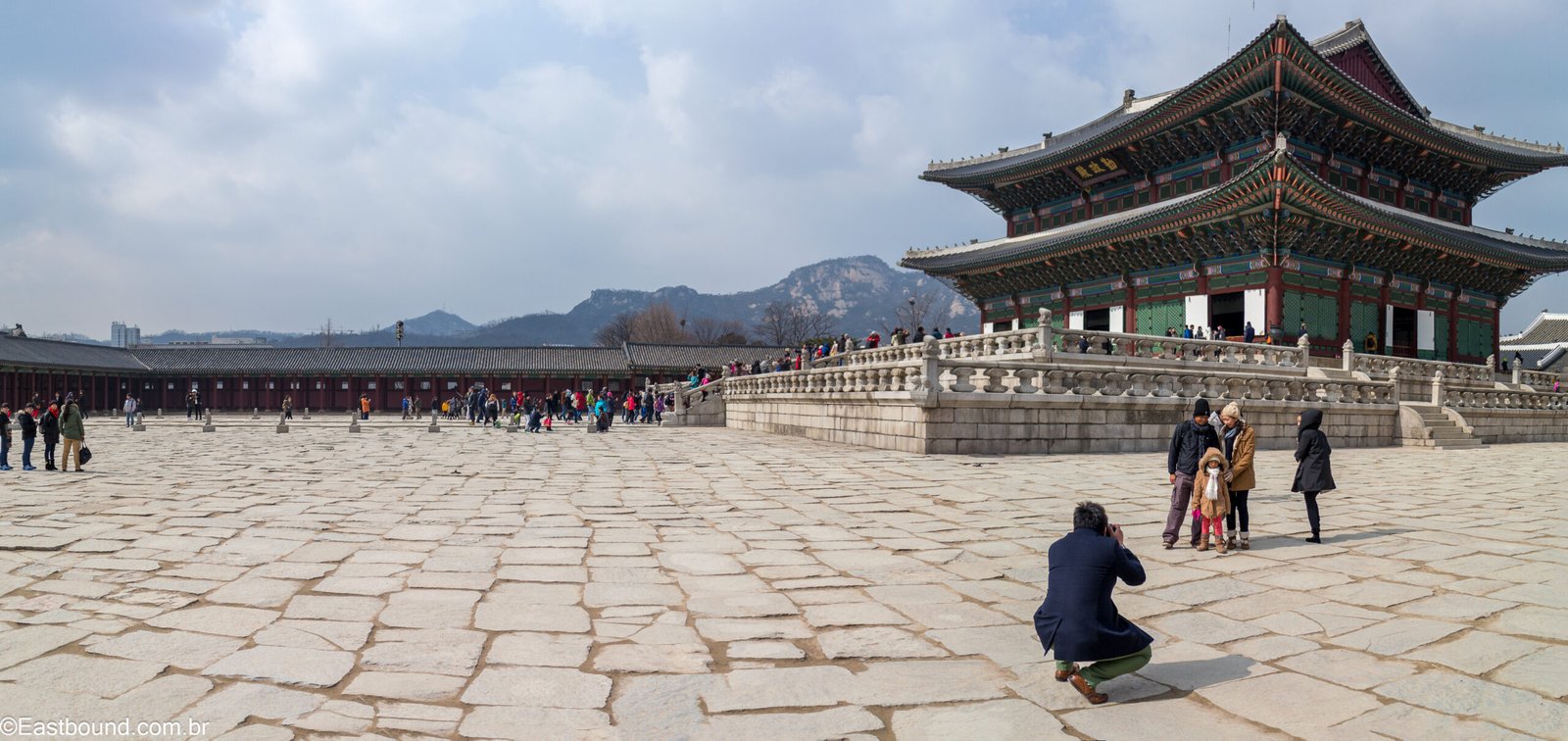
Deoksugung was broad, elegant and startlingly colourful. Compared with the Japanese temples and castles I would later become more familiar with, often austere, restrained and visually calm, Korean historical architecture felt much more exuberant. The colours seemed almost excessive to my eye, with combinations I would never have imagined choosing myself.
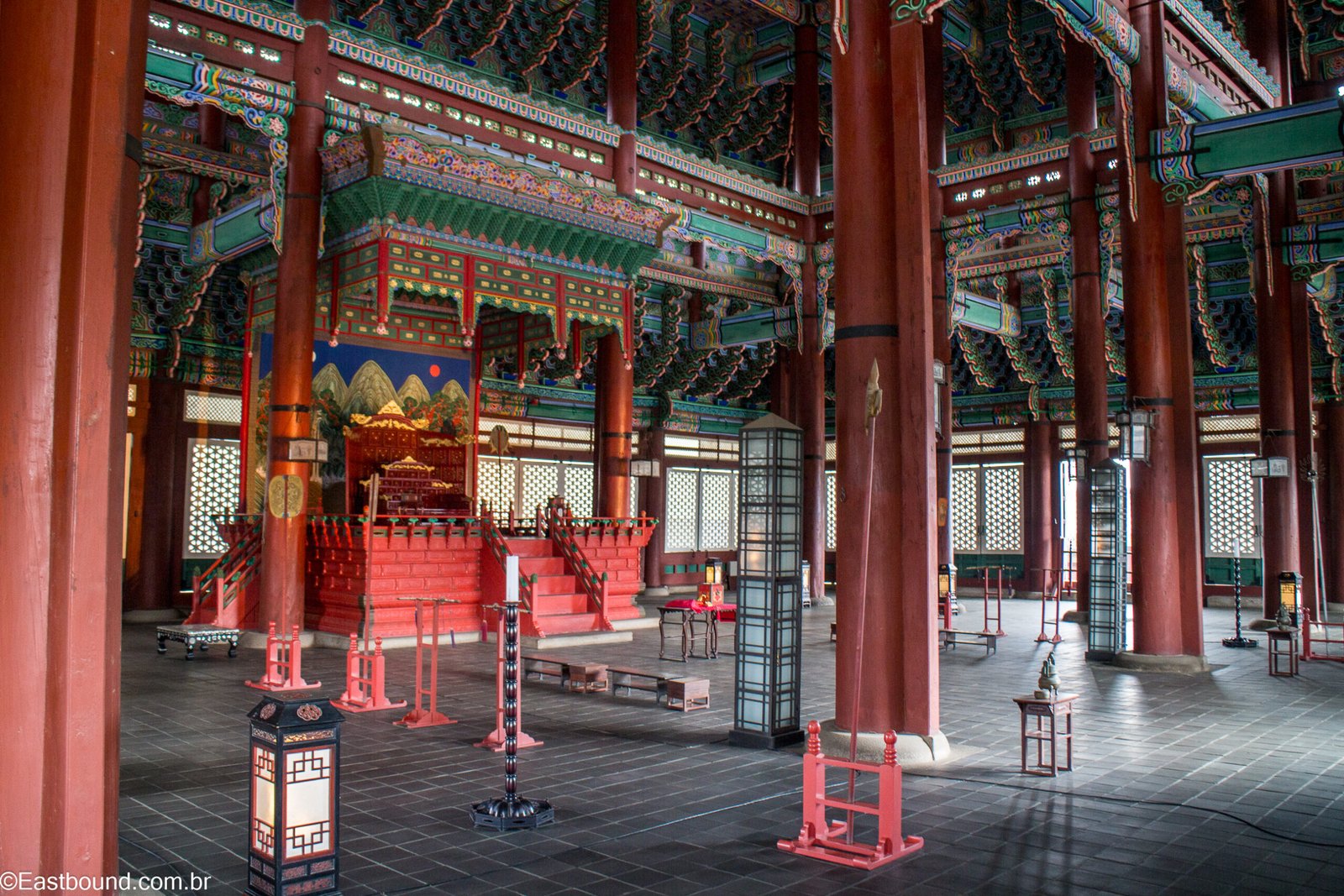
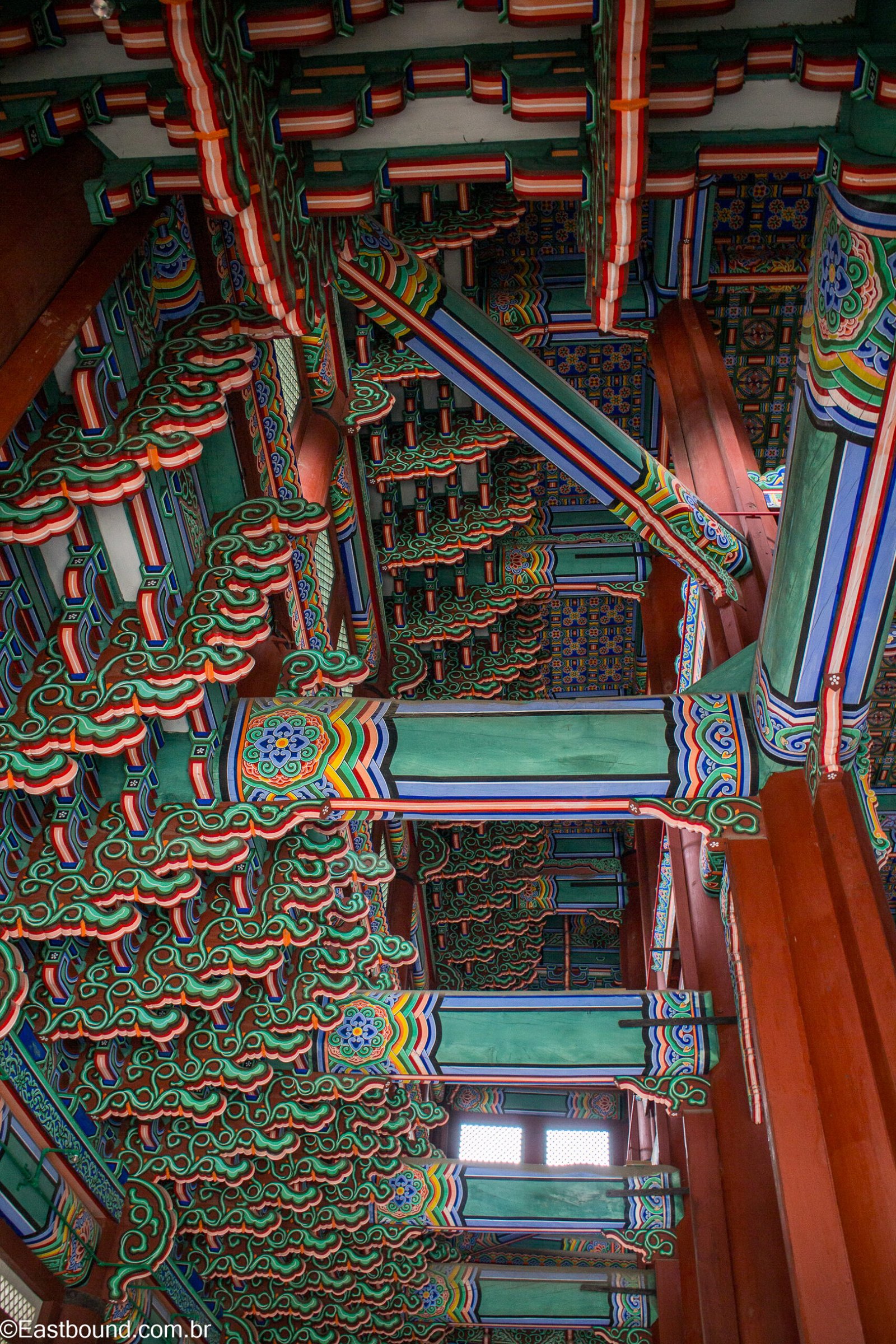
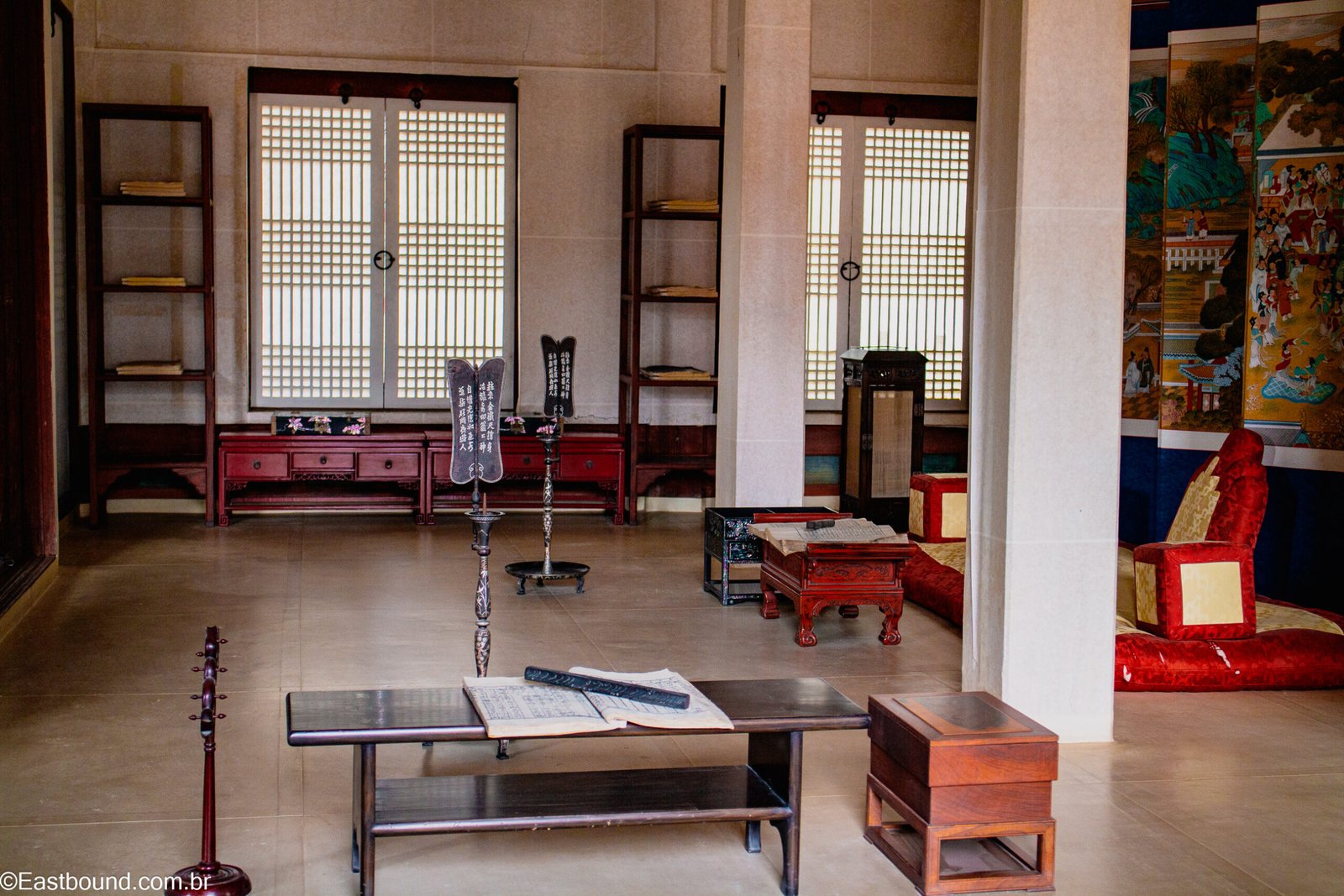
Several rooms preserved period furniture and decorative elements, and for anyone interested in historical dramas it was easy to imagine the atmosphere of the Joseon era. Even the guards wore traditional uniforms and carried period-style weapons.
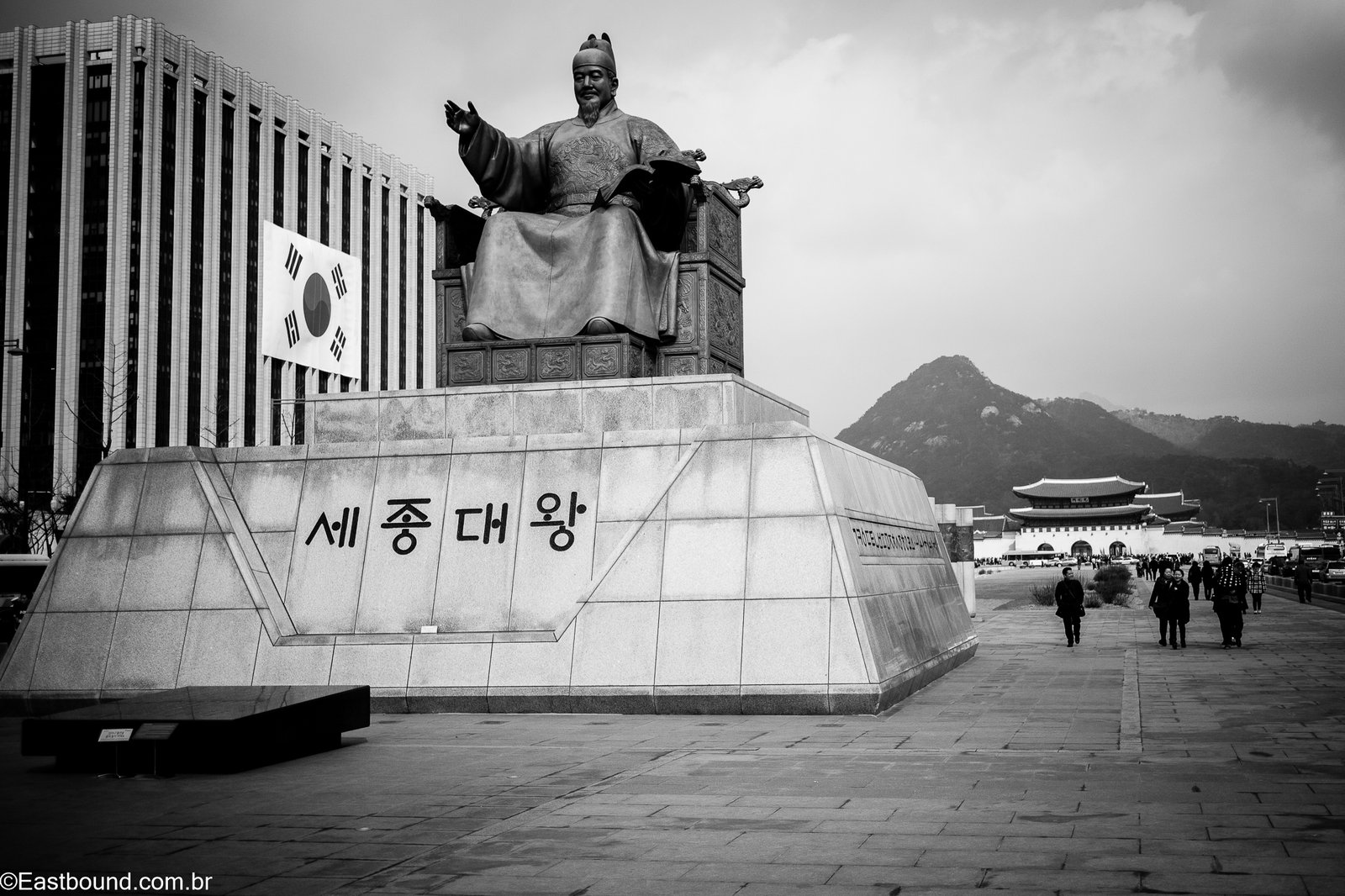
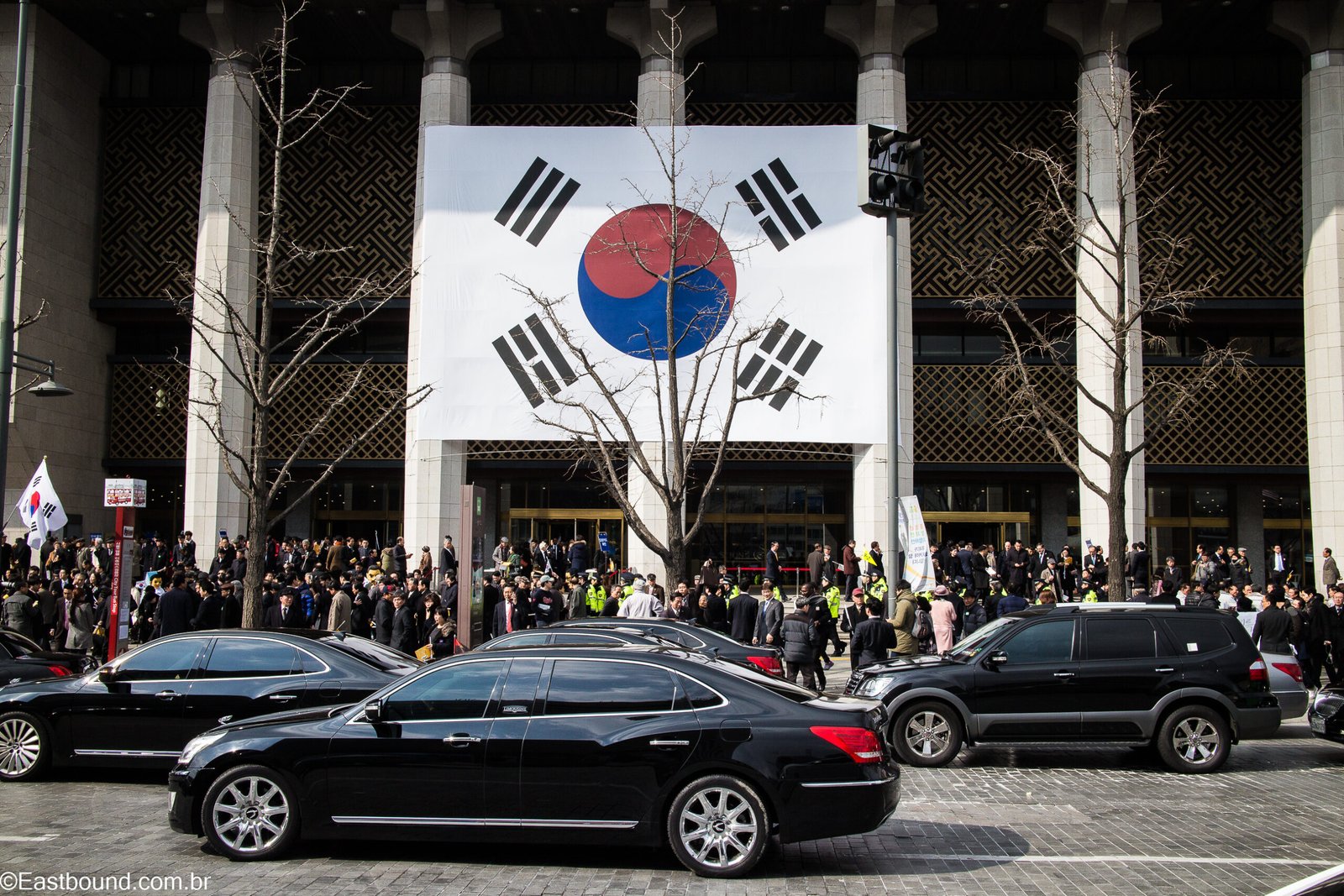
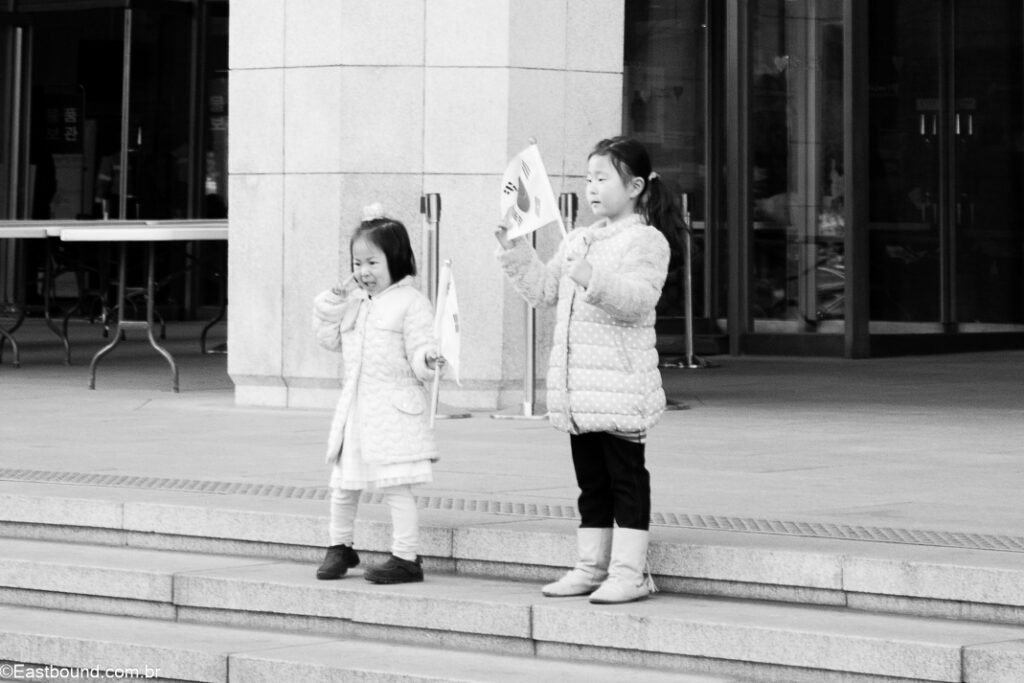
Near Gwanghwamun Square, not far from Gyeongbokgung Palace, we unexpectedly walked into what seemed to be a national celebration. At the center of the square stands the imposing statue of King Sejong the Great, one of Korea’s most important historical figures and the monarch associated with the creation of Hangul, the Korean alphabet. Around us, the area was covered in Korean flags, with families, elderly people and children gathering while rows of police stood nearby. I believe it was connected to Samiljeol, the March 1st Independence Movement Day, which commemorates the 1919 uprising against Japanese colonial rule.
I knew very little about the date at the time, but between King Sejong, the palace gate in the distance, and the sheer number of Taegeukgi flags, the strength of Korean historical and national identity was very clear.
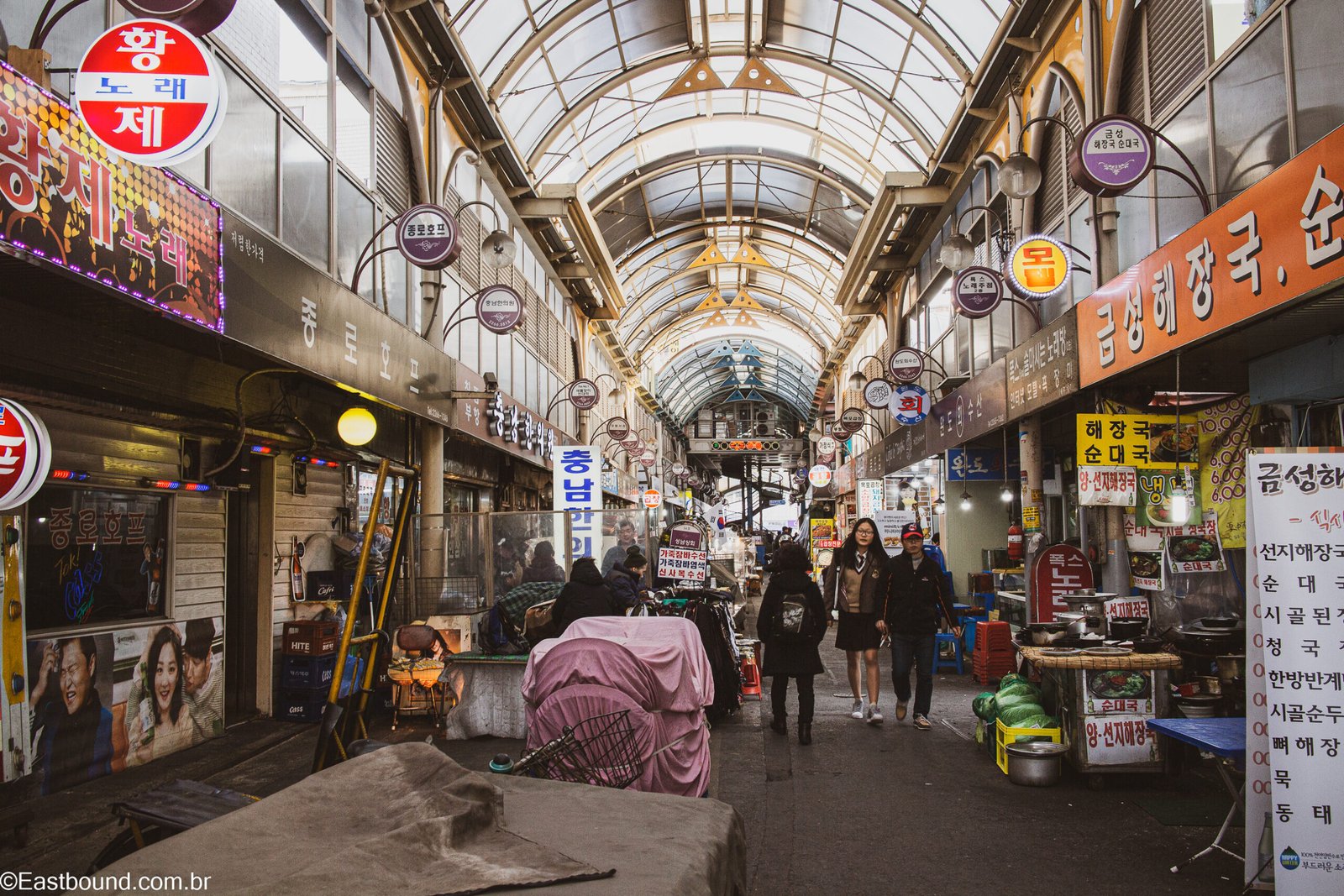
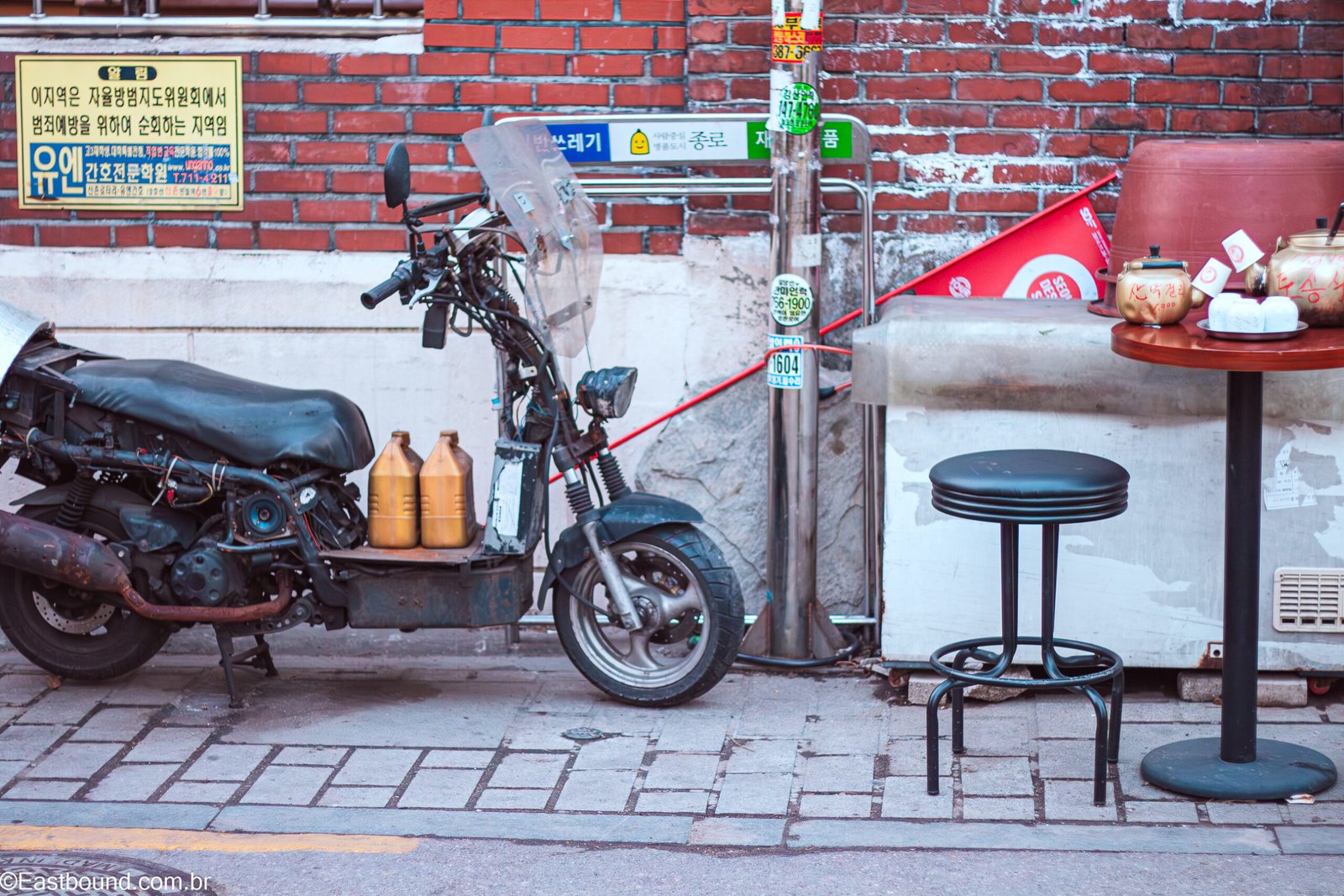
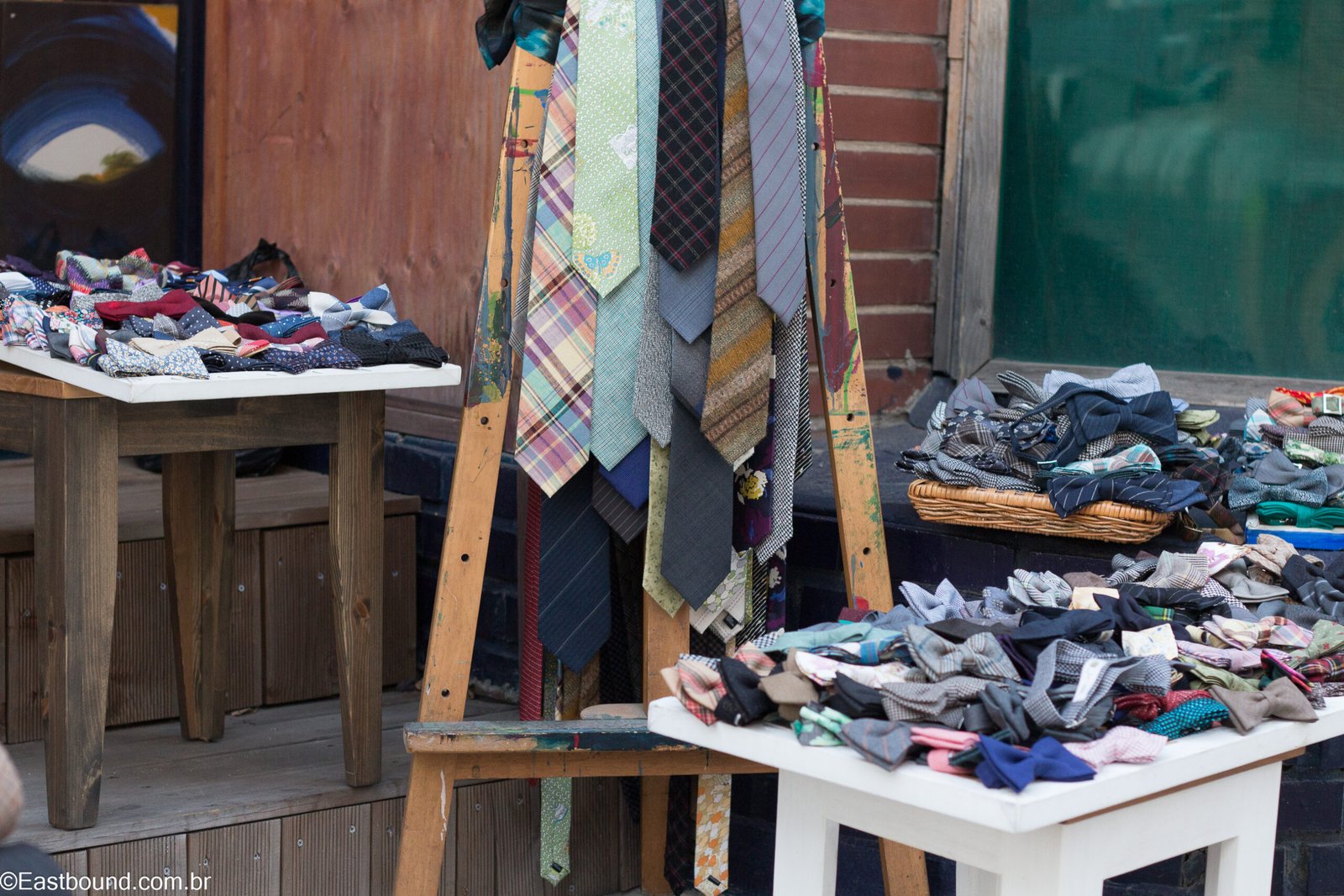
Walking to East you will reach the region of Jongno and Dongdaemun. It’s where Seoul seemed to have stopped in time somewhere in the 1990s. Narrow commercial streets were packed with tiny shops, tailors, wig stores and old-fashioned businesses, while motorcycles — not the neat little scooters I expected in an Asian capital, but battered working machines loaded with astonishing quantities of merchandise — moved constantly through the streets.
The area felt exotic, not because the buildings were particularly ancient, but because of the atmosphere. It seemed to belong to another period of time. The way people dressed in the streets, the cold but sunny day, the relatively silent environment but full of unexpected colors as smells. The existence itself of so many old-fashioned stores and environments in the country with the highest degree of industrial and commercial automation. The country of beauty products.
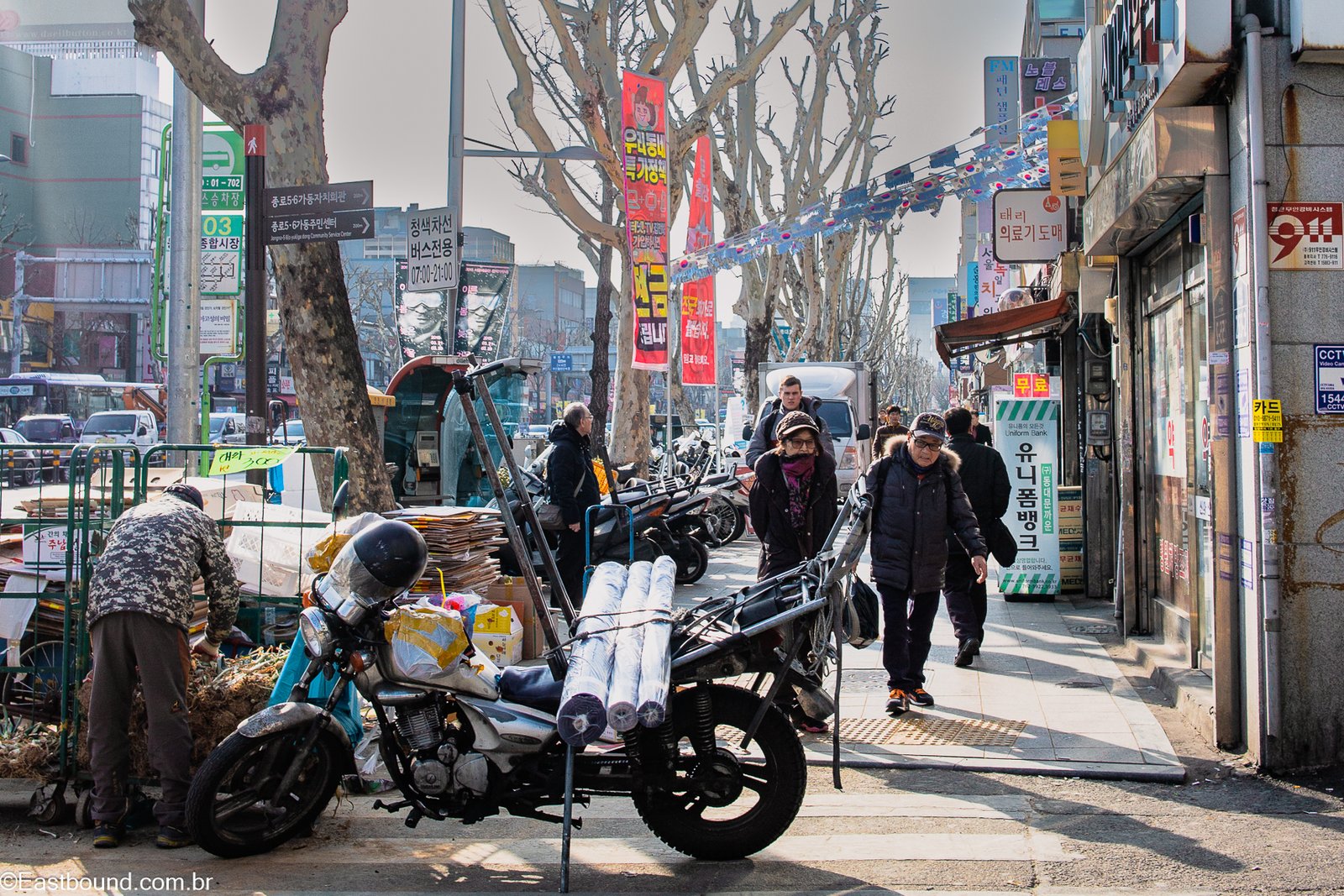
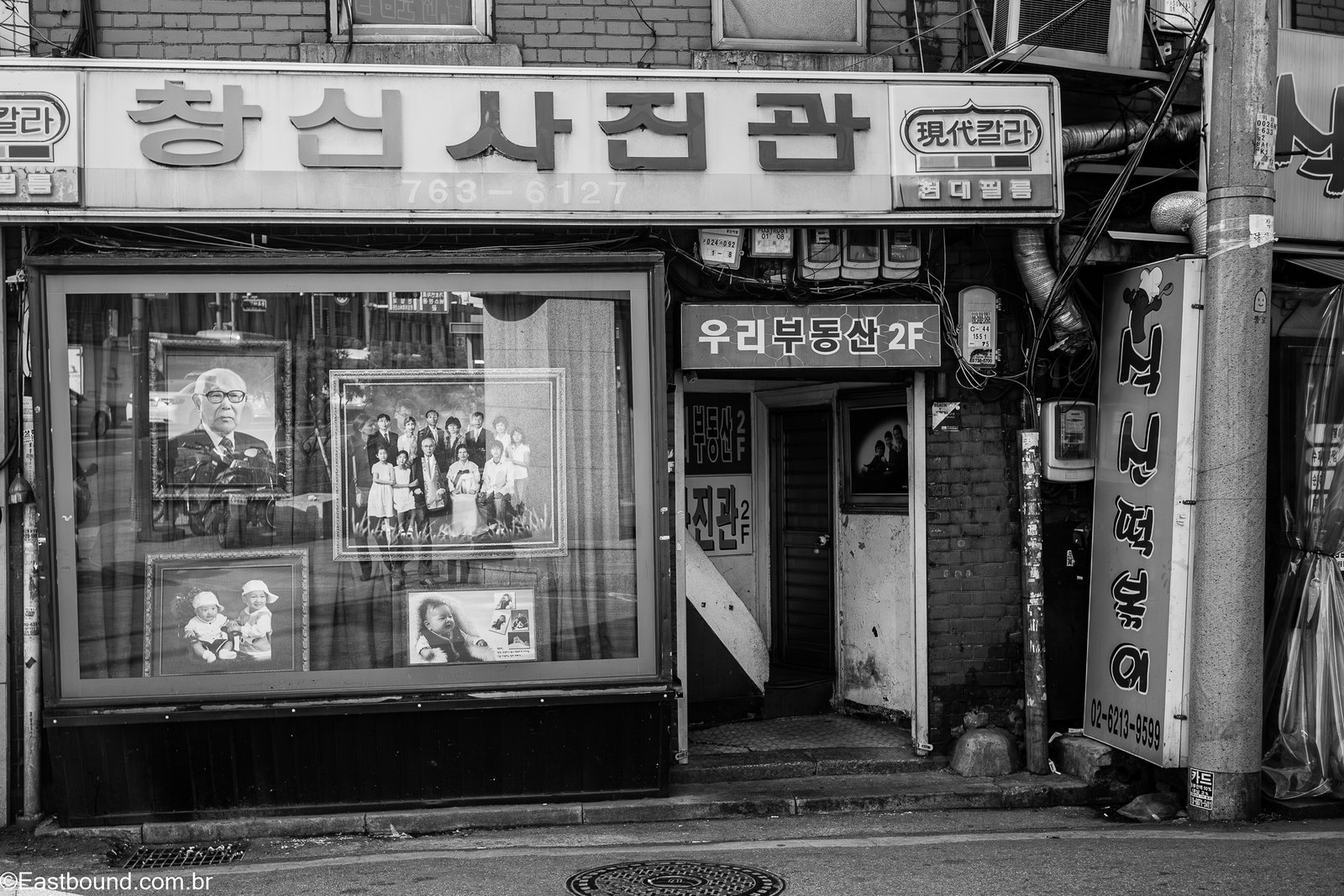
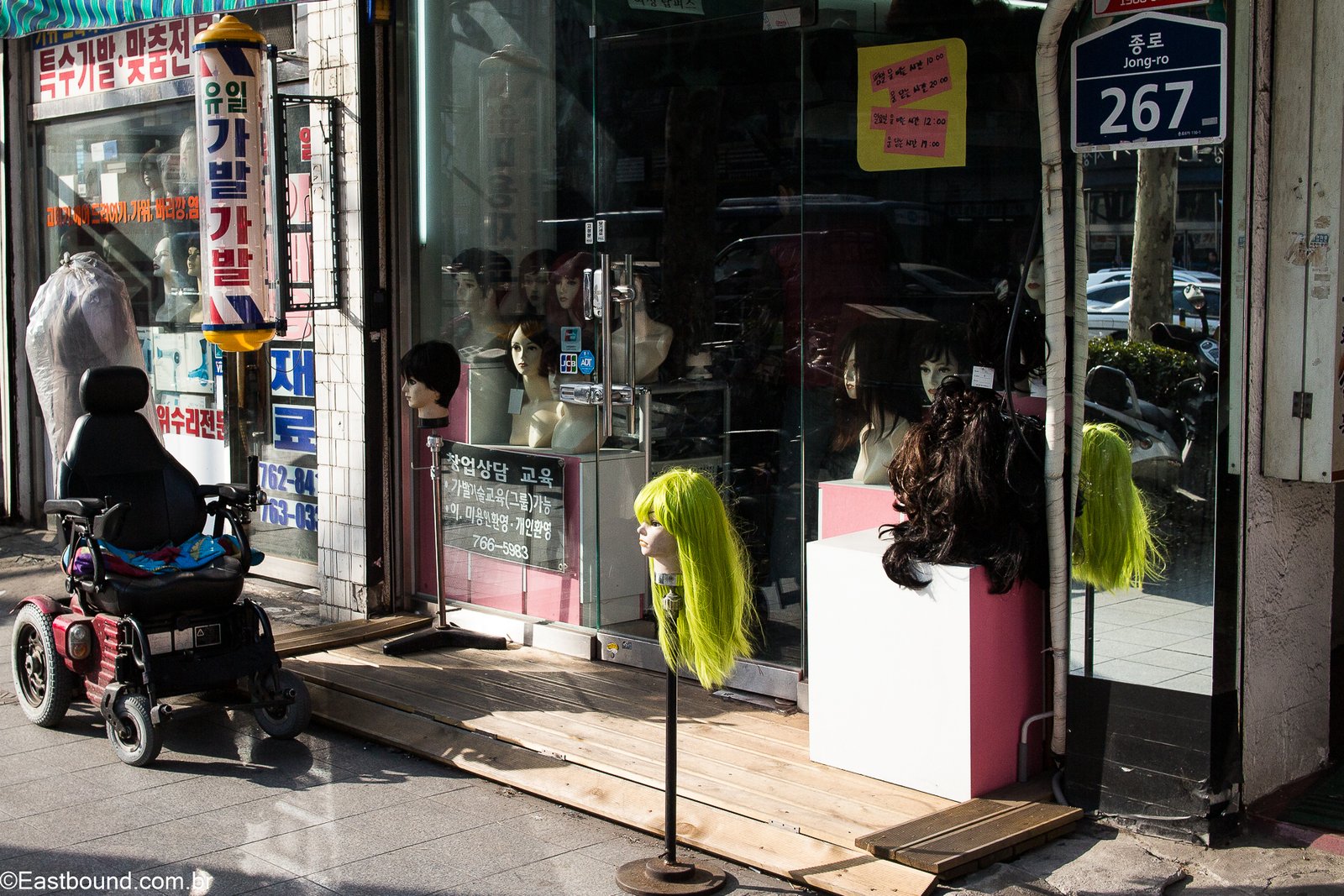
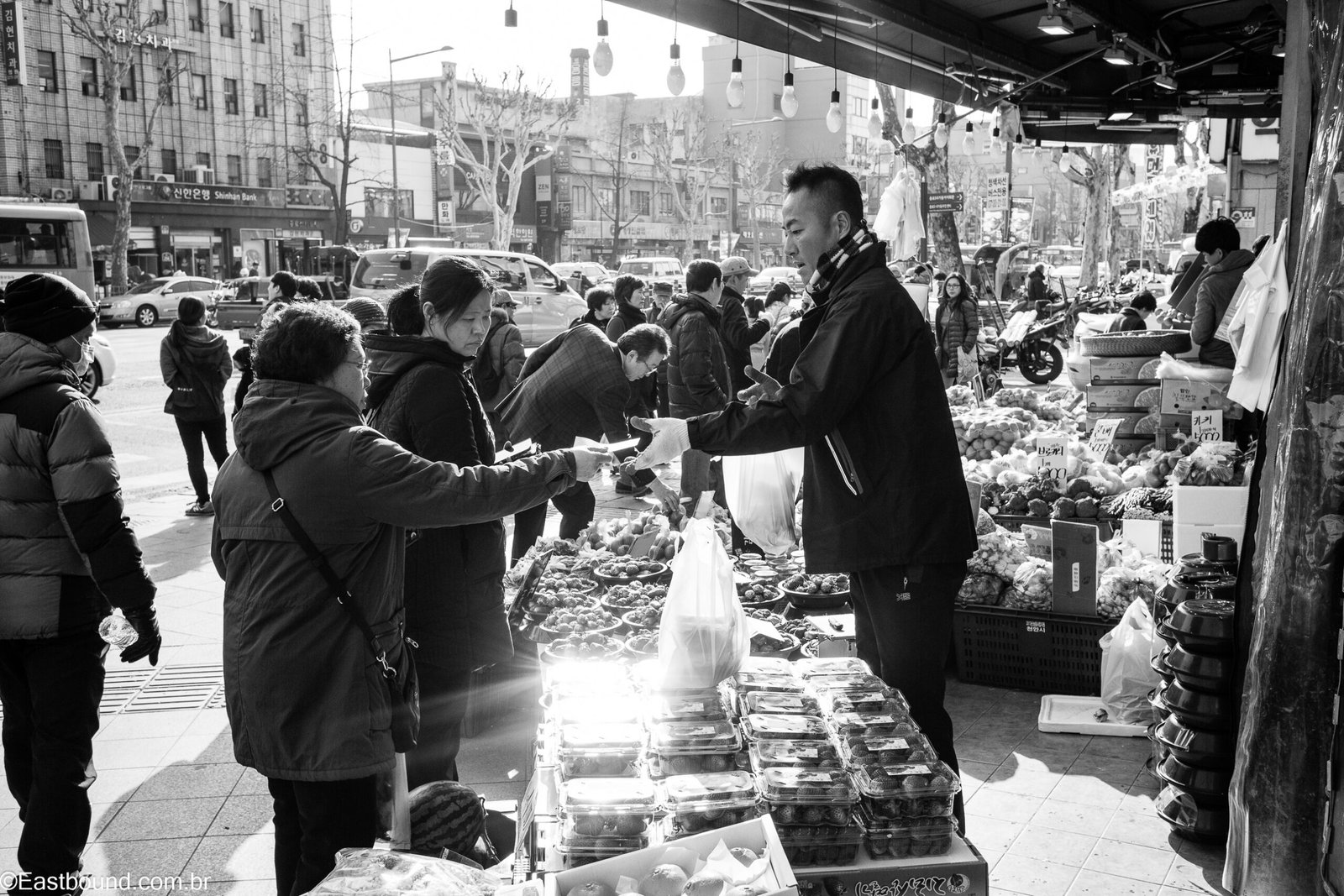
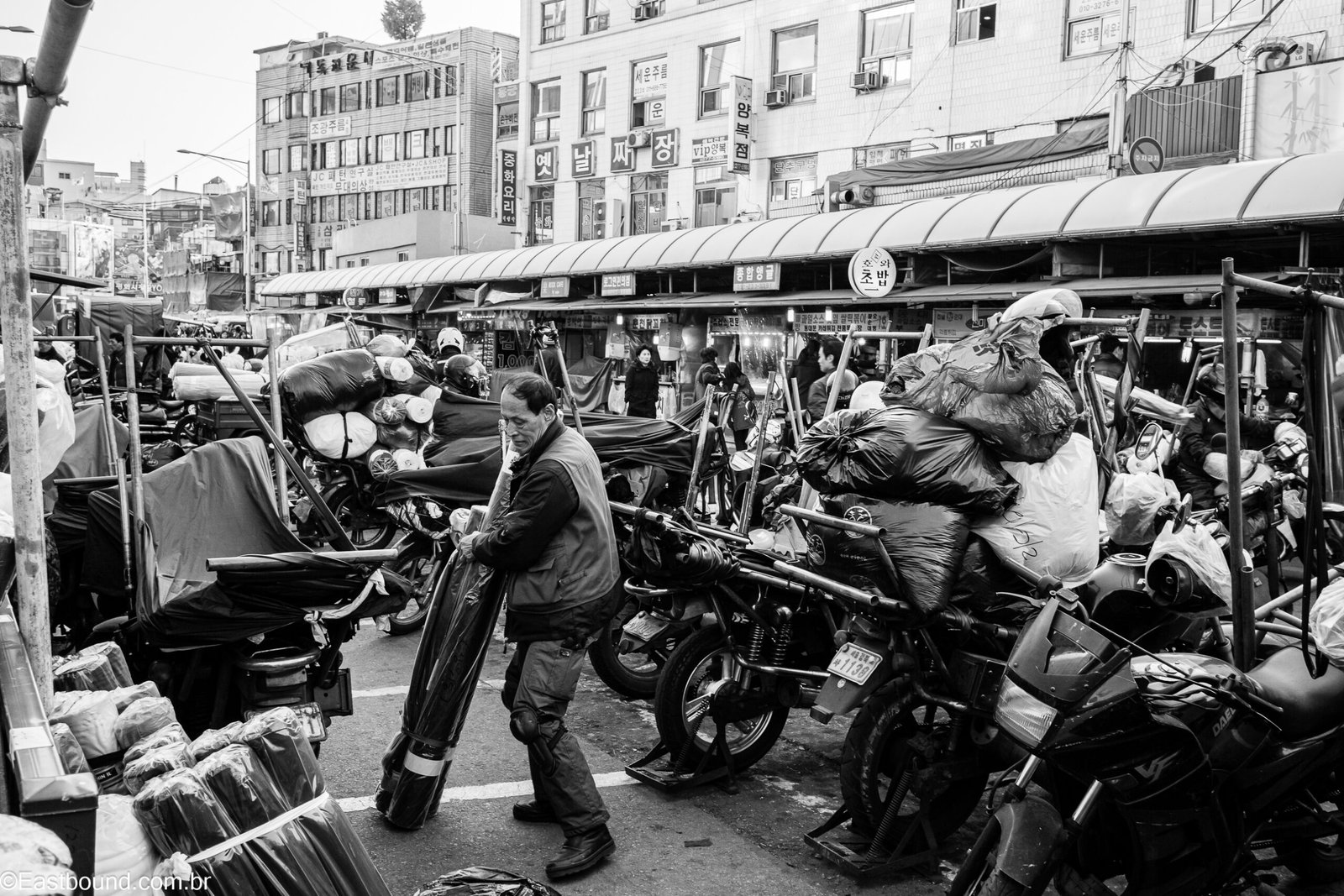
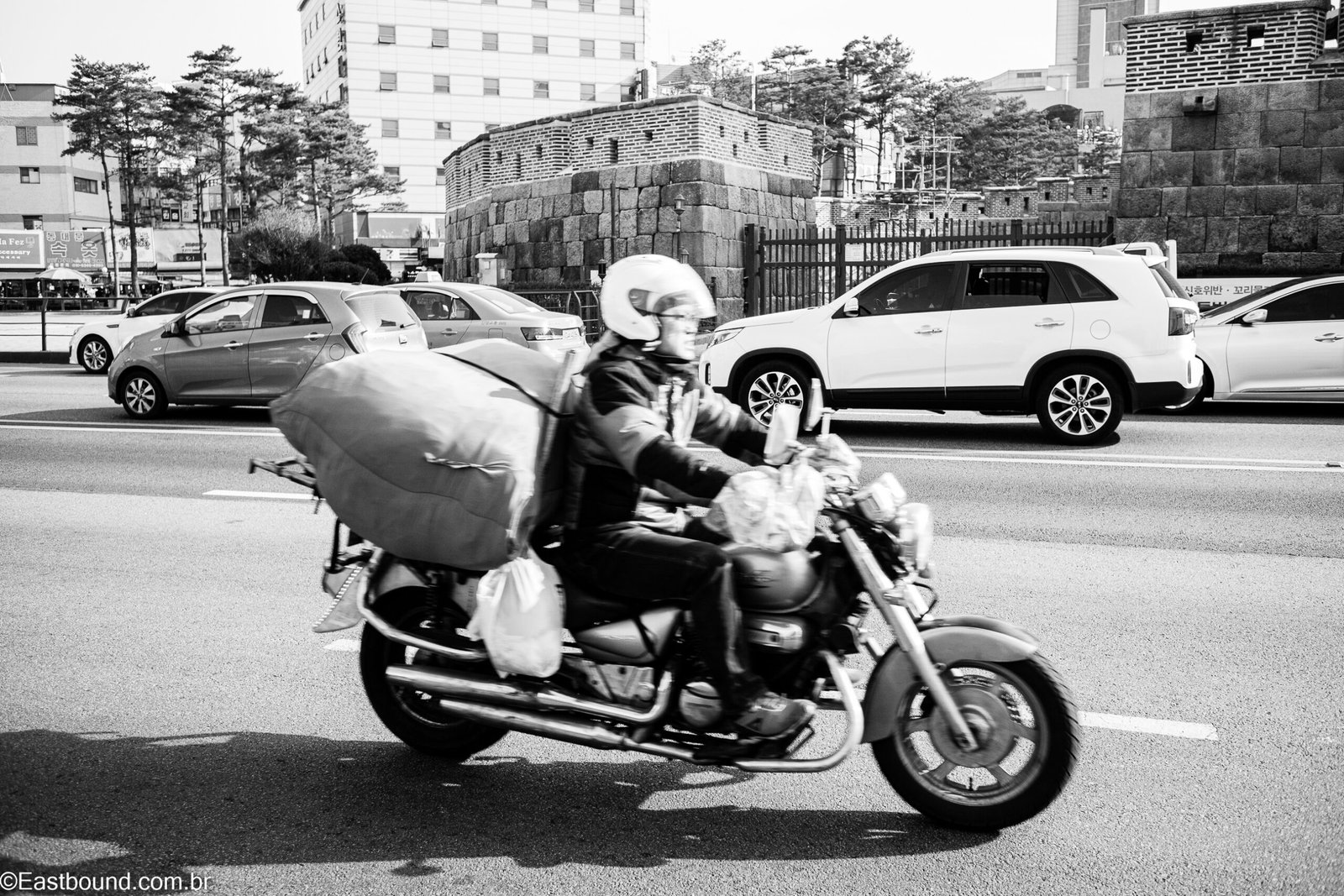
Note: The motorcycles were serious working machines, heavily used, customised in practical ways and often carrying far more cargo than seemed reasonable in an equilibrium and audacity exercise. Do you think iFood delivery is radical? Check these guys in South Korea!
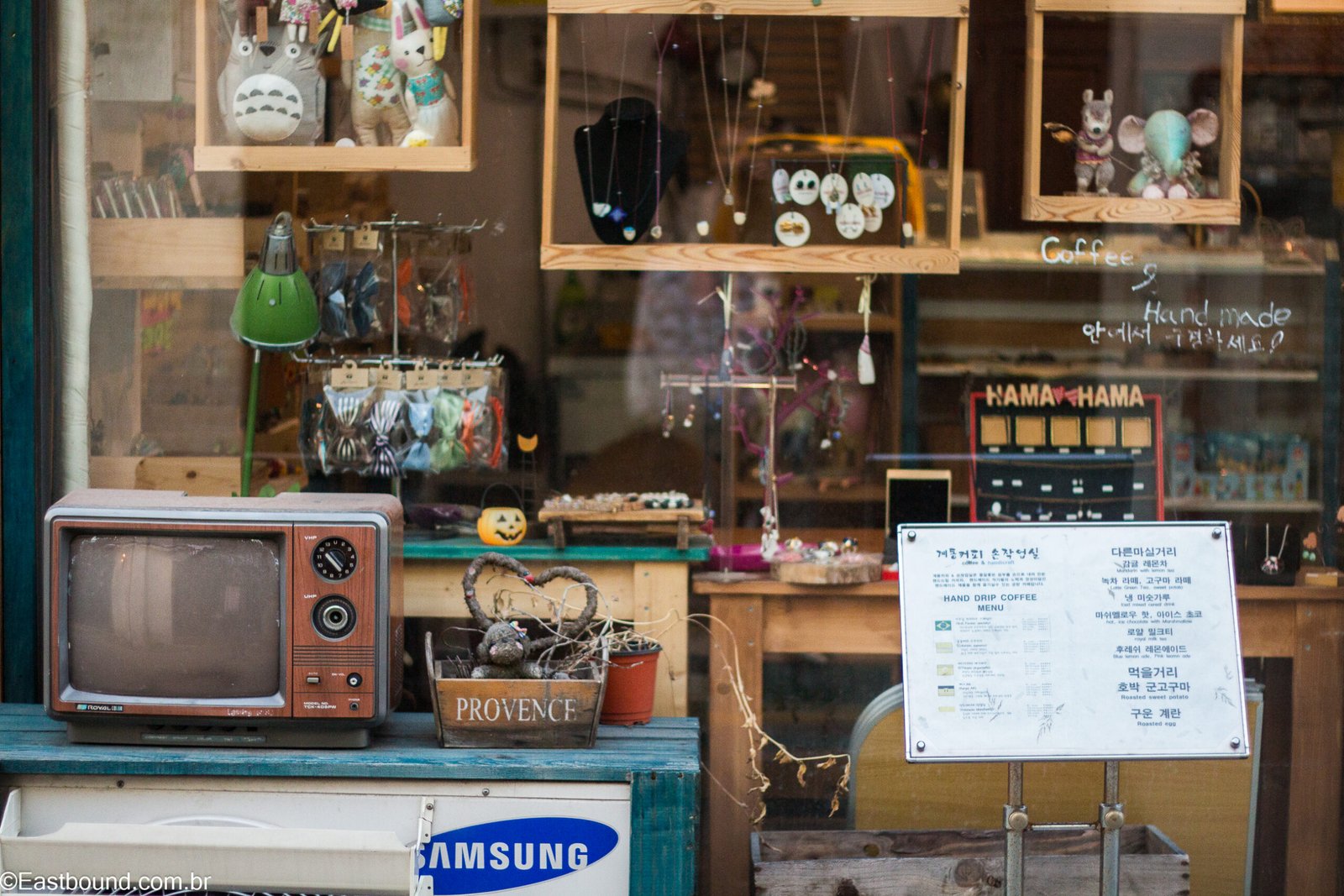
A few subway stops away, Seoul changed again. In Bukchon, the wide avenues disappeared into steep, narrow streets lined with hanok, the traditional Korean houses. Yet this was not a preserved historical set. People still lived there. Cars squeezed through the alleys, motorcycles stood outside cafés, and small design shops occupied buildings that seemed to belong to another century.
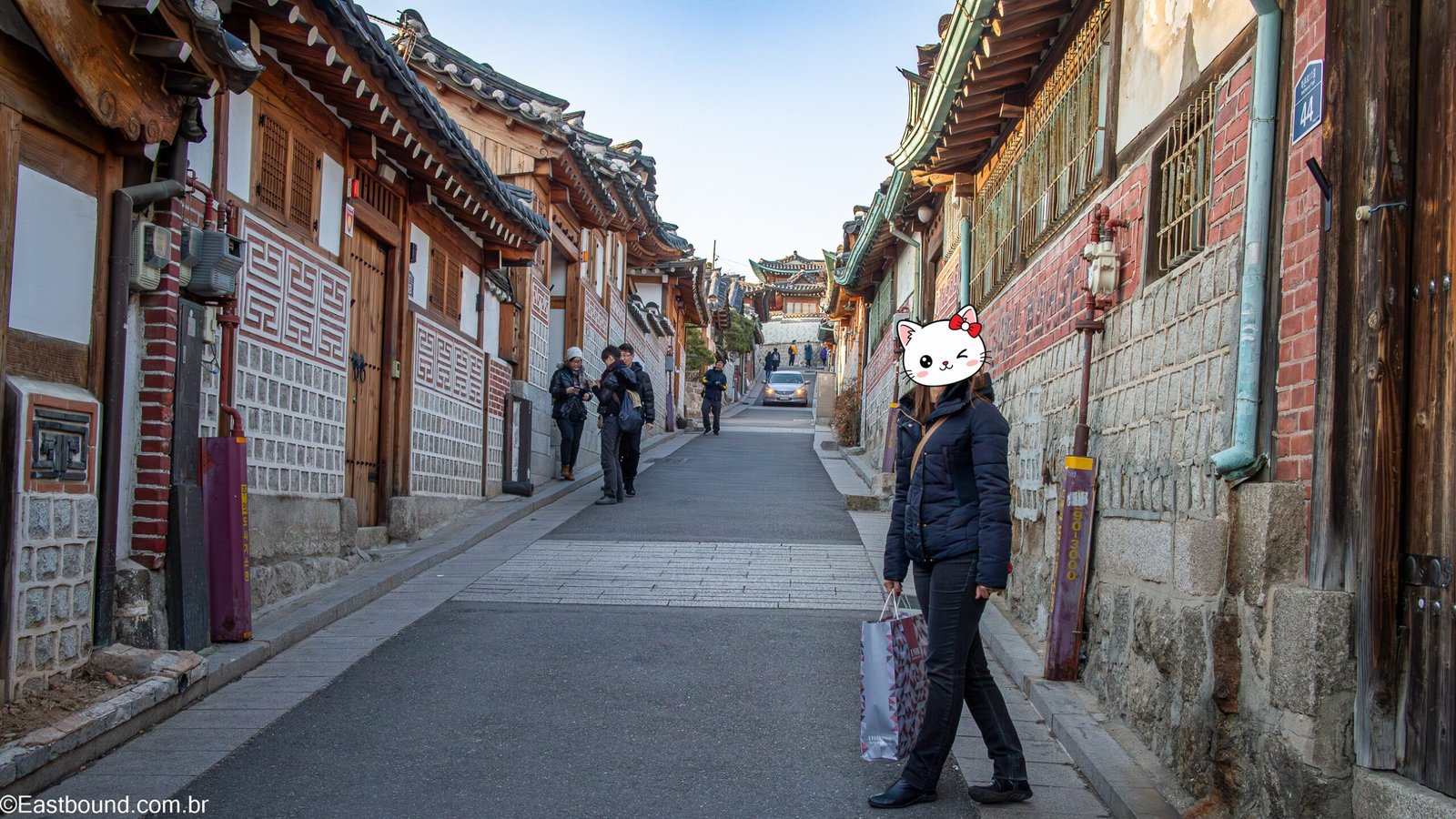
The atmosphere changed completely. The vintage, almost time-frozen feeling of the older commercial streets gave way to something more sophisticated and contemporary, even though the architecture and the layout of the neighbourhood remained deeply traditional.
In these neighbourhoods, you can just walk, lose yourself, and spend a couple of days discovering new cool stores, special coffees, picture sites without a guide, and without crowds. It is the best day to just feel the spirit of Korea.
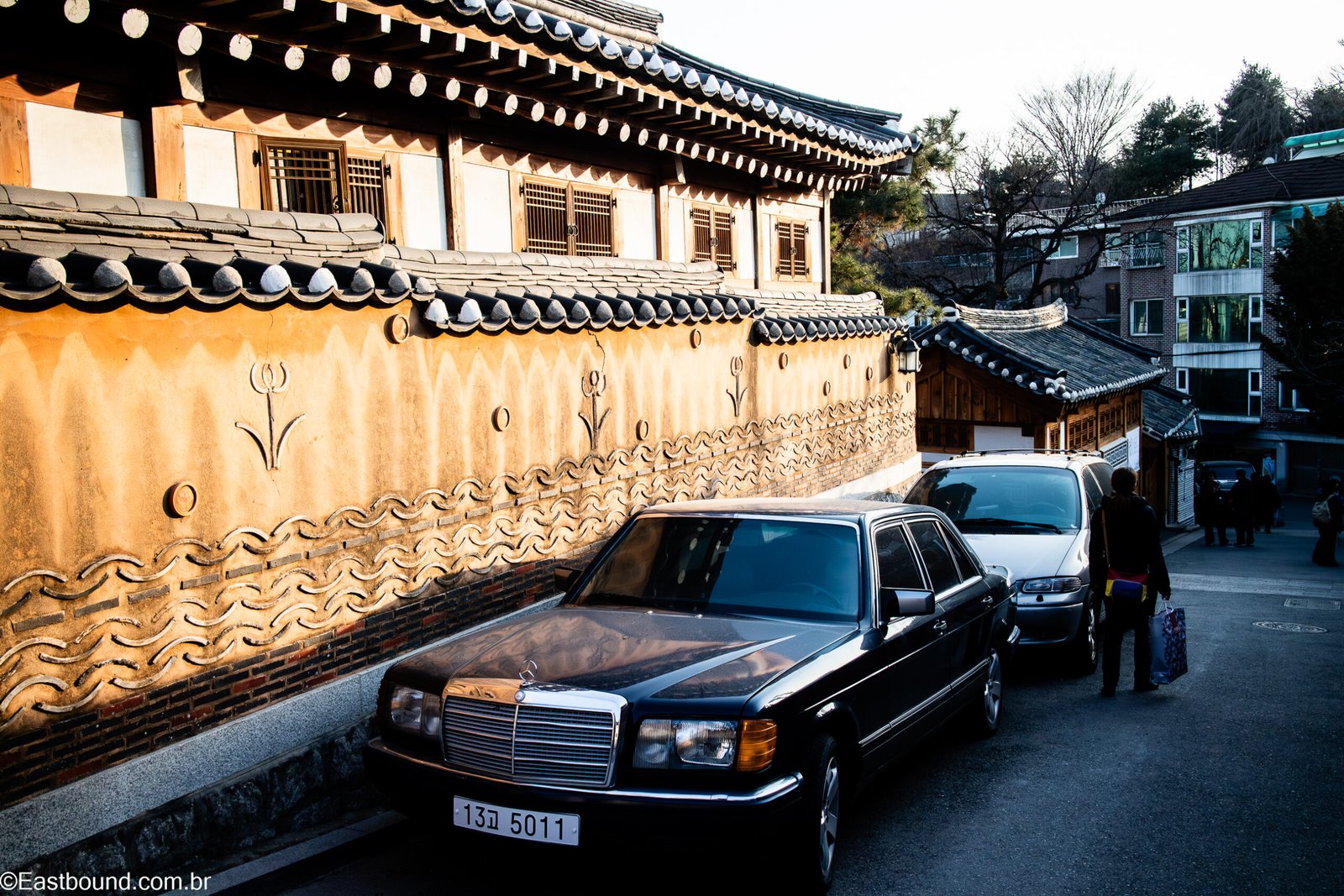
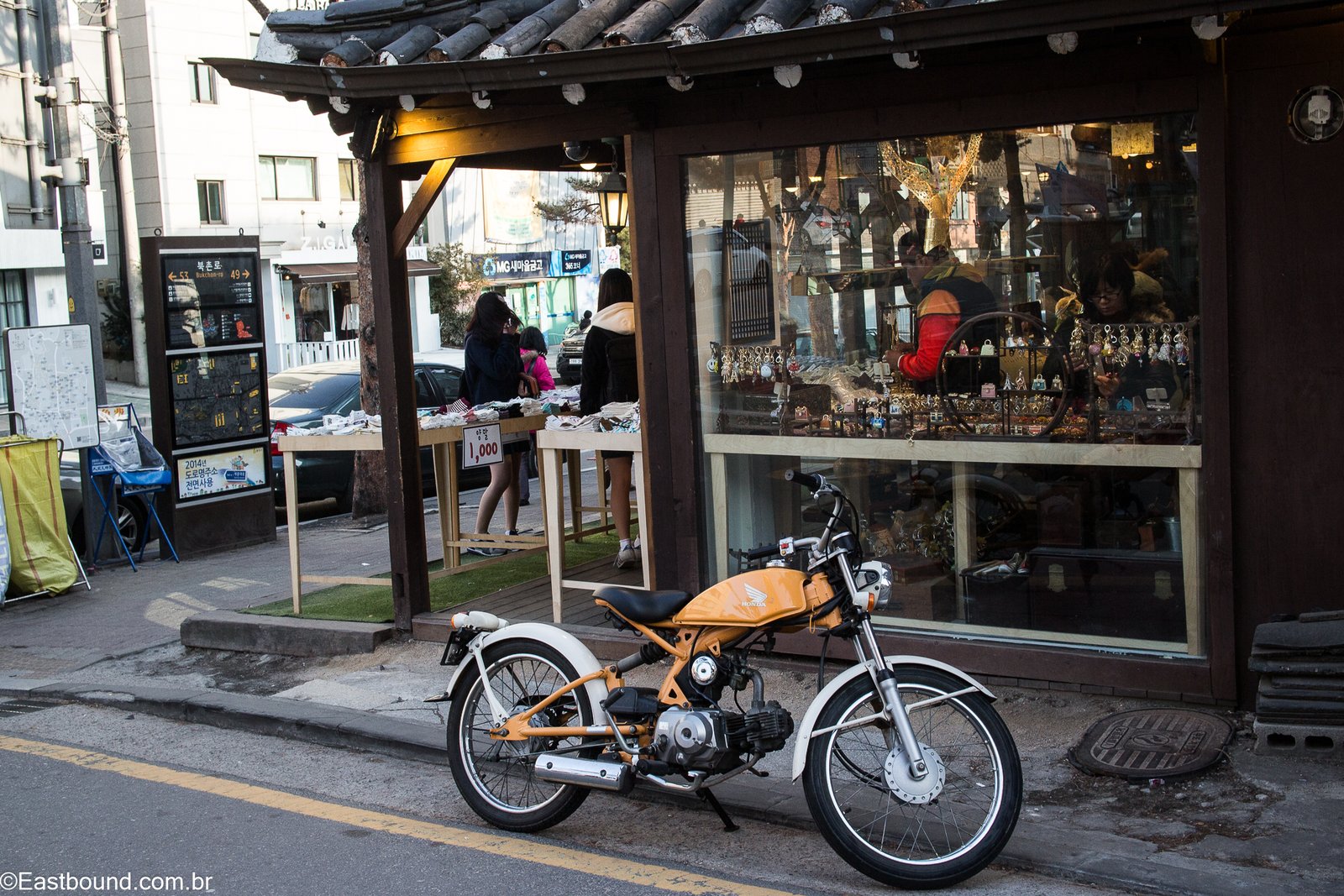
The thing I remember most about Korea is contrast. The warm floor of a modest hostel. Ultramodern shipyards. A grey, congested capital. Barbed-wire fences along the river. Children playing beside anti-aircraft guns. Hanok houses with Mercedes parked at the door. Motorcycles overloaded with merchandise. Traditional streets opening into modern cafés and design shops.
At first, Seoul had seemed strangely familiar. The closer I looked, the less familiar Korea became.
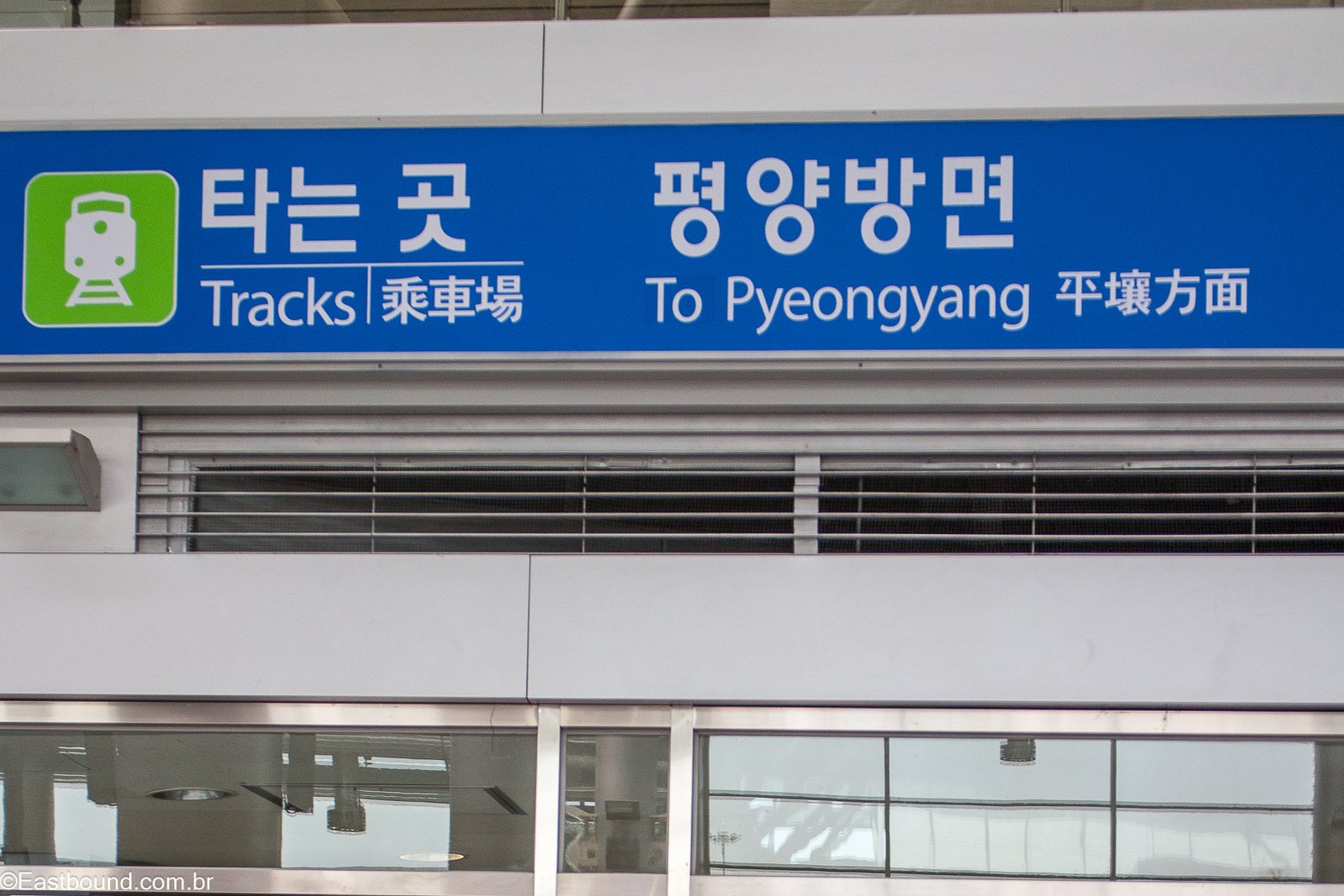
Our last stop was the Dorasan Station (도라산역), closed, but built over a rail to connect to North Korea.
Tracks to Pyongyang.
My travel advice for a first visit to Seoul, for a compact 3-day itinerary.
Day 1 — Central Seoul and the old city
Start at Deoksugung Palace for an introduction to Korean royal architecture and the visual style of the Joseon and Korean Empire periods.
From there, walk along Cheonggyecheon Stream, following it through the center of Seoul. Continue east toward Jongno and Dongdaemun, where the atmosphere becomes more commercial and chaotic, with traditional markets, small specialized shops and motorcycles moving goods through the narrow streets.
Finish the day around Bukchon Hanok Village and Samcheong-dong, where traditional hanok houses coexist with cafés, galleries, design shops and contemporary Seoul.
Day 2 — The Korean War and the divided peninsula
Dedicate a full day to the DMZ. An organized excursion can include the Third Infiltration Tunnel, observation points facing North Korea and Dorasan Station, with its memorable sign pointing toward Pyongyang.
The visit gives context to something that is easy to forget while walking through modern Seoul: the Korean War ended with an armistice, and the division of the peninsula remains physically present.
Day 3 — War Memorial and the Han River
Visit the War Memorial of Korea, whose outdoor exhibition includes tanks, aircraft, artillery and other military equipment, while the museum itself explains the Korean War and Korea’s broader military history.
Later, spend some time around the Han River. Its scale helps explain the geography of Seoul, while the military infrastructure visible along some sections provides another reminder of how closely everyday life and the unresolved division of Korea coexist.
Taken together, these places show several different versions of Seoul: royal Korea, commercial Korea, contemporary Korea and a country still living beside one of the world’s most heavily militarized borders.
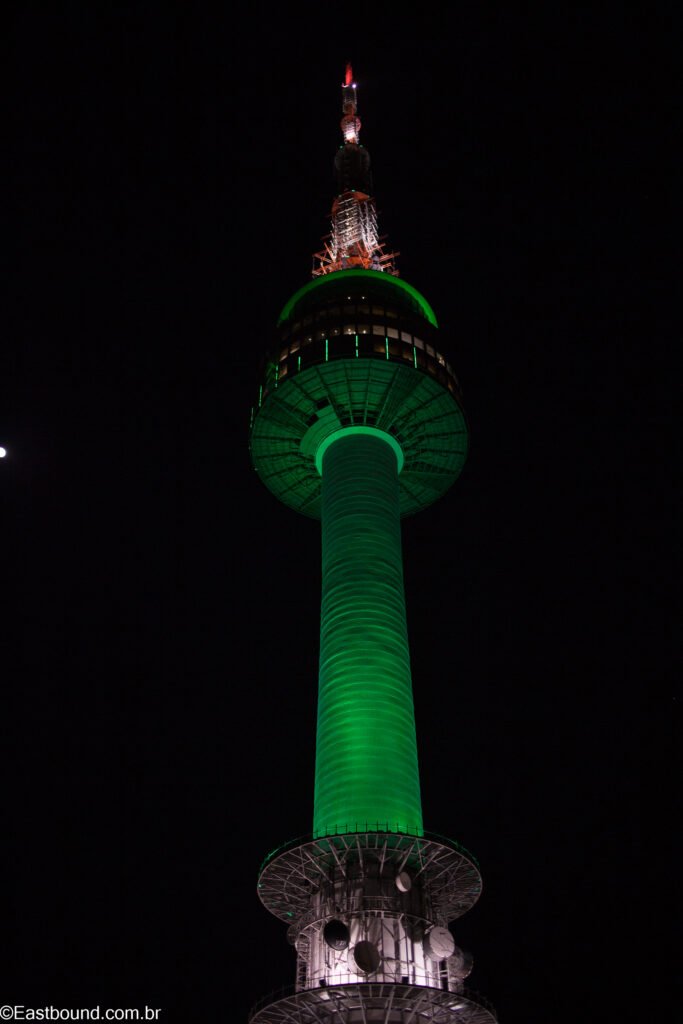
At night you can end your Seoul trip getting a single view of the entire city, from the Namsan Tower, over the mountain with the same name