First Encounters with Asia — Part I: China
My first trip to China was also my first real encounter with Asia, and it could hardly have started in a more unfamiliar place. I arrived there for work in 2014, beginning in Dalian, without really knowing what to expect from the country beyond the images and stories I had seen from afar.
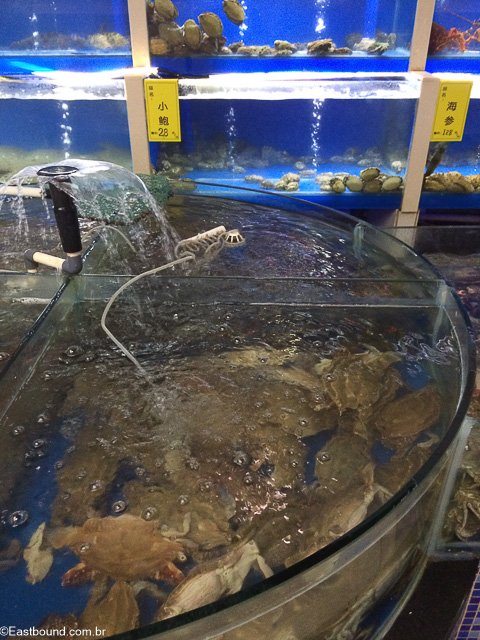
The ground floor of the restaurant featured a huge display filled with aquariums housing just about every marine creature, reptile, or amphibian one could imagine. There were eels, fish, frogs, and I could swear there were a few Pokémon in there as well. They were not there simply for decoration: these were the delicacies from which our dinner would be selected, a responsibility my Chinese hosts enthusiastically volunteered to take over.
Upstairs, we sat around a large circular table with a rotating center. One entire wall consisted of wide sliding doors and, after a while, they opened onto the adjoining room, where four young women performed a short and rather simple Korean dance. They were dressed in what our hosts described as traditional Korean clothing, and as soon as the performance ended, the doors closed again.
At that point, the leader of our Chinese hosts told us that the young women were from North Korea. According to him, there was an arrangement between China and North Korea that allowed some members of the country’s intellectual elite — university students and teachers, as he described them — to spend time in China and have limited contact with the “outside world”, including, whenever possible, foreigners from the West. What struck me most was the final detail: they were not allowed to leave that building at any point during their stay in China.
Some time later, they began bringing the food. There was an astonishing amount of it, with almost every kind of creature I had seen downstairs prepared and presented in equally varied ways. I also learned one of my first lessons in Chinese dining etiquette: the rotating center of the table, where all the dishes were placed, was supposed to turn only counterclockwise. The young women eventually brought out bottles of wine and began serving everyone around the table.
The way our hosts treated them was remarkably harsh and rude, at a level I was more accustomed to seeing in films than in real life. At one point, they skipped my female colleague while serving the wine. She held out her glass and called the waitress back anyway. The young woman looked at the leader of the Chinese delegation; he, in turn, looked at me. It took me a few seconds to understand that, for reasons I still did not completely grasp, I was apparently expected to authorize my colleague to have a glass of wine. Trying to lighten the situation, I smiled and said something along the lines of, “Oh, it’s all right. Today is a special occasion, and she’ll behave.” She still hates me for that.
At the end of dinner, large plastic bags appeared and all the leftovers were thrown into them. And I mean all of them, mixed together: pieces of food from different dishes, Coca-Cola cans, wine bottles, everything in the same bags. The idea was that our hosts would divide the leftovers among themselves and take them home. Whatever else I was learning about China that evening, one thing was very clear: a banquet of that size was not going to be wasted.
After leaving the restaurant, our hosts took us for a drive through one of the region’s sources of pride, a development they called New Dalian. It was impressive: an entire city of wide avenues, huge residential buildings, squares, landscaped public spaces and substantial infrastructure. There was only one rather important thing missing — people. The place was almost completely deserted. Here and there, a light was on in an apartment, but there were very few shops, almost no commercial activity and hardly anyone on the streets.
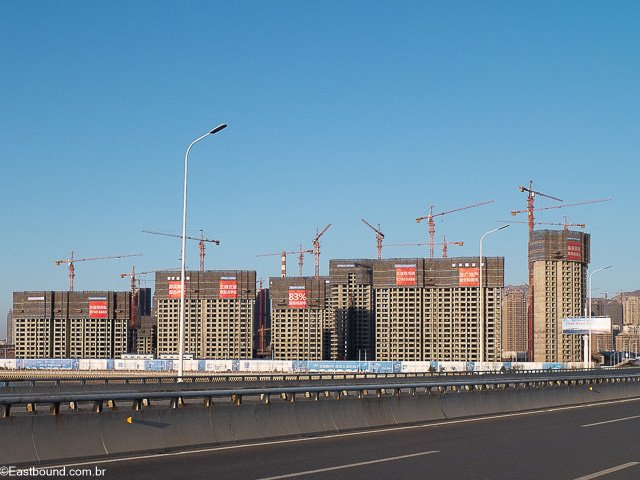
It was one of those large planned developments China became famous for, built by the regional government in anticipation of the explosive economic growth expected to come to the area. The infrastructure had been built ahead of that growth; at least at the time of my visit, the growth had not yet arrived in anything resembling the scale originally imagined.
This was 2014. We were in Dalian, it was around 5°C, and our hosts were engineers from one of the large shipyards in the region, responsible for one of the offshore platform construction projects we had travelled there to inspect. Dalian itself had a peculiar history. It had first been developed under Russian influence at the end of the nineteenth century, later came under Japanese control in 1905 and underwent considerable industrialization during that period. After World War II it passed briefly through Soviet control before returning to China in 1950.
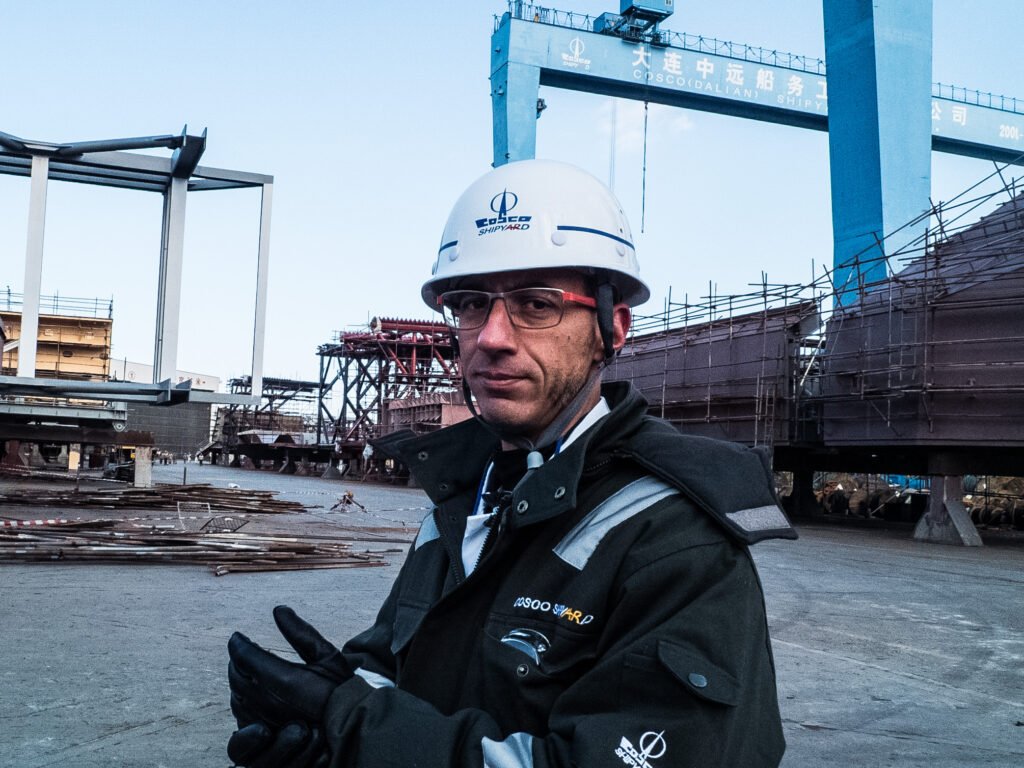
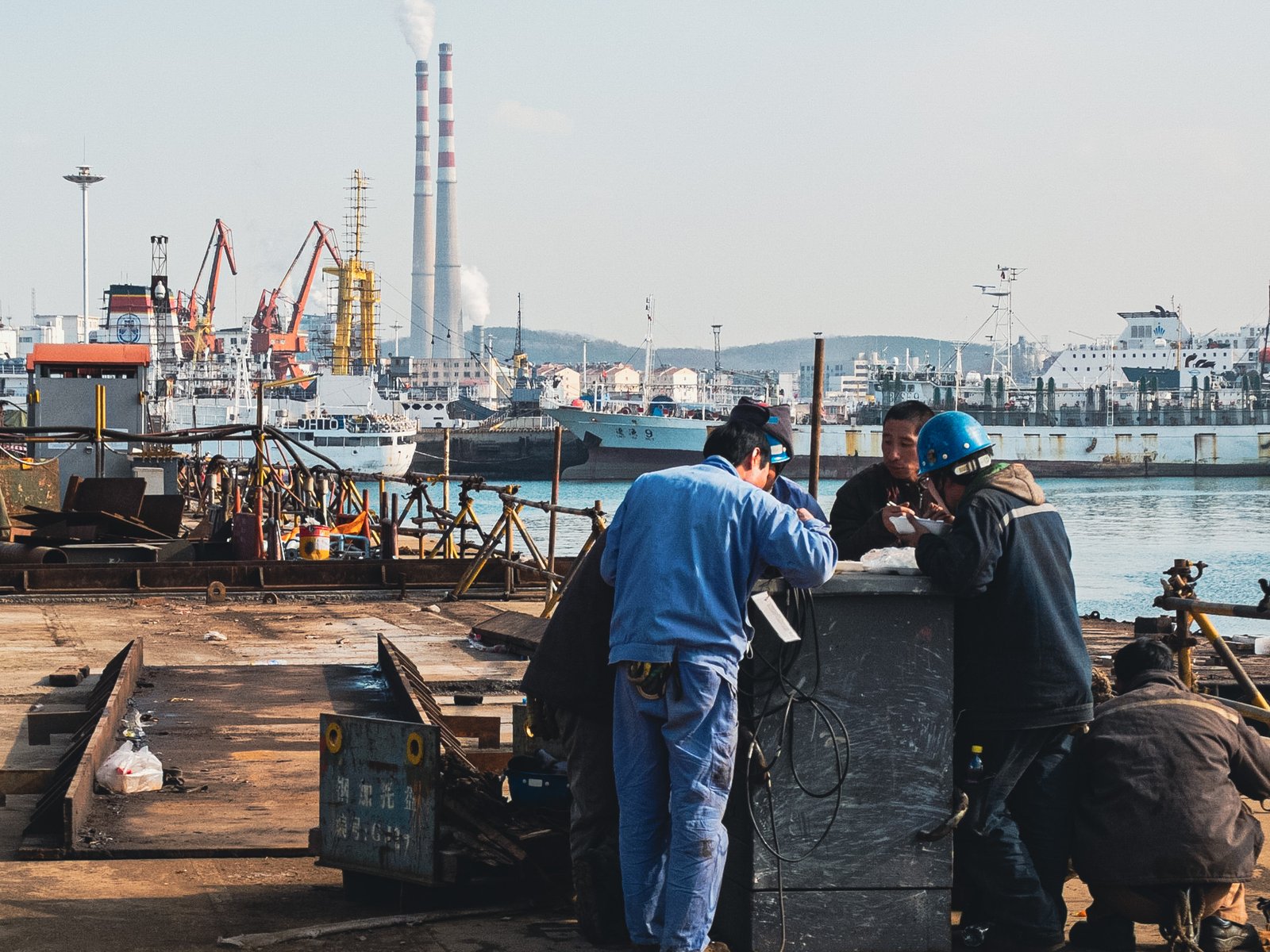
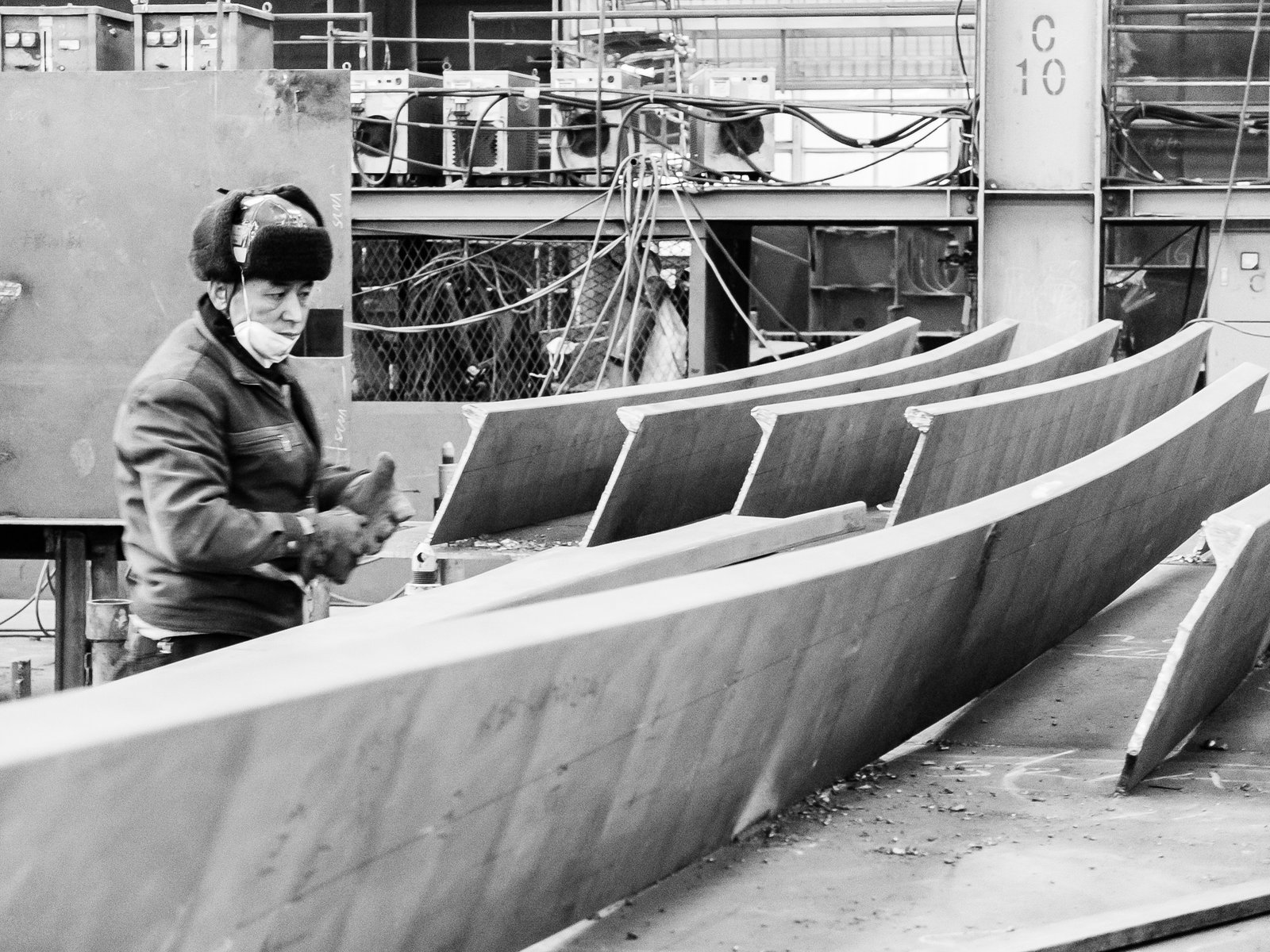
You could still feel parts of that history in the city. There was a mixture of Chinese and Russian-influenced establishments, a strong industrial character, and the unmistakable presence of shipbuilding. Much of the local economy revolved around heavy industry, and the architecture had that solid, functional, and somewhat severe quality I associated with old industrial and communist cities.
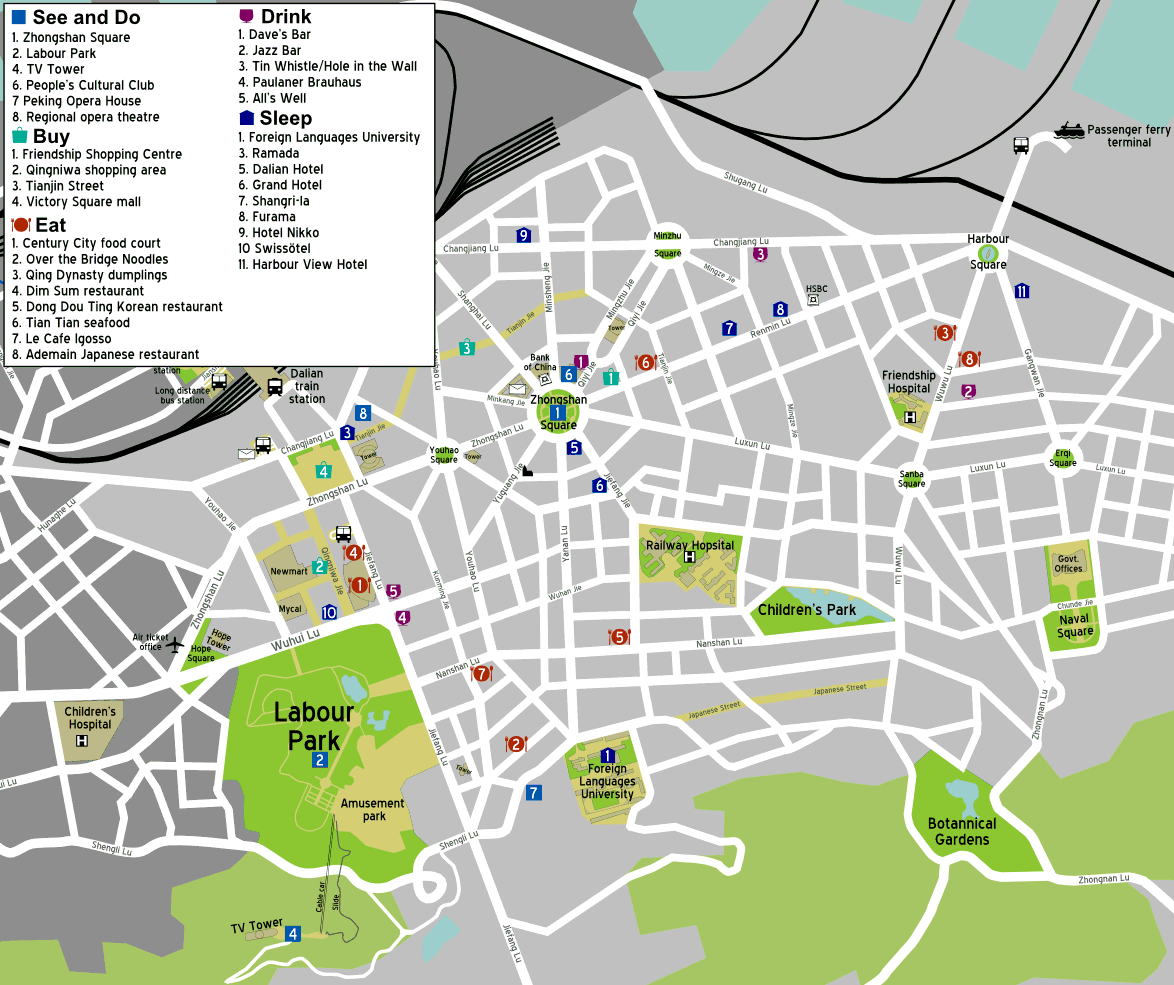
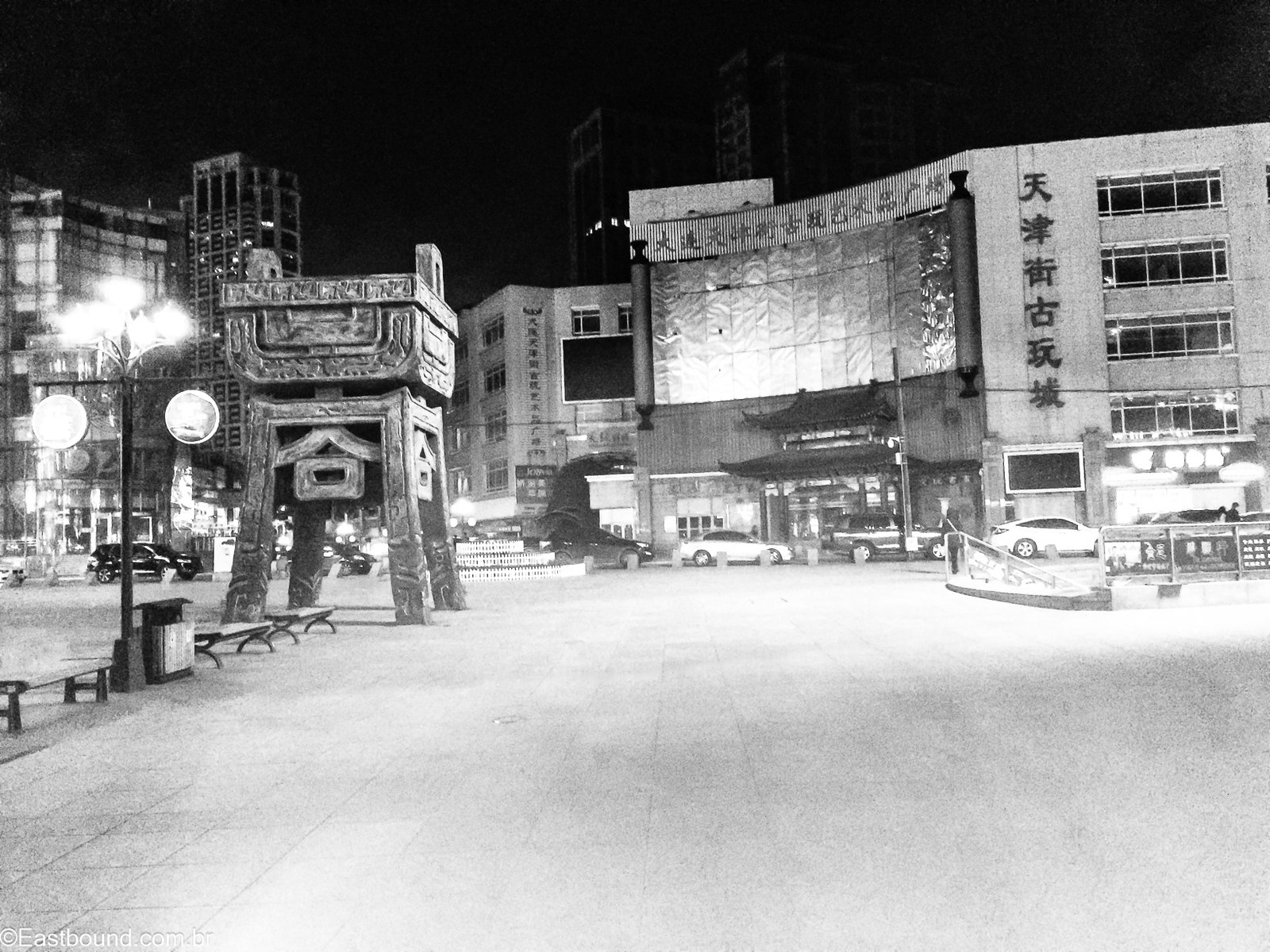
One of the places that stayed with me was the huge underground shopping complex near Dalian Station. The Victory Square / Shengli Square (胜利广场). It was less a shopping mall than a maze of narrow corridors lined with small stores selling clothes, shoes, electronics, food, and just about everything else imaginable. Victory Square extended through several underground levels beneath the city center. For someone arriving in China for the first time, it felt like discovering an entirely different city beneath the one at street level.
Nearby, at street level, there was an open-air market that provided another fairly abrupt introduction to Chinese food culture. Stall after stall displayed things I had never considered potential snacks: fried insects in considerable variety, scorpions on skewers and a few small animals that looked vaguely rodent-like — although, given my inability to identify most of what I was looking at, a Pokémon remained a perfectly plausible classification. I did not try any of them.
Leaving Dalian produced one of the more memorable moments of the trip. At the airport, after going through the X-ray machine, I had to place my passport in a separate tray. On the other side, a security officer — very beautiful, but with the murderous expression and general demeanor of a villain from a film about the Communist Revolution — picked it up and simply walked away.
From a distance, I watched her sit beside a telephone, open the passport, apparently at the visa page, and make a call. My heart stopped for about thirty seconds while my imagination very efficiently constructed a scenario in which I would spend the next several years in some Manchurian dungeon for a crime I could not even imagine having committed. Eventually she came back and, without saying a word or even looking at me, simply returned the passport to the tray. It became one of the happiest small moments of my life.
With our work in Dalian finished, we went on to Shanghai, the Pearl of the Orient. It was enormous, and its infrastructure was astonishing: eight-lane avenues, elevated highways, spiralling interchanges and engineering that, especially from my perspective in 2014, looked almost like science fiction.
Huangpu sits at the heart of the traditional urban center of Shanghai and faces the river of the same name. It includes some of the city’s best-known landmarks, such as the Bund, as well as famous shopping areas including Nanjing Road and Huaihai Road. From there you also get the classic view across the river toward Pudong and the Oriental Pearl Tower, the skyline that became one of the defining images of modern Shanghai.
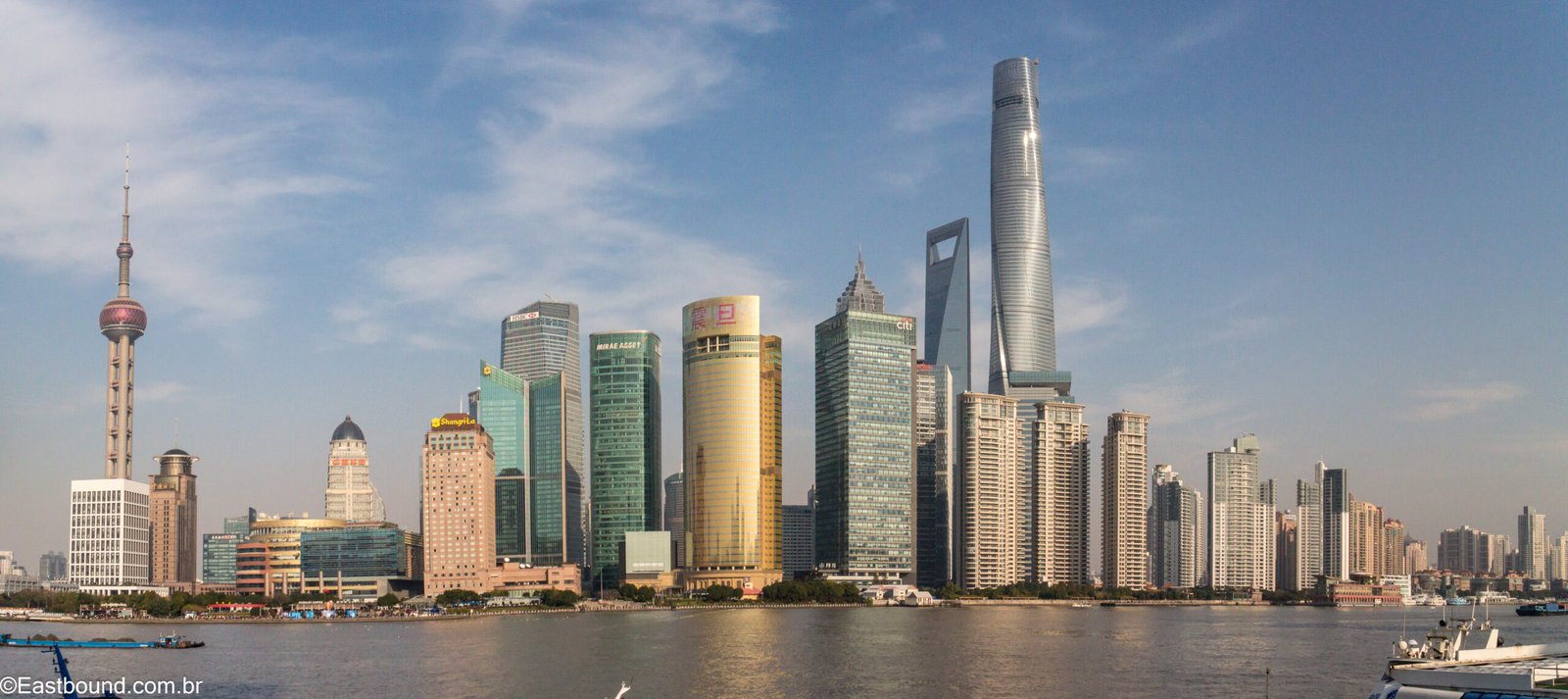
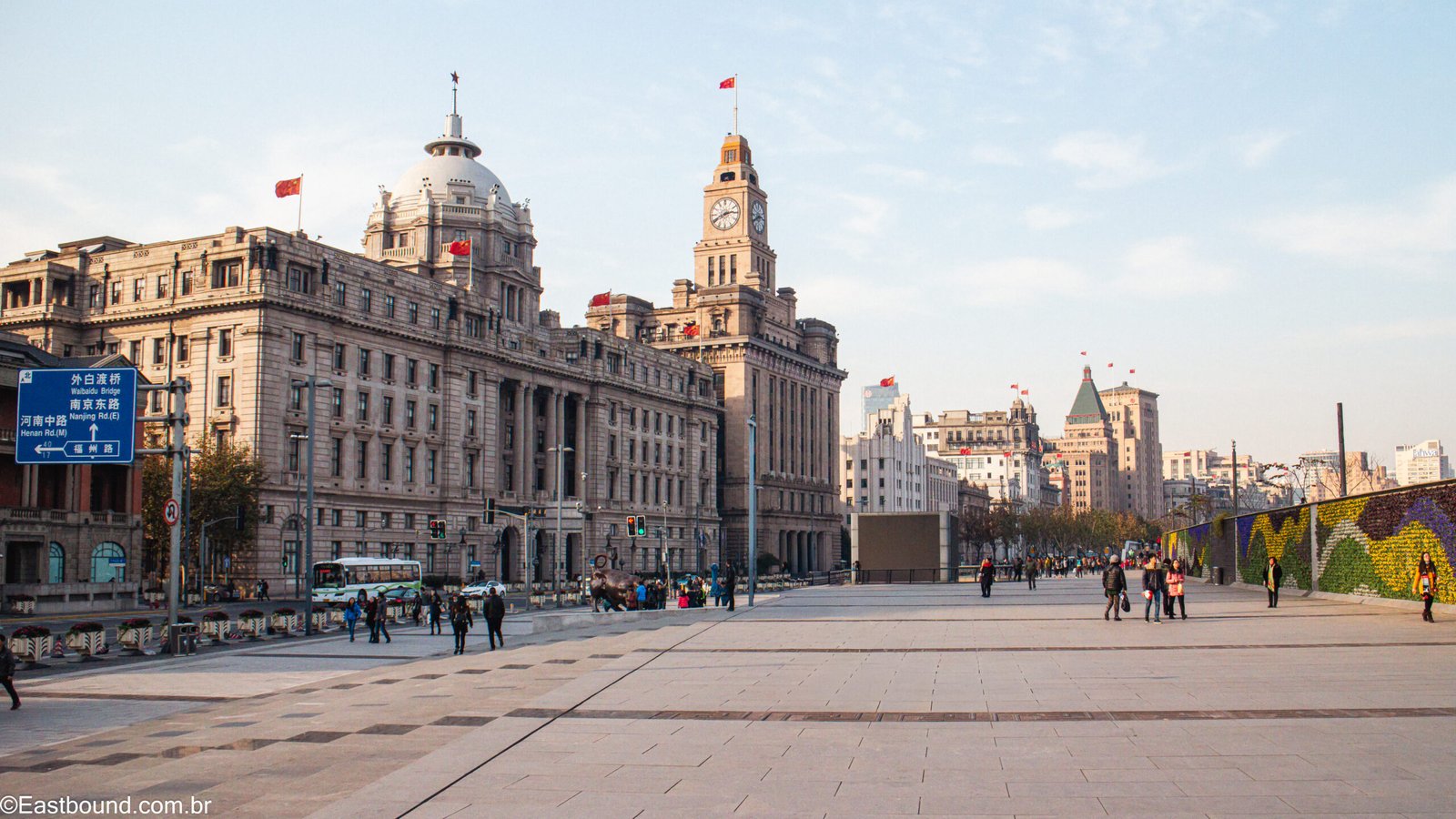
In that part of the city, you can find the best of everything: excellent Western restaurants, luxury boutiques, Apple, Tiffany, Rolex. In terms of international brands and high-end shopping, there is very little that separates it from somewhere like Ginza in Tokyo.
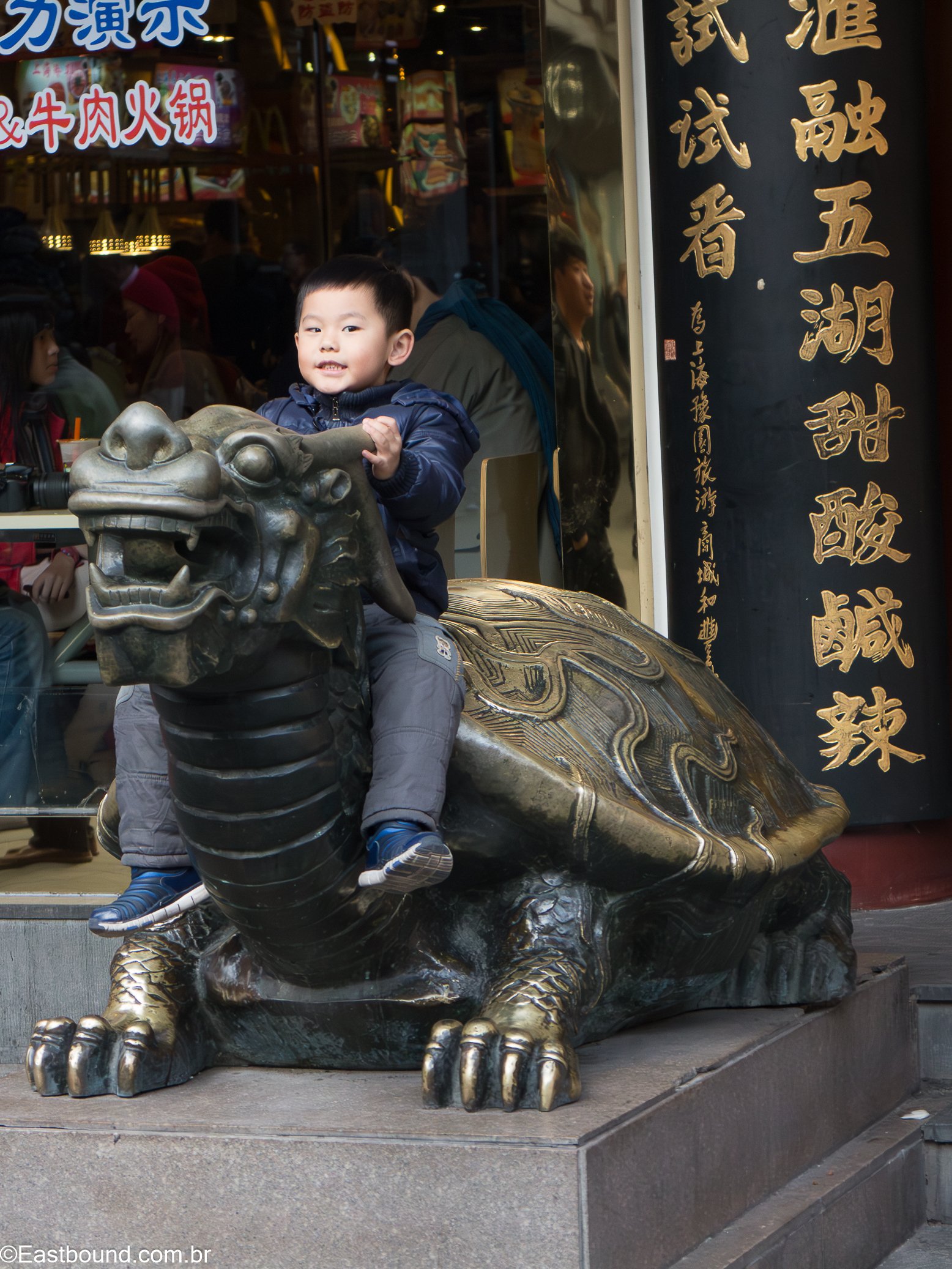
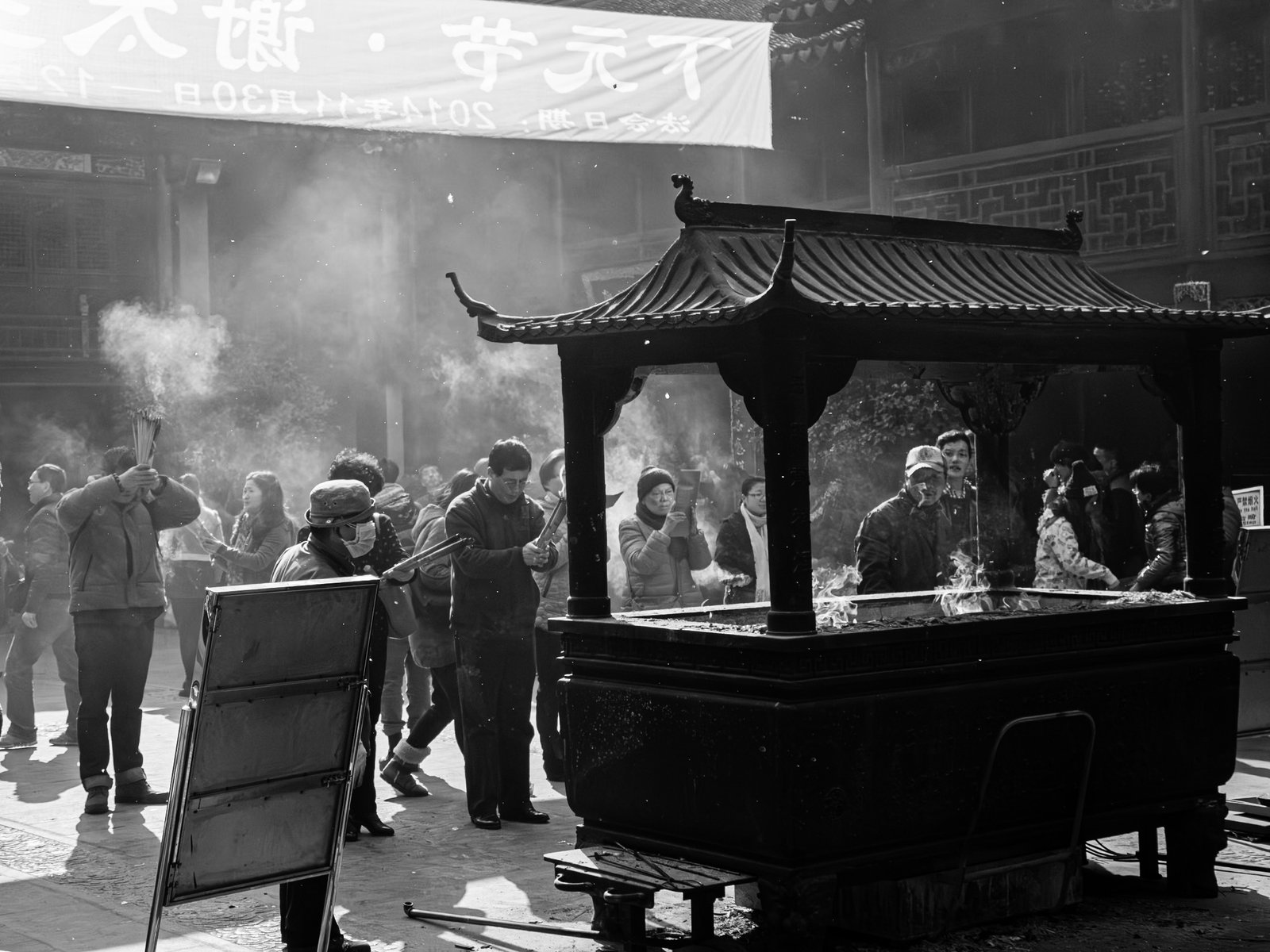
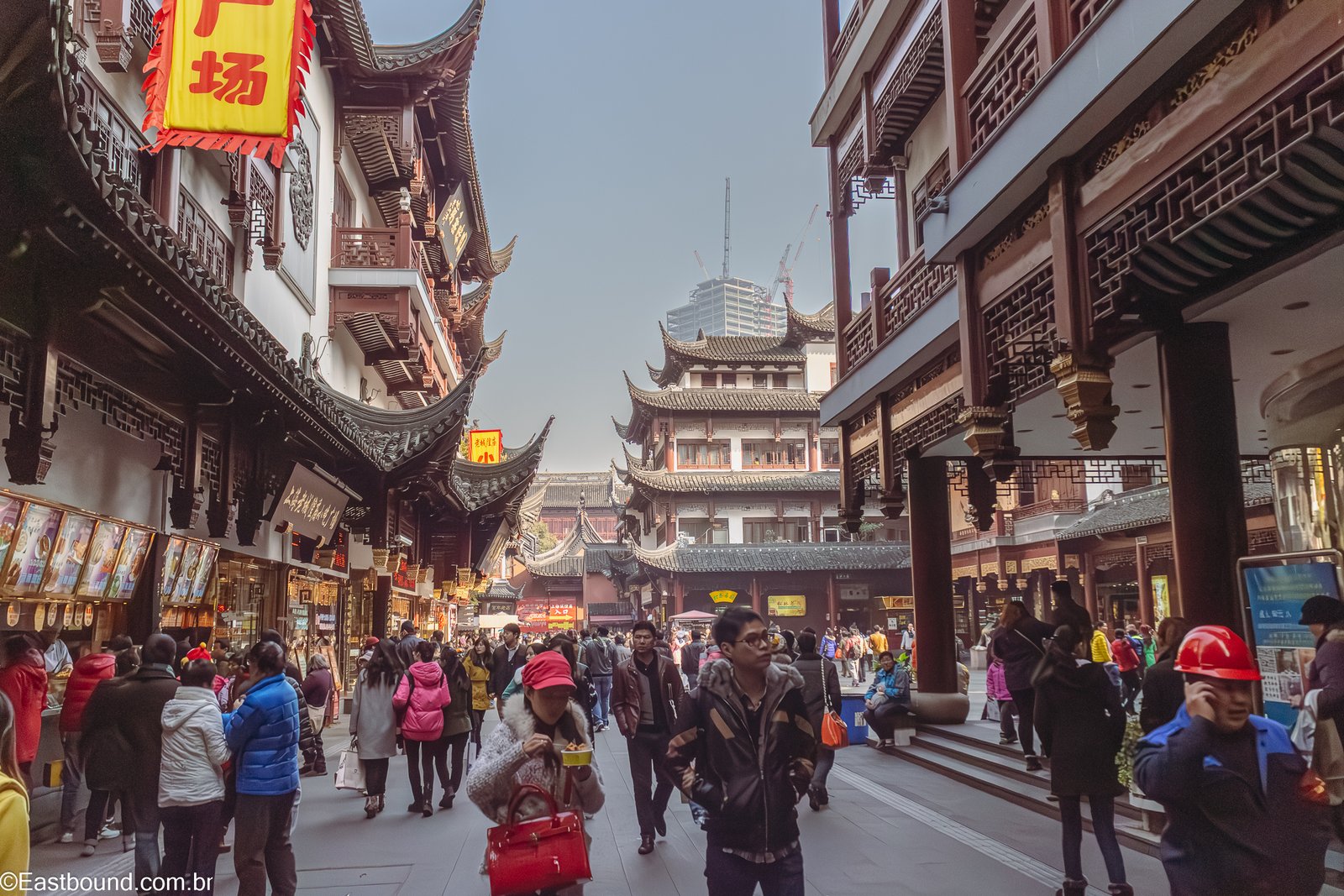
Yet only a short distance away, the atmosphere changes completely. The Yu Garden Bazaar (豫园商城) area in Shanghai’s Old City, with its curved traditional roofs, dark wooden façades, dense pedestrian traffic, and modern shops housed in traditional-style buildings, is all very characteristic of that district. Traditional architecture and narrower streets give you glimpses of the China I had previously known mostly through books, photographs, and epic films. That contrast between the hypermodern city and the older one sitting almost beside it was one of the things I found most fascinating about Shanghai.
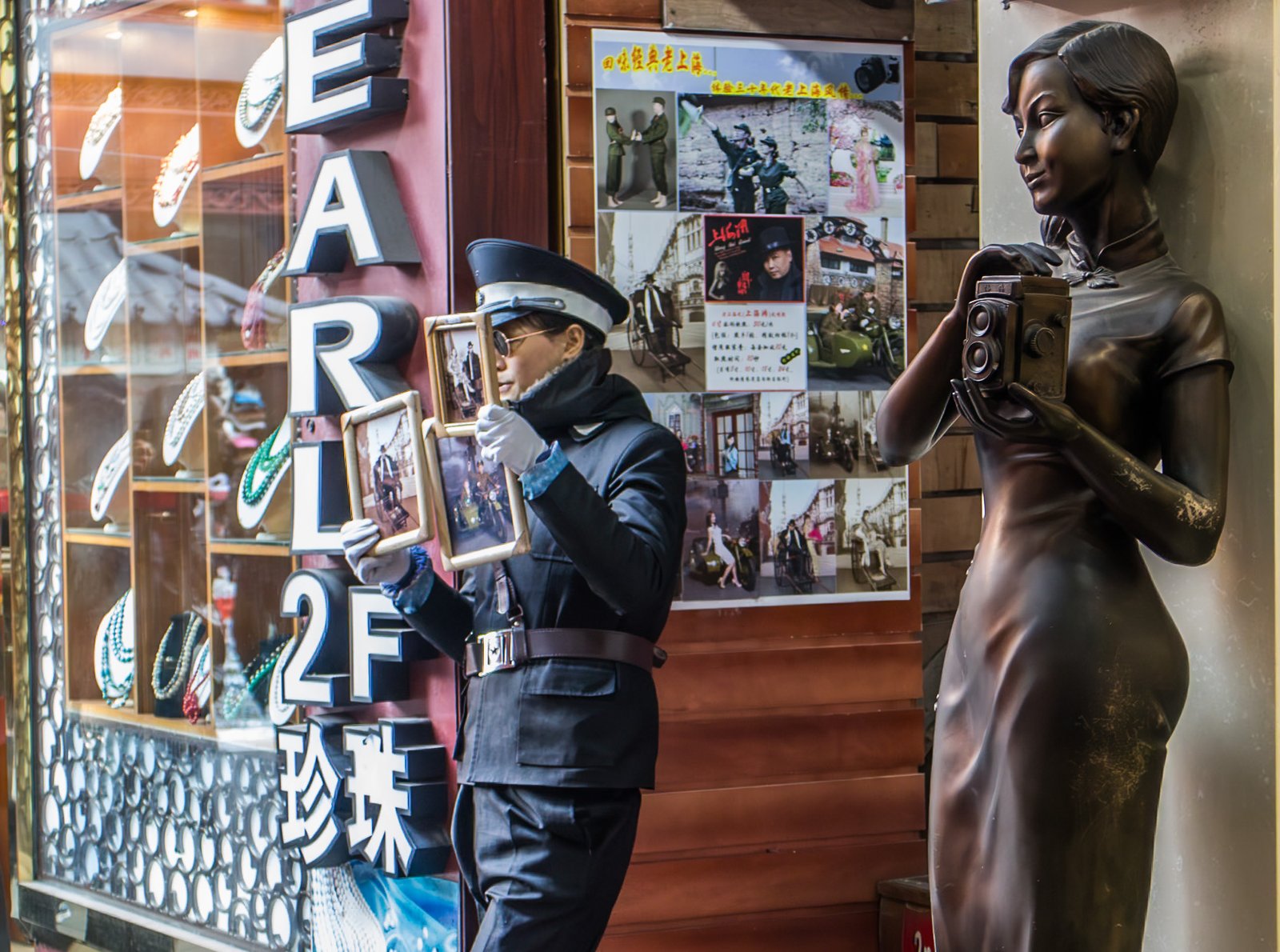
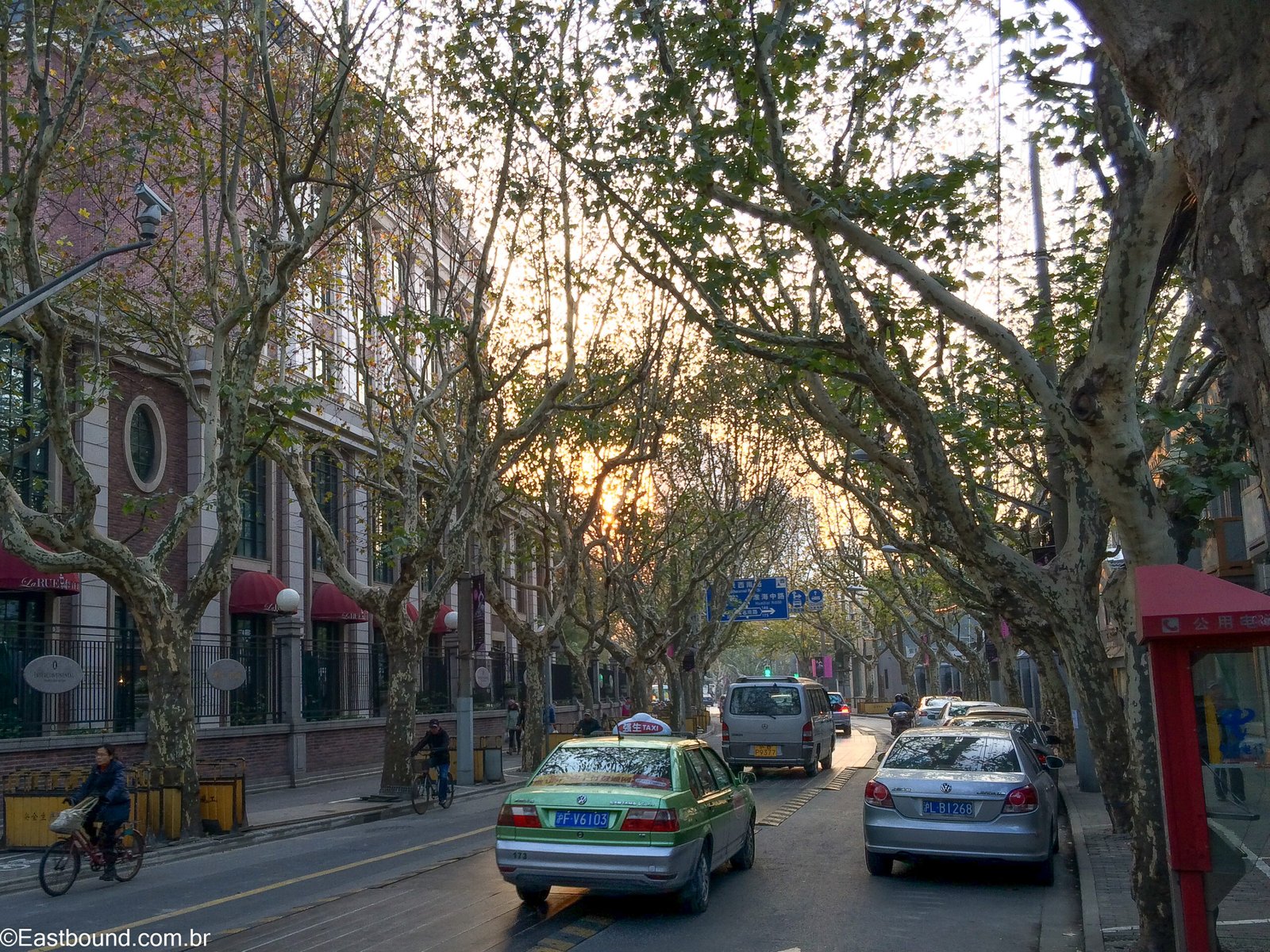
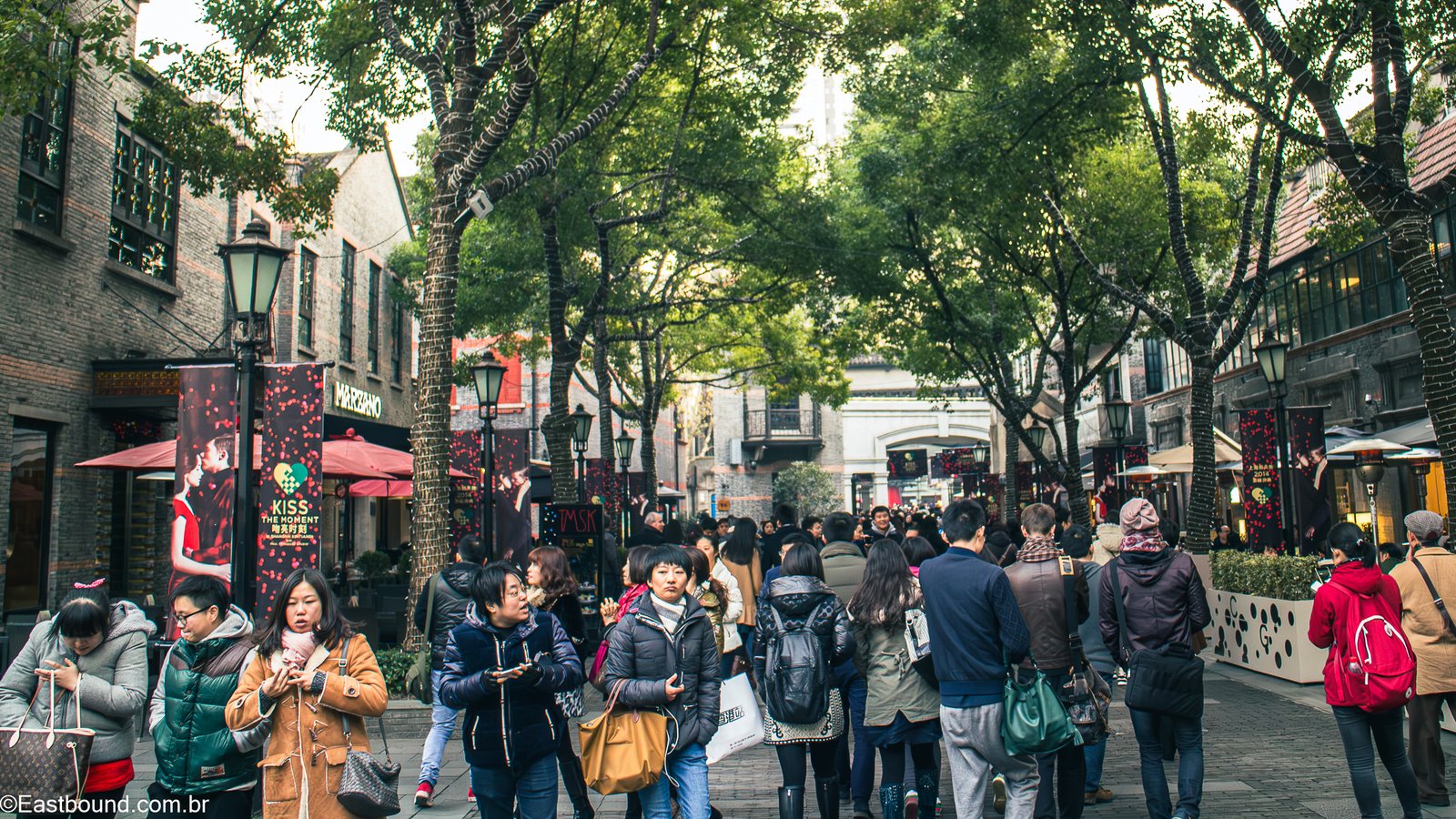
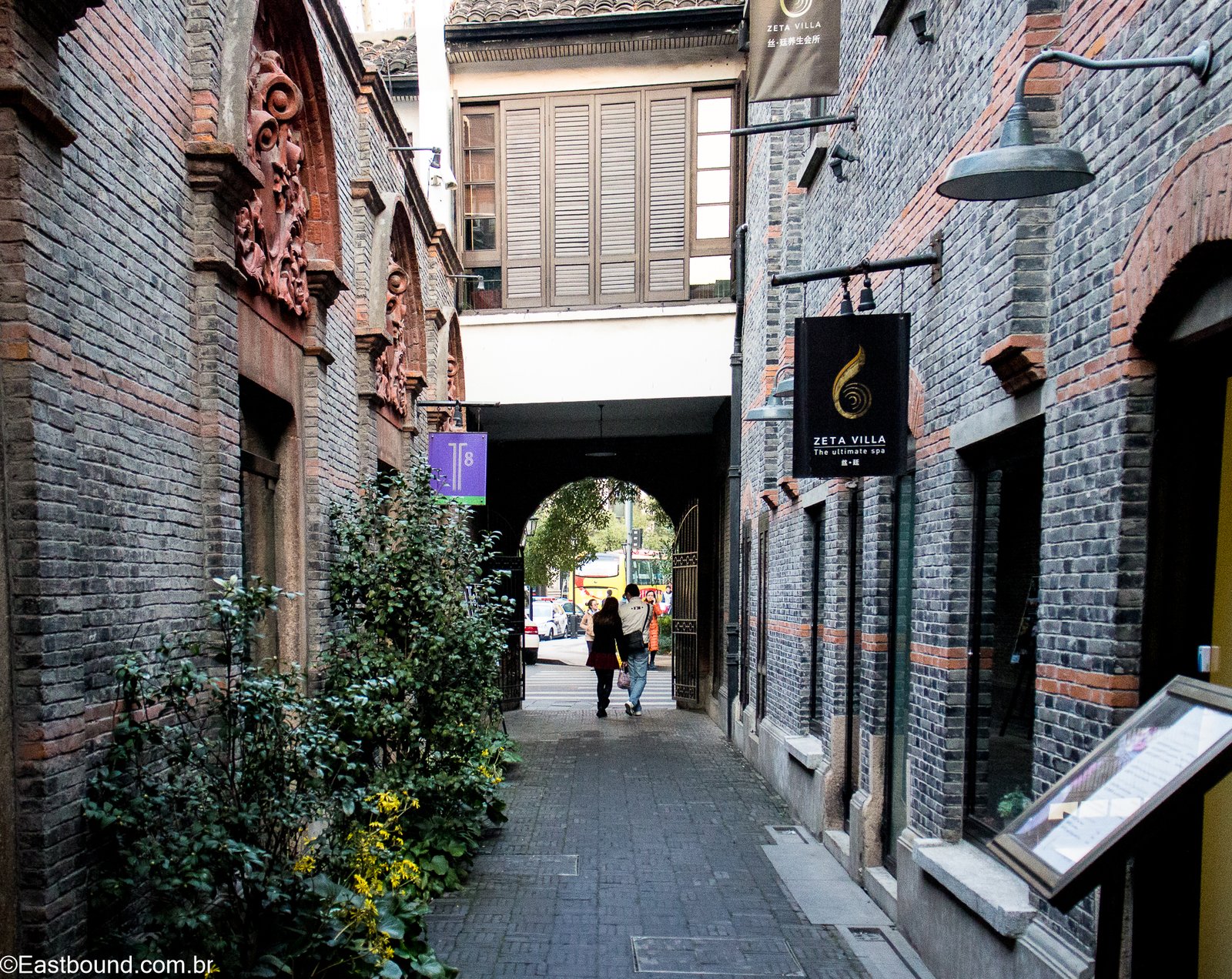
One of the most striking contrasts in Shanghai was Xintiandi and the surrounding area of the Former French Concession. The old shikumen buildings, with their grey brick walls and narrow lanes, had been carefully restored and transformed into restaurants, cafés, boutiques and small luxury businesses. The result was a part of the city that felt polished and cosmopolitan without completely losing the architecture of old Shanghai. Just a few streets away, tree-lined avenues, European-style buildings and quieter residential blocks gave the area an almost continental atmosphere. After the intensity of Dalian and the more traditional imagery around Yuyuan, this side of Shanghai felt unexpectedly elegant, familiar and sophisticated.
For me, however, one of the hardest things about travelling in China at the time was simply getting around. Unlike Japan and much of Europe, public transport information was often not available in English, and taxi drivers usually spoke almost none. To make matters worse, the structure of taxi fares meant that the initial charge accounted for a relatively large share of what the driver earned, while the additional charge per kilometre was comparatively small. As a result, asking for a long trip could sometimes produce an impressive amount of resistance. Depending on your luck, the driver might complain in Chinese for the entire journey, or simply resort to an elaborate combination of gestures and negative signs intended to communicate that he would very much prefer you to get out of his taxi.
Another thing remarkably striking for me was the price of the stuff. Food was relatively cheap, but every other average-quality good to buy had prices paired with the ones found in Brazilian stores. Expensive. China will frustrate the expectations of visitors expecting a low-cost shopping frenzy.
Lessons learned from my first trip to China
Starting my first real encounter with Asia in China could hardly have been more of a cultural shock. At times, I genuinely felt as though I had arrived on another planet, with different rules, different social codes, different food and a constant sense that I was being observed and treated as something of an alien myself. At that time I saw very few Westerners on the streets outside the most international areas, and I do not remember meeting another Latin American at all.
Looking back, however, that was precisely part of what made the experience so memorable. China did not gently introduce me to Asia; it threw me straight into it.
If I were advising someone making a similar trip: begin with Shanghai, and get lost in the city center for a couple of days. It is probably the easiest gateway between China and the Western world and a good place to acclimatize before going deeper into the country. From there, I would move on to Beijing and then start exploring places outside the traditional tourist circuit. And I would go prepared for some of the most unusual culinary experiences imaginable. I lost four kilos in two weeks.
Make of that what you will.
Curiosity Note: Chinese people call their country Zhōngguó (中国), literally ‘the Middle Kingdom,’ and refer to themselves as Zhōngguó rén (中国人) — people of China.
My trip advice for 3 days in Shanghai
If I were planning three days in Shanghai based on what stayed with me from my own trip, I would use them to experience three very different sides of the city.
Day 1 — Old Shanghai, the Shanghai Museum and the Bund
Start around Yu Garden and Yuyuan Bazaar, then head to People’s Square for the Shanghai Museum, one of the highlights of my visit. From there, walk along Nanjing Road East toward the Bund and try to arrive before sunset, when Pudong begins to light up across the Huangpu.
Day 2 — Xintiandi and the Former French Concession
Begin in Xintiandi, with its restored shikumen buildings, cafés, restaurants and boutiques. Then spend the rest of the day walking through the Former French Concession, especially around Wukang Road, Anfu Road and Wuyuan Road. This is the slower, more elegant and cosmopolitan side of Shanghai.
Day 3 — Pudong and the Future Shanghai
Cross the river and explore Lujiazui in Pudong, including the Shanghai Tower if you have time. Walk along the riverfront and later return to Puxi, finishing the trip at the Bund at night.
In three days, you move through three very different versions of Shanghai: traditional and historical, cosmopolitan and European-influenced, and finally futuristic. That contrast is still one of my strongest memories of the city.
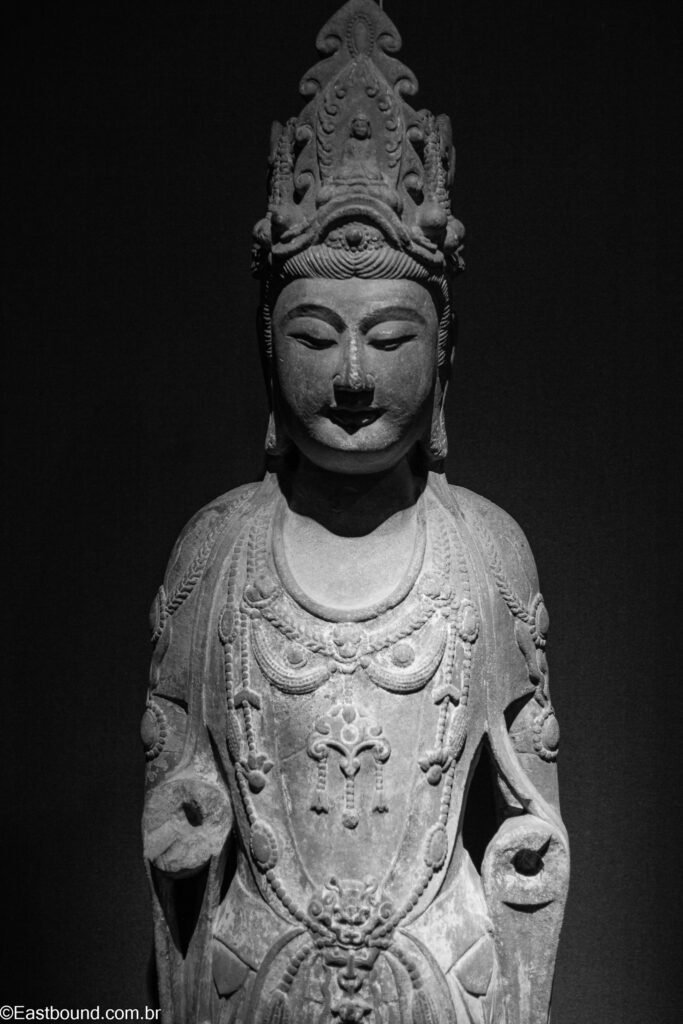
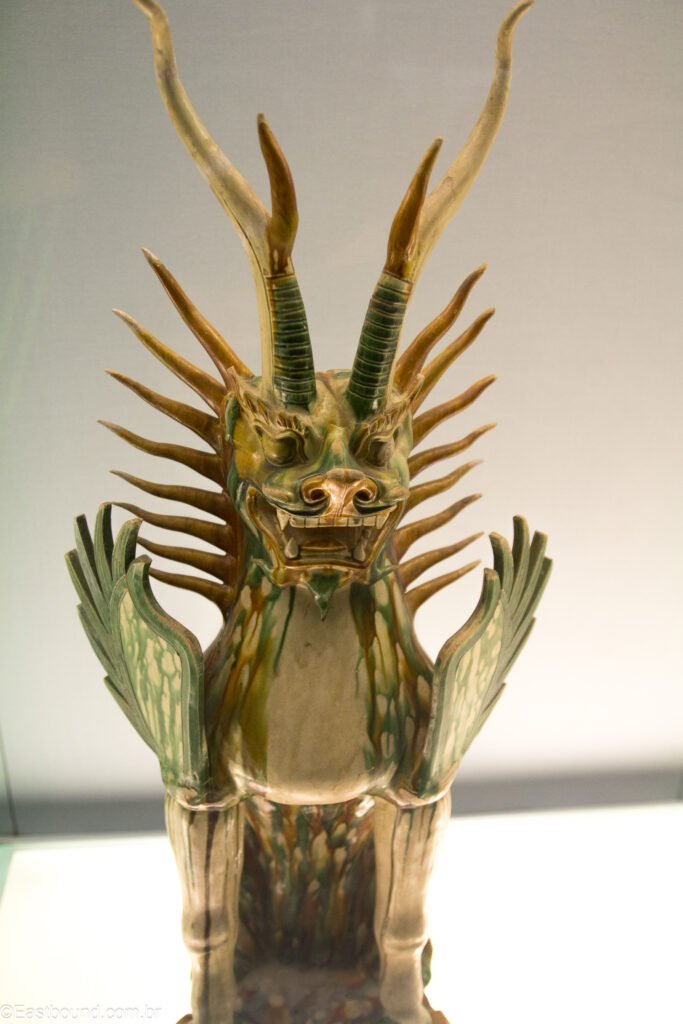
Shanghai Museum: unbelievable old art pieces